Breathing is something we rarely think about—until it becomes difficult.
In recent years, conversations around oxygen support have grown significantly in India. With the increasing awareness of Oxygen Therapy in Modern India, people are becoming more informed about oxygen requirements beyond traditional hospital environments. From high-altitude travel to urban pollution, from athletic recovery to elderly care, oxygen has become more than just a medical necessity. It has entered homes, travel backpacks, and even office spaces.
Today, oxygen therapy in India is not only associated with critical healthcare situations but also with respiratory awareness, emergency preparedness, and supportive care solutions.
But here’s the real question:
Who actually needs a portable oxygen can?
And how do you know if it’s right for you?
Let’s break it down in simple, practical terms.
Understanding Oxygen and Why It Matters
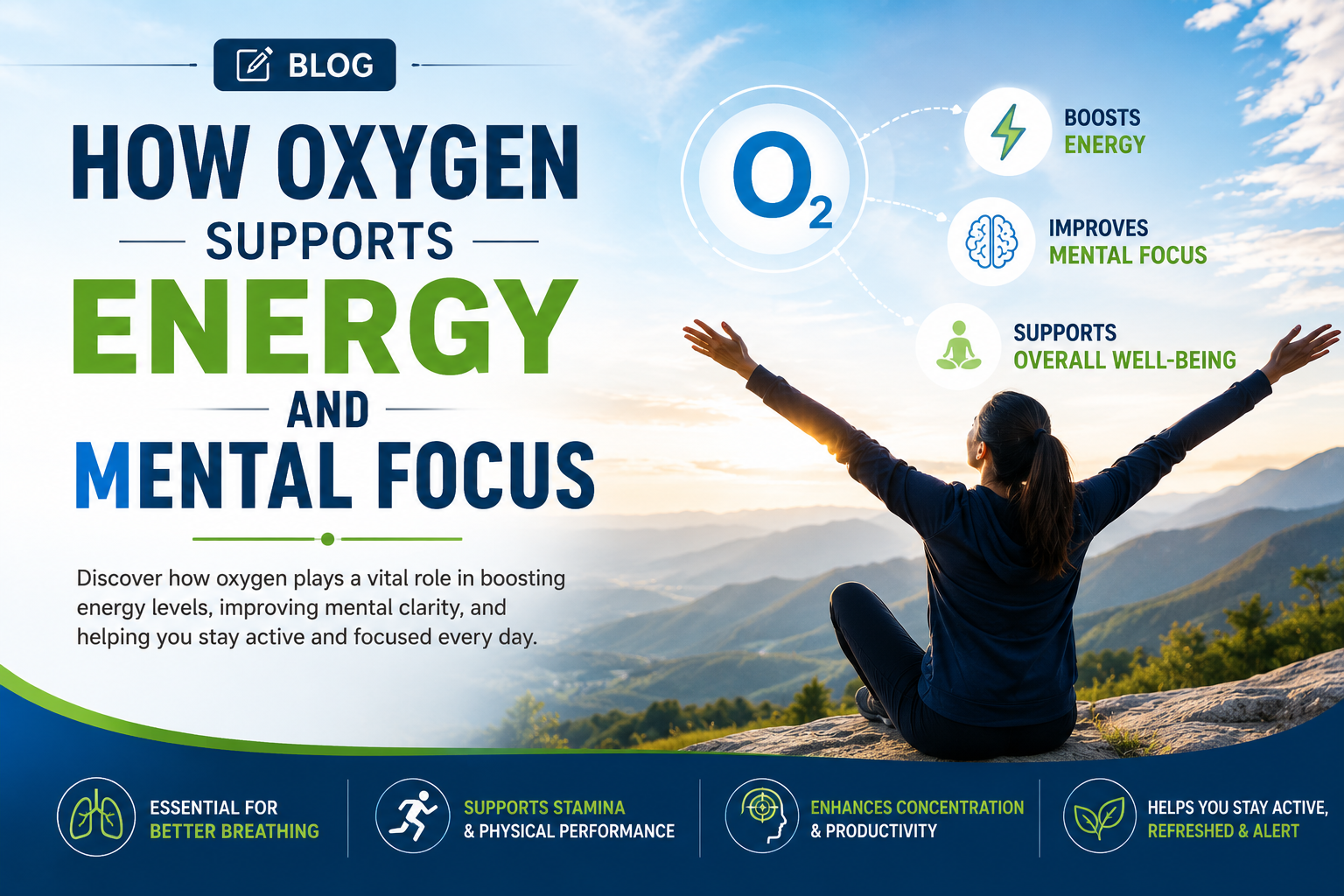
Oxygen makes up about 21% of the air we breathe. It fuels every cell in our body and plays a vital role in maintaining energy, brain function, and overall health.
Through Oxygen Therapy in Modern India, many individuals now have greater awareness about oxygen support options available for different situations, including medical care, travel needs, and respiratory challenges.
Without adequate oxygen:
- Your brain function may slow down
- Muscles can fatigue quickly
- You may feel dizzy or breathless
- Heart rate may increase
Even a small drop in oxygen saturation can make you feel uncomfortable. For some people, this discomfort is occasional. For others, it can be frequent and disruptive, making proper oxygen support an important consideration.
Why Oxygen Support Is Becoming More Relevant in India
India faces several challenges when it comes to respiratory health. Increasing pollution levels, changing lifestyles, growing elderly populations, and greater awareness of healthcare have contributed to the rising demand for oxygen support solutions.
The growth of Oxygen Therapy in Modern India & Protable oxygen can reflects a shift toward preventive care, home healthcare awareness, and better respiratory management.
1. Urban Air Pollution
Cities like Delhi, Mumbai, and Kolkata often experience high AQI levels. Long-term exposure to polluted air can:
- Reduce lung efficiency
- Cause shortness of breath
- Trigger asthma symptoms
- Lead to fatigue and headaches
While portable oxygen cans are not a treatment for pollution-related illnesses, they may provide temporary support during episodes of breathlessness.
People experiencing ongoing respiratory problems may require oxygen therapy for respiratory patients under medical guidance.
2. High-Altitude Travel
India is home to breathtaking destinations such as:
- Himachal Pradesh
- Jammu and Kashmir
- Ladakh
At higher altitudes, oxygen levels in the atmosphere decrease. This can result in:
- Headaches
- Dizziness
- Nausea
- Breathlessness
- Acute Mountain Sickness (AMS)
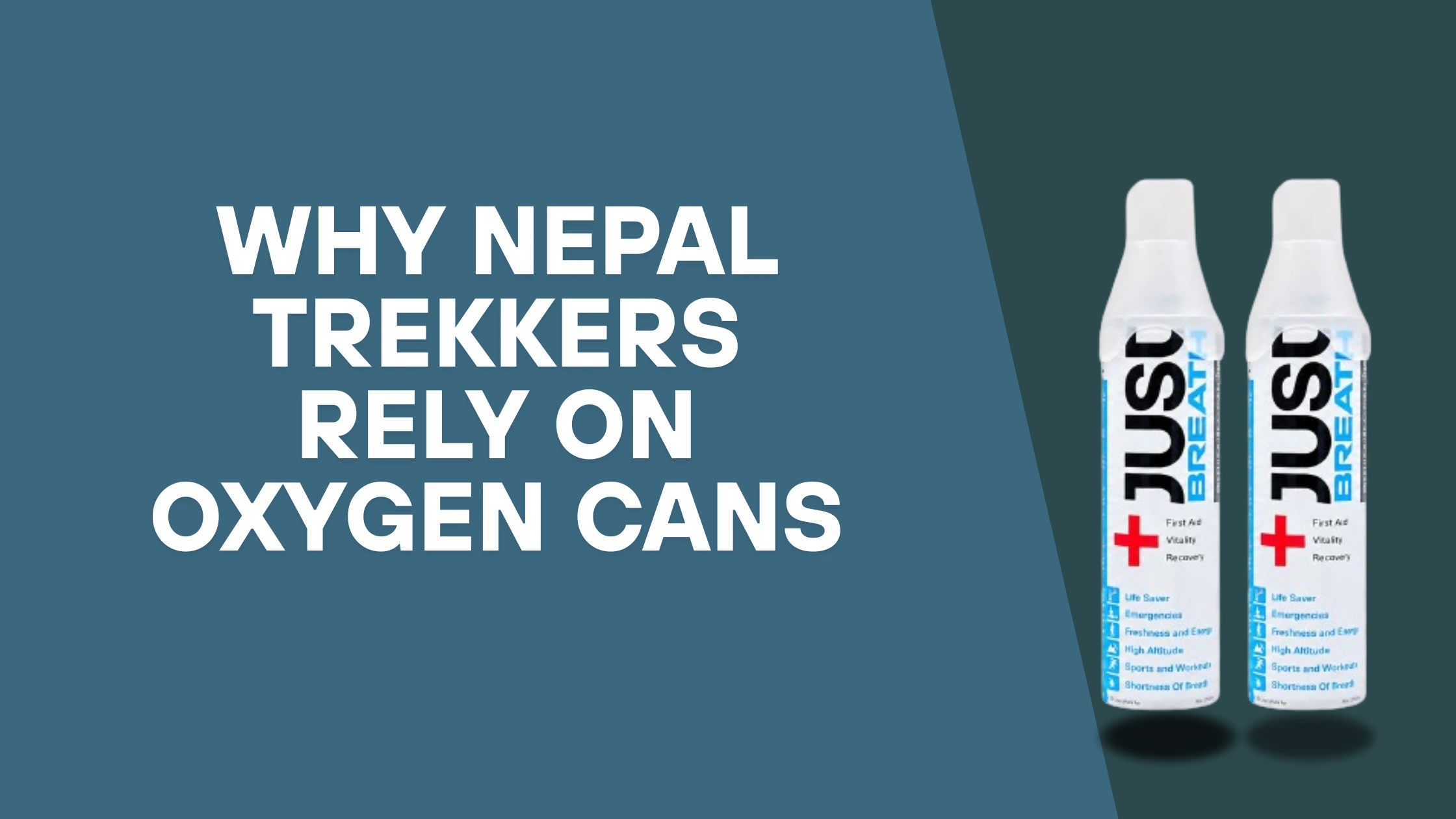
Trekkers, bikers, pilgrims, and tourists often carry portable oxygen products as a precautionary measure during high-altitude journeys.
The availability of portable oxygen therapy in India has made travel preparation easier for people exploring challenging environments.
3. Elderly Care at Home
As people age, lung capacity may gradually decrease. Conditions such as:
- COPD
- Mild asthma
- Post-viral weakness
- General respiratory fatigue
can make breathing more difficult.
Home oxygen therapy in India has become an important part of supportive healthcare for individuals who require oxygen assistance at home. However, portable oxygen cans should only be considered a temporary support option and not a replacement for prescribed medical treatment.
4. Sports and Fitness Recovery
Athletes and fitness enthusiasts sometimes explore oxygen support after intense physical activity to:
- Reduce fatigue
- Support recovery
- Improve post-exercise breathing
While oxygen is not a shortcut for better performance, it may provide comfort during intense workouts, endurance activities, or high-altitude sports.
What Is a Portable Oxygen Can?
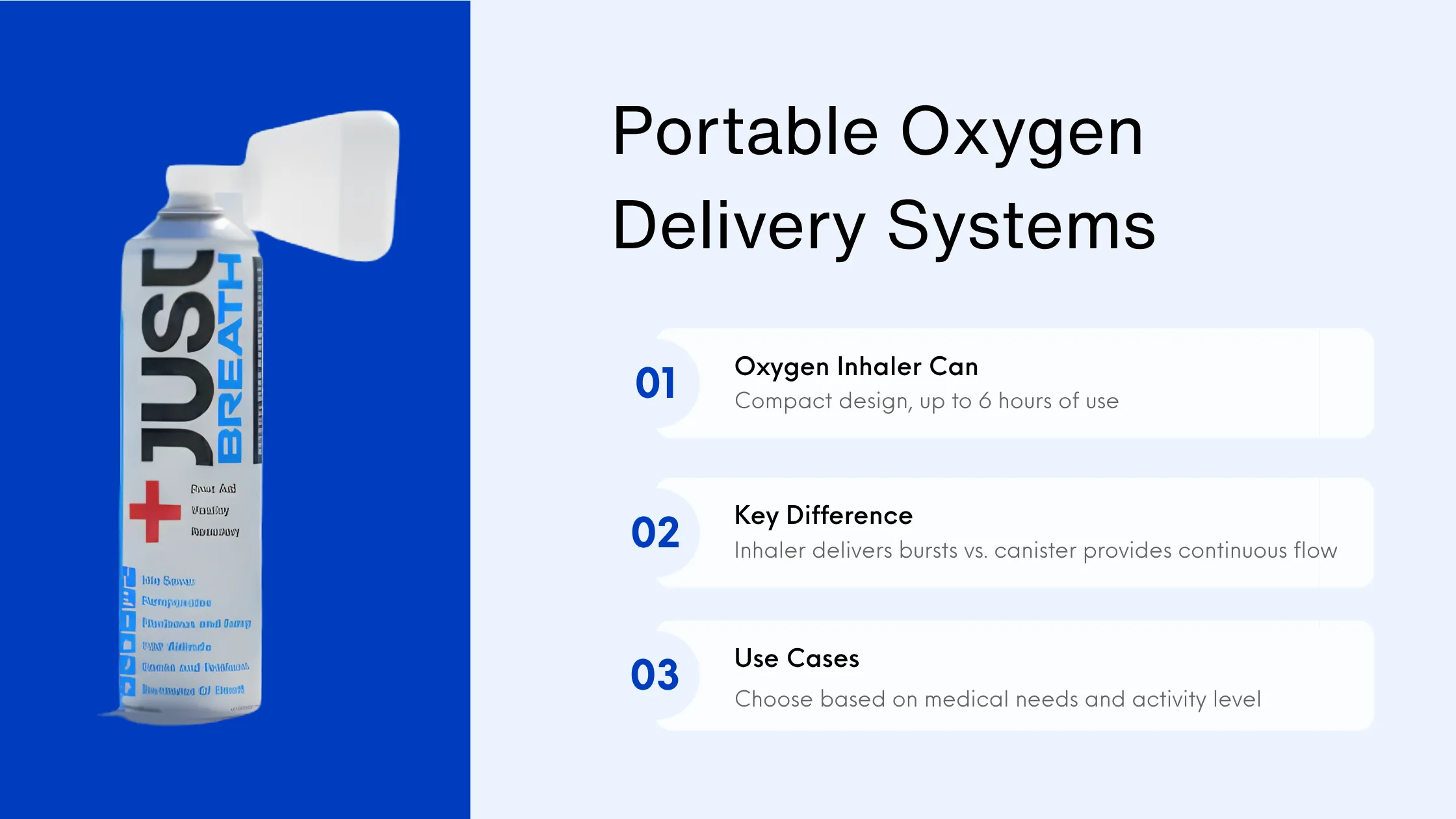
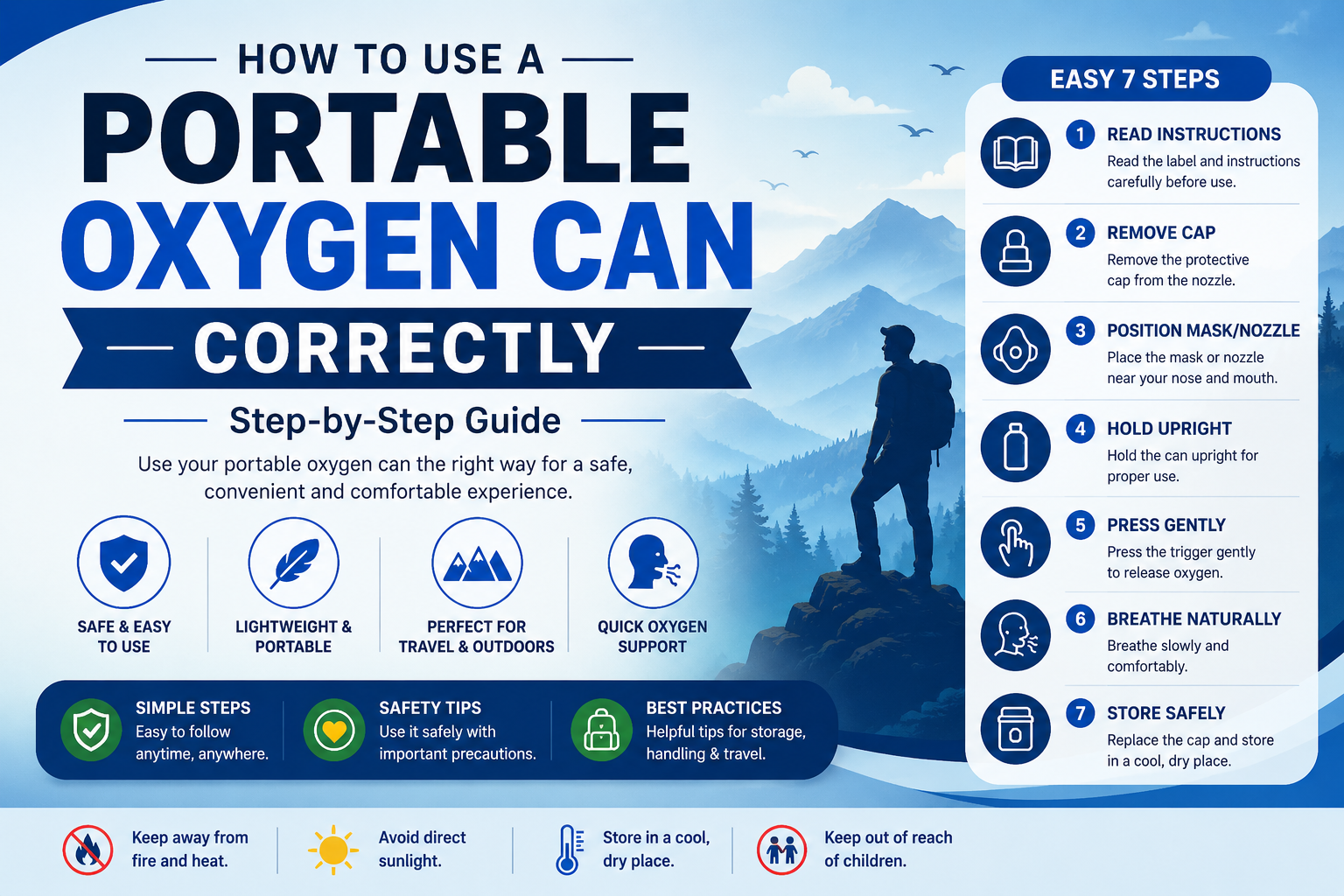
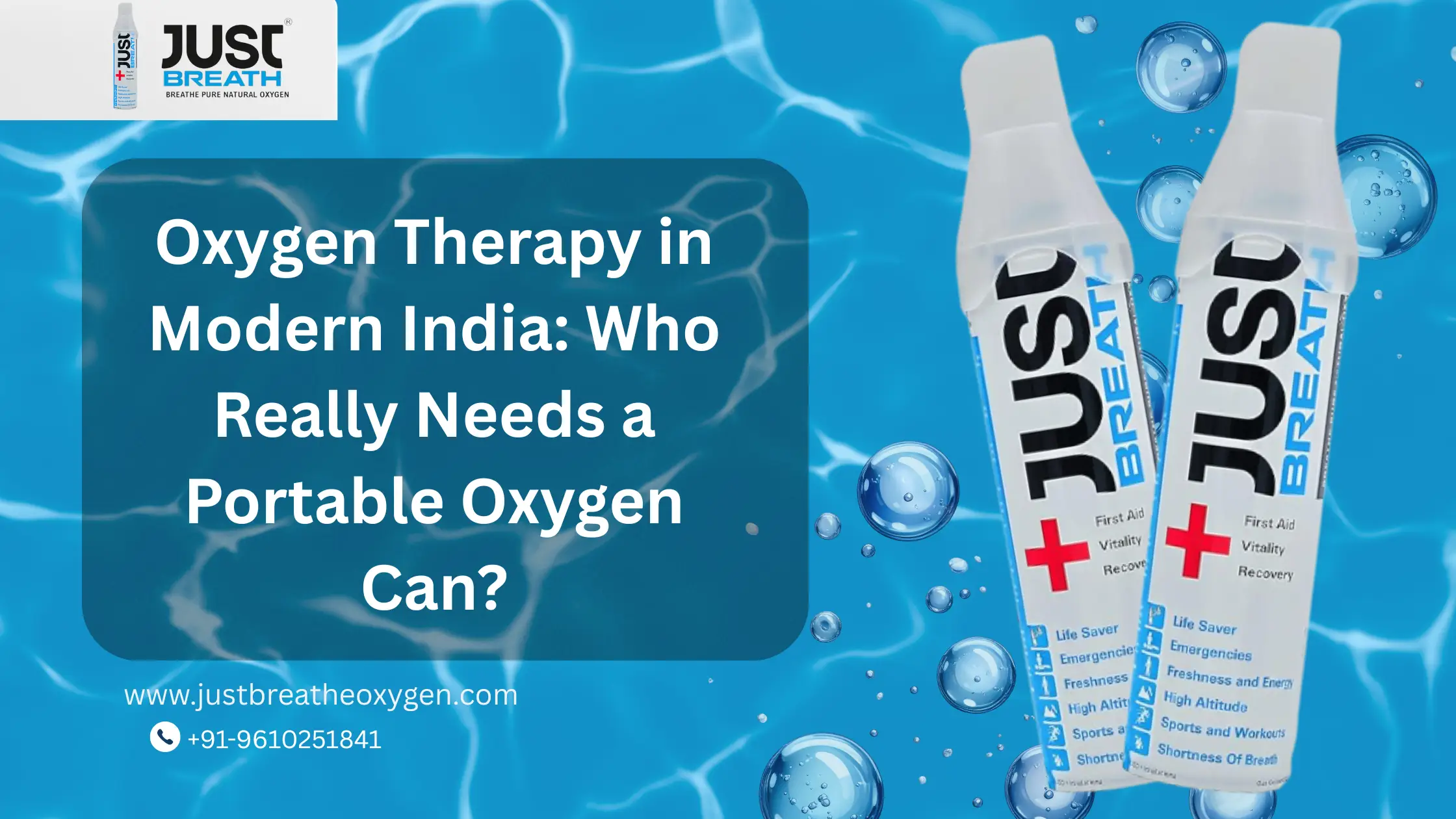
A portable oxygen can is a lightweight handheld container filled with compressed oxygen. It is designed for short-term inhalation support and is generally:
- Compact
- Easy to carry
- Simple to use
- Convenient for travel
Unlike medical oxygen cylinders or advanced oxygen equipment, portable oxygen cans are mainly designed for temporary situations.
With the expansion of Oxygen Therapy in Modern India, more people are exploring portable oxygen solutions for travel, emergency readiness, and everyday respiratory support.
Oxygen Therapy Treatment in India: Understanding Its Role
Oxygen therapy treatment in India is used for individuals who need additional oxygen due to certain medical conditions, low oxygen saturation levels, or respiratory difficulties.
Medical oxygen therapy may involve:
- Oxygen concentrators
- Oxygen cylinders
- Hospital oxygen systems
- Long-term oxygen support programs
The type of oxygen therapy depends on a person’s health condition and should always be determined by healthcare professionals.