Oxygen Therapy in Modern India: Who Really Needs a Portable Oxygen Can?
Breathing is something we rarely think about—until it becomes difficult.
In recent years, conversations around oxygen support have grown significantly in India. From high-altitude travel to urban pollution, from athletic recovery to elderly care, oxygen has become more than just a hospital necessity. It has entered homes, travel backpacks, and even office desks.
But here’s the real question:
Who actually needs a portable oxygen can?
And how do you know if it’s right for you?
Let’s break it down in simple, practical terms.
Understanding Oxygen and Why It Matters
Oxygen makes up about 21% of the air we breathe. It fuels every cell in our body. Without adequate oxygen:
Your brain function slows
Muscles fatigue quickly
You feel dizzy or breathless
Heart rate may increase
Even a small drop in oxygen saturation can make you feel uncomfortable. For some people, that discomfort is occasional. For others, it’s frequent and disruptive.
Why Oxygen Support Is Becoming More Relevant in India
India presents some unique challenges when it comes to respiratory health.
1. Urban Air Pollution
Cities like Delhi, Mumbai, and Kolkata often record high AQI levels. Prolonged exposure to polluted air can:
Reduce lung efficiency
Cause shortness of breath
Trigger asthma symptoms
Lead to fatigue and headaches
While oxygen cans are not a treatment for pollution-related illness, they can provide temporary relief during episodes of breathlessness.
2. High-Altitude Travel
India is home to breathtaking destinations such as:
Himachal Pradesh
Jammu and Kashmir
Ladakh
At higher altitudes, oxygen levels in the air decrease. This can lead to:
Headaches
Dizziness
Nausea
Breathlessness
Acute Mountain Sickness (AMS)
Trekkers, bikers, pilgrims, and tourists often carry portable oxygen cans as a precautionary support tool.
3. Elderly Care at Home
As people age, lung capacity gradually reduces. Conditions like:
COPD
Mild asthma
Post-viral weakness
General respiratory fatigue
can make breathing slightly more demanding.
A portable oxygen can may provide short bursts of support when someone feels temporarily breathless, especially while waiting for medical consultation.
4. Sports & Fitness Recovery
Athletes and fitness enthusiasts sometimes use oxygen support post-workout to:
Reduce fatigue
Support muscle recovery
Improve post-exercise breathing
It’s not a magic performance booster—but it can help during intense exertion or high-altitude sports.
What Is a Portable Oxygen Can?
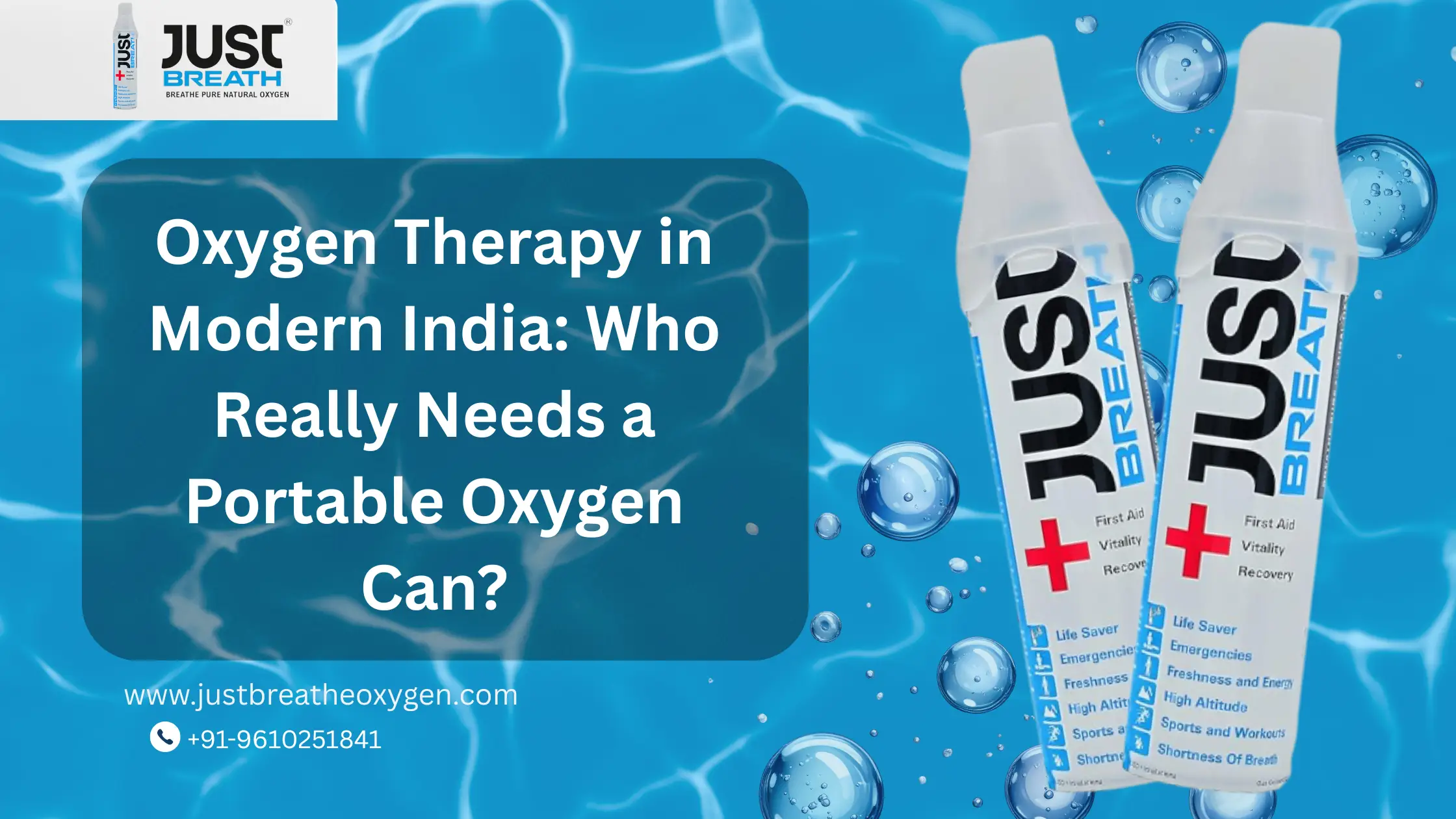
A portable oxygen can is a lightweight, handheld container filled with compressed oxygen. It is:
Compact
Easy to carry
Simple to use
Designed for short-term inhalation support
Unlike medical oxygen cylinders, it does not require prescriptions for general use (though people with medical conditions should always consult a doctor).
When Is It Appropriate to Use One?
Portable oxygen cans are typically used for:
Mild breathlessness
Temporary fatigue
High-altitude discomfort
Travel emergencies
Sports recovery
Senior support at home
They are not a replacement for hospital-grade oxygen therapy in serious medical conditions.
If someone experiences:
Persistent low oxygen levels
Severe breathing difficulty
Chest pain
Cyanosis (bluish lips or nails)
Immediate medical attention is necessary.
Signs You Might Benefit from Temporary Oxygen Support
You may consider carrying a portable oxygen can if:
You frequently travel to hill stations
You trek above 8,000–10,000 feet
You feel breathless in polluted environments
You care for elderly family members
You work in physically demanding conditions
You experience fatigue during long journeys
Again, this is about temporary support—not medical treatment.
Myths About Portable Oxygen Cans
Let’s clear up some common misconceptions.
Myth 1: Oxygen Cans Are Only for Medical Emergencies
Not necessarily. Many people use them for altitude travel or short-term fatigue support.
Myth 2: Using Oxygen Makes Your Lungs Lazy
No. Occasional short-term use does not reduce your natural breathing ability.
Myth 3: They Replace Oxygen Concentrators
Absolutely not. Concentrators are medical devices for continuous oxygen therapy. Portable cans are short-duration support tools.
Office & Urban Use: Is It Practical?
In metro cities, long working hours combined with pollution exposure can lead to:
Brain fog
Mild headaches
Reduced alertness
While improving indoor air quality is ideal, some professionals keep oxygen cans as occasional support during long workdays.
How to Use a Portable Oxygen Can Safely
Remove the protective cap.
Attach the mask or nozzle.
Hold it near your mouth and nose.
Press the trigger while inhaling deeply.
Repeat for a few breaths as needed.
Avoid excessive or continuous use. Follow instructions mentioned on the product packaging.
Who Should Consult a Doctor First?
You should consult a medical professional if:
You have diagnosed respiratory illness
You are on oxygen therapy
You have heart disease
You experience chronic breathlessness
Portable oxygen is supportive—not a substitute for professional medical advice.
The Growing Demand in India
The awareness around respiratory health has increased significantly in the past few years. People are now more proactive about:
Emergency preparedness
Travel safety
Home healthcare
Senior wellness
This has led to increased demand for reliable and quality-controlled oxygen products.
What to Look for in a Good Portable Oxygen Can
When choosing one, consider:
Oxygen purity level
Number of inhalations per can
Ease of use
Safety certifications
Manufacturer credibility
Leak-proof packaging
Lightweight design
Quality matters—especially when it comes to breathing support.
The Emotional Side of Breathing Easy
There’s something deeply reassuring about knowing you have support when needed.
Whether you’re:
A parent traveling with children
A trekker climbing unfamiliar terrain
A caregiver looking after elderly parents
A professional navigating polluted urban life
Peace of mind matters.
Breathing comfortably isn’t just physical—it’s emotional.
Responsible Use Is Key
Portable oxygen cans should always be used responsibly:
Not as a daily habit
Not as a substitute for treatment
Not as a performance enhancer shortcut
Instead, think of them as a backup tool—like carrying a first-aid kit during travel.
Final Thoughts : Breathing Better in a Changing World
India’s lifestyle is evolving. We travel more. We work longer hours. We explore higher altitudes. We live in expanding cities.
With these changes come new respiratory challenges.
Portable oxygen cans are not a cure. They are not a replacement for medical oxygen therapy. But they can be a practical support tool in specific situations—travel, altitude, fatigue, senior care, and emergency preparedness.
When chosen wisely and used responsibly, they offer something simple yet powerful: the comfort of a steady breath when you need it most.
And as awareness grows across the country, brands committed to quality and accessibility are stepping up. Just Breath portable oxygen cans are among the emerging names in this space, serving as manufacturers of portable oxygen cans in India—bringing reliable oxygen support closer to everyday users across the nation.
Because sometimes, all you really need is to just breathe.