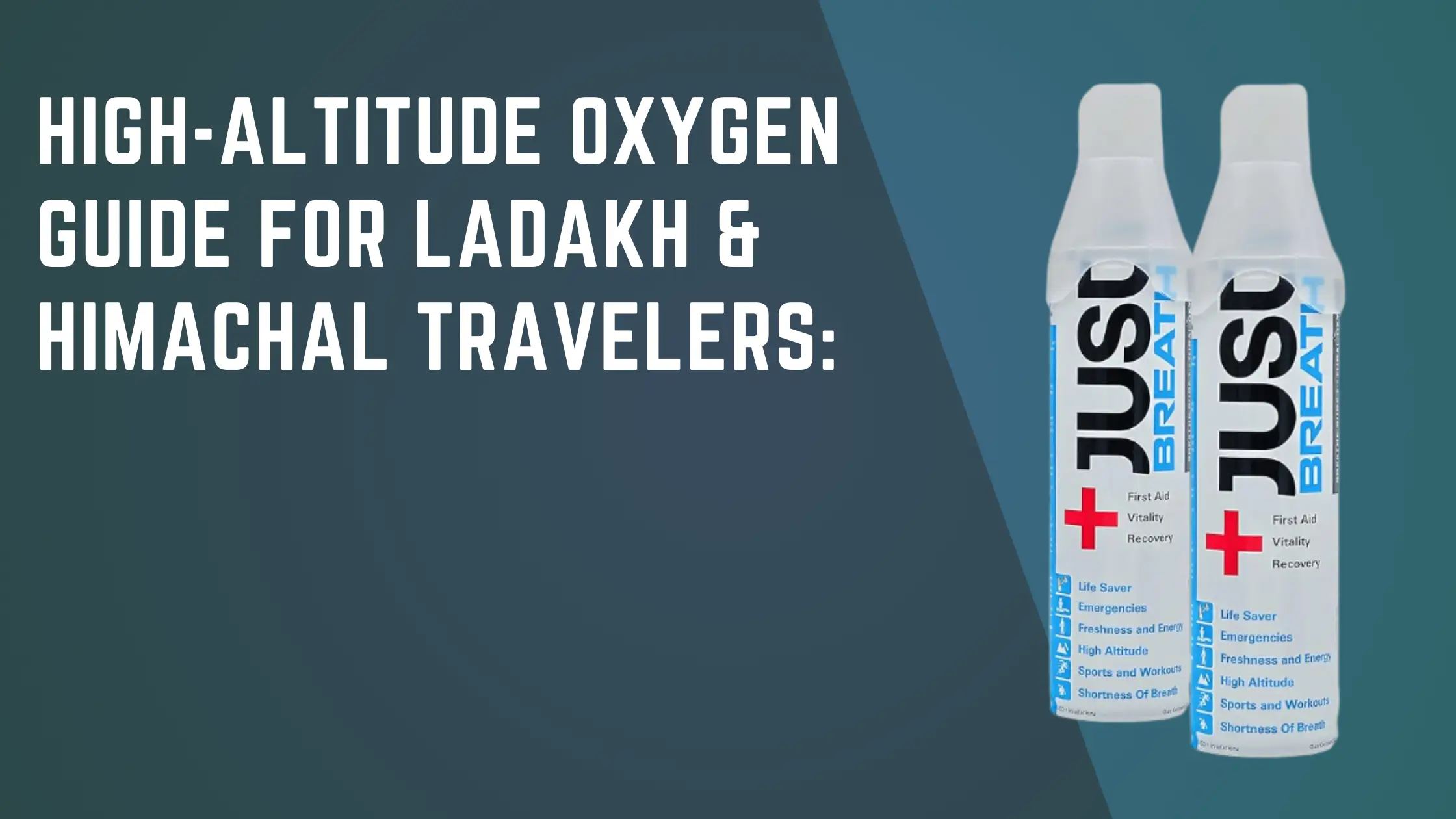
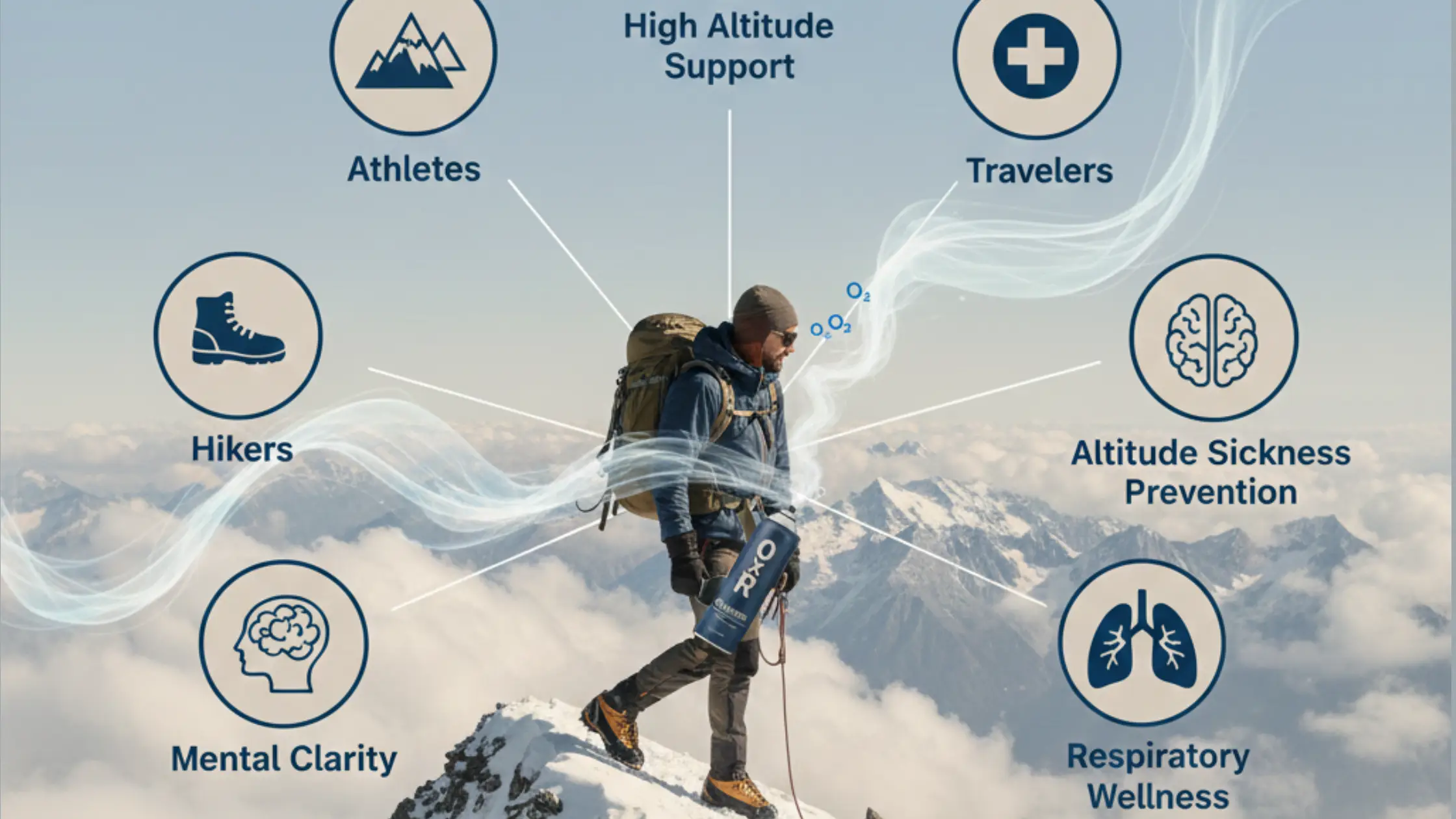
You’re experiencing altitude sickness – your body’s response to decreasing oxygen availability as you climb higher. At 8,000 feet, you’re getting 25% less oxygen per breath than at sea level. At 18,000 feet, that drops to nearly 50% less. This isn’t just discomfort; it’s a serious safety concern that can derail your climb and put your life at risk.
The problem isn’t just physical exhaustion. Oxygen deprivation affects your judgment, reaction time, and decision-making abilities – critical skills when navigating treacherous terrain. You might miss warning signs of weather changes, make poor route choices, or fail to recognize symptoms of altitude-related illness in yourself or team members. Many climbing accidents occur not from technical failures, but from impaired thinking caused by insufficient oxygen therefore oxygen Cans Are a Must for Mountain Climbers
Portable oxygen cans offer a practical solution to this dangerous situation. They provide concentrated oxygen when your body needs it most – during the most challenging ascents, when symptoms of altitude sickness begin, or in emergency situations. Smart climbers don’t view oxygen as giving up; they see it as essential safety equipment that keeps them alert, capable, and alive to reach their goals and return home safely.
Combatting Altitude Sickness: Oxygen Cans Are a Must for Mountain Climbers
Altitude sickness can strike quickly at elevations above 8,000 feet, causing headaches, nausea, and fatigue. Recognizing early symptoms and responding promptly is crucial. Canned oxygen offers fast relief by improving oxygen levels, reducing discomfort, and helping climbers stay alert and safe—making it a vital first line of defense.
1. Combating the Ravages of Altitude Sickness: Your First Line of Defense
Altitude sickness, medically known as Acute Mountain Sickness (AMS), is the most immediate, pervasive, and potentially devastating threat climbers face. It can manifest anywhere from moderate elevations (often above 8,000 feet or 2,500 meters) and quickly escalate from mild discomfort to a life-threatening medical emergency. Even at relatively moderate altitudes, symptoms like throbbing headaches, debilitating nausea, disorienting dizziness, overwhelming fatigue, and persistent shortness of breath can swiftly erode your strength, morale, and the feasibility of your climb. At higher and extreme elevations, these symptoms can unfortunately progress to severe, life-threatening conditions such as High Altitude Pulmonary Edema (HAPE), where fluid accumulates in the lungs, or High Altitude Cerebral Edema (HACE), where swelling occurs in the brain. Both HAPE and HACE require immediate descent and urgent medical intervention.
2. Sustaining Energy and Enhancing Performance: Fueling Your Ascent
Your body produces energy through two main pathways. The first, aerobic metabolism, uses oxygen to create energy efficiently and can sustain activity for extended periods. The second, anaerobic metabolism, works without oxygen but produces energy less efficiently and creates lactic acid buildup that causes muscle fatigue.
At high altitudes, your body increasingly relies on the less efficient anaerobic system because adequate oxygen isn’t available. This shift results in:
- Quicker muscle fatigue during climbs
- Increased need for rest breaks
- Reduced ability to maintain consistent pace
- Earlier onset of exhaustion during technical sections
- Fueling Efficient Aerobic Respiration: Oxygen is the absolute primary fuel for aerobic respiration, the most efficient and sustainable pathway your body uses to produce energy (ATP). When oxygen is scarce, as it is at high altitudes, your body is forced to rely more heavily on less efficient anaerobic pathways. These pathways produce energy quickly but also lead to a rapid buildup of fatigue-inducing lactic acid and are unsustainable for prolonged activity. A few breaths from an oxygen can can quickly replenish your systemic oxygen levels, enabling your muscles to return to more efficient aerobic metabolism. This preserves your precious energy reserves, allowing you to sustain effort for longer.
- Boosting Stamina and Power Output: By improving oxygen delivery to your working muscles, you can maintain a higher level of exertion for significantly longer periods without feeling completely “gassed.” This translates directly into improved stamina and sustained power output. Imagine being able to maintain your pace on a steep incline, execute critical technical moves without feeling completely drained, or simply keep moving forward when others are forced to stop and rest frequently. Oxygen can provide that vital edge, helping you to make crucial ascents and progress steadily towards your objective, rather than constantly battling overwhelming exhaustion.
3. Sharpening Mental Acuity and Decision-Making: Clarity in Crisis
Altitude doesn’t just affect your physical body; its impact on your brain and cognitive function is profound and dangerous. Oxygen deprivation to the brain can rapidly lead to mental fogginess, impaired judgment, confusion, memory issues, and a significant reduction in overall cognitive function. In the unforgiving, unpredictable environment of a high mountain, where every decision carries weight and every step has consequences, clear thinking and sound judgment are not merely advantageous – they are absolutely non-negotiable for survival.
- Enhanced Brain Function and Alertness: Your brain is an incredibly metabolically active organ, consuming a disproportionately large amount of your body’s oxygen supply. Providing it with a concentrated, readily available supply of oxygen can help maintain its sharpness, focus, and the critical ability to make sound, rational decisions even under extreme physical stress and pressure. This is vital when navigating challenging technical terrain, assessing constantly changing weather conditions, evaluating avalanche risk, or simply responding effectively to any unexpected situation that may arise.
- Maintaining Situational Awareness: Fatigue and hypoxia can make you drowsy, lethargic, and significantly less aware of your immediate surroundings. This dulled awareness can lead to critical oversights. Oxygen helps to keep you alert, vigilant, and reactive, which is crucial for spotting potential hazards (like loose rock or ice), maintaining proper footing, and communicating clearly and effectively with your climbing partners. In a team-based activity like mountaineering, clear communication can literally be a matter of life and death.
4. Accelerating Recovery and Preventing Chronic Exhaustion: Ready for the Next Push
Multi-day climbs and expeditions push your body to its absolute physiological limits. Effective recovery between strenuous days is not just desirable, it’s absolutely critical for sustained performance and long-term health. Yet, this recovery is often severely hindered by the very high-altitude environment you’re operating in, where oxygen scarcity makes every bodily process less efficient.
- Faster Cellular Rejuvenation: After a long, arduous day of climbing, your body is working overtime to repair microscopic muscle tears, restore energy stores, and clear metabolic waste products like lactic acid. Oxygen is a fundamental component in all these complex recovery processes. Supplemental oxygen aids in flushing out these performance-inhibiting toxins and significantly reduces Delayed Onset Muscle Soreness (DOMS). This means you wake up feeling more refreshed, less stiff, and genuinely more ready for the next day’s demanding ascent, contributing to a more consistent and successful expedition.
- Combatting Chronic Fatigue and Burnout: Persistent exposure to low oxygen levels can lead to profound, lingering systemic exhaustion that accumulates over days or weeks. This chronic fatigue can severely impact your physical and mental resilience. Regular, strategic use of oxygen cans can help mitigate this cumulative fatigue, making the entire expedition more sustainable, more enjoyable, and significantly reducing the risk of burnout or having to abandon a climb due to sheer exhaustion.
5. Your Essential Emergency Lifeline: When Every Second Counts
Severe altitude sickness is primarily treated by descending to lower elevations, but impaired judgment and weakness can make this dangerous. Oxygen supplementation aids climbers in maintaining necessary mental and physical function for self-rescue, serving as temporary support while the main treatment is initiated. Effective use of emergency oxygen relies on climbers being well-prepared and familiar with safety procedures, as it complements rather than replaces proper acclimatization and decision-making in remote mountain situations.
Choose Your Oxygen Can Wisely: Prepare for the Unpredictable
For mountain climbers and even fitness enthusiasts, oxygen cans are not a luxury item; they are a fundamental component of safe, strategic, and successful expeditions. They are as crucial as your ropes, ice axes, or first aid kit. When selecting your oxygen supply, always prioritize high purity , a durable and easy-to-use nozzle for quick deployment, and a size that intelligently balances sufficient capacity with manageable portability. Always choose reputable brands that are completely transparent about their product’s specifications, manufacturing standards, and safety certifications.
At Just Breath Oxygen which is manufactured under Speciality Geochemm, we are deeply committed to empowering adventurers like you with the highest quality portable oxygen solutions designed specifically for the rigors of high-altitude environments. Don’t compromise on safety or performance when you’re pushing your limits against the awe-inspiring, yet unforgiving, majesty of the mountains. Make oxygen cans an indispensable and confidently chosen part of your climbing gear.