The winding roads of Ladakh, snow-covered mountain passes of Himachal Pradesh, crystal-clear lakes, and breathtaking Himalayan landscapes attract thousands of travelers every year. From bikers and trekkers to families and adventure seekers, people travel to destinations like Leh, Nubra Valley, Pangong Lake, Rohtang Pass, and Spiti Valley to experience the beauty of the mountains. However, exploring these high-altitude destinations requires proper preparation. This High-Altitude Oxygen Guide helps travelers understand how changing oxygen levels, altitude sickness, and portable oxygen support can impact their Himalayan journey
However, one important factor often gets overlooked:
The higher you travel, the thinner the air becomes.
At high altitudes, oxygen availability decreases, and your body needs time to adjust. Understanding how oxygen levels change can help you enjoy your journey safely and comfortably.
This High-Altitude Oxygen Guide explains everything travelers need to know about oxygen levels, altitude sickness, portable oxygen support, and safety tips before visiting Ladakh and Himachal Pradesh.
Whether you are planning a road trip, trekking adventure, or family vacation, this high-altitude oxygen guide for travelers & Protable oxygen can will help you prepare better for mountain conditions.
High-Altitude Oxygen Guide: Understanding Oxygen Levels at High Altitude
At sea level, the atmosphere contains approximately 21% oxygen. However, as you climb higher, atmospheric pressure decreases. Although the percentage of oxygen remains similar, each breath delivers less oxygen to your body.
This happens because of reduced oxygen availability in mountains.
Destinations like:
- Leh (around 11,500 feet)
- Nubra Valley
- Pangong Lake
- Khardung La Pass
- Spiti Valley
- High mountain routes in Himachal Pradesh
have significantly lower oxygen pressure compared to cities and plains.
Your body tries to adapt by:
- Increasing breathing rate
- Increasing heart rate
- Producing more red blood cells over time
- Improving oxygen delivery to tissues
However, this adjustment process takes time. Traveling too quickly to higher elevations can cause discomfort and altitude-related symptoms.
High-Altitude Oxygen Guide: Why Your Body Needs Time to Adapt
Every person responds differently to altitude. Some travelers adjust quickly, while others experience breathing discomfort, fatigue, or headaches.
The most common reason behind these symptoms is low oxygen levels at high altitude.
When oxygen supply decreases, your body may struggle to perform normal activities such as:
- Walking uphill
- Climbing stairs
- Carrying luggage
- Sleeping comfortably
Even physically fit travelers can experience altitude-related problems because altitude affects everyone differently.
Low Oxygen Levels at High Altitude: Common Effects on Travelers
When oxygen levels drop, travelers may experience:
Mild Symptoms
- Headache
- Dizziness
- Shortness of breath
- Tiredness
- Nausea
- Loss of appetite
- Poor sleep quality
- Increased heartbeat
Serious Warning Signs
- Severe breathing difficulty
- Confusion
- Difficulty walking
- Chest discomfort
- Bluish lips or fingertips
If symptoms become severe, immediate medical attention is necessary.
Monitoring oxygen saturation levels (SpO2) with a pulse oximeter can help travelers understand how their body is responding to altitude.
What Is Altitude Sickness?
Altitude sickness occurs when your body cannot adjust properly to lower oxygen conditions at high elevations.
The most common form is known as Acute Mountain Sickness (AMS).
AMS can affect:
- First-time mountain travelers
- Experienced trekkers
- Young people
- Older adults
- Physically active individuals
You do not need to be unhealthy to experience altitude sickness. Rapid elevation gain is one of the biggest risk factors.
Common causes include:
- Flying directly to Leh
- Rapidly climbing mountain passes
- Sleeping at very high elevations
- Overexerting yourself after arrival
Acute Mountain Sickness (AMS): Symptoms Travelers Should Know
The symptoms of Acute Mountain Sickness (AMS) usually appear within a few hours after reaching high altitude.
Common signs include:
- Persistent headache
- Feeling weak or exhausted
- Dizziness
- Trouble sleeping
- Reduced appetite
- Shortness of breath during activity
In most mild cases, proper rest, hydration, acclimatization, and oxygen support can help improve comfort.
However, worsening symptoms should never be ignored.
Why Ladakh & Himachal Travelers Need Oxygen Preparation
Many travelers underestimate how quickly altitude changes can affect the body.
For example:
- Flying directly from Delhi to Leh causes sudden altitude exposure
- Driving through Manali-Leh routes involves crossing several high passes
- Trekking in remote Himalayan areas increases physical demand
A proper oxygen guide for Ladakh trip preparation helps travelers understand:
- When oxygen support may be useful
- How to identify altitude symptoms
- What safety equipment to carry
- How to plan a comfortable journey
Preparation allows travelers to focus on enjoying the mountains instead of worrying about unexpected breathing difficulties.
High-Altitude Oxygen Support: Why It Matters During Mountain Travel
Carrying the right support equipment can make a major difference during high-altitude adventures.
High-altitude oxygen support is commonly considered by:
- Senior travelers
- Families traveling with children
- Trekking groups
- Adventure riders
- People visiting remote mountain locations
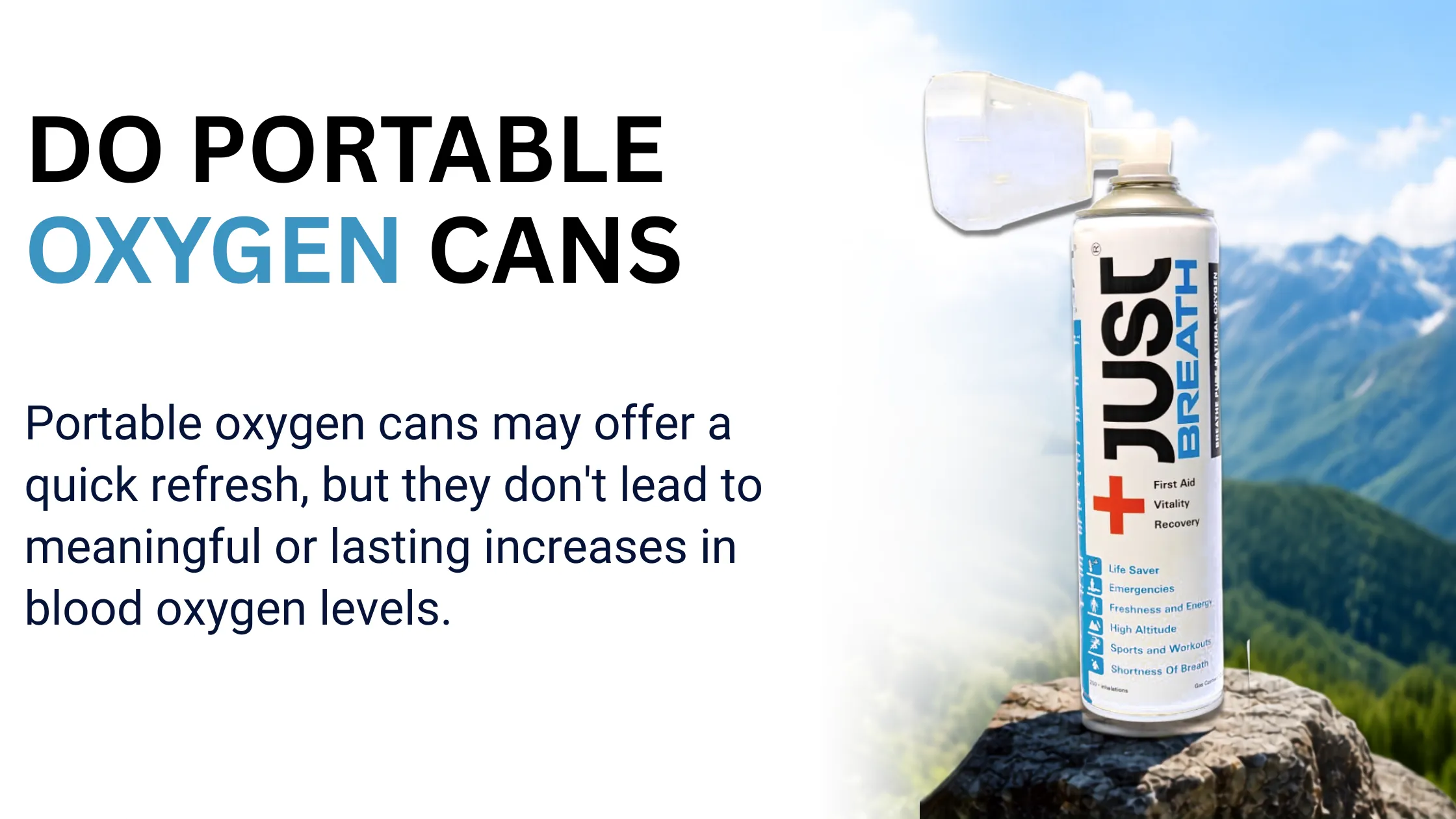
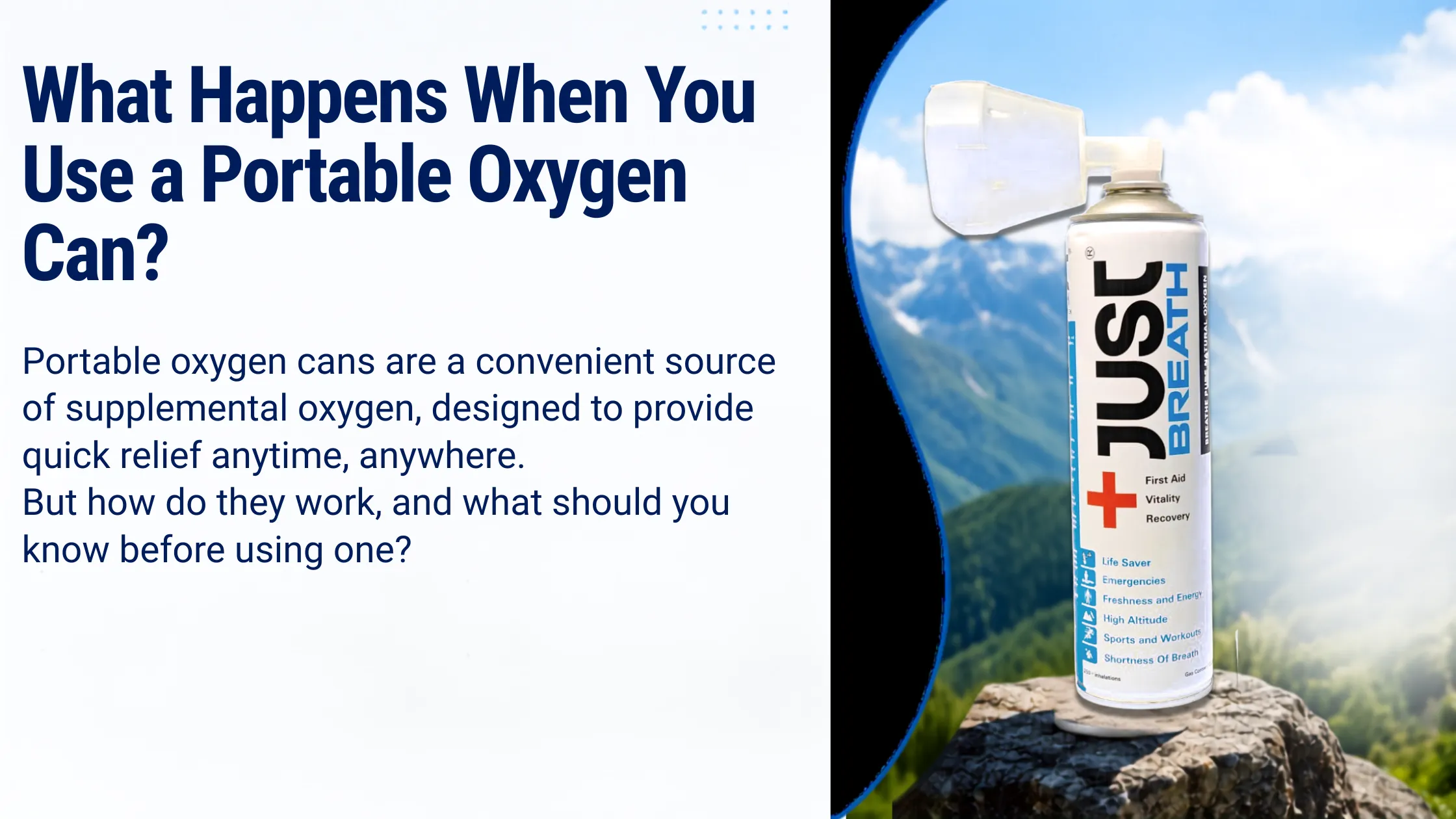
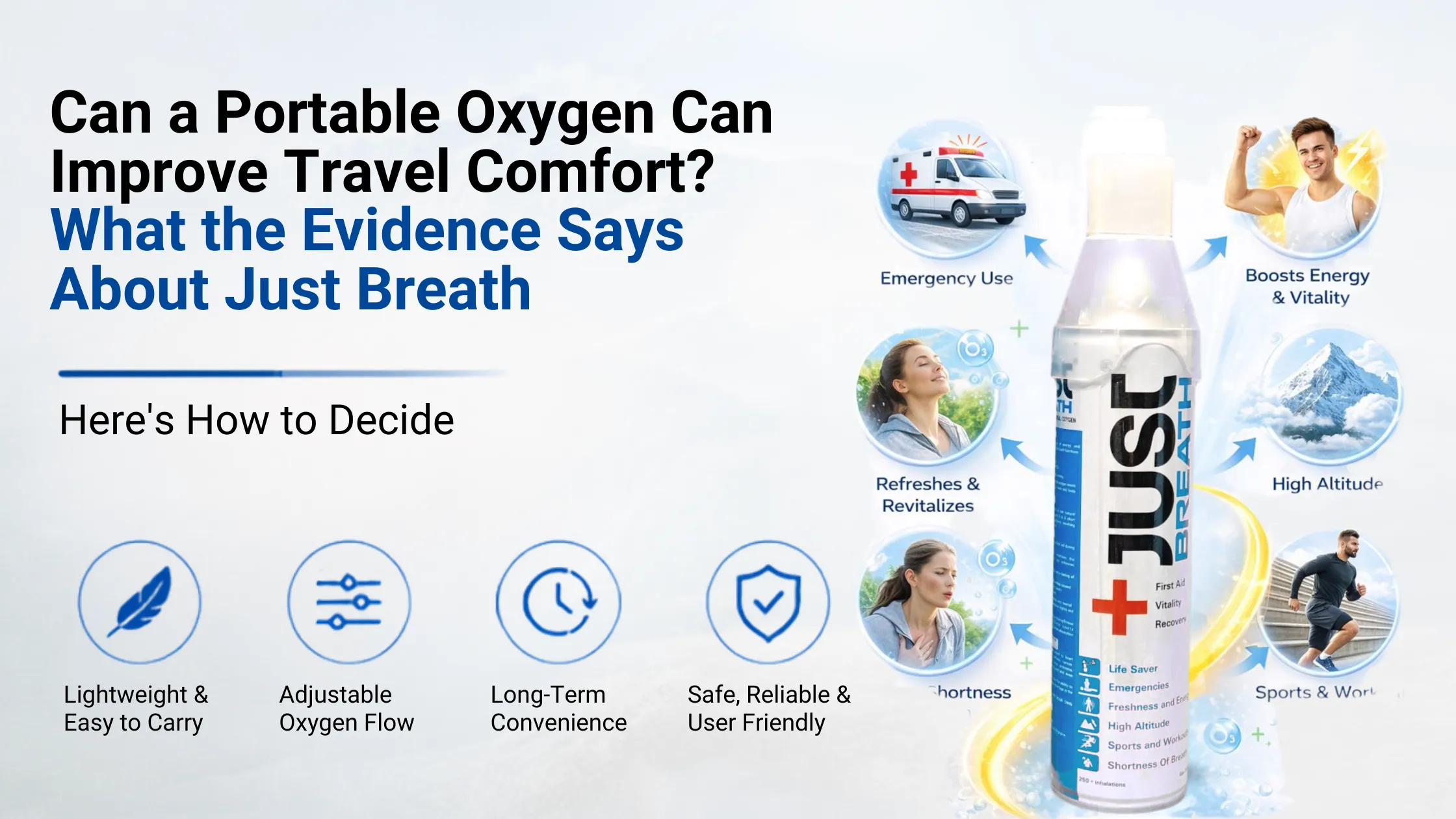
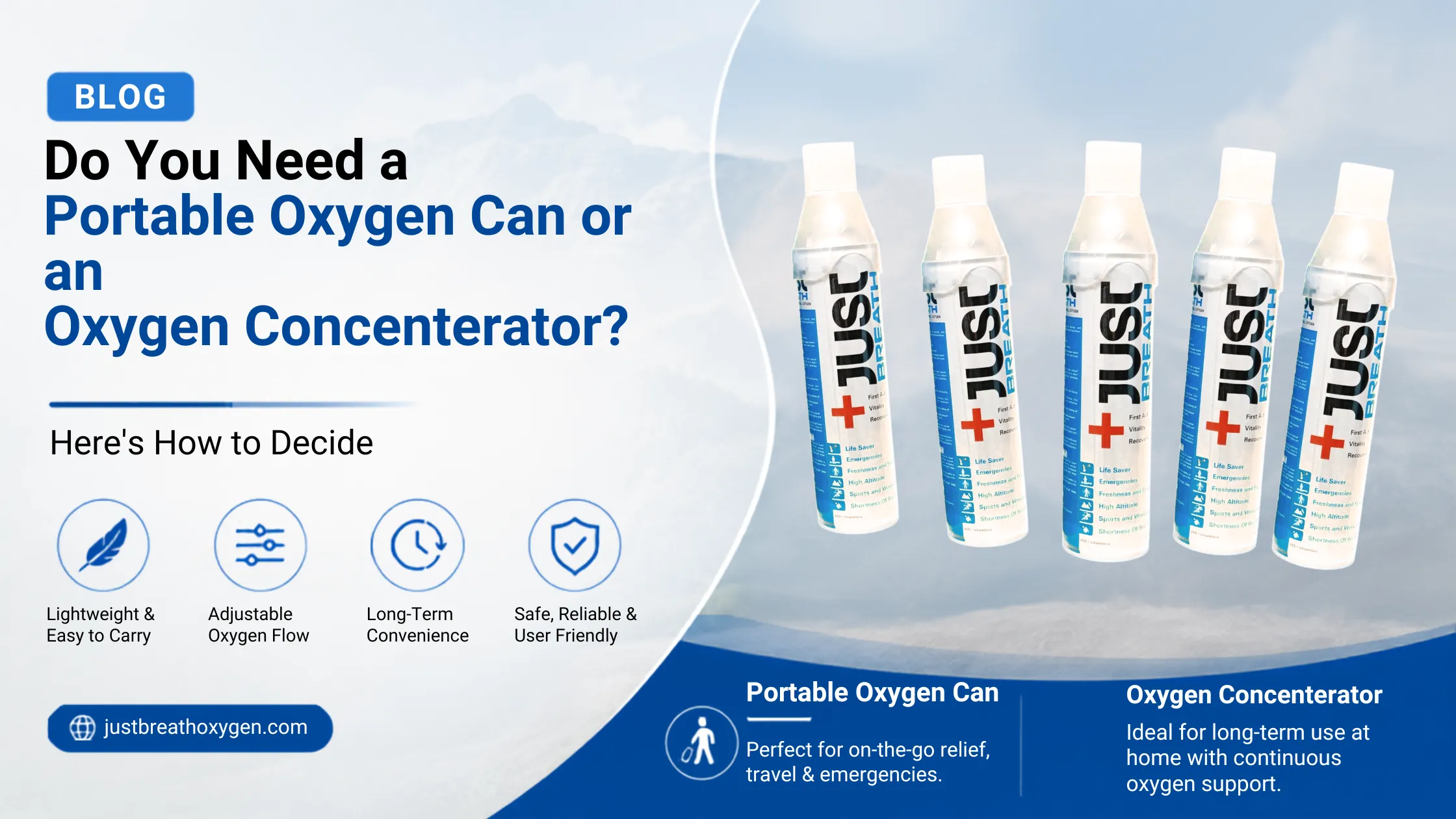
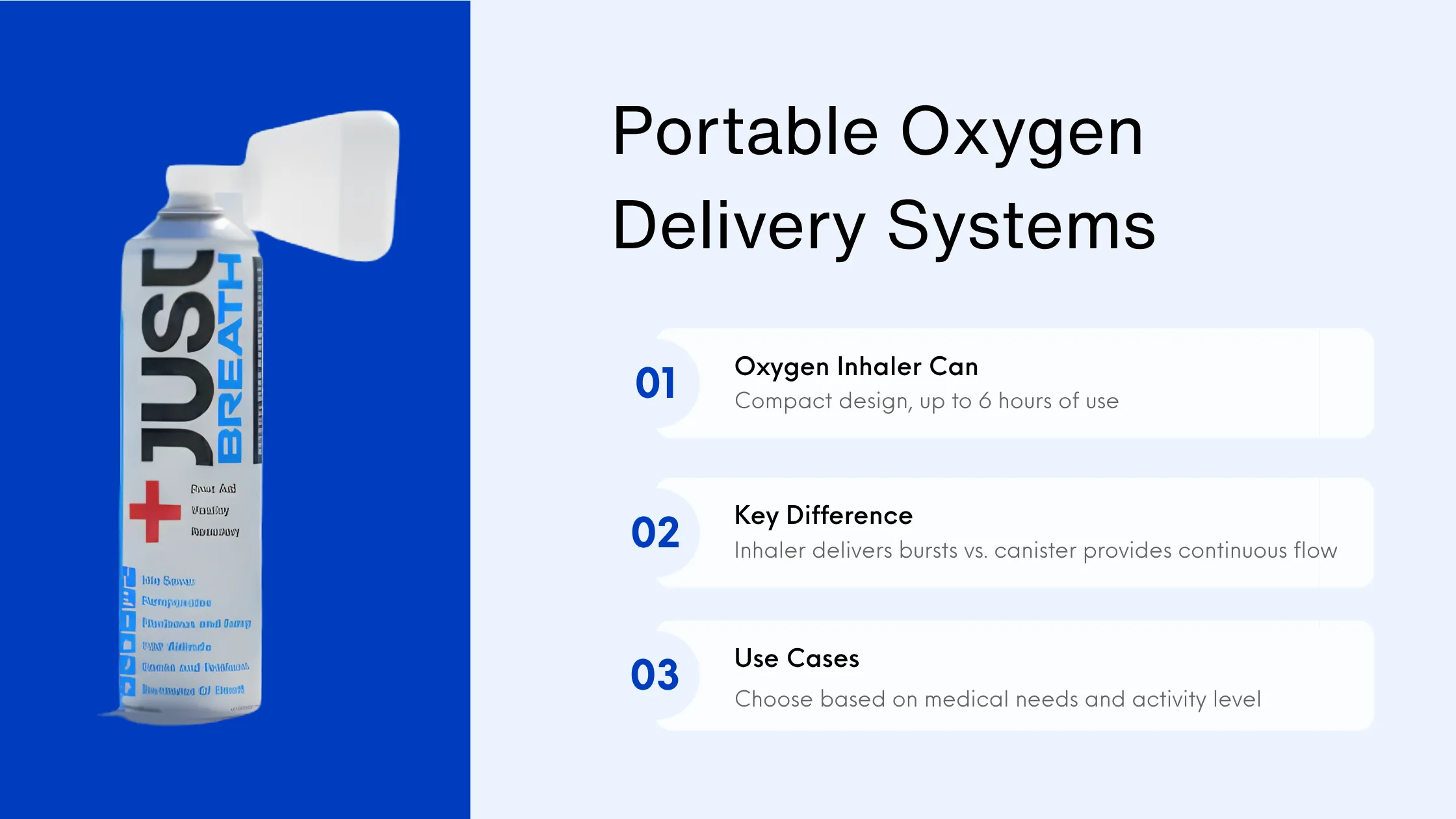
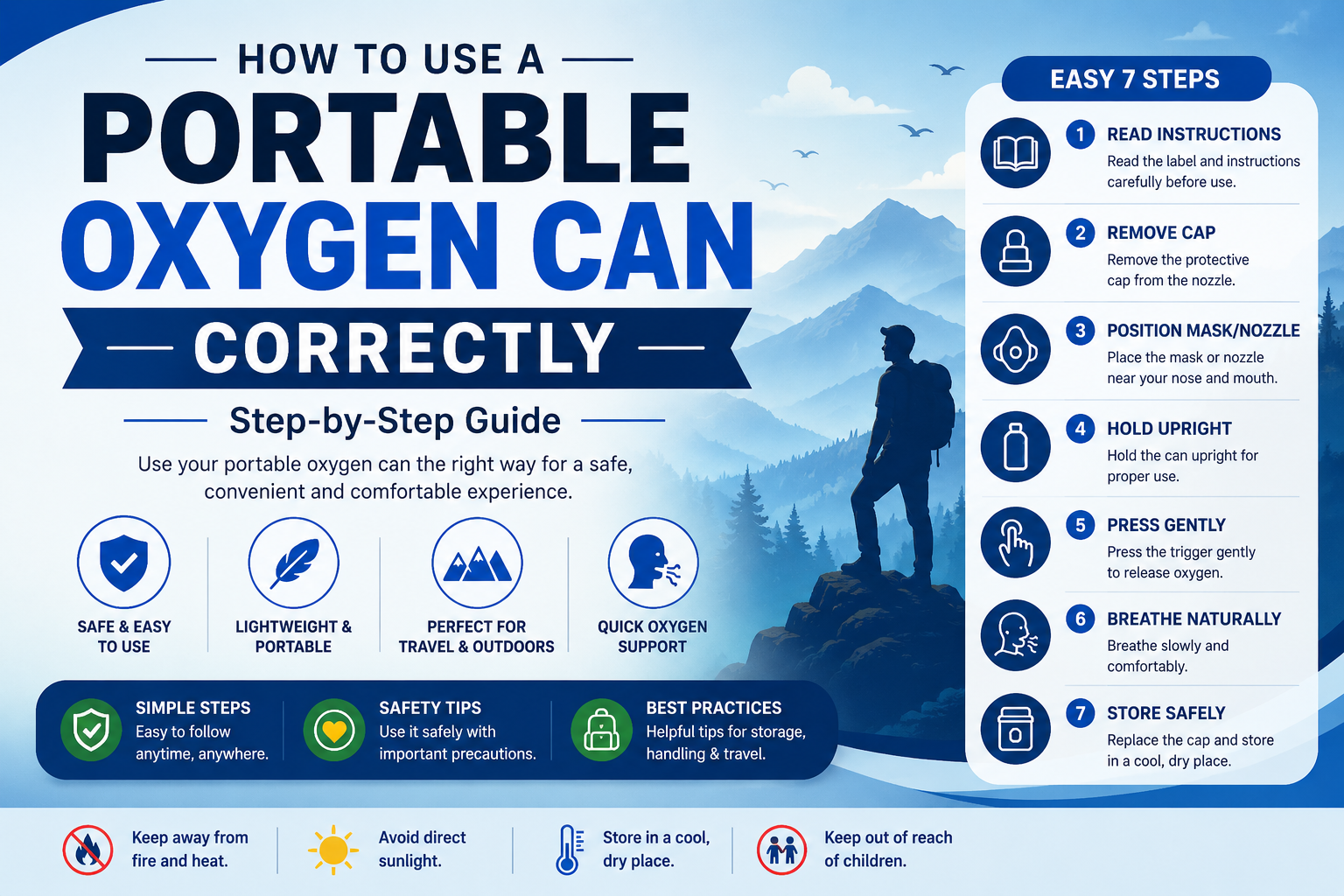
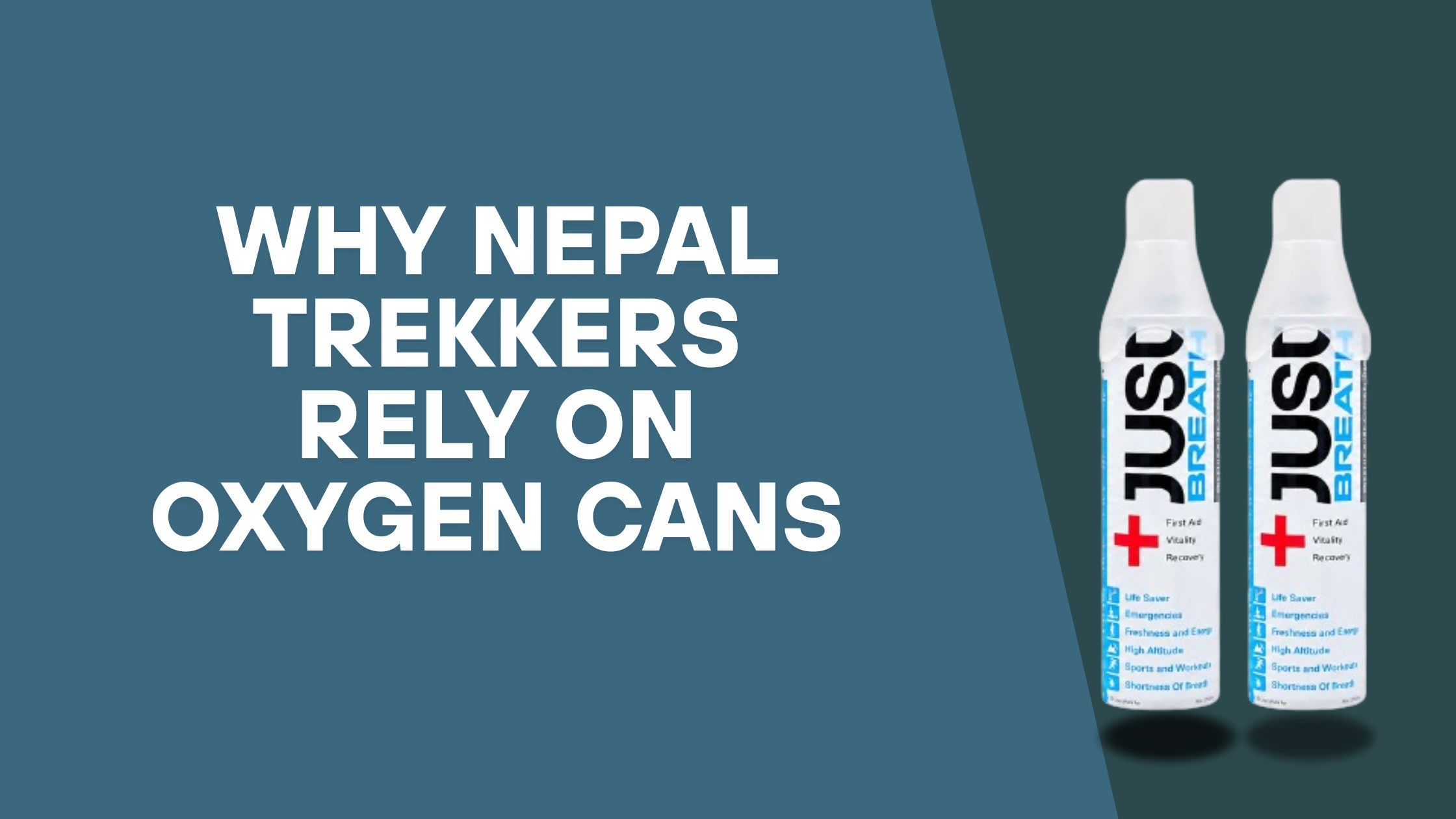
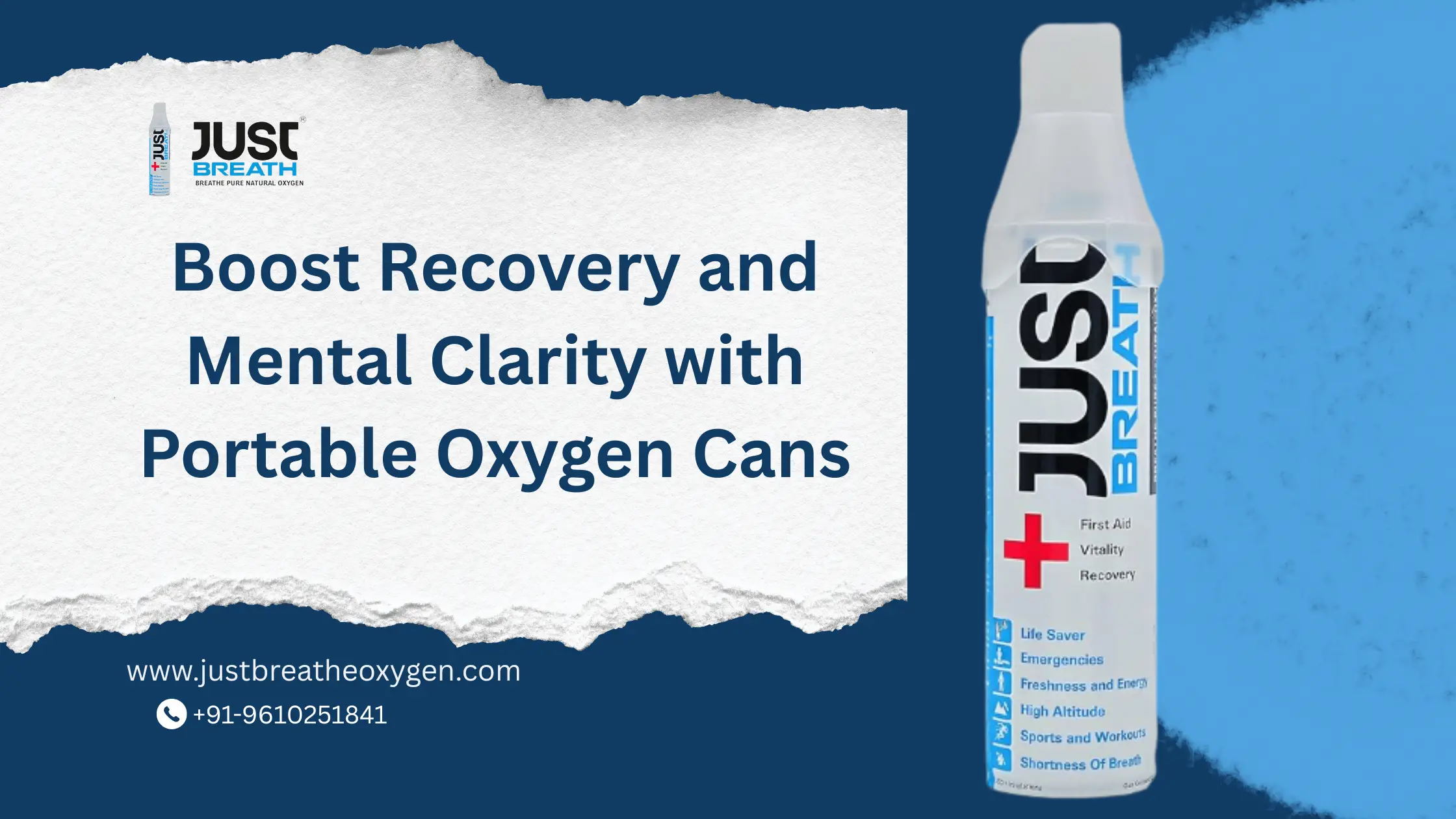
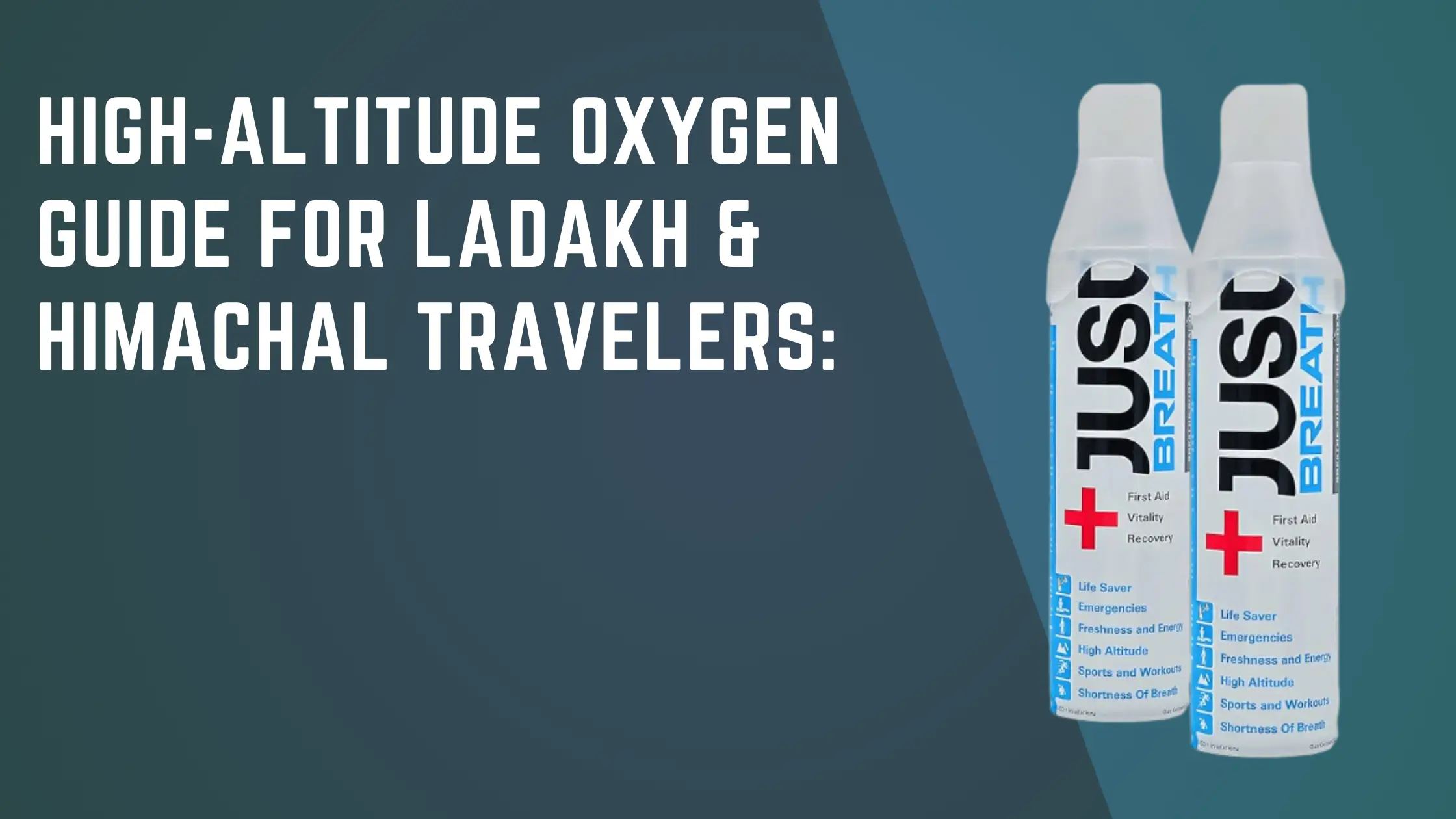
Portable oxygen products can provide temporary support during situations where travelers experience breathlessness or discomfort.
However, portable oxygen is not a replacement for emergency medical care or prescribed oxygen therapy.