Ever been halfway through a hike, a training session, or a long-haul flight and felt like your lungs just didn’t get the memo?
You’re not alone.
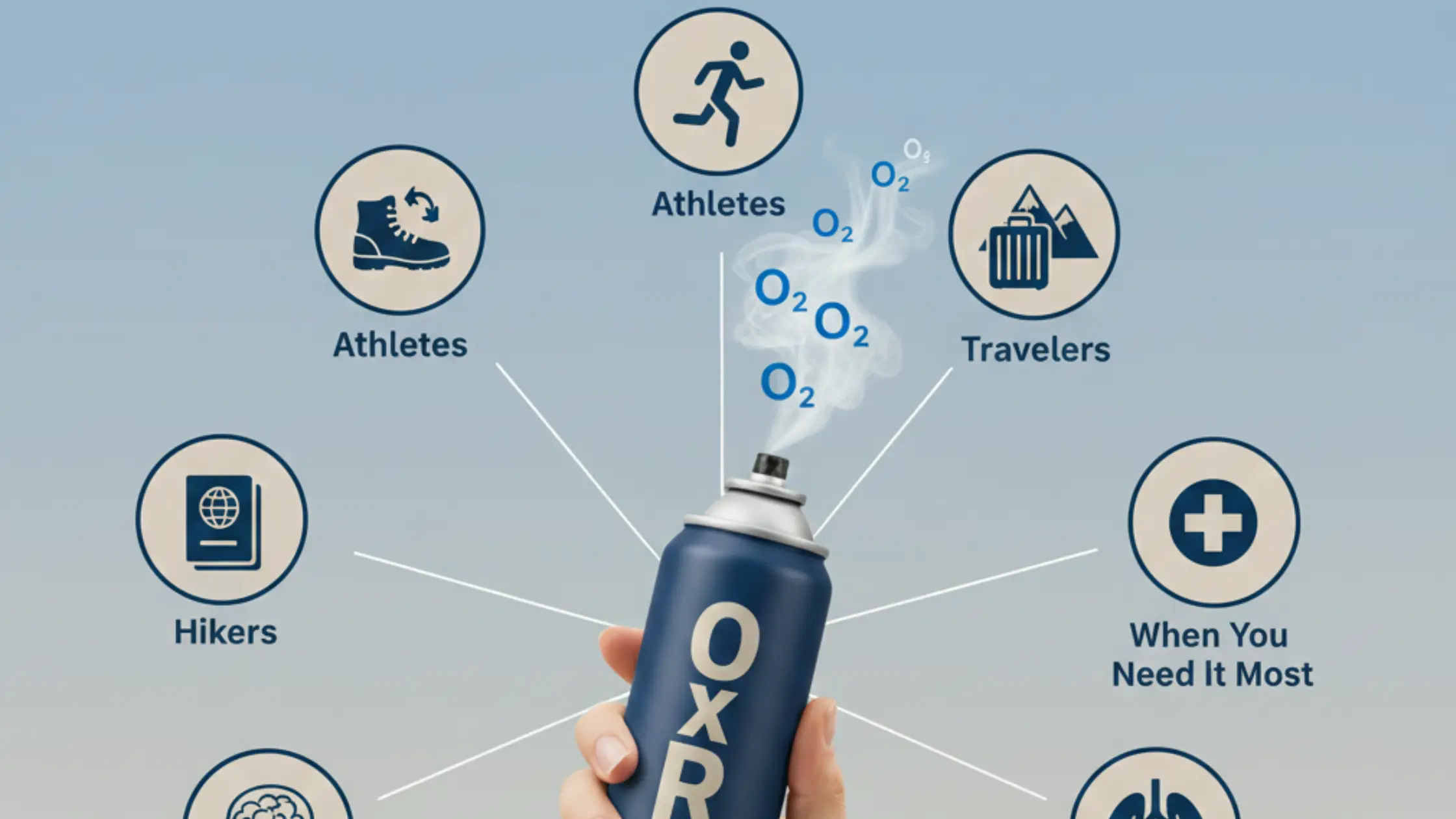
Whether you’re an athlete chasing a personal best, a hiker tackling your next summit, or a traveler jumping time zones, your body’s demand for oxygen spikes—and that’s when things can get real. Oxygen Support for Athletes is becoming an increasingly popular way to help maintain energy, improve recovery, and stay prepared during physically demanding activities.
Let’s talk about it.
The Oxygen Factor: Why It Matters
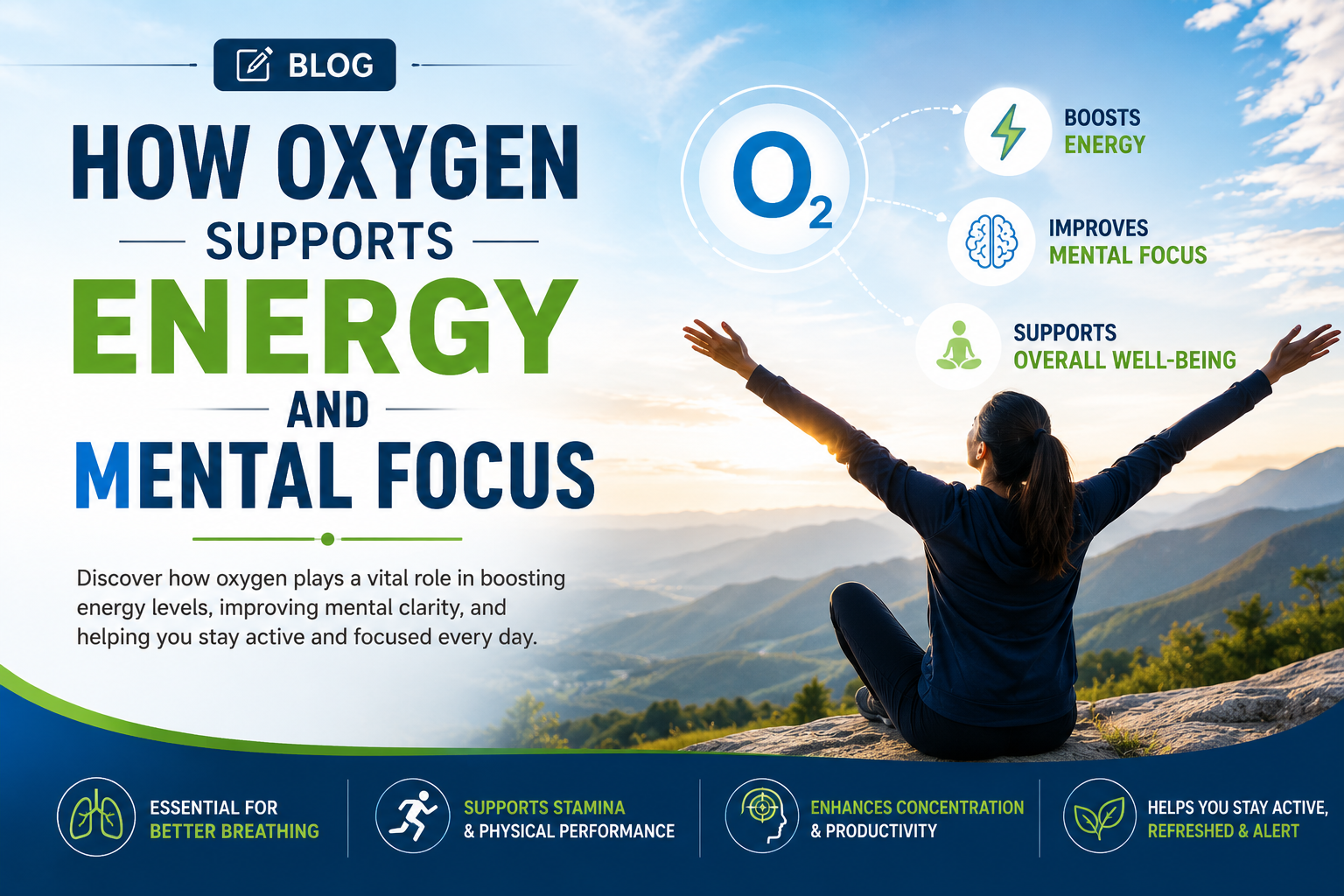
Oxygen is life—literally. Every cell in your body relies on it to create energy. When you’re resting, your body hums along at a comfortable pace, but when you’re pushing physical or mental limits, your oxygen demand increases significantly. And when your supply doesn’t keep up, fatigue, dizziness, shortness of breath, and mental fog can set in fast.
That’s why supplemental oxygen isn’t just something you see in hospitals or mountaineering documentaries anymore. It’s becoming a smart, portable tool for active people who want to recover faster, feel sharper, and stay safer. Oxygen Support for Athletes has become an increasingly popular wellness solution for those who want to maintain peak performance during demanding activities.
Let’s break it down by who benefits most.
Oxygen Support for Athletes: The Edge in Every Breath
If you’re looking to improve endurance, speed up recovery, and maintain peak performance, Oxygen Support for Athletes can make a noticeable difference during intense training sessions.
You’ve probably seen pro athletes in recovery rooms or on the sidelines with oxygen masks or cans—and there’s a reason for that.
During intense exercise, muscles burn through oxygen quickly. This leads to a buildup of lactic acid, fatigue, and decreased performance. That’s why many athletes choose Portable oxygen for sports solutions and Sports oxygen can products to support recovery after demanding workouts.
Supplemental oxygen helps by:
- Supporting quicker recovery after intense effort
- Reducing muscle fatigue
- Improving endurance and stamina
- Enhancing mental clarity and focus, especially during long or high-pressure sessions
A Portable oxygen can for athletes is a game-changer here. Instead of waiting for your body to catch up, a few deep breaths from a canister can give you a quick lift and help you bounce back faster, whether you’re on the track, in the gym, or mid-competition. This practical approach to Oxygen Support for Athletes is becoming increasingly popular among runners, cyclists, fitness enthusiasts, and endurance competitors.
For Hikers: High Altitudes, Low Oxygen
If you’ve ever climbed a mountain or even hiked in the hills, you know the moment it hits you—that dizzy, slightly breathless feeling that comes with thinner air.
At higher elevations, there’s simply less oxygen in the air. Your body tries to adapt, but that takes time, and sometimes the lack of oxygen can cause:
- Headaches
- Shortness of breath
- Nausea
- Fatigue
- Altitude sickness in more serious cases
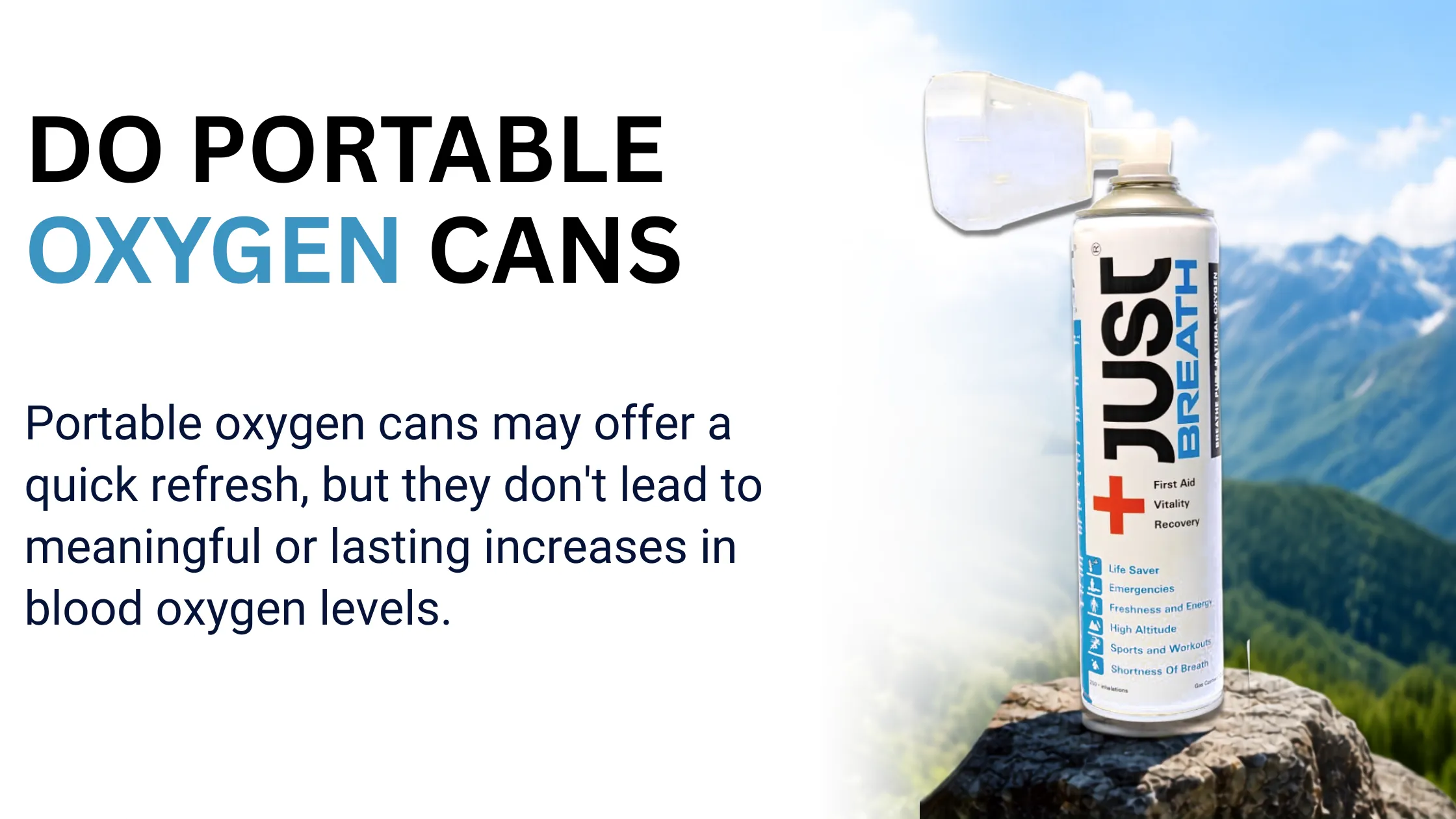
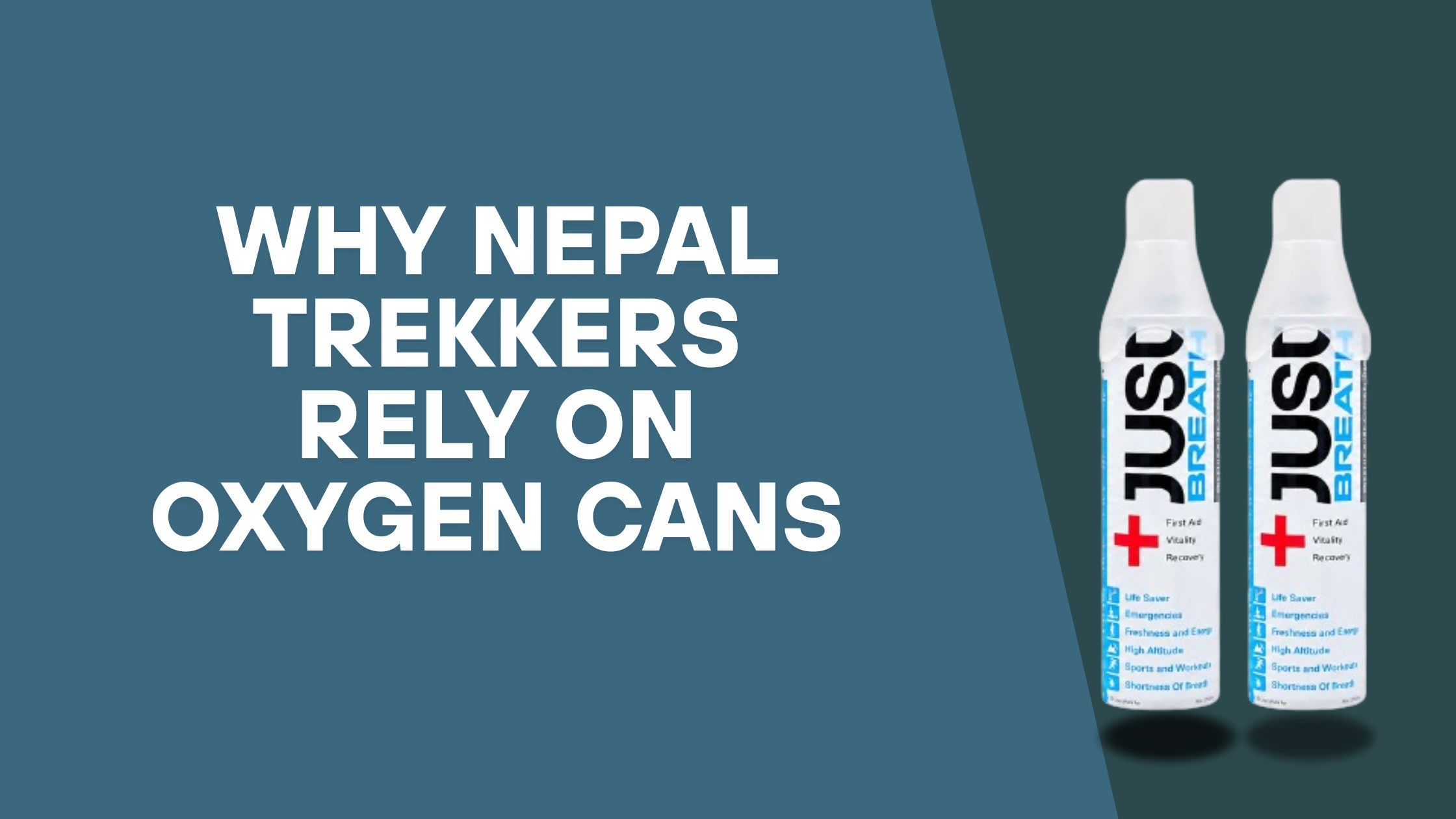
Carrying a portable oxygen can on your hike is like carrying a safety net. It helps bridge the gap between your body’s oxygen demand and the reduced supply at altitude. Plus, it’s lightweight, easy to use, and gives peace of mind when you’re miles from help.
For casual weekend hikers to serious trekkers, it’s a small addition to your gear that can make a big difference in comfort and safety.
For Travelers: Fighting Fatigue and Jet Lag
Ah, the joys of air travel. Hours in a cramped cabin, recycled air, fluctuating pressure—and you land feeling like a zombie.
One of the hidden culprits? Mild hypoxia, or reduced oxygen availability, common in airplane cabins pressurized to around 6,000–8,000 feet above sea level. That lower oxygen level can lead to:
- Fatigue and sluggishness
- Poor concentration
- Dry mouth or slight headaches
- Worsened jet lag
A few controlled breaths of pure oxygen can help offset these effects. Think of it as a natural pick-me-up. No caffeine jitters. No sugar crashes. Just real oxygen your body can use to feel normal again.
Some travelers also find oxygen helpful when dealing with anxiety during flights or when adjusting to new climates and altitudes quickly.
The Science Behind Oxygen Support
Research has shown that short-term use of supplemental oxygen can improve oxygen saturation in the blood, decrease perceived exertion, and aid recovery. While Oxygen therapy for athletes & Protable oxygen can is generally reserved for specific medical or professional settings, portable oxygen products can offer temporary support during periods of high physical or environmental stress. They are not a substitute for proper acclimatization or prescribed medical treatment, but they can be a convenient wellness tool for active individuals.
Think of it as first aid for your breath. This growing interest in
reflects the increasing focus on faster recovery and enhanced physical performance.
Why Portability Matters
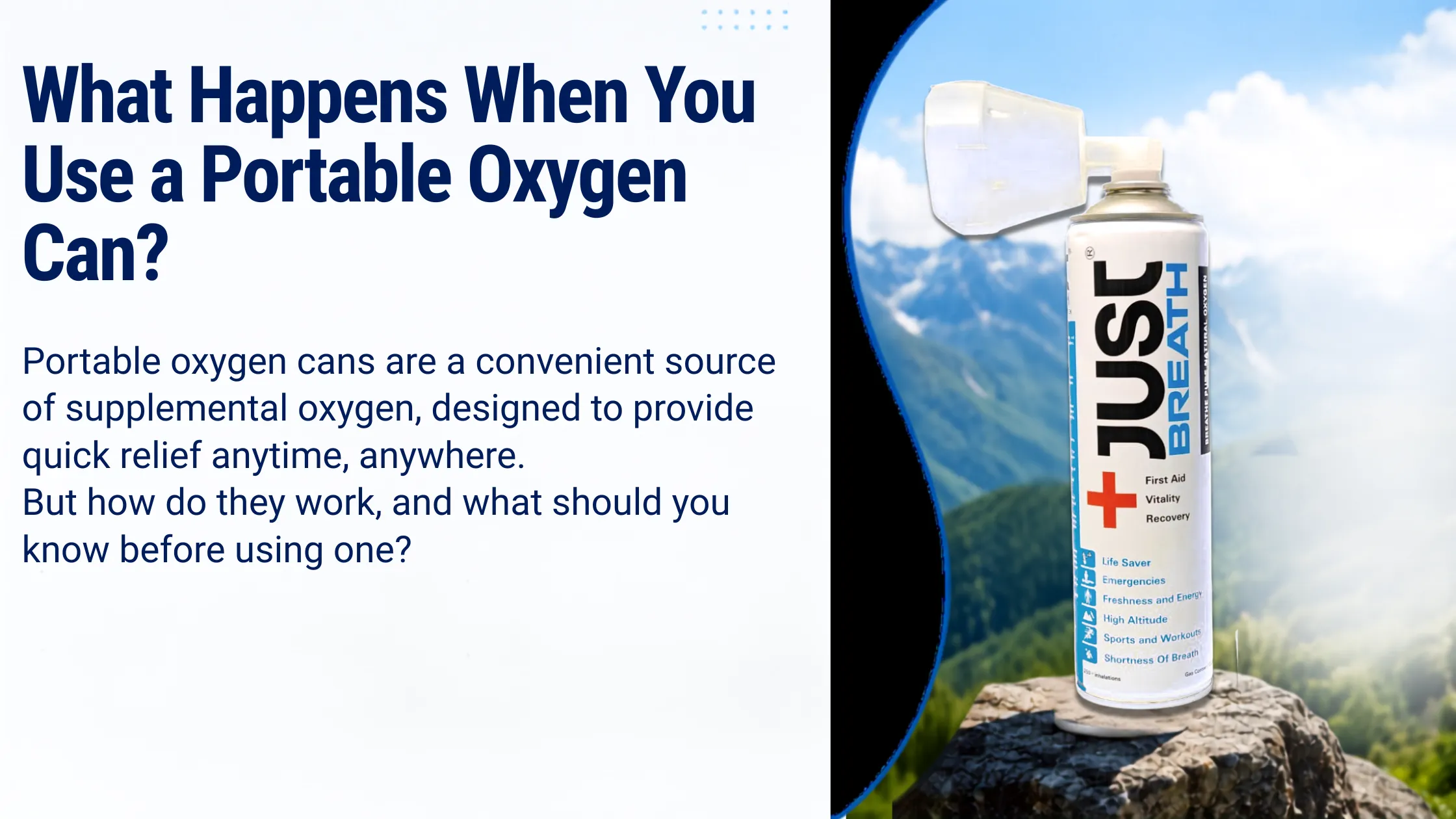
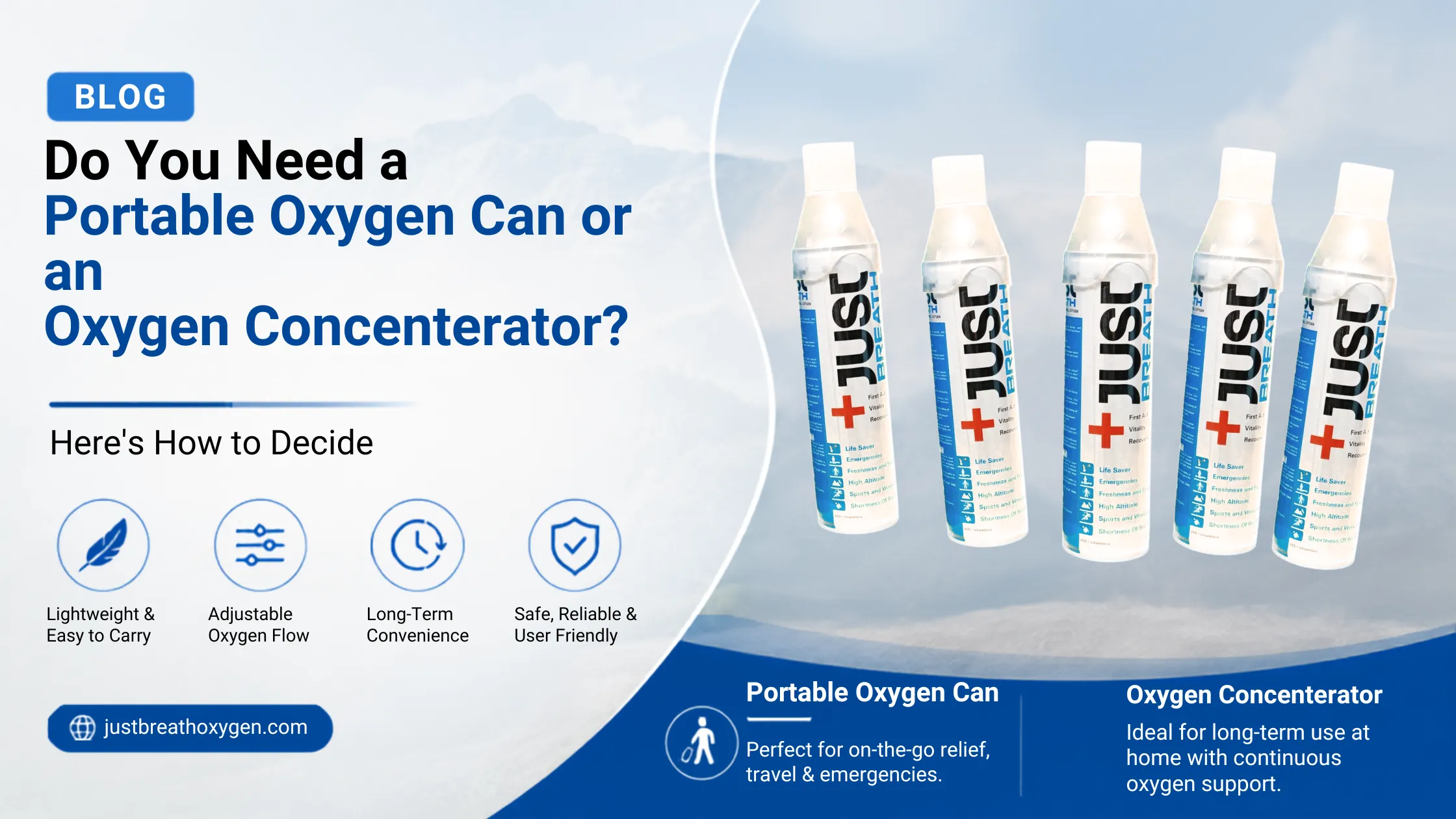
Traditional oxygen delivery systems—like tanks or concentrators—are bulky, medical-grade, and not practical for everyday use. That’s where portable oxygen cans come in.
They’re:
- Lightweight – Easily stashed in a backpack, gym bag, or carry-on
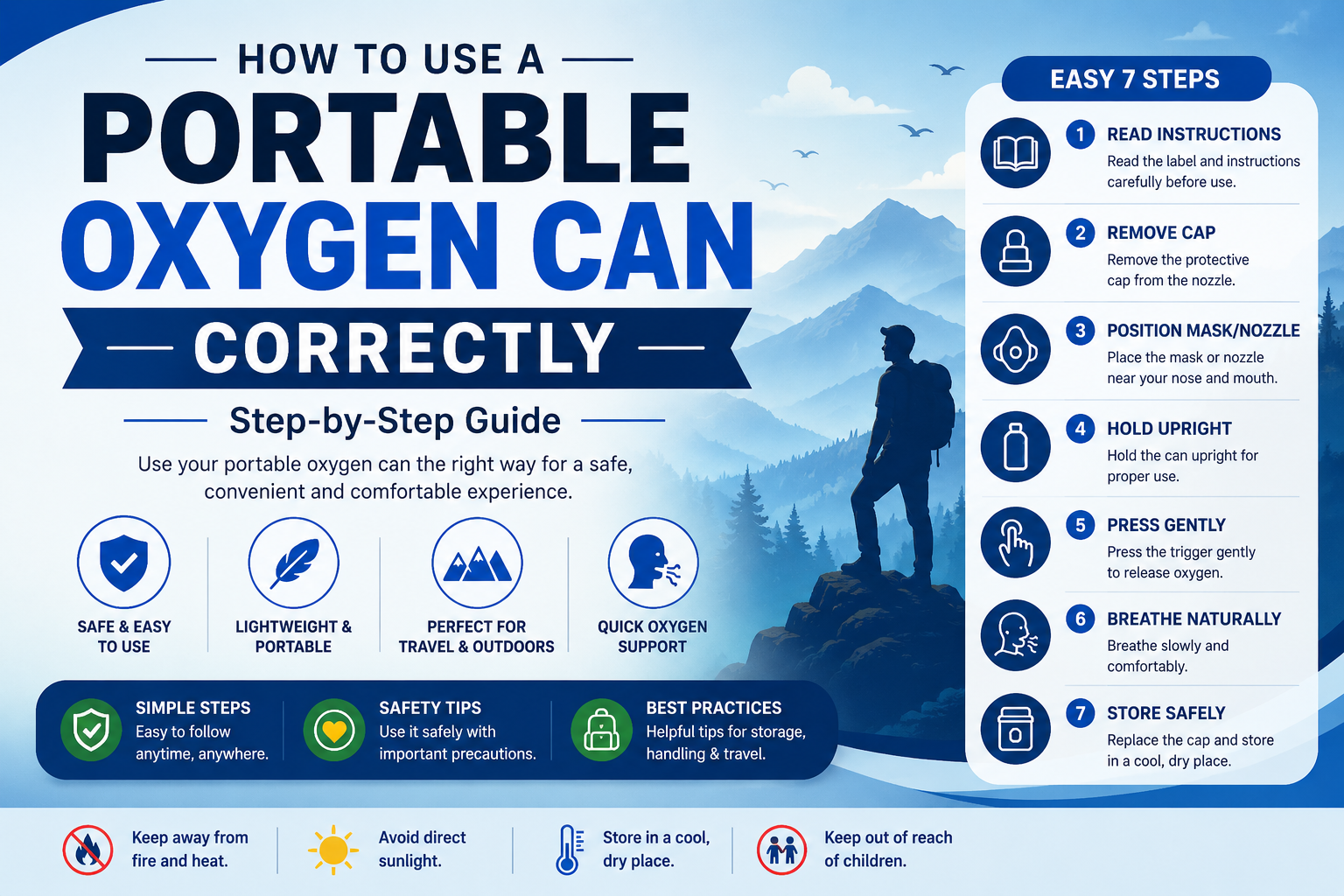
- Simple to use – Just press, inhale, and go
- Non-prescription – No need for medical approval for general wellness use
- Affordable – Compared to traditional systems or recovery devices
For people who live an active, adventurous life, this kind of accessibility is key. Whether you’re training, trekking, or traveling, Oxygen Support for Athletes and outdoor enthusiasts has never been more convenient.
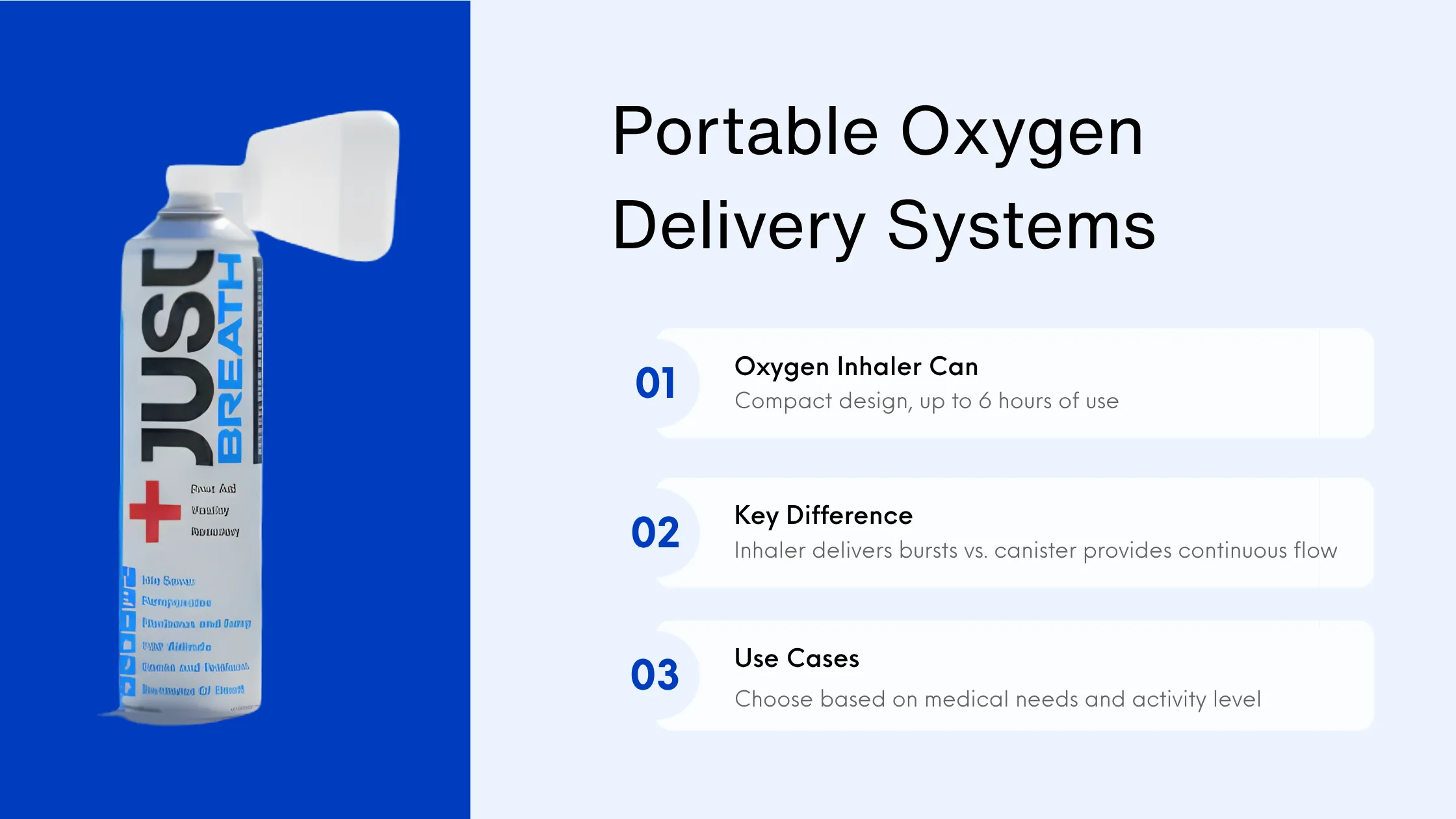
Just Breath Oxygen Can: Smart Support on the Go
Here’s where the Just Breath Oxygen Can stands out.
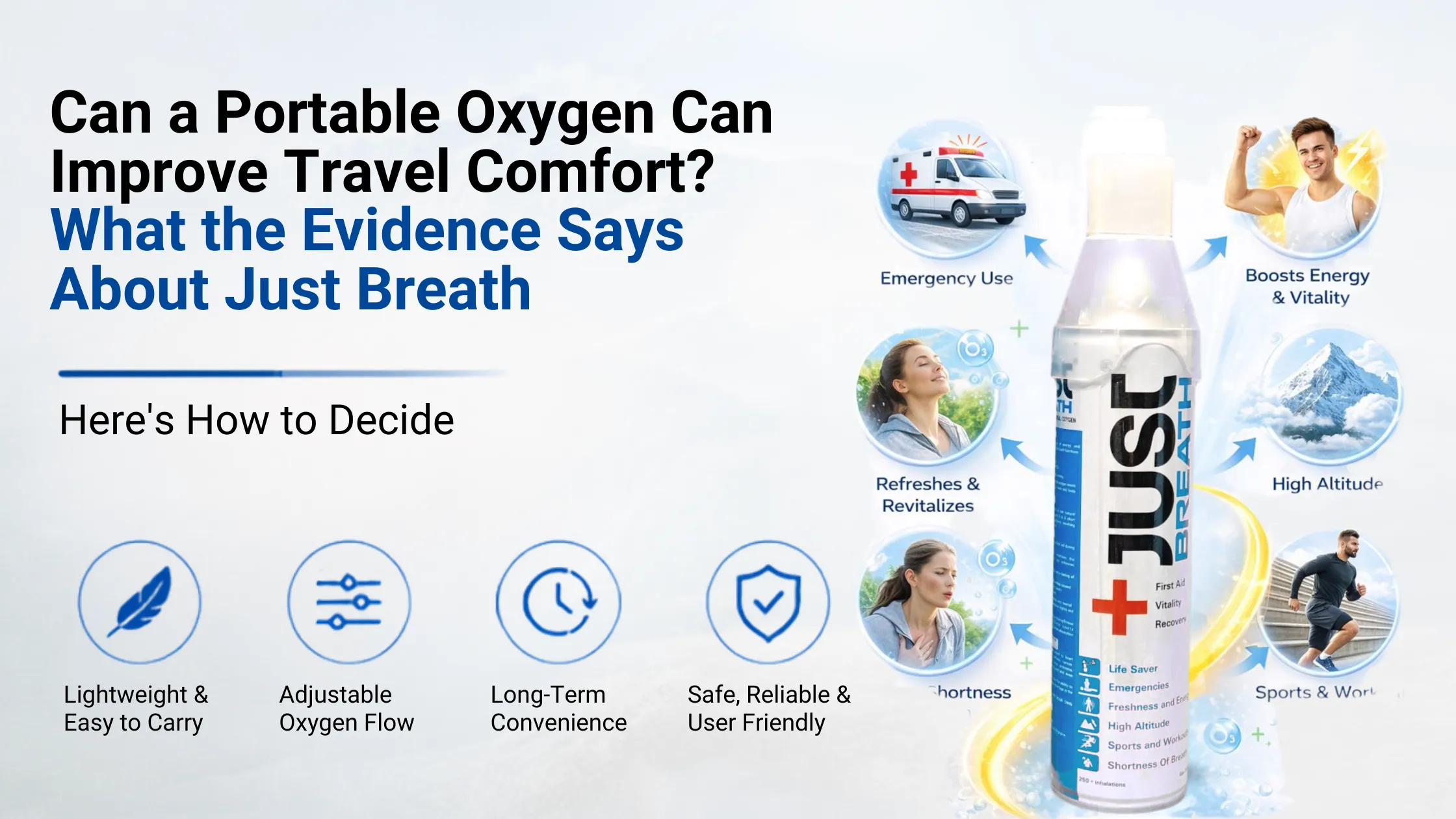
Designed with active lifestyles in mind, this sleek, easy-to-use canister delivers pure, medical-grade oxygen in a form that’s safe, portable, and refreshingly simple. Whether you’re sprinting, scaling, or soaring, it’s the perfect sidekick for your lungs.
And it’s not just about performance—it’s about peace of mind.
Each can of Just Breath is:
- Filled with high-purity oxygen
- Easy to use with one-hand operation
- Compact and recyclable
- Manufactured under stringent quality standards
Yep, Speciality Geochem isn’t new to this game. They’ve built their reputation on creating health and wellness solutions with precision and safety at the core. Every canister is quality-checked and backed by research, so you know you’re getting a product that’s not only effective but also trustworthy. For anyone seeking reliable Oxygen Support for Athletes, hikers, or frequent travelers, Just Breath offers a practical and dependable solution.
Final Thoughts: Breathe Better, Live Better
In a world where we push harder, climb higher, and travel farther, the basics still matter—and nothing is more basic than breath.
Whether you’re training for a marathon, exploring mountain peaks, or hopping across time zones, oxygen can be the missing piece in your wellness routine. It’s not about shortcuts—it’s about giving your body the support it needs when it needs it most.
With Just Breath Oxygen Can, manufactured by Speciality Geochem, you’re not just getting a breath of fresh air. You’re getting a smart tool, designed for real life. If you’re looking for effective Oxygen Support for Athletes, hikers, and travelers, choosing a trusted portable oxygen solution can help you stay energized, recover faster, and keep moving toward your next adventure.