Discover JustBreath Oxygen for drivers and riders. Explore travel wellness tips, learn about portable oxygen and its safe use, and understand how to recognize breathing difficulties on the road. Prioritize safety and seek medical help when needed.
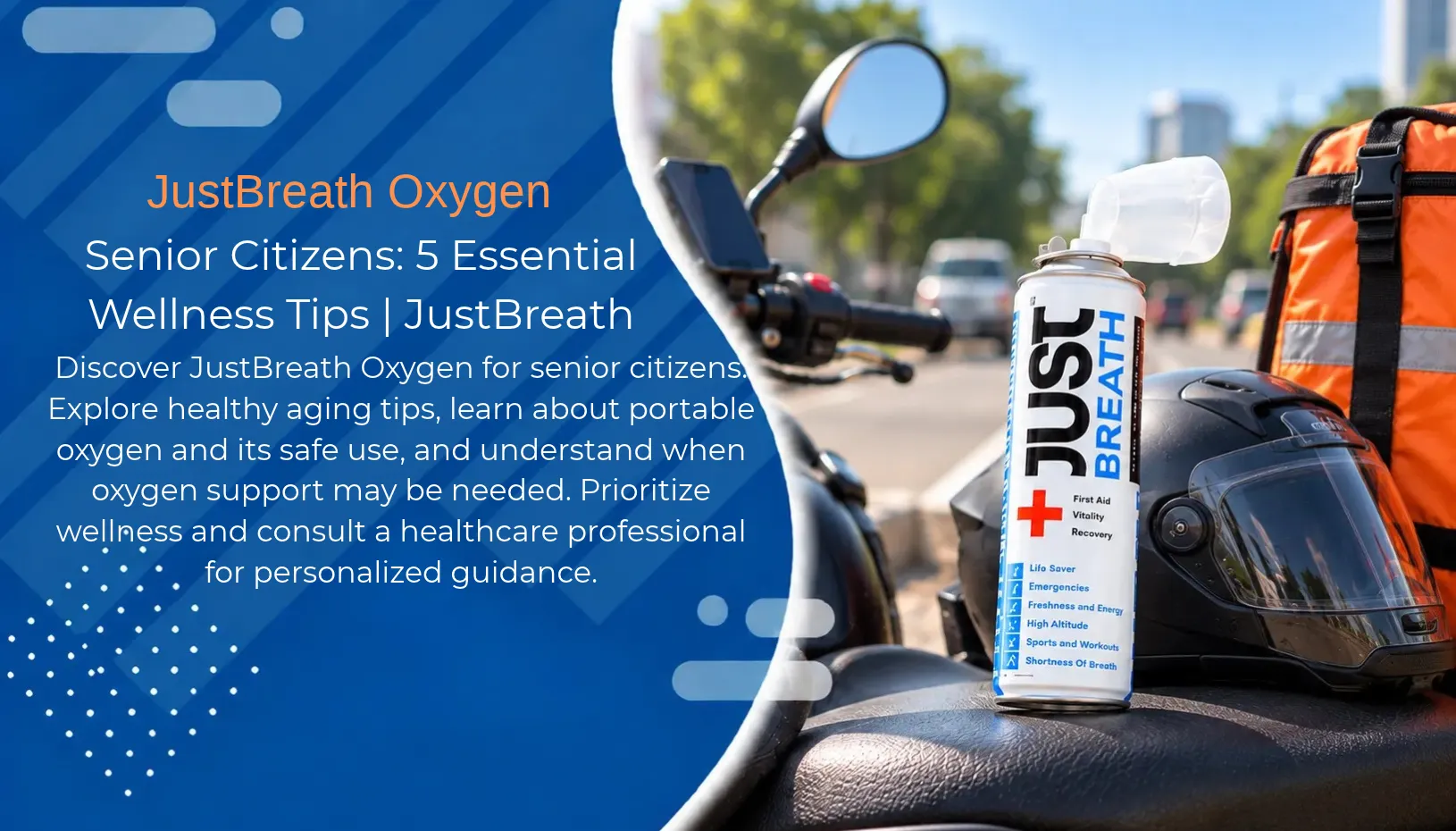
Long highway journeys, daily commutes and adventurous motorcycle trips can be physically demanding. Spending hours on the road may leave you feeling tired, especially when you have not slept well or taken regular breaks. For riders travelling through mountainous regions, changes in altitude can also affect breathing.
A Portable Oxygen Can is a compact oxygen product designed for specific uses according to its manufacturer’s instructions. Drivers and riders interested in portable oxygen products should understand their intended purpose, storage requirements and limitations before carrying one. It is important to remember that supplemental oxygen is not a remedy for fatigue, and it should never replace rest, safe driving habits or medical assistance when needed.
Long-distance travel often involves extended sitting, repetitive road conditions, traffic congestion and irregular meal or sleep schedules. These factors can contribute to fatigue and discomfort. Motorcyclists may also encounter dust, exhaust fumes, wind and changing weather conditions.
Taking planned breaks, drinking water, stretching and getting sufficient sleep are practical ways to manage travel fatigue. If the air inside a vehicle feels stuffy, improve ventilation when it is safe to do so.
A Portable Oxygen Can should not be treated as a solution for drowsiness or exposure to vehicle exhaust. If you feel sleepy, dizzy or unwell, stop travelling safely and assess the situation.
An oxygen can for drivers or a small oxygen canister may appeal to people who spend long hours travelling, including truck drivers, taxi operators, delivery professionals, and families on road trips. These compact, portable products are easy to carry and store, making them convenient for travel when appropriate for the intended use. The suitability of a product depends on its specifications and usage instructions. Drivers should prioritise adequate rest, hydration, and safe driving practices, as portable oxygen products are not a substitute for sleep or medical care.
Professional drivers often work long shifts and travel through changing road and weather conditions. Planning rest stops, maintaining a suitable sleep schedule and staying hydrated are essential parts of road safety.
A Portable Oxygen Can may be carried where appropriate, provided it is stored and used according to the manufacturer’s directions. However, it cannot restore alertness lost through sleep deprivation. Drivers should never rely on oxygen products to continue a journey when they are too tired to drive safely.
Families travelling long distances may prefer to organise a vehicle safety kit with drinking water, basic first-aid supplies and emergency contact information. A portable oxygen product may be considered for an appropriate use case after reviewing its instructions and safety requirements.
If a passenger develops sudden or severe breathing difficulties, chest pain, confusion or bluish lips, contact emergency services immediately. Do not delay medical care to locate or use an oxygen can.
An oxygen can for bikers may be considered by motorcycle enthusiasts planning long-distance tours, including journeys through Himalayan regions. At higher altitudes, lower oxygen availability can cause altitude-related symptoms in some travellers, particularly when they ascend too quickly.
A Portable Oxygen Can should not be assumed to prevent or treat altitude sickness. Riders should ascend gradually where possible, recognise symptoms and seek medical advice if they become unwell.
Before a mountain journey, plan overnight stops, check weather and road conditions, carry appropriate protective gear and allow time to acclimatise. Avoid riding if you experience dizziness, confusion, unusual breathlessness or impaired coordination.
If symptoms suggest altitude illness, stop ascending and seek medical guidance. Severe symptoms require urgent medical assistance and may require descent under appropriate guidance. A small consumer oxygen can is not a substitute for medical oxygen or emergency treatment.
Proper storage is essential when carrying a pressurised oxygen product in a car, truck or motorcycle luggage compartment.
In a car: Choose a secure location away from direct sunlight and heat.
In a truck or cab: Keep the product secured so it cannot roll or interfere with vehicle controls.
On a motorcycle: Use suitable luggage that protects the can from damage and movement.
During summer travel: Check the manufacturer’s temperature and storage limits before leaving.
Before every trip: Review the product instructions and ensure the container is in suitable condition.
Check Canister Size and Storage: Before carrying a small oxygen canister in your car, truck or motorcycle luggage, check its dimensions, storage-temperature limits and handling instructions. Keep it secure and away from excessive heat, flames and ignition sources.
Never store an oxygen can near flames, smoking materials, ignition sources or excessive heat. Do not leave it in a hot, closed vehicle unless the manufacturer specifically confirms that the storage conditions remain within its permitted limits.
Follow these precautions whenever travelling with a Portable Oxygen Can:
Never use it while driving or riding.
Park in a safe location before handling the product.
Never use oxygen as a way to overcome drowsiness.
Follow the manufacturer’s instructions for use and storage.
Keep oxygen products away from flames, sparks, oils and grease.
Do not share masks or mouthpieces unless the product instructions explicitly permit it with appropriate hygiene measures.
Seek medical assistance for sudden, severe or unexplained breathing problems.
Check Before Every Journey: If you carry a small oxygen canister, inspect its condition and follow the manufacturer’s instructions for safe transport, storage and use. Never handle or use it while driving or riding.
Depending on oxygen instead of taking a proper rest.
Leaving the can on a dashboard exposed to sunlight.
Assuming portable oxygen treats altitude sickness.
Continuing to ride despite dizziness or severe fatigue.
Ignoring product storage instructions.
Delaying emergency assistance when someone has serious symptoms.
A Portable Oxygen Can is a compact product that some drivers and motorcyclists may consider for suitable travel-related uses. Whether you are planning a highway drive, working long hours as a professional driver or preparing for a mountain tour, understanding the product’s intended use and safety requirements is essential.
An oxygen can for drivers or an oxygen can for bikers cannot replace adequate sleep, regular breaks, safe travel practices or professional medical care. Explore the range at Just Breathe Oxygen and review each product’s specifications before choosing one for your travel kit.
No. Never use an oxygen can while driving or riding. Park in a safe place before handling it and follow the manufacturer's instructions. Always prioritise road safety and avoid distractions.
No. A Portable Oxygen Can cannot replace sleep or treat drowsiness. If you feel sleepy, pull over safely and rest before continuing your journey. Never rely on oxygen to stay alert while driving.
An oxygen can should not be relied on to prevent or treat altitude sickness. Riders should acclimatise gradually and recognise symptoms. Severe breathlessness, confusion or difficulty walking requires urgent medical attention
Store your oxygen can securely, away from direct sunlight, excessive heat and ignition sources. Ensure it cannot roll under the pedals or interfere with vehicle controls. Always follow the product's storage instructions.
Truck drivers may carry a suitable product if its specifications and storage requirements permit. However, it cannot replace adequate sleep or rest breaks. Drivers who feel fatigued should stop safely rather than rely on oxygen
Some Portable Oxygen Can products are compact enough for suitable motorcycle luggage. Check the product's dimensions and weight, secure it against movement and protect it from impact and excessive heat during travel.
A consumer oxygen can is not a reliable substitute for medical treatment for altitude sickness. Stop ascending if symptoms develop and seek medical advice. Severe breathlessness, confusion or difficulty walking requires urgent care.
Excessive heat can pose a safety risk for pressurised containers. Follow the manufacturer's storage-temperature limits and avoid prolonged exposure to sunlight or a hot vehicle. Keep the can away from flames and ignition sources.