Discover JustBreath Oxygen for travel, fitness, mental clarity, and everyday wellness. Explore portable oxygen solutions for your active lifestyle, outdoor adventures, and on-the-go needs.
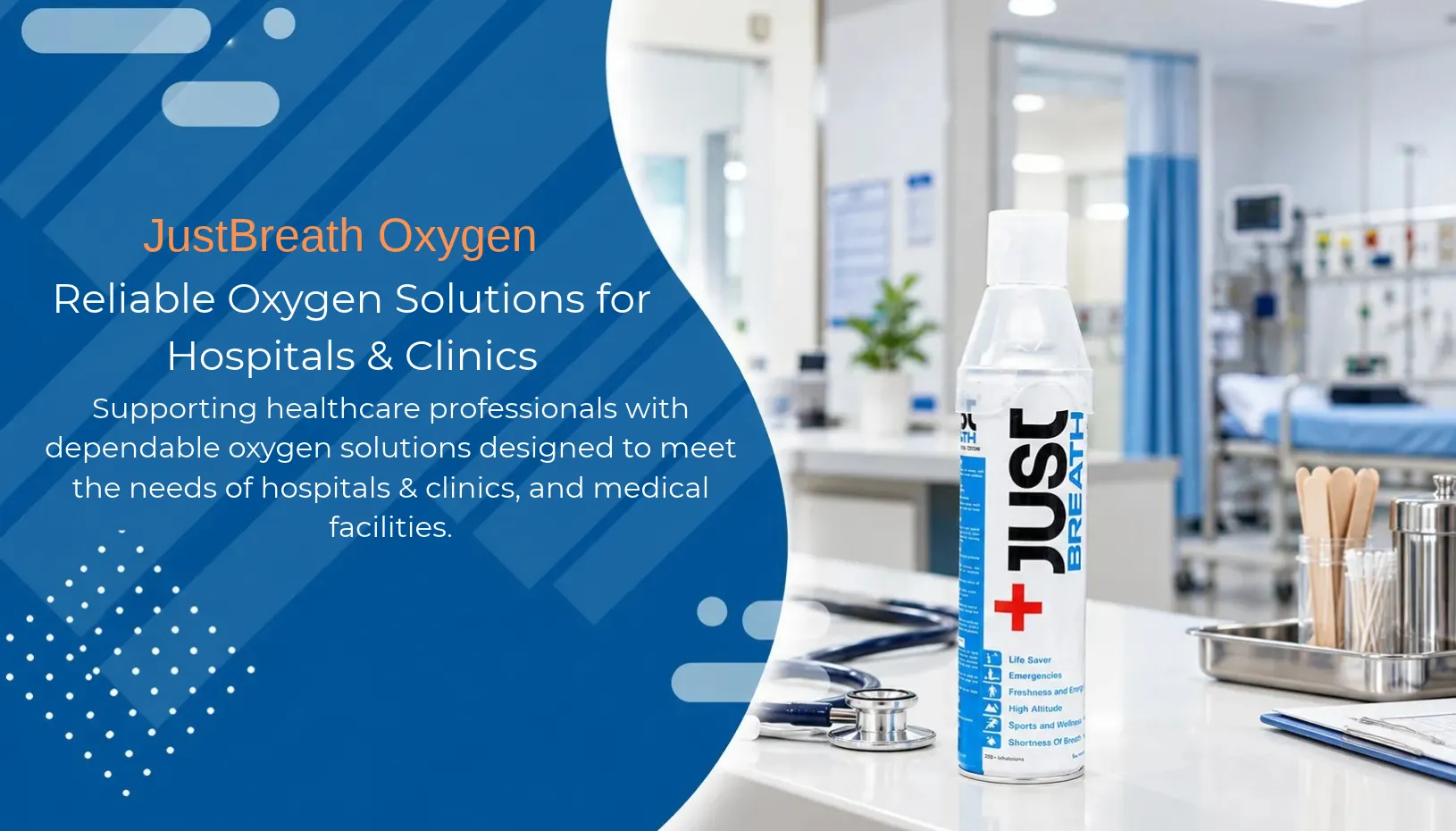
A portable oxygen can is for short top-ups of oxygen: a few puffs while resting on a high-altitude trek, after hard exercise, during a long drive, or as a backup in a first-aid kit while help arrives. It is not for treating illness or replacing oxygen a doctor has prescribed. Pick your situation below for practical advice on how many cans to keep, how to use them and when to get medical help.
Quick and convenient oxygen support for health, comfort, and performance.
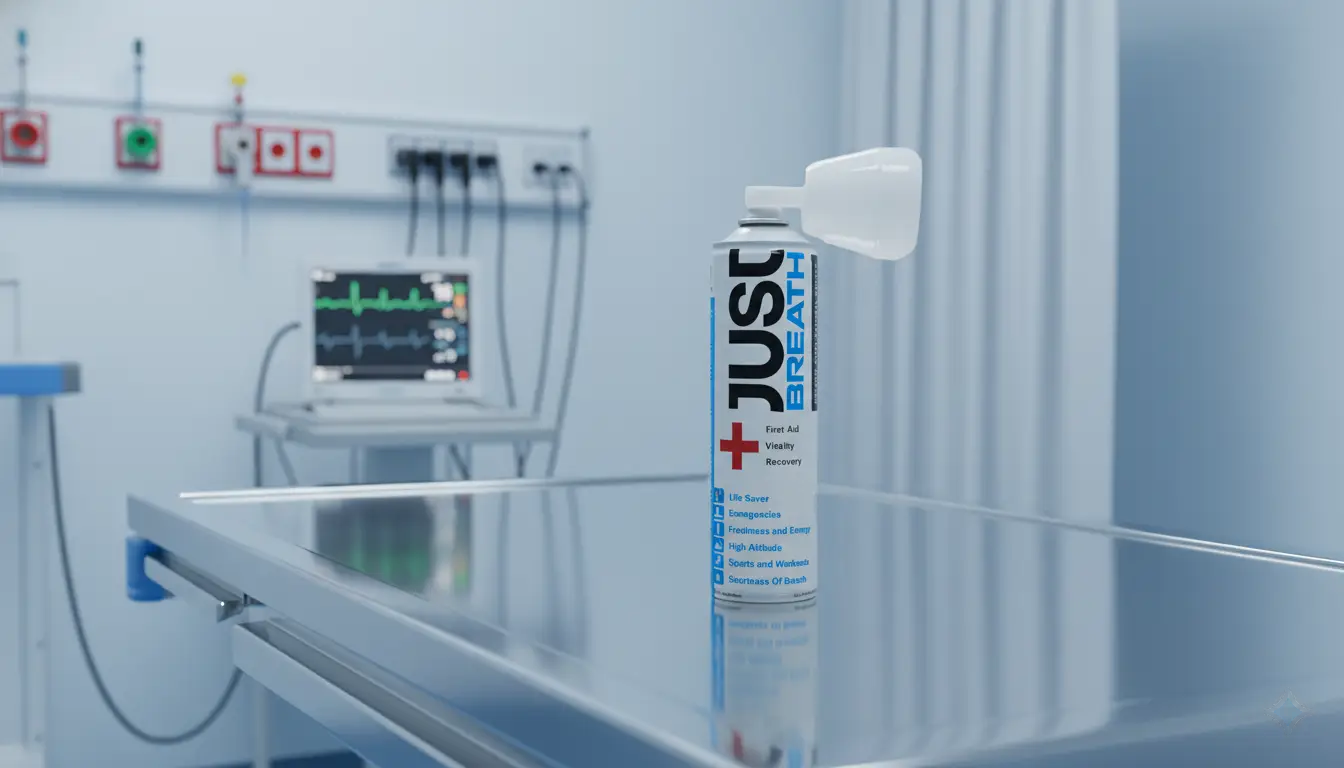
For patients with minor breathing issues or post-procedure support. A handy alternative when main oxygen isn't needed.
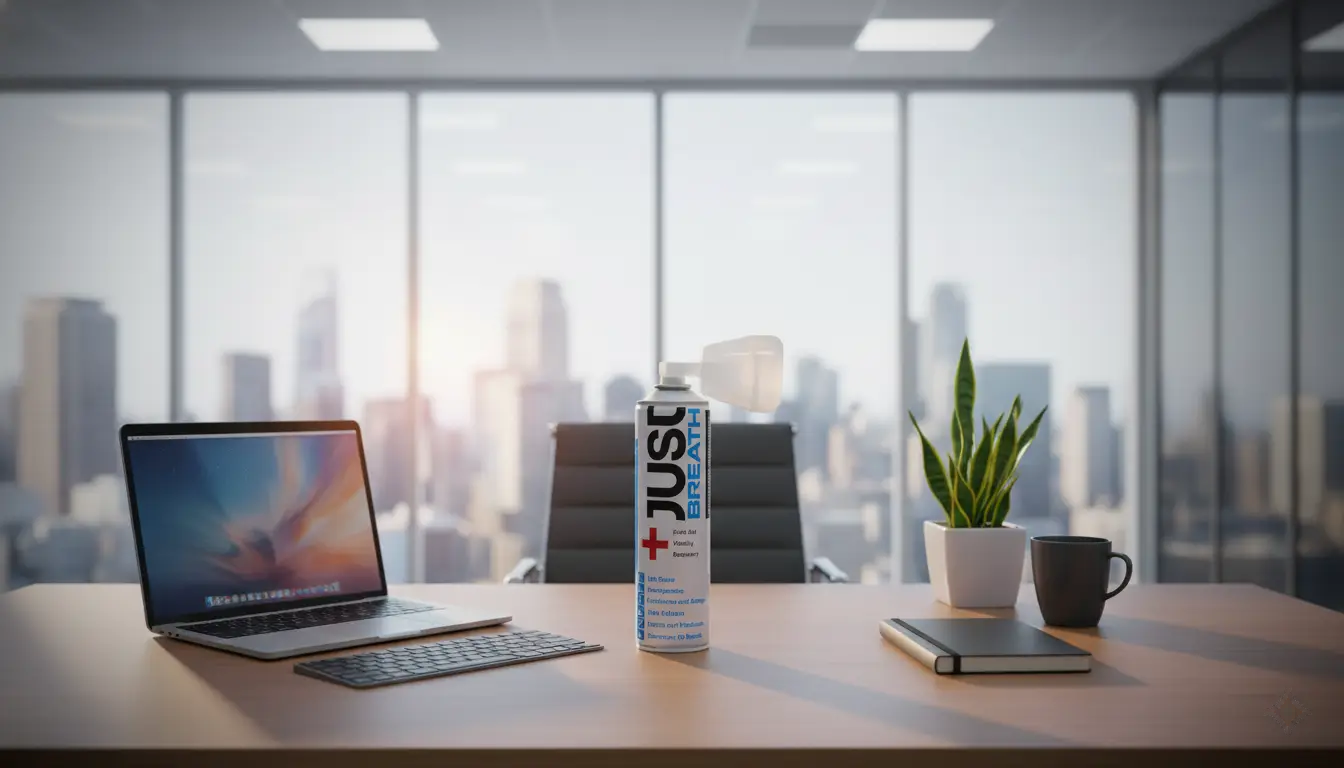
Clear your mind, improve focus, and relax your senses to stay calm, alert, and refreshed throughout your busy day.
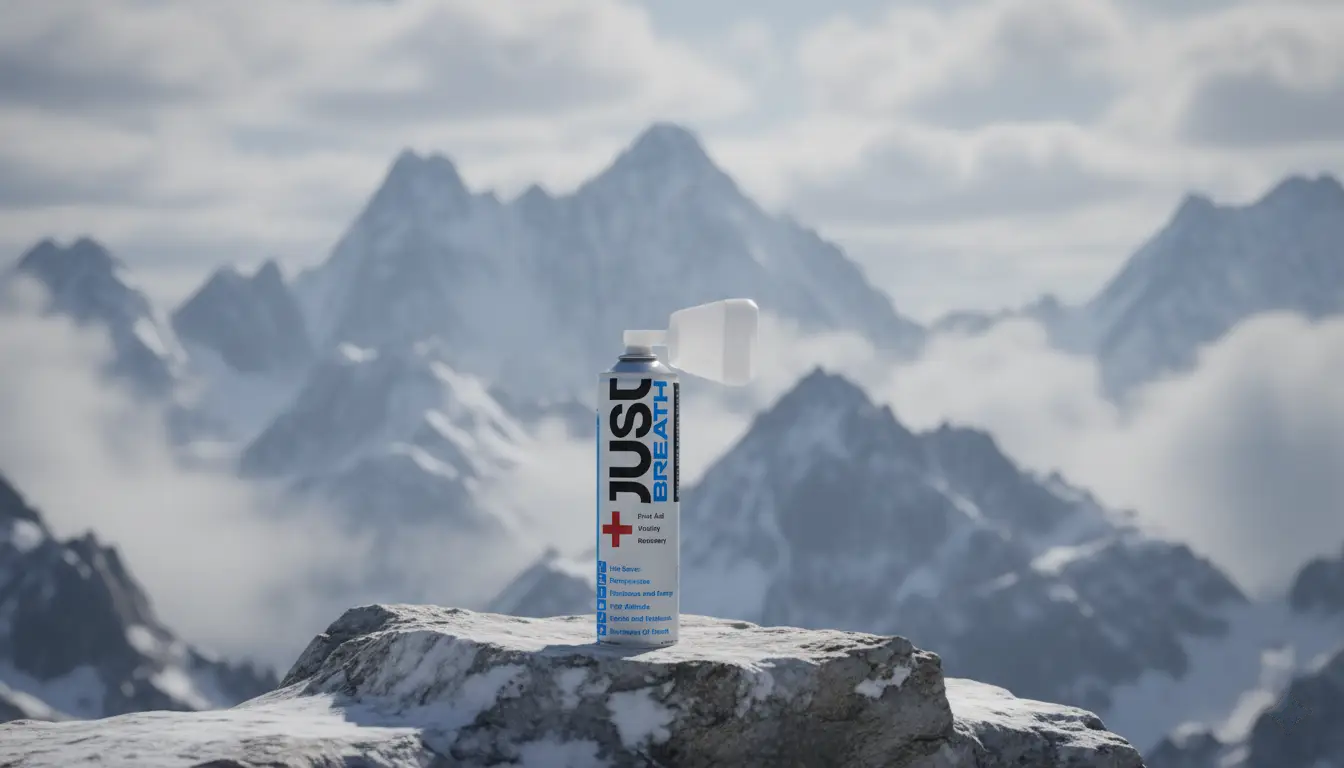
Fight fatigue and support breathing in high-altitude conditions. Stay refreshed and energized on trekking and hiking adventures.
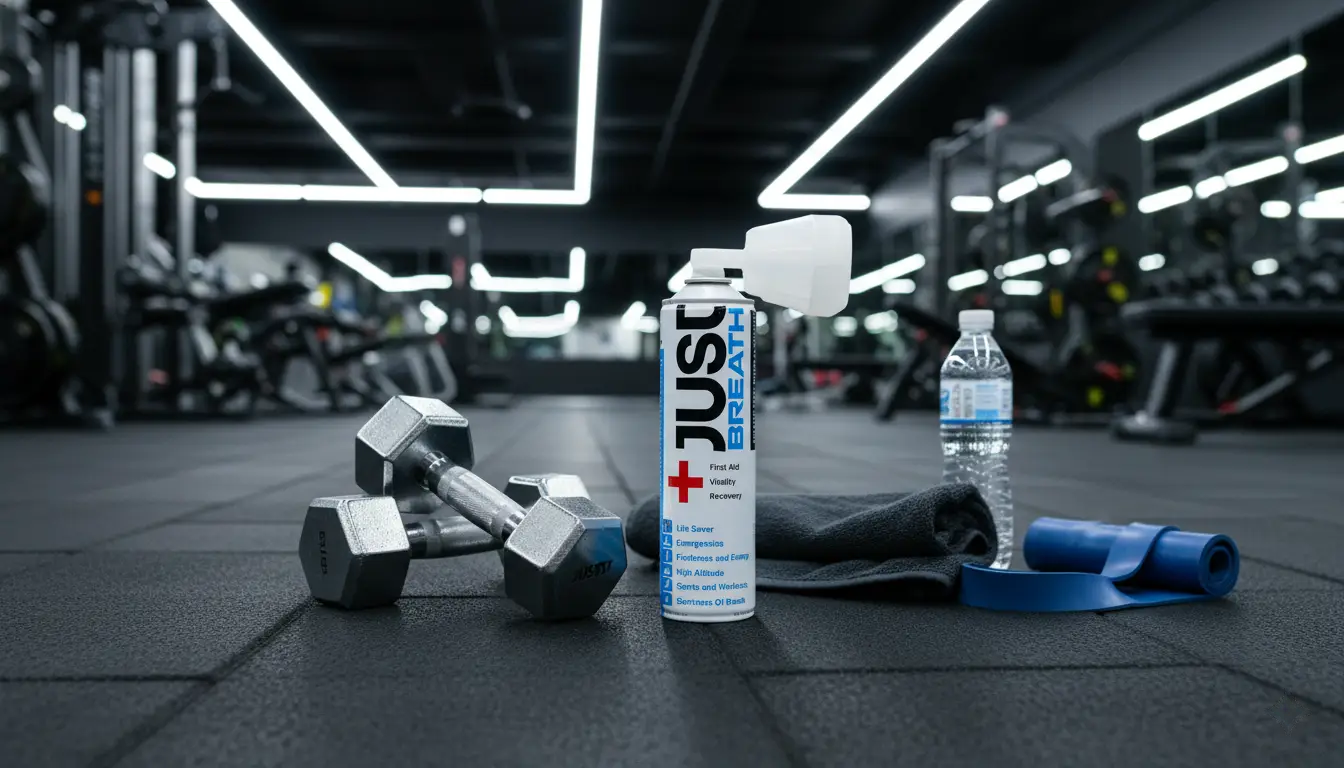
Reduce fatigue, support endurance, and promote recovery after intense workouts to help you stay active and energized.
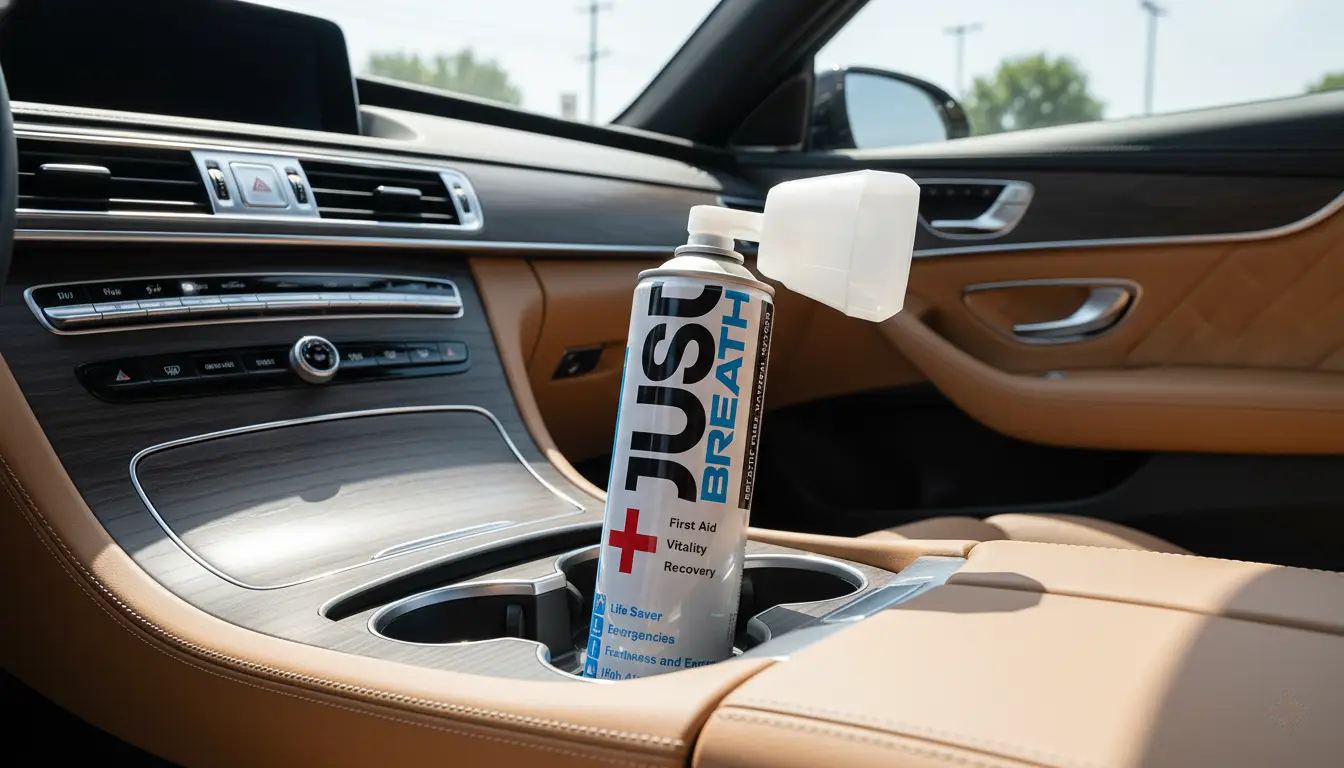
Fight travel fatigue and breathe easier on long road trips. Stay refreshed, alert, and comfortable throughout your journey.
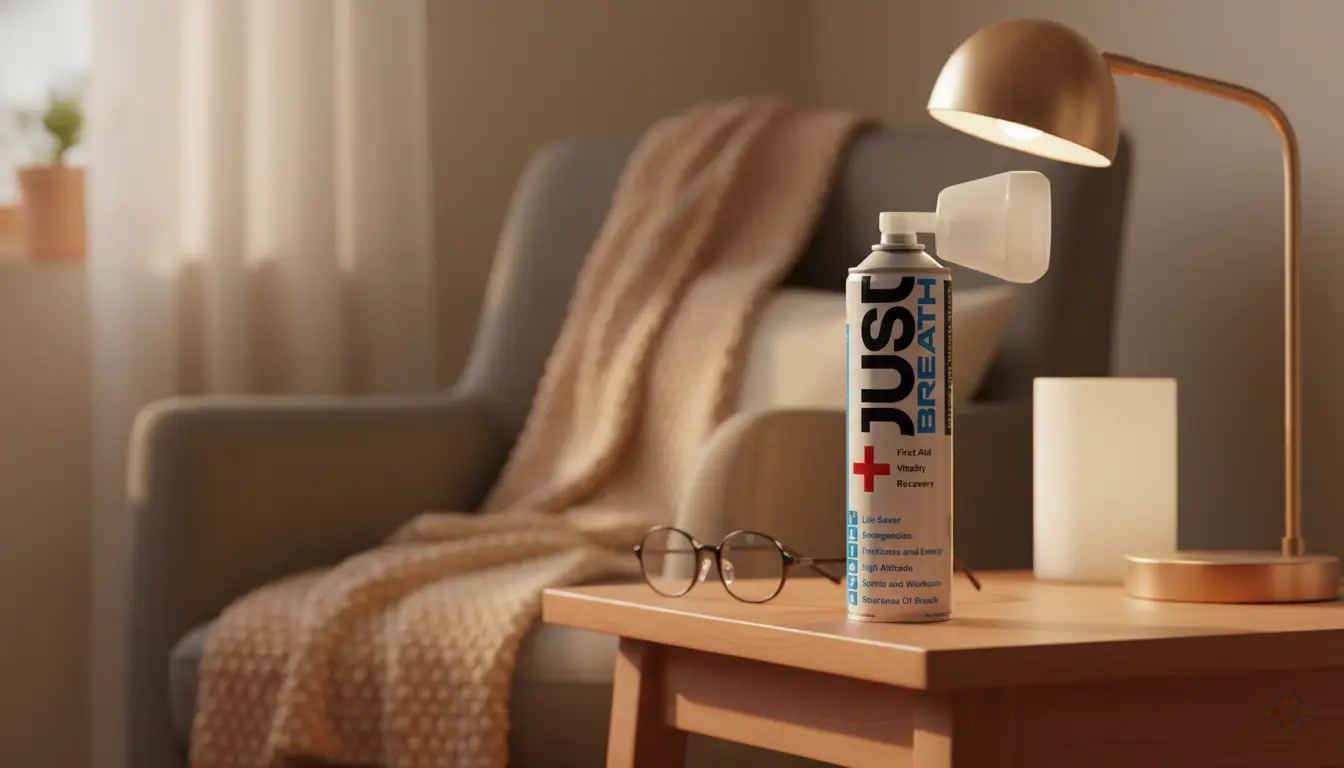
Get quick oxygen support for age-related breathing discomfort or sudden fatigue to help you feel refreshed and comfortable.
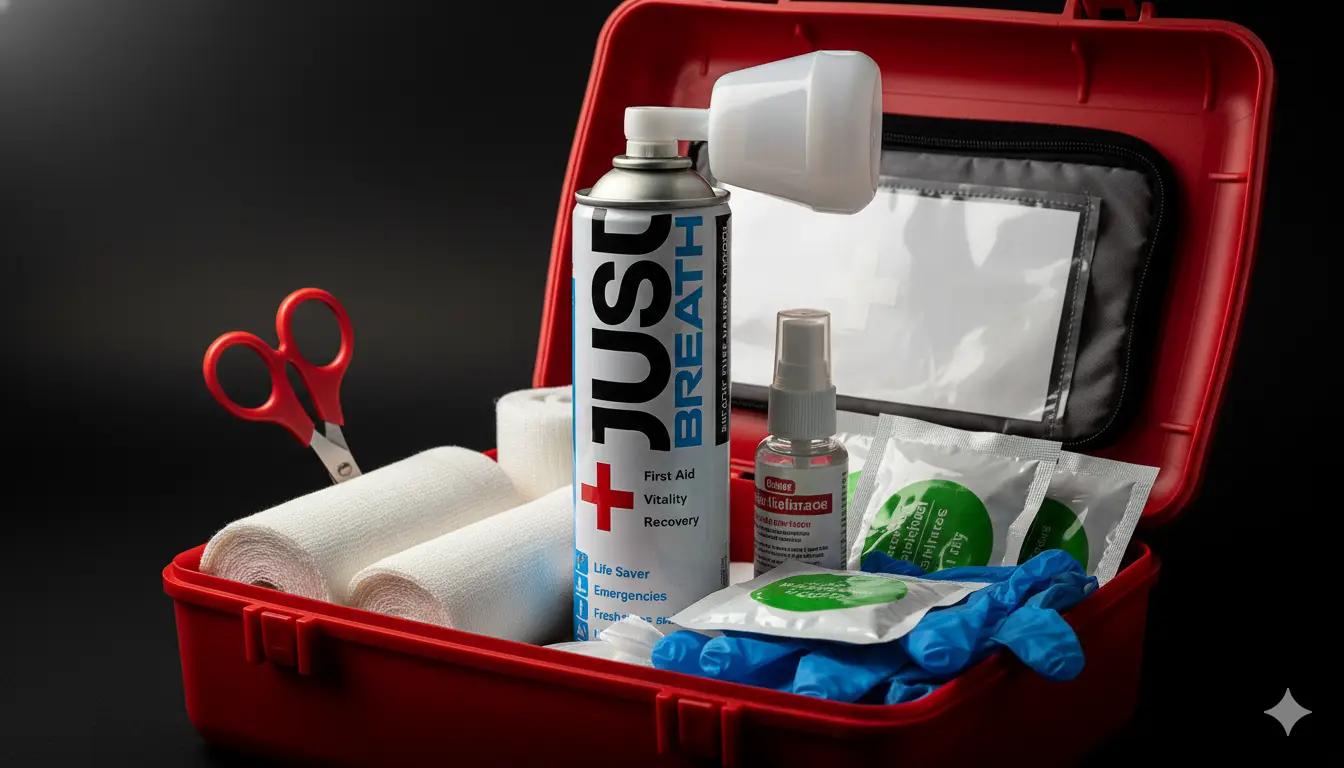
Get emergency breathing support while waiting for medical professionals to arrive and provide appropriate care.
Support focus, stay calm, and manage exam stress while preparing for tests and tackling challenging study sessions.
| Situation | Suggested Stock | Where to Keep It | When to Get Medical Help |
|---|---|---|---|
| Ladakh / High-altitude trip (5–7 days) | 2–3 cans per person | Daypack, not checked baggage | Worsening headache, vomiting or breathlessness at rest – descend immediately and seek medical help. |
| Home first-aid kit | 1–2 cans | Cool cupboard with the first-aid box | If symptoms persist, seek medical attention. Call 108 in an emergency. |
| Clinic / OPD | 4–10 cans (to be confirmed) | Reception and emergency tray | Always follow clinical protocols. |
| Gym / Sports bag | 1 can | Sports bag, away from direct sunlight | Stop exercising and seek medical help for chest pain or dizziness. |
| Car | 1 can | Store according to the manufacturer's temperature guidelines; avoid heat and direct sunlight. | If the driver feels faint, stop the car safely and seek medical help. |
The can does the same thing everywhere: it gives a few breaths of oxygen-rich air in seconds. What changes is why you need it and what you should do next.
Portable oxygen offers temporary comfort during high-altitude travel, uphill walks or stair climbing, while proper acclimatization and safe descent remain essential.
Keep portable oxygen handy for comfort when elderly family members feel breathless, while arranging timely medical advice and professional care when needed.
Clinics, schools, hotels, gyms and offices can keep portable oxygen in first-aid stations for immediate temporary support while professional medical help is arranged.
Athletes may use portable oxygen between workouts, after intense intervals or at half-time for a refreshing feeling, though performance benefits remain uncertain.
| Where | Best Use | Keep It |
|---|---|---|
| Hill trip or trek | A few puffs while resting after a climb | Daypack, within reach |
| Home | Backup in the family first-aid box | Cool cupboard, away from the stove |
| Clinic, school or office | First-response comfort while staff help | First-aid station, labelled |
| Gym or sports bag | Between sets or after intervals | Bag, out of the sun |
| Car or bike | Short stops on mountain routes | Cabin or tank bag, not on the dashboard |
Most buyers want to know four things: how long one can lasts, whether it is safe for older parents, whether they can fly with it, and whether it can replace a cylinder. The short answers: a 12 L can gives about 250+ one-second puffs ; it is generally fine for healthy adults but a doctor should advise anyone with lung or heart disease; most Indian airlines do not allow it on board; and it cannot replace a cylinder or concentrator. Each use page below goes into detail for that situation.
Healthy adults who want a few breaths of extra oxygen during travel, exercise or a long day, and families or clinics keeping a backup in a first-aid kit.
Children, pregnant women, and anyone with COPD, asthma, heart disease or another long-term condition. People on prescribed oxygen should keep using their own equipment
A few puffs a day is fine for most healthy adults, but there is no proven benefit to daily routine use.
Only briefly. A few breaths of richer oxygen can lift your oxygen level for a short time; it falls back once you breathe normal air. Read what studies show about oxygen cans and blood oxygen.
No. See the comparison on our portable oxygen can page.
Two to three one-second puffs, then rest and breathe normal air. Taking many puffs in a row adds no benefit and empties the can faster.
Yes. Wipe the mask with a clean cloth between users, or keep a separate mask for each person for hygiene.
It gives a short top-up on smoggy days but does not clean the air you breathe the rest of the time. An N95 mask outdoors and an air purifier indoors protect you; the can is a comfort extra.
Look for a printed batch number, expiry date, the maker's name and address, and a sealed cap. Buy from the brand's own listings or authorised dealers, not unknown resellers.