Somewhere between an airport gift shop and a hiking gear website, you’ve probably run into these — small canisters of oxygen, sold as a quick fix for altitude, jet lag, a tough workout, whatever. They look simple enough. Twist, breathe, done. But almost nobody selling them actually explains what’s happening when you use one, or how different it is from the oxygen equipment you’d see in a hospital.
We’ll walk through that here, without the sales pitch. One thing to say clearly before we start: this is a recreational product. Not medical equipment. If you’ve got a diagnosed heart or lung condition, nothing in this article should replace what your doctor tells you.
What Is a Portable Oxygen Can, Exactly?
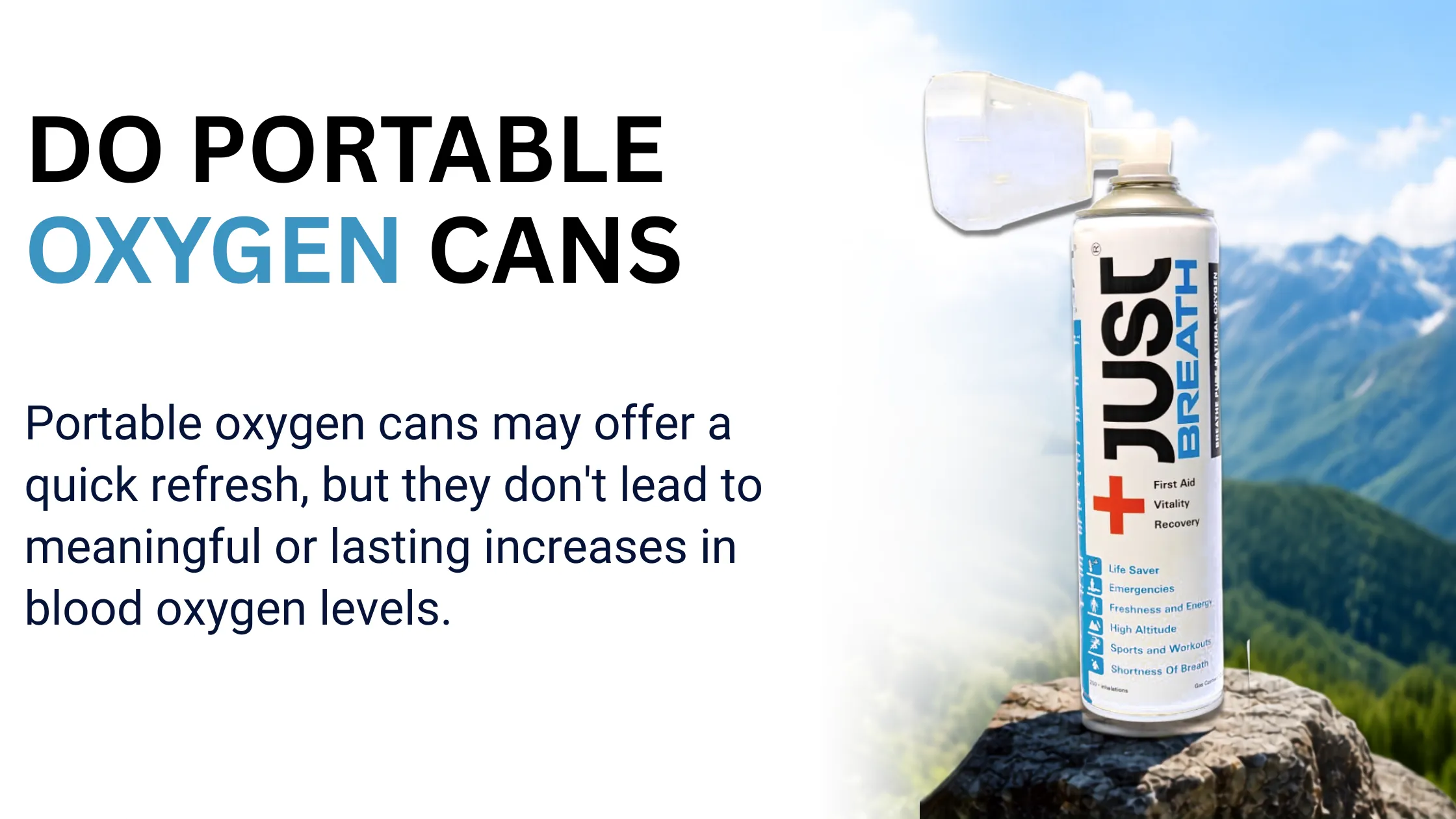
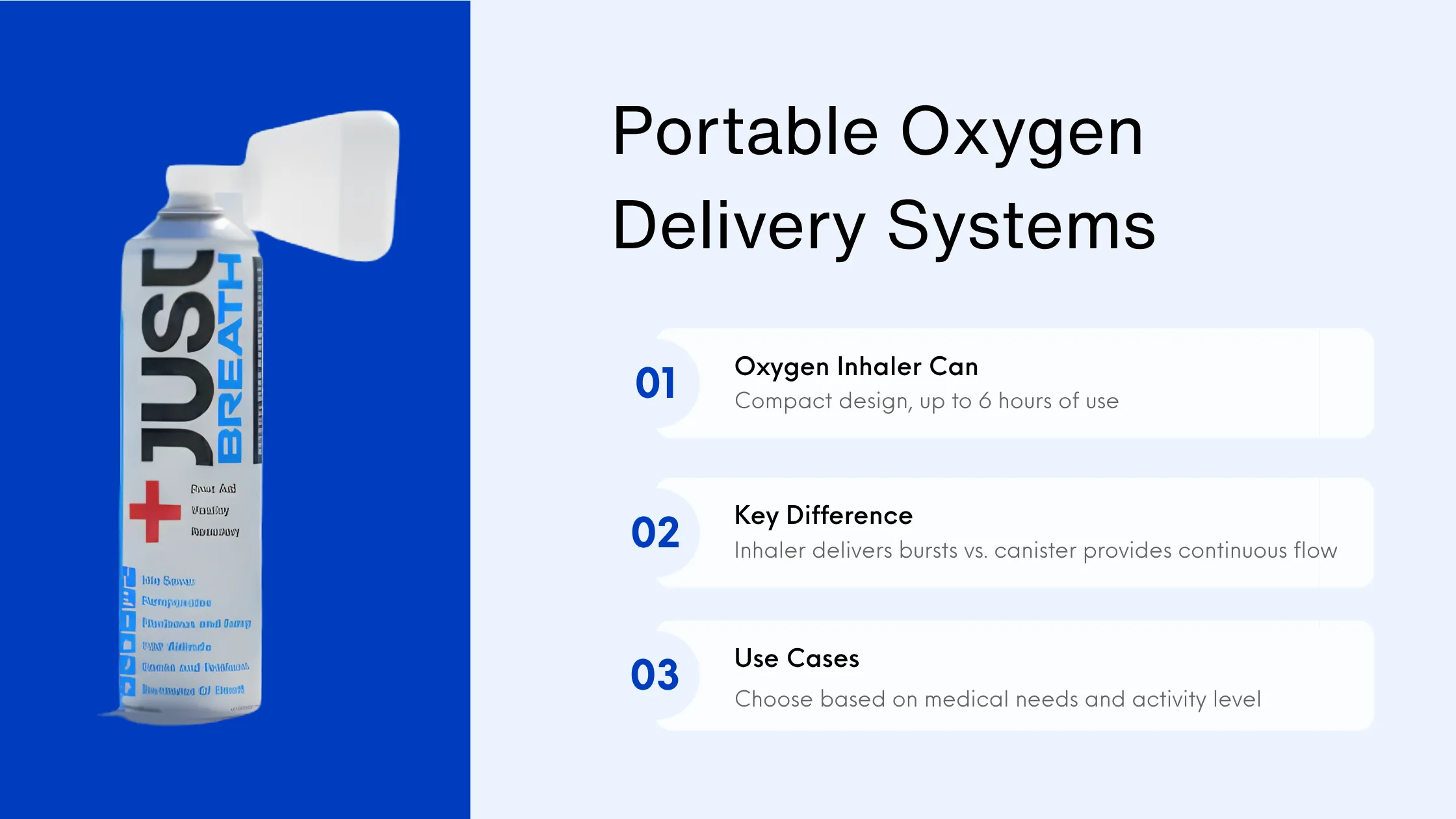
At its core, it’s a sealed can filled with oxygen — usually more concentrated than the air around you — built to last for a set number of breaths before it’s empty. Manufacturers call it different things depending on the packaging: portable oxygen canister, container, bottle, device. Same basic product, different label.
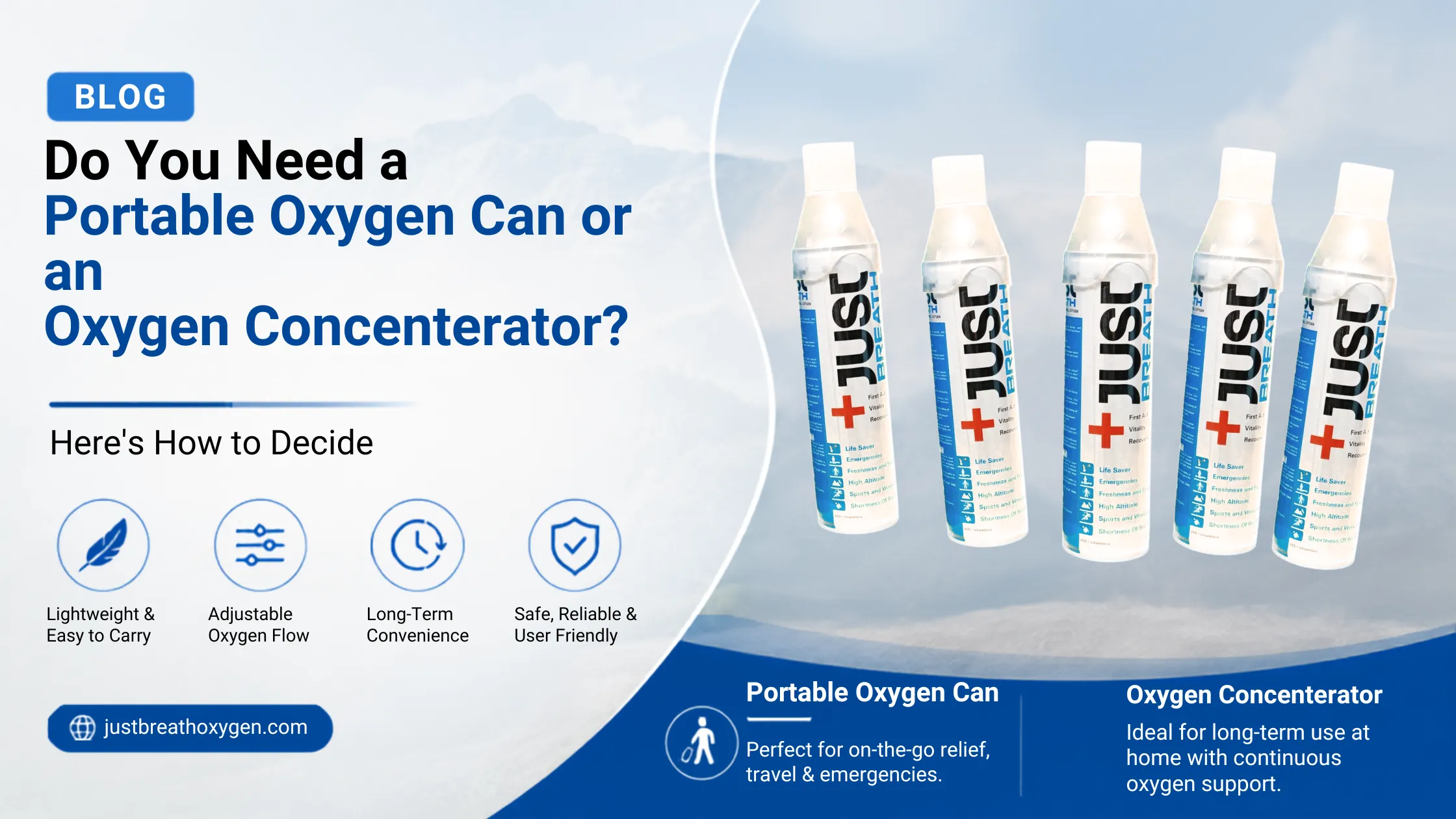
Where people tend to get mixed up is assuming this is the same thing as hospital-grade equipment. It isn’t. A medical oxygen cylinder is refillable and clinically regulated. A portable oxygen concentrator is a whole different device — it pulls in and filters the air around you rather than storing a fixed supply. A recreational can is simpler than both, and the details — how much oxygen it holds, how it’s delivered, whether that’s through a mask or a small nozzle — really do change from brand to brand. Reading the actual packaging matters more than people think.
| Feature | Recreational Oxygen Can | Medical Oxygen Cylinder | Portable Oxygen Concentrator |
| What it is | Sealed, limited-use canister | Refillable cylinder containing medical oxygen | Electrical device that concentrates oxygen from ambient air |
| Typical use | Occasional, non-medical use | Prescribed oxygen therapy | Ongoing medical oxygen needs |
| Oxygen supply | Limited supply | Stored oxygen supply | Produces concentrated oxygen while operating |
| Portability | Small and lightweight | Available in portable sizes, but generally heavier | Designed for portability, with a battery or power source |
| Refillable? | Generally no | Yes, depending on the cylinder system | No; it does not store oxygen in a conventional cylinder |
| Medical use | Not a substitute for prescribed oxygen | Used under medical guidance | Used for prescribed oxygen therapy when clinically appropriate |
| Power required | Usually no external power | No electrical power required | Requires a battery or electrical power |
| Key consideration | Intended for limited recreational use | Requires proper handling and medical guidance | Requires charging and appropriate settings prescribed by a healthcare professional |
What Actually Happens When You Breathe From One
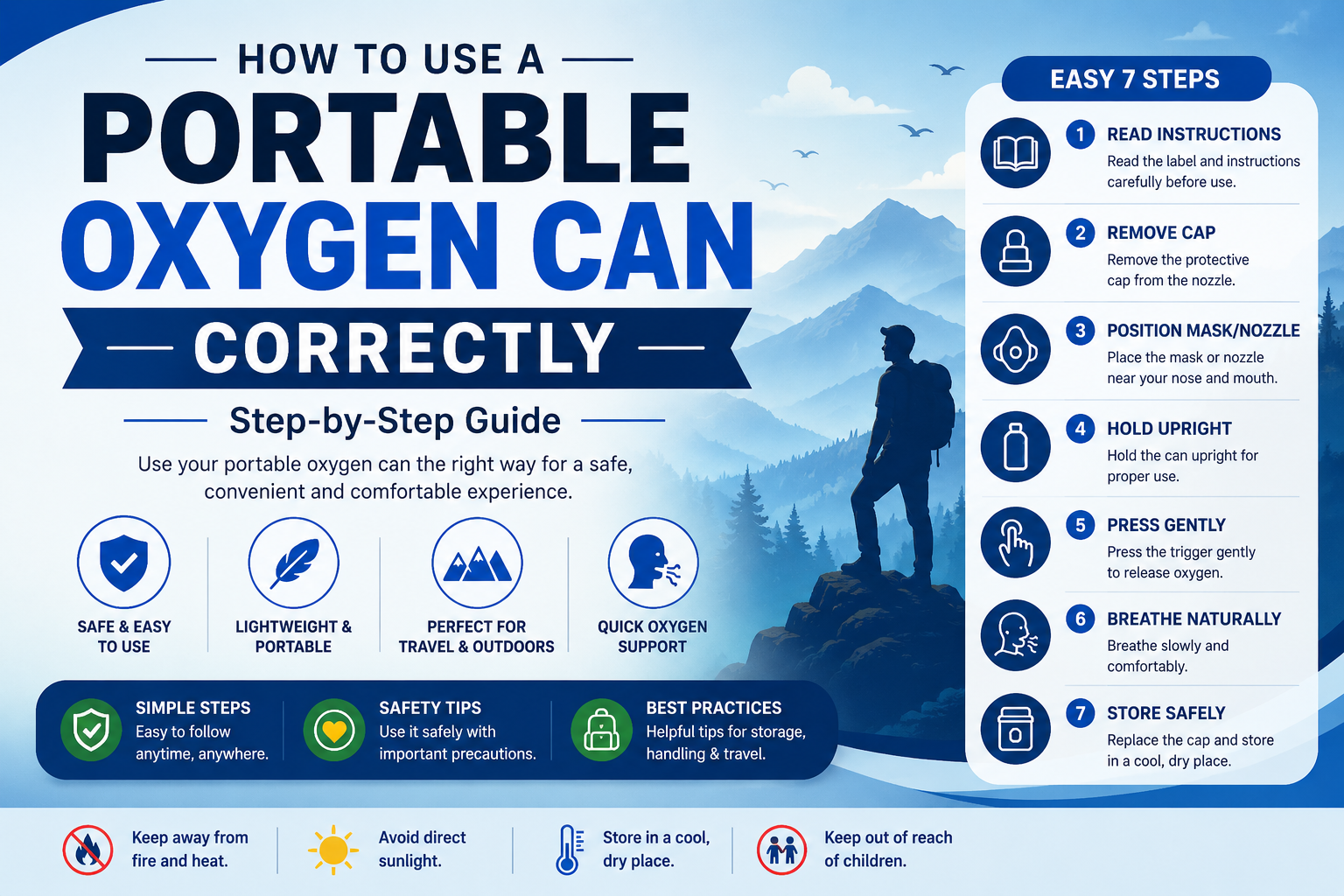
Not much mystery here, honestly. You hold up the nozzle or mask, breathe normally, and the oxygen travels down into your lungs the same way any air does. Once it’s there, it goes through the same gas exchange your body runs constantly — oxygen crosses into your blood, carbon dioxide comes back out. Your lungs aren’t doing anything special or different; the only real change is the concentration of what you’re inhaling.
What people usually want to know is whether this changes their blood oxygen level — SpO2, if you want the clinical term for it. That number can be checked with a pulse oximeter, but you don’t need one clipped to your finger every time you use a can like this. And how someone actually feels afterward tends to have more to do with what they were doing beforehand — climbing, flying, exercising — than the can itself.
Some people say they feel more alert, or that their breathing settles faster after exertion. Others don’t notice a thing. Neither reaction is unusual, and neither should be read as proof of anything — a portable oxygen can isn’t treating, curing, or preventing a medical condition, full stop.
When People Actually Reach for One
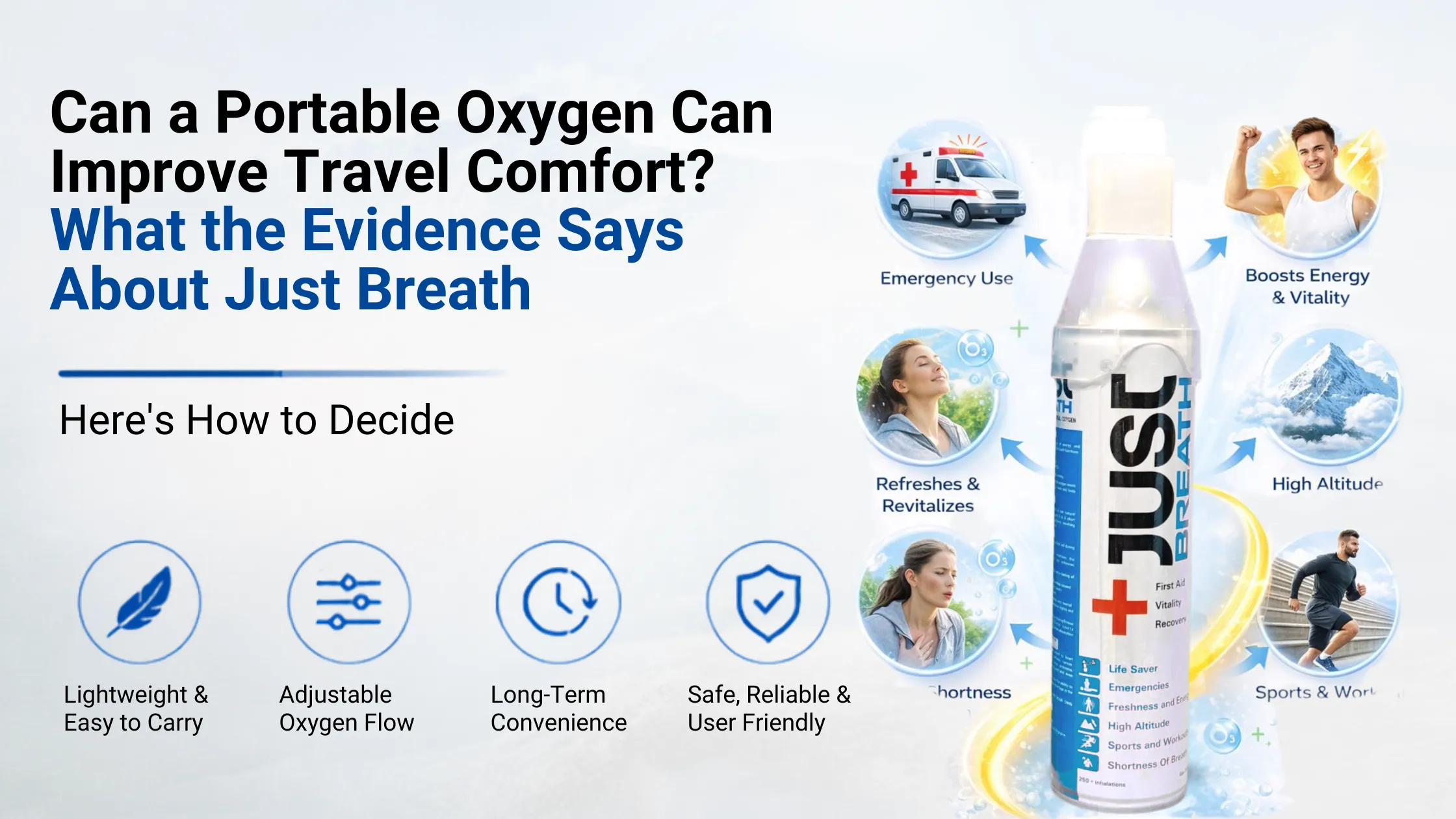
Altitude and travel come up a lot. Makes sense — thinner air at elevation, and a can of oxygen feels like an easy answer. But altitude symptoms have several possible causes, and if something feels genuinely wrong, that’s a reason to get medical help, not a reason to keep breathing from a canister and hope it passes.
Sports and fitness is another common one. Plenty of athletes are curious about these, sometimes out of habit more than anything. Worth being a little skeptical here — unless there’s real, product-specific evidence behind a performance or stamina claim, treat that kind of language as marketing rather than fact.
Then there’s the simplest reason of all: convenience. It’s light, it fits in a bag, and it beats lugging around anything bigger. Whether that’s genuinely useful for your situation comes down to what the manufacturer actually says the product is built for — worth a quick check before buying, not after.
What a Portable Oxygen Can Won’t Do
This is the part that tends to get glossed over. These cans hold a fixed, fairly small amount of oxygen, and exactly how long that lasts depends on the container size, the delivery method, and how you use it. It’s not prescribed oxygen therapy, and it isn’t built to manage low blood oxygen tied to an actual medical condition.
If you’re wondering whether your own oxygen levels might be low, that’s not something to work out from symptoms alone — it needs an actual clinical check. And to put a fine point on it: a recreational can, a concentrator, and a hospital cylinder are three separate products built for three separate jobs. They look similar on a store shelf. They are not interchangeable.
Using One Safely
- Follow the manufacturer’s instructions as written — don’t improvise a use it wasn’t designed for
- Keep it well away from open flames, sparks, or lit cigarettes
- Store and transport it exactly the way the label says
- Never try to modify the valve or delivery parts
- Keep it out of children’s reach unless the product is specifically made and supervised for that
- Have a medical condition already? Talk to a healthcare professional before relying on supplemental oxygen for anything
One more thing worth knowing: oxygen is an oxidizer. It won’t ignite on its own, but it makes fire burn faster and hotter if one starts nearby. Standard fire-safety guidance — the kind you’d get from an agency like the U.S. Fire Administration — applies to any oxygen-rich product, and it’s worth taking seriously alongside whatever instructions come printed on the can itself.
About the Just Breath Oxygen Can
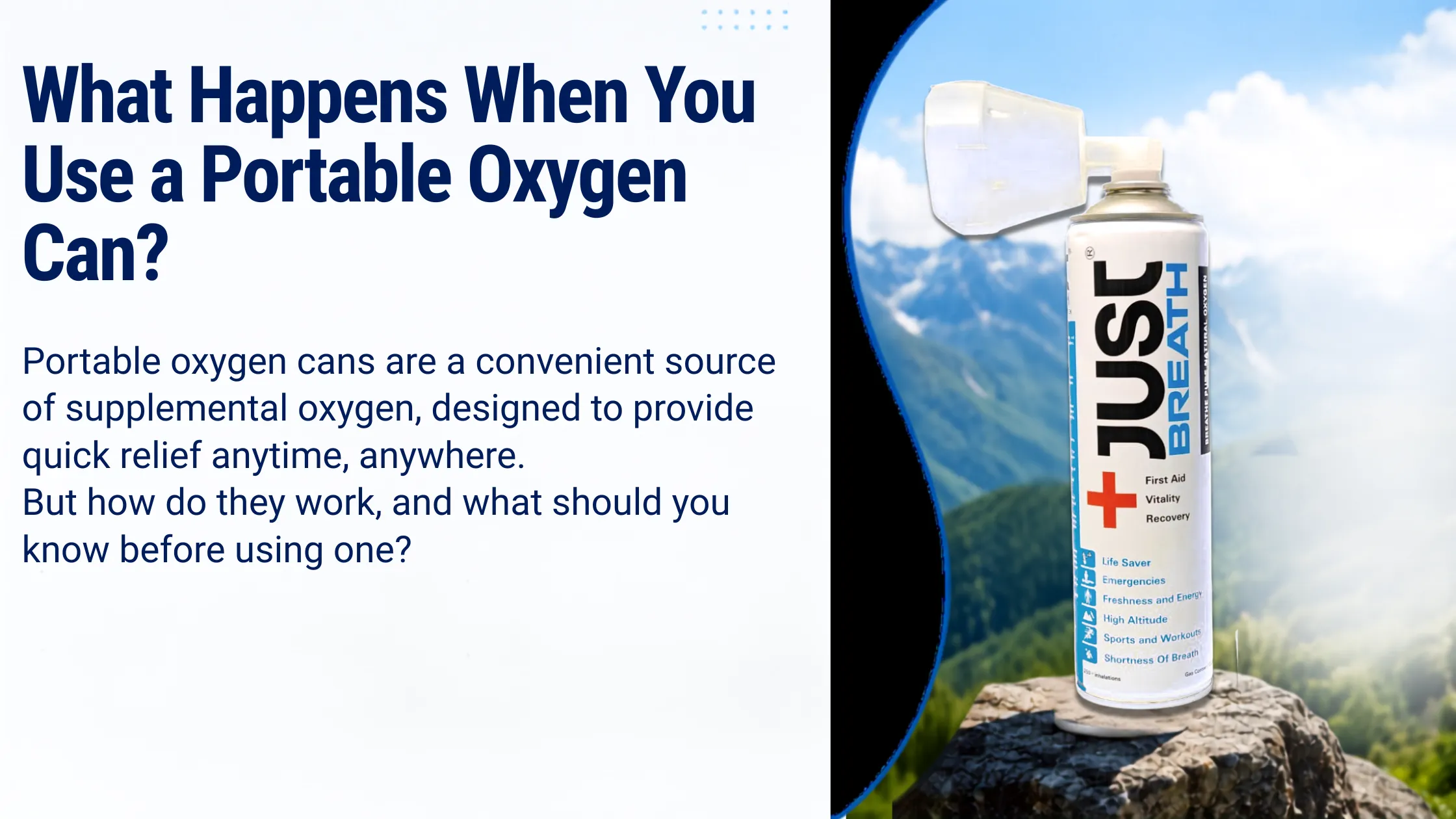
Just Breath makes a portable oxygen can meant for exactly these situations — travel, time outdoors, or just having something on hand. We won’t repeat specific numbers here for capacity or delivery method, since those details are best confirmed directly on the official product page, where they stay current. It’s a recreational product, plain and simple — genuinely convenient to carry, but not a stand-in for supervised oxygen therapy.
Choosing the Right One
A short list of things worth comparing before buying: what you actually need it for, how much oxygen it holds, its size and weight, how the oxygen comes out, what the label says about shelf life and storage, and of course, price. If the real reason you’re looking into oxygen is a medical concern, skip the product comparison altogether and have that conversation with a professional instead..
FAQS
- What is a portable oxygen can?
A portable oxygen can is a small, sealed canister filled with oxygen for occasional, non-medical use. It’s also called a portable oxygen canister, container, or bottle, and is designed for convenience rather than prescribed oxygen therapy. - What happens when you use a portable oxygen can?
When you inhale from a portable oxygen can, oxygen travels into your lungs and enters your bloodstream through normal gas exchange. The effect on how you feel can vary based on your activity level, altitude, and overall health. - Are portable oxygen cans the same as medical oxygen?
No, a portable oxygen can is not the same as medical oxygen. Recreational oxygen products are meant for occasional use, while prescribed oxygen therapy is clinically assessed and delivered through medical-grade equipment like an oxygen cylinder or concentrator. - Can a portable oxygen can replace a portable oxygen concentrator?
A portable oxygen can cannot replace a portable oxygen concentrator. A concentrator is a medical device built for continuous oxygen delivery, while a recreational can holds a limited oxygen supply meant for brief, occasional use. - What are the benefits of a portable oxygen canister?
The main benefits of a portable oxygen canister are convenience and portability — it’s lightweight, easy to store, and simple to use during travel, outdoor activities, or everyday situations. - Does a portable oxygen can help with altitude sickness?
A portable oxygen can may offer short-term relief for some altitude-related discomfort, but altitude symptoms can have multiple causes and shouldn’t be self-treated. Severe or persistent symptoms need medical attention, not a recreational oxygen supply. - Where can I buy a portable oxygen supply locally?
Portable oxygen supply products are sold through pharmacies, outdoor retailers, travel stores, and directly through manufacturer websites. Availability depends on your location, and buying from an authorized seller is recommended. - How long does a portable oxygen bottle last?
How long a portable oxygen bottle lasts depends on its container size, oxygen concentration, and delivery method, so usage time varies by brand and product. - What is the difference between blood oxygen saturation and using a portable oxygen device?
Blood oxygen saturation, or SpO2, measures how much oxygen your red blood cells are carrying, while a portable oxygen device simply supplies extra oxygen to breathe. Using the device doesn’t require monitoring SpO2 unless a healthcare provider recommends it. - Is it safe to use a portable oxygen can every day?
Portable oxygen cans are designed for occasional, recreational use rather than daily reliance. Anyone considering regular supplemental oxygen should consult a healthcare professional to determine if clinically assessed oxygen therapy is appropriate.