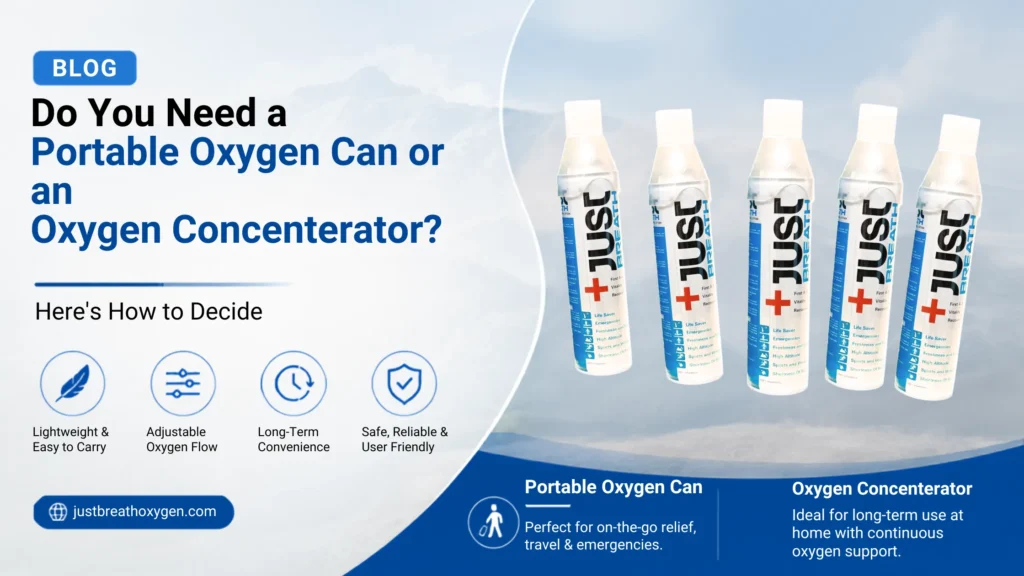
Search “Oxygen Concentrator vs Oxygen Can” and you’ll get a pile of results that treat these two like they’re competing for the same job. They’re not. One is a small canister of compressed air you can throw in a backpack and forget about until you need it. The other is an actual machine — one that pulls air from the room and reworks it, continuously, for as long as you keep it switched on. People land on the wrong one more often than you’d think, usually because nobody stopped to explain that “oxygen product” isn’t really one category.
What a Portable Oxygen Can Actually Is
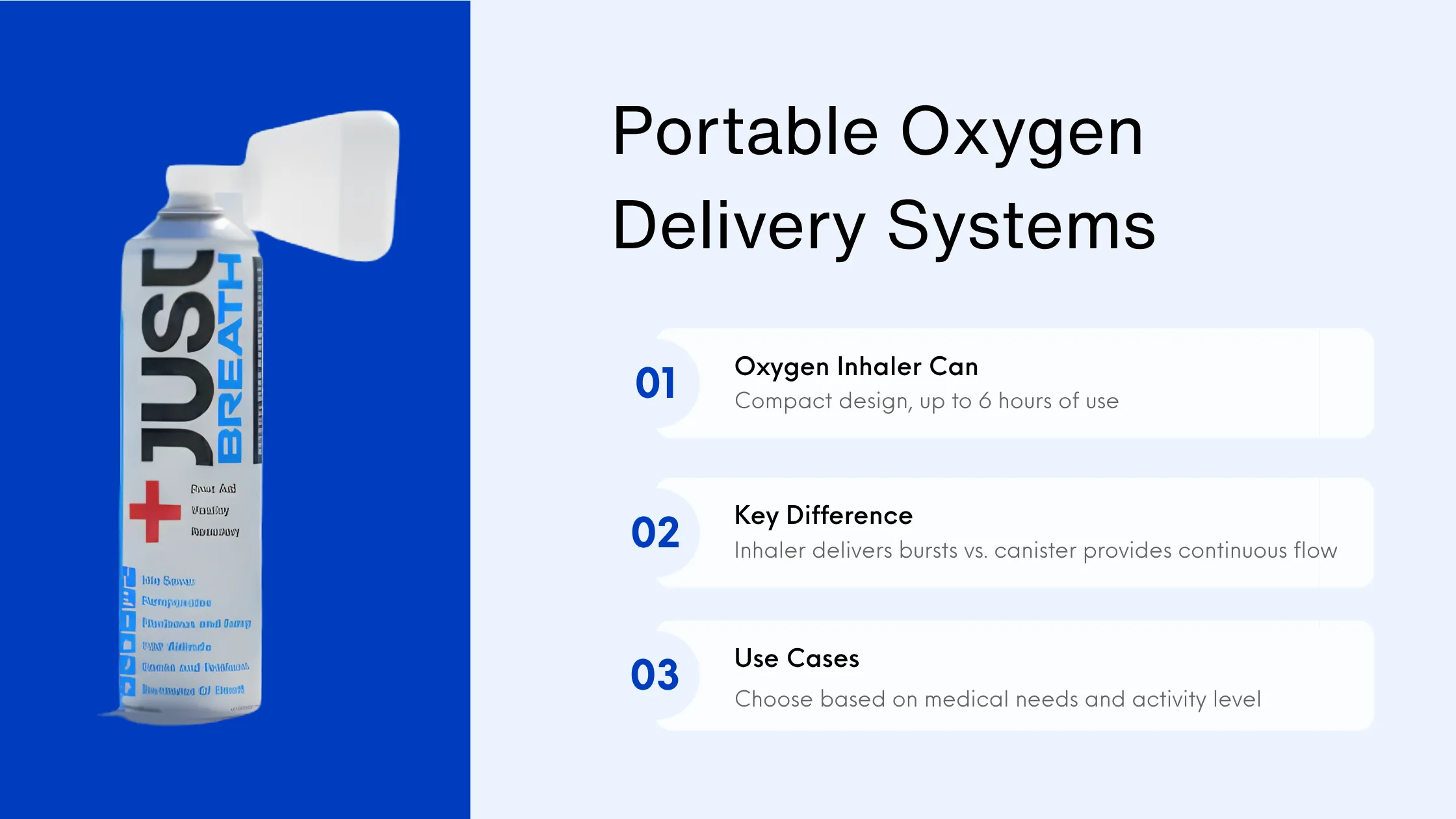
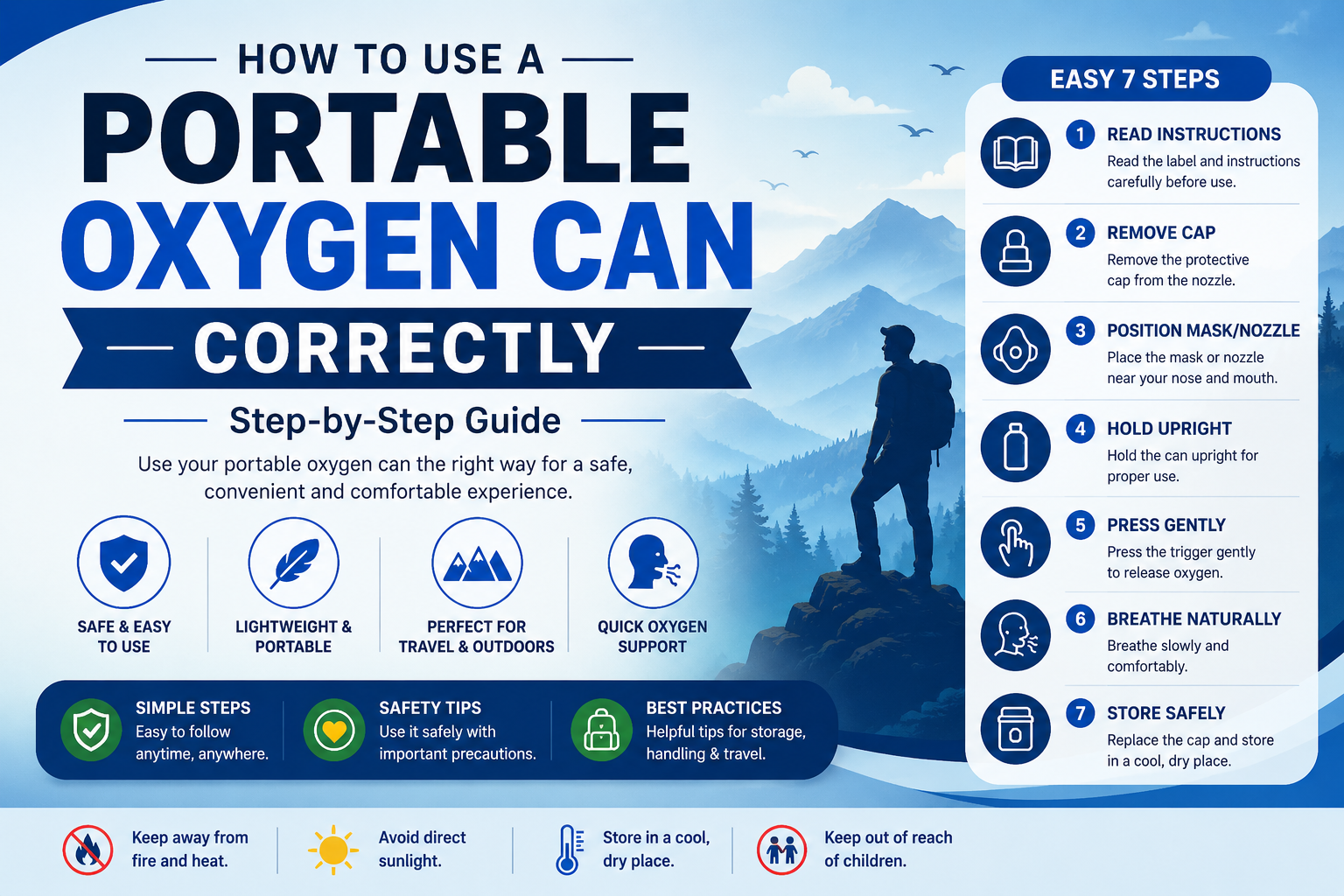
Nothing complicated here. A portable oxygen can is a pressurized canister, pre-filled with compressed oxygen, that you open and breathe from through a small mask or nozzle. No charging, no setup, no learning curve — you twist it open and it works.
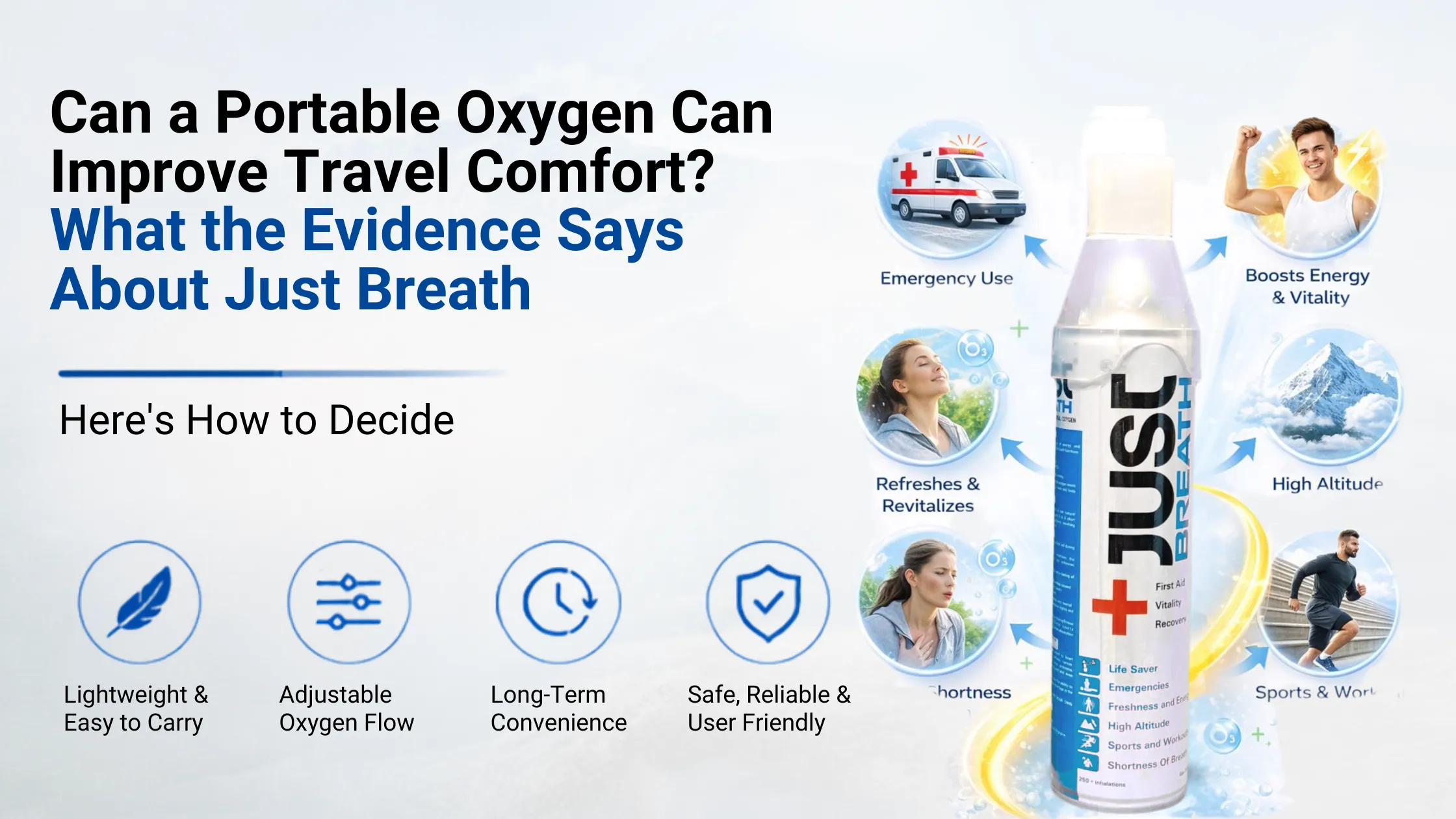
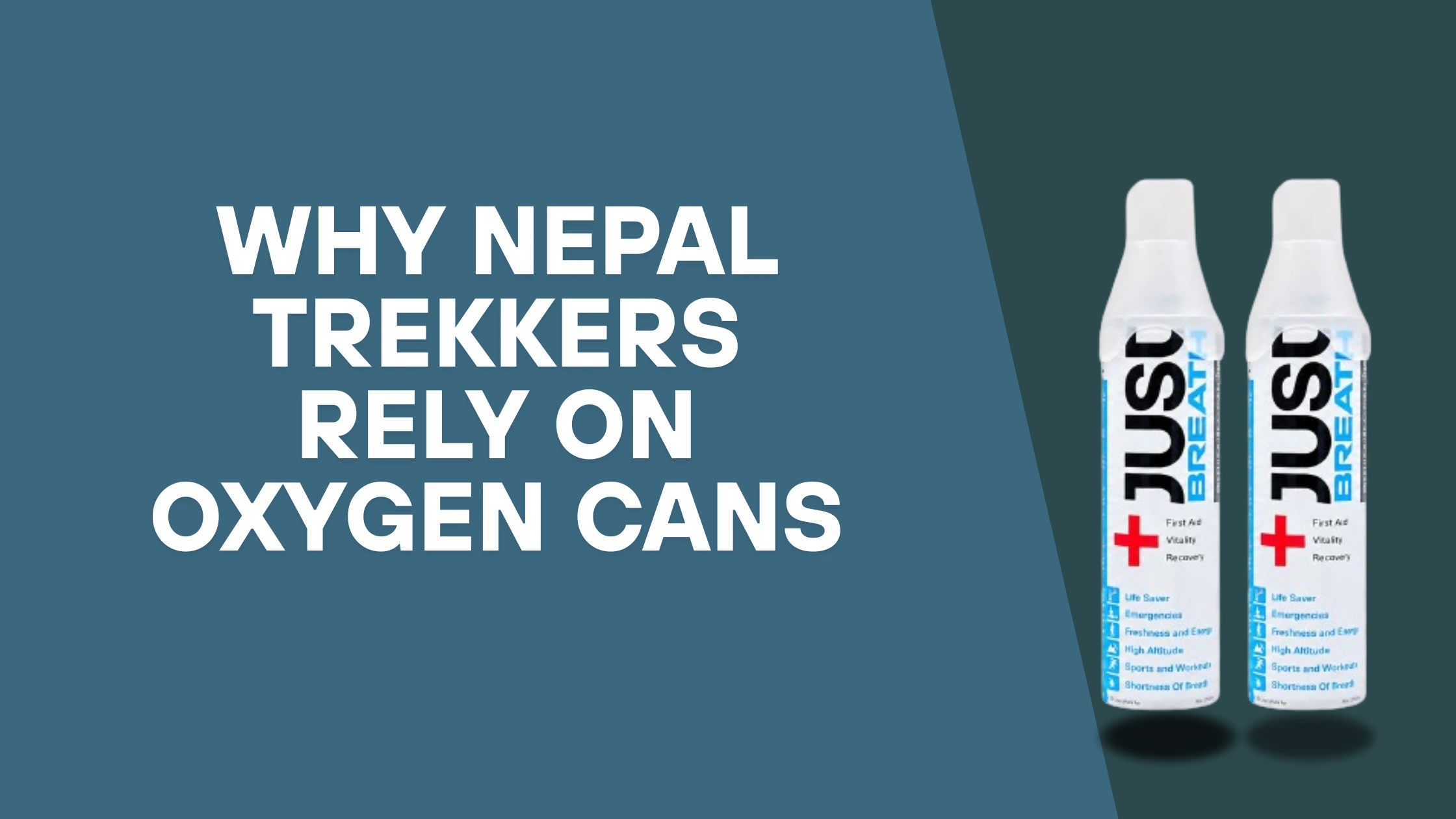
That simplicity is exactly why something like the Just Breath oxygen can has caught on with hikers, gym-goers, and people who just want a breather (literally) after a long flight or a rough night’s sleep. It’s the oxygen equivalent of keeping a bottle of water in your bag — there when you want it, gone once it’s empty. The catch, and it’s a real one, is that once the can runs out, that’s it. There’s no continuous supply here, just a fixed amount that lasts a few minutes.
And What About Oxygen Concentrators?
A concentrator does something almost the opposite. Instead of storing oxygen ahead of time, it takes in regular room air, strips out the nitrogen and other gases, and pushes out concentrated oxygen in real time. That’s the oxygen generation technology part — and it’s the whole reason concentrators exist as a category separate from cans or cylinders.
Because it’s making oxygen rather than dispensing it from a tank, a concentrator can run for hours without needing a refill, which is the definition of continuous oxygen supply. Most models also let you dial the oxygen flow rate up or down depending on what you actually need. There are two flavors worth knowing about: home concentrators, which are bulkier and stay plugged into a wall, and portable oxygen concentrators, which run on batteries so they can travel with you. Either way, purity tends to be higher and more consistent than what you’d get from a can — which matters a lot once oxygen stops being a nice-to-have and starts being something a doctor actually prescribed.
Portable Oxygen Can vs Oxygen Concentrator, Side by Side
Feature | Portable Oxygen Can | Oxygen Concentrator |
Oxygen source | Compressed, pre-filled | Pulled and filtered from room air |
Delivery | Fixed, limited amount | Continuous, as long as it’s running |
Portability | Fits in a bag, no weight to speak of | Portable versions exist, but they’re heavier |
Power needed | None | Battery or wall power |
Flow rate | Fixed | Adjustable, model to model |
Purity | Set at the factory | Consistent, filtered on the spot |
Refills | Buy a new one when it’s empty | None — it just keeps generating |
Best for | A few minutes here and there | Hours, or ongoing prescribed use |
When a Portable Oxygen Can Makes Sense
Cans are made for moments, not routines. A few where they earn their keep:
- Hiking or trekking somewhere the air’s noticeably thinner than what you’re used to
- Recovering after a hard workout, when a bit of extra oxygen just feels good
- Long travel days — flights, road trips, that stale airplane-cabin feeling
- General wellness use, when you want something portable without lugging medical gear around
That’s really the whole pitch behind the Just Breath oxygen can — it’s small enough to not think about until the moment you need it. One thing worth being straightforward about, though: this isn’t a treatment for a medical condition, and it’s not a stand-in for oxygen therapy a doctor has prescribed. It’s a convenience product. Treat it as one.
When You Actually Need a Concentrator Instead
If a doctor has told you or someone in your family needs supplemental oxygen, a can isn’t going to cut it — you need a concentrator. This is where continuous oxygen supply stops being a nice feature and becomes the entire point.
Concentrators make sense for ongoing situations: managing a chronic respiratory condition, supporting someone recovering at home, or delivering medical-grade oxygen as part of a care plan a physician has actually mapped out. Being able to adjust the oxygen flow rate to a specific level, rather than getting whatever a can happens to give you, is the difference that matters here. If there’s a real medical need involved, the honest advice is the same as always — follow what your healthcare provider recommends on device type and flow rate. This article can point you in a direction; it can’t replace that conversation.
There's Also a Third Option: The Oxygen Cylinder
Cans and concentrators get most of the attention, but there’s a third product that sometimes gets thrown into the mix — the portable oxygen cylinder. Quick rundown of all three:
A portable oxygen can is small, disposable, and meant for brief use. A portable oxygen cylinder is a larger, refillable tank of compressed medical oxygen, usually paired with a regulator and used for actual therapeutic purposes. A portable oxygen concentrator is the battery-powered machine that just keeps generating oxygen on its own, no refilling required, ever.
The portable oxygen cylinder vs oxygen concentrator question usually comes down to logistics — cylinders need refilling and careful handling, concentrators don’t. And portable oxygen concentrator vs oxygen can really just comes down to duration: minutes versus hours.
So, How Do You Actually Decide?
How long do you realistically need oxygen for — a few minutes, or several hours? Is portability the thing you care about most, or is it steady, adjustable flow? Will you have power or a charged battery when you need the device? Is this occasional, or are you looking at something you’ll use every day? And has a doctor actually recommended oxygen therapy, or are you exploring this on your own?
If you’re still torn between an oxygen can or oxygen concentrator after answering those, let the actual use case decide — not the price tag, and not which one looks more impressive.
Conclusion
Choosing between an oxygen concentrator and an oxygen can really comes down to how you plan to use it. A portable oxygen can suits quick, occasional moments — hiking, travel, workouts, or a general wellness boost — with zero setup involved. An oxygen concentrator, however, delivers continuous, adjustable oxygen, making it the right choice for ongoing or medically prescribed needs. If you want something light and convenient, the Just Breath oxygen can fits perfectly. But for prescribed oxygen therapy, always consult a healthcare provider before deciding on a device.
Frequently Asked Questions
The duration of a portable oxygen can depends on its size, oxygen capacity, and how it is used. Since these cans contain a limited amount of compressed oxygen, they eventually need to be replaced. They are generally more suitable for short-term or occasional use rather than extended oxygen therapy.
Yes, an oxygen concentrator can produce oxygen continuously while it has a power source and is operating properly. Unlike a pre-filled oxygen can, it does not have a fixed supply that needs to be replaced after use. However, the appropriate flow rate and duration should be determined according to the user's medical requirements.
No. A portable oxygen can stores a limited amount of compressed oxygen, whereas an oxygen concentrator takes air from the surrounding environment and separates oxygen from other gases. They therefore differ in how oxygen is supplied, how long they can be used, and what equipment or power they require.
For ongoing or long-duration prescribed oxygen use, an oxygen concentrator is generally more practical because it can continue producing oxygen while powered and does not require replacement after its oxygen supply is exhausted. The right device, however, depends on the individual's prescription and healthcare provider's recommendation.
Yes. Oxygen concentrators require a power source to operate. Depending on the model, this may be household electricity, a rechargeable battery, or another compatible power source. If oxygen is medically prescribed, it is important to consider backup power arrangements in case of an electricity outage.
It comes down to supply versus generation. A can holds a fixed, pre-filled amount of compressed oxygen meant for short use. A concentrator makes oxygen continuously from the air around you, which is why it's built for longer or ongoing needs rather than quick bursts.
You'll find both through wellness brands, medical equipment suppliers, and online pharmacies operating in India — Just Breath among them for portable oxygen cans specifically. Before buying from any seller, it's worth checking their purity claims, certifications, and what kind of support they offer after the sale.
Plenty of brands and retailers do sell oxygen cans online, though delivery speed really depends on the seller and where you're located. If timing matters — say, you need it before a trip — check the retailer's shipping details and current stock directly rather than assuming.
For anything daily or ongoing, a concentrator is the more sensible choice, since it delivers continuous, adjustable oxygen instead of a fixed, limited amount. That said, any decision about daily oxygen therapy really should go through a conversation with a healthcare provider first.
Retailer product pages, verified buyer reviews on e-commerce platforms, and health and wellness forums are the usual places people compare notes. Try to find reviews from people using the product the way you plan to — a hiker's take on a can won't tell you much if you're weighing a concentrator for daily use.