Every year, thousands of trekkers head to Himalayan trails like Kedarkantha, Hampta Pass, Roopkund, Everest Base Camp and Stok Kangri. Many of them pack an oxygen can for trekking as a safety backup, but few know how to use it, how much to carry, or where its limits lie.
This guide covers everything you need to know about carrying an oxygen can for trekking in India, from choosing the right quantity to packing it correctly and recognising when you need to descend.
What an Oxygen Can Can (and Cannot) Do at Altitude
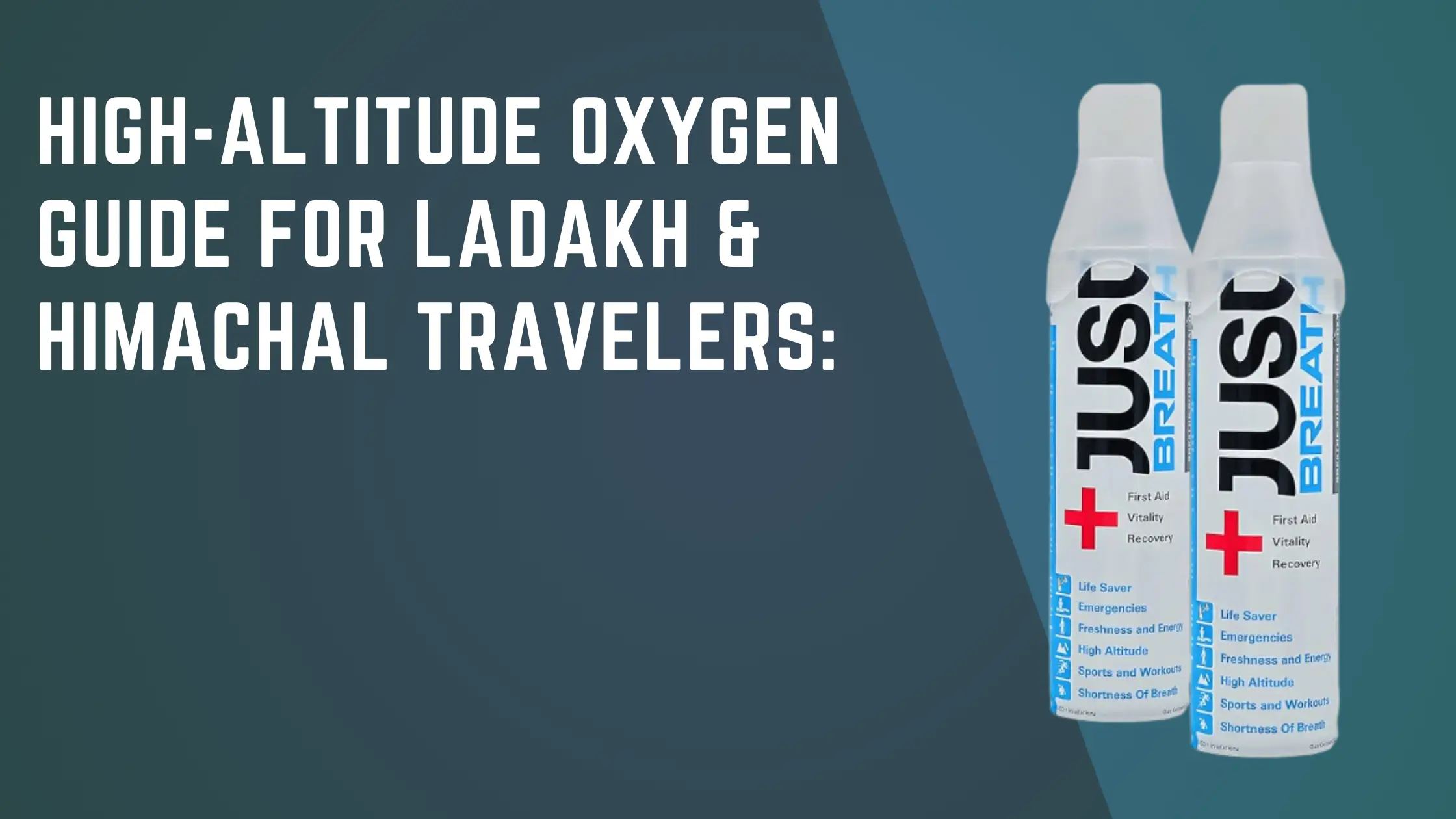
An oxygen can for trekking is a small, portable canister of concentrated oxygen with a mask or mouthpiece. You may also see it called an oxygen cylinder for trekking, an oxygen can for hiking, or an oxygen can for altitude. They all work the same way: a short burst of oxygen-rich air when you feel breathless.
What an oxygen can for trekking can do:
- Give quick, temporary relief from breathlessness after a steep climb or at a high camp
- Help you feel steadier for a few minutes while you rest, hydrate or wait for help
- Offer reassurance to first-time high-altitude trekkers
What it cannot do:
- Prevent or cure acute mountain sickness (AMS)
- Replace acclimatisation
- Treat high altitude pulmonary edema (HAPE) or high altitude cerebral edema (HACE)
- Provide long-term oxygen support like a medical cylinder or concentrator
Think of an oxygen can for altitude as a short-term comfort tool, not a treatment. Feeling better after a few inhalations can be misleading, because the underlying altitude problem is still there. If your symptoms are real, relief from the can is a reason to rest or descend, not to keep climbing.
How Much Oxygen Do You Need?
There is no single answer. It depends on your trek’s altitude, your fitness, your group size and how long you will spend above roughly 3,000 metres. Most trekkers need only a small amount, used sparingly and only when required. That is why an oxygen can for trekking is best treated as a backup rather than a constant companion.
Duration and Inhalations Explained
A trekking portable oxygen can in India is usually sold by volume, commonly in 5, 9, or 10 litres. The number of inhalations varies by brand, but small cans typically provide around 50 to 100 inhalations, while larger ones may offer more. Each inhalation lasts a second or two, so a portable oxygen can provides only a few minutes of total use, not hours. Always check the label of the specific oxygen cylinder you plan to buy for trekking to verify its capacity and estimated number of inhalations.
Keep these points in mind:
- Use short bursts. Take a few deep breaths, pause, and reassess how you feel.
- Use it at rest. Sit down, slow your breathing and use the can, rather than climbing while breathing from it.
- Shared use drains it faster. If a group shares one can, plan for more.
- Cold affects performance. Very low temperatures can reduce how smoothly a can works, so keep it insulated.
Planning your quantity:
- Short treks (2 to 4 days, below 3,500 m): One oxygen can for trekking per person is usually enough as a backup.
- Moderate treks (5 to 7 days, up to 4,000 to 4,500 m): One or two cans per person, or a group stock of two to three.
- High-altitude treks (above 4,500 m or 8+ days): Carry more and ask your operator what emergency oxygen they already carry.
These are general suggestions, not medical advice. If you have a heart, lung or blood-pressure condition, speak to a doctor before trekking at altitude.
Packing List: Where to Keep the Can in Your Backpack
An oxygen can for hiking is useless if you cannot reach it quickly. Here is how to pack it properly.
Where to keep it
- Top compartment or outer side pocket of your backpack, so you can grab it without unpacking
- Close to your body in cold weather, since warmth helps it perform better
- Away from sharp objects like trekking pole tips, crampons or tools that could puncture it
What else to pack with it
- A properly fitted mask or mouthpiece
- A pulse oximeter to track SpO2 and pulse (useful, but not a diagnosis on its own)
- Your personal medicines, including any your doctor has advised for altitude
- A basic first-aid kit and electrolytes
- A warm layer and a rain shell, since cold and exhaustion make altitude symptoms worse
- A printed copy of emergency contacts and your trek operator’s details
Safety handling tips
- Keep the can away from heat, direct flame and cooking stoves.
- Never leave it in a hot vehicle or in direct sun for long.
- Do not puncture, crush or modify it.
- Read the instructions at home, not at 4,000 metres when you are short of breath.
If you are looking for a trekking oxygen can in India, choose one with clear labelling, batch details and a mask that fits securely. You can explore options at Just Breathe Oxygen before your trip.
Acclimatisation First: The Rules No Can Replaces
The best protection against altitude sickness is giving your body time to adjust. No oxygen can for trekking replaces these basics:
- Ascend gradually. Above 3,000 metres, aim to raise your sleeping altitude by roughly 300 to 500 metres per day, with a rest day every 3 to 4 days.
- Climb high, sleep low. A short day hike to a higher point, then returning to sleep lower, helps your body adapt.
- Stay hydrated. Drink water regularly, even if you do not feel thirsty.
- Eat well. Carbohydrate-rich meals help you cope with exertion.
- Avoid alcohol and smoking. Both interfere with acclimatisation and sleep.
- Walk slowly. A steady pace beats rushing ahead.
- Speak up early. Headache, nausea, dizziness and unusual fatigue are early warning signs. Tell your trek leader straight away.
Many Indian treks build in acclimatisation days. Do not skip them to save time. Climbing too fast is one of the most common causes of altitude illness, and an oxygen can for altitude will not undo that.
When to Descend or Seek Medical Help Immediately
Know the red flags before you leave. If you or a trekking partner shows any of these, stop ascending, descend as soon as it is safe, and alert your guide or local medical services:
- A headache that worsens or does not respond to rest and basic pain relief
- Persistent vomiting
- Confusion, drowsiness, unusual behaviour or slurred speech
- Loss of balance or difficulty walking in a straight line
- Breathlessness at rest, a wet or bubbly cough, or frothy or pink sputum
- Extreme fatigue that does not improve with rest
- Blue-tinged lips or fingernails
The key rule: if symptoms are getting worse, descend. An oxygen can for trekking may ease things for a few minutes, but it should buy you time to get down, not a reason to stay or continue.
Always trek with a certified guide or reputable operator who carries emergency equipment and knows evacuation routes. Share your itinerary with someone back home too.
Final Thoughts
An oxygen can for trekking is a lightweight, useful safety item, but it is a backup, not a plan. Acclimatise well, trek with experienced guides, learn the warning signs and descend early when something feels wrong. Pack your can where you can reach it, know how to use it, and trek with confidence.
Ready for your next Himalayan adventure? Explore portable oxygen options at justbreathoxygen
Frequently Asked Questions
Should I carry an oxygen can while trekking?
For most treks above 3,000 metres, an oxygen can for trekking is a sensible backup, especially for first-timers and high-altitude routes. It is not a substitute for acclimatisation or a guide, but it can give short-term relief while you arrange descent.
Which oxygen can is best for trekking in India?
The best oxygen can for trekking in India is lightweight, clearly labelled, easy to use with a fitted mask, and sold by a trusted seller. Compare size, number of inhalations, weight and reviews. Choose based on your trek length and group size, not just price.
How many oxygen cans do I need for a 7-day trek?
For a typical 7-day Himalayan trek, one or two cans per person is a common choice, or a shared stock of two to three for a small group. If your route goes above 4,500 metres, carry more and check what emergency oxygen your operator provides.
Is an oxygen can allowed on trek buses and flights to the base?
Rules differ. Road transport such as shared taxis and buses is usually less strict, but confirm with your operator. Airlines often treat oxygen products as restricted goods, and many do not allow them in cabin or checked baggage. Check with your airline before flying, and consider buying your oxygen can for trekking at your destination.
Can an oxygen can prevent altitude sickness?
No. An oxygen can cannot prevent AMS, HAPE or HACE. Gradual ascent, rest, hydration and descending when symptoms appear are what protect you. The can only offers short-term relief.
How heavy is a trekking oxygen can?
Most portable cans weigh roughly 200 to 500 grams depending on size, so they are easy to carry. Check the exact weight on the product page and add the mask to your total.
Where can I buy an oxygen can before a Himalayan trek?
You can order an oxygen can for trekking online from Just Breathe Oxygen, or check gear stores in base towns like Dehradun, Manali, Leh and Siliguri. Buy early so you can read the instructions and test the mask before you leave.