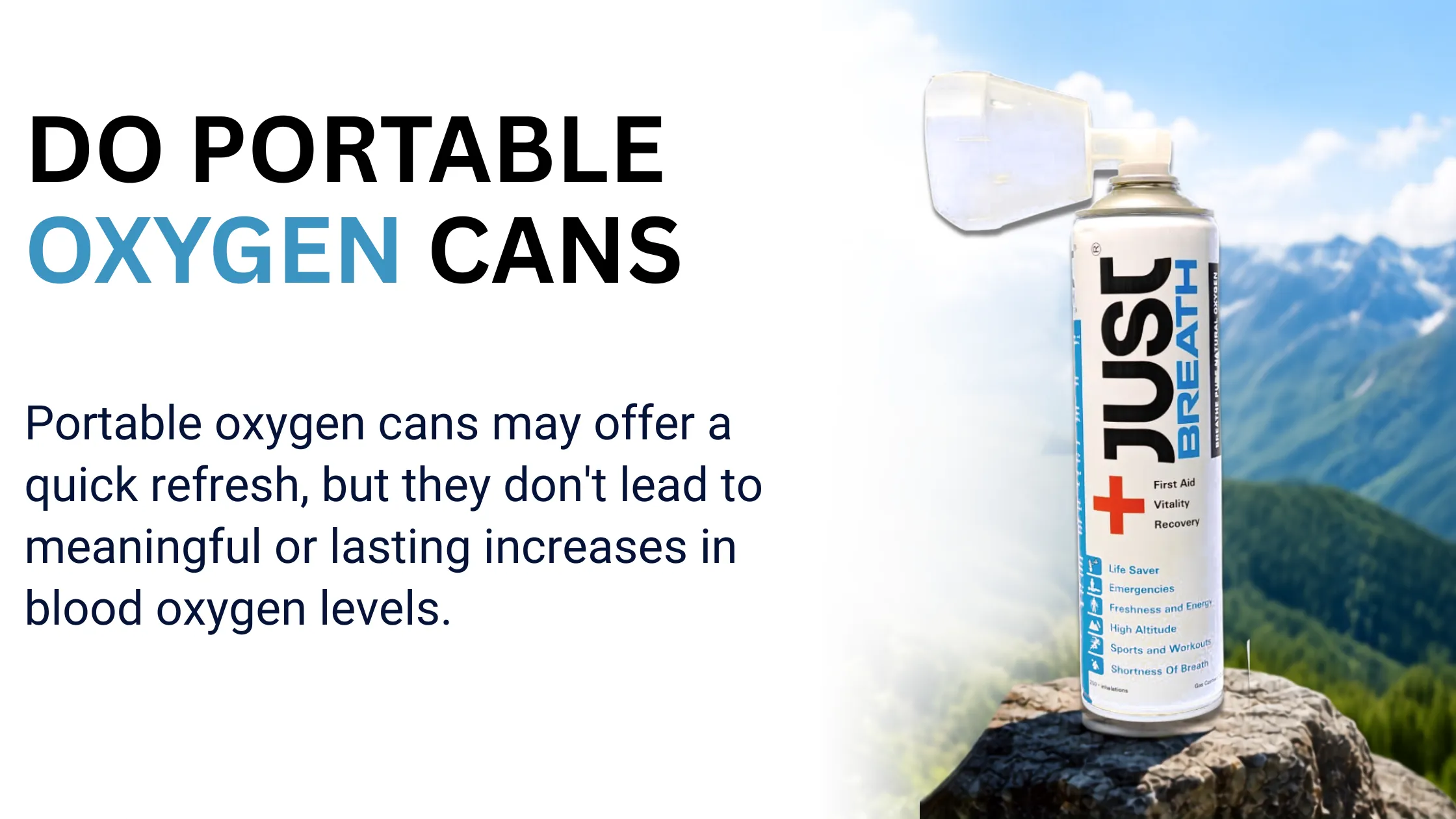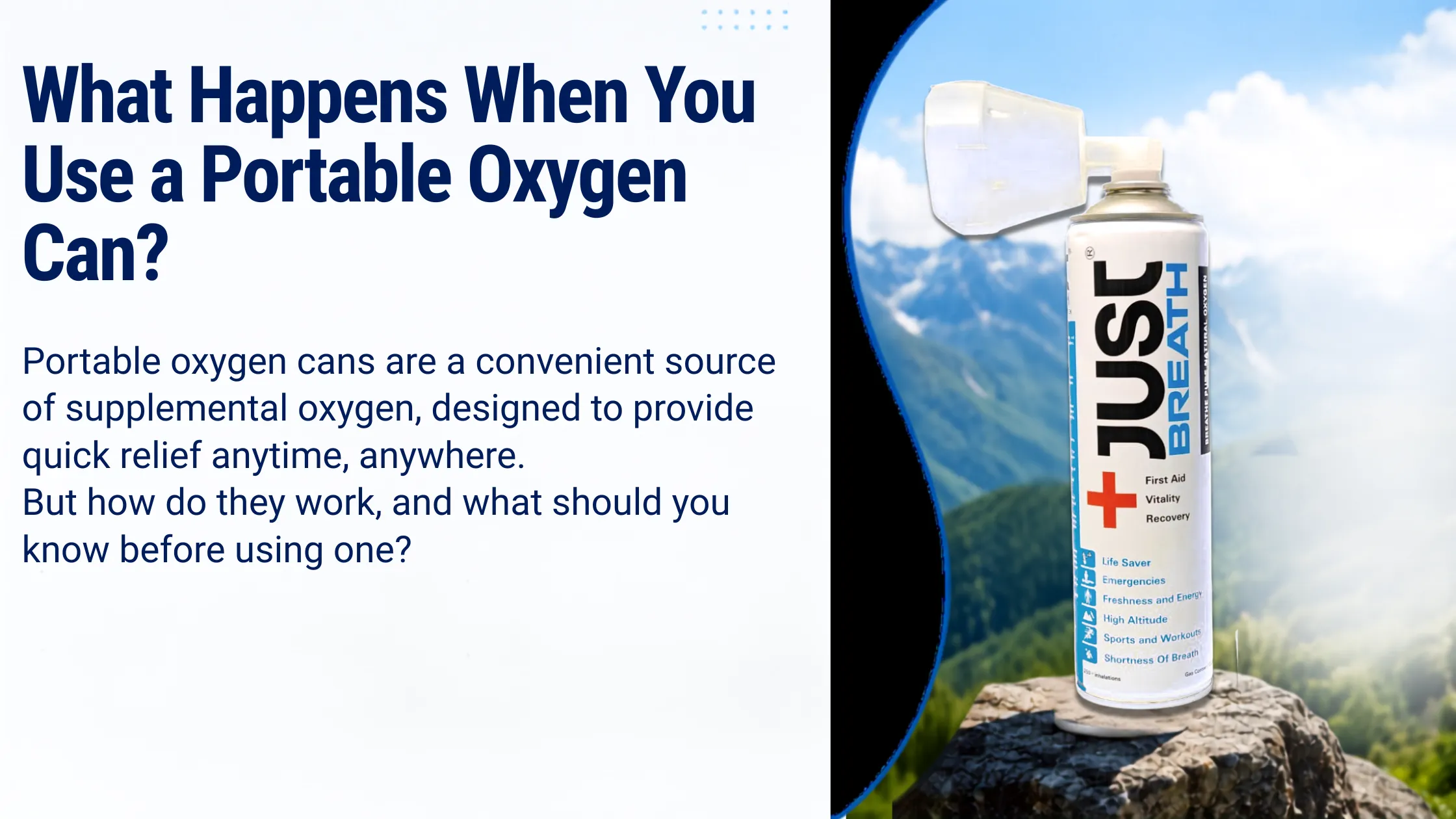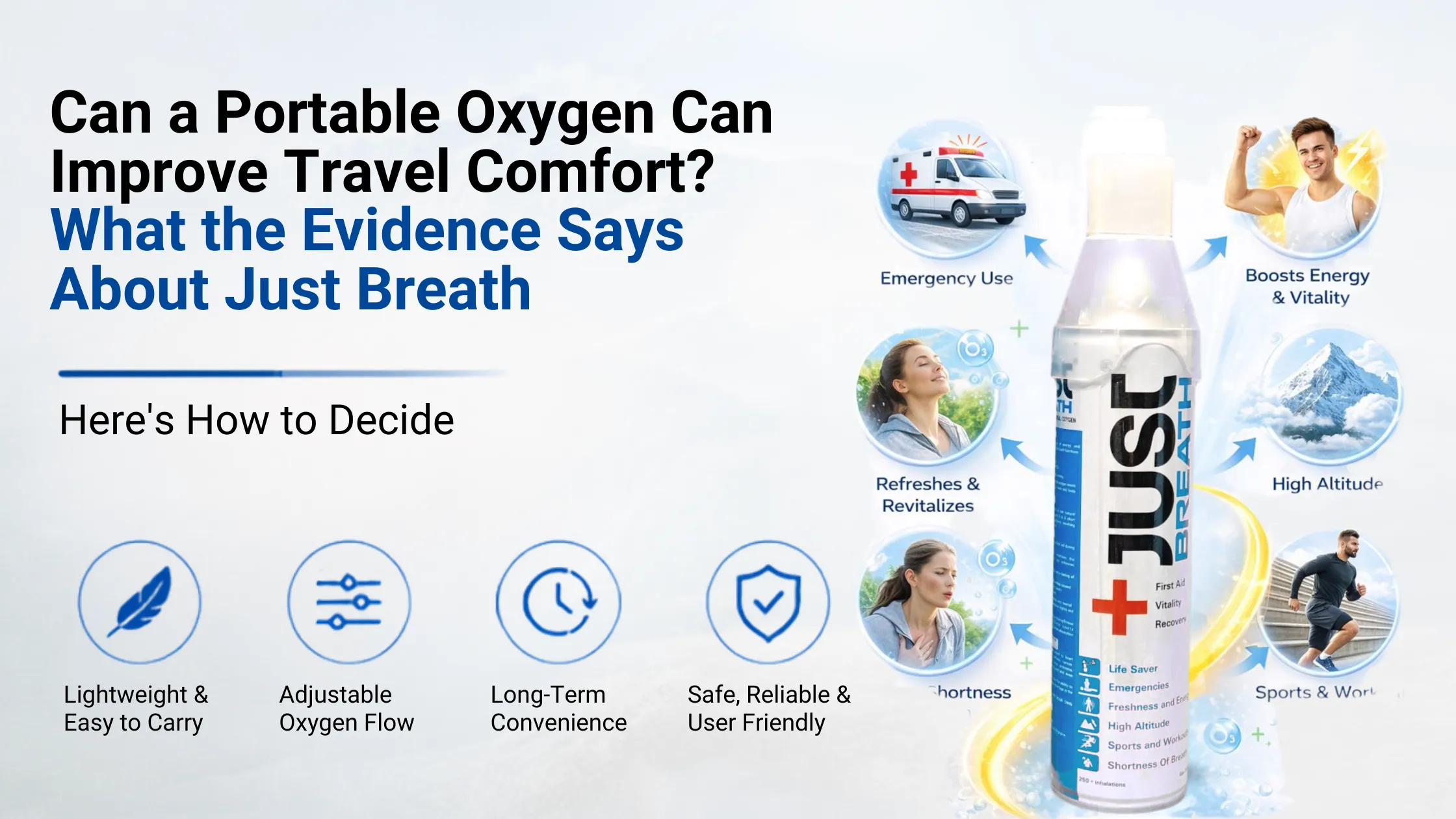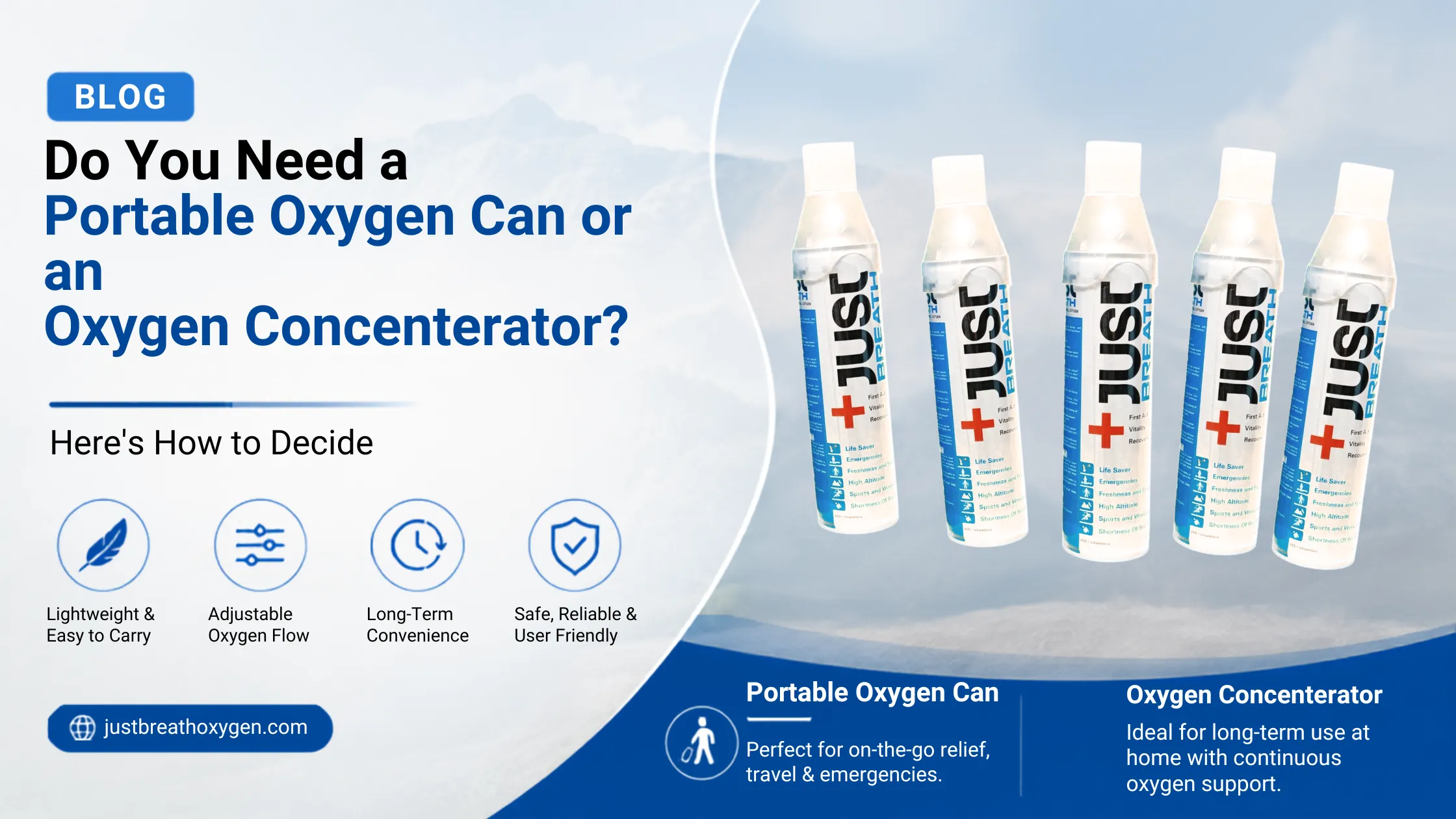
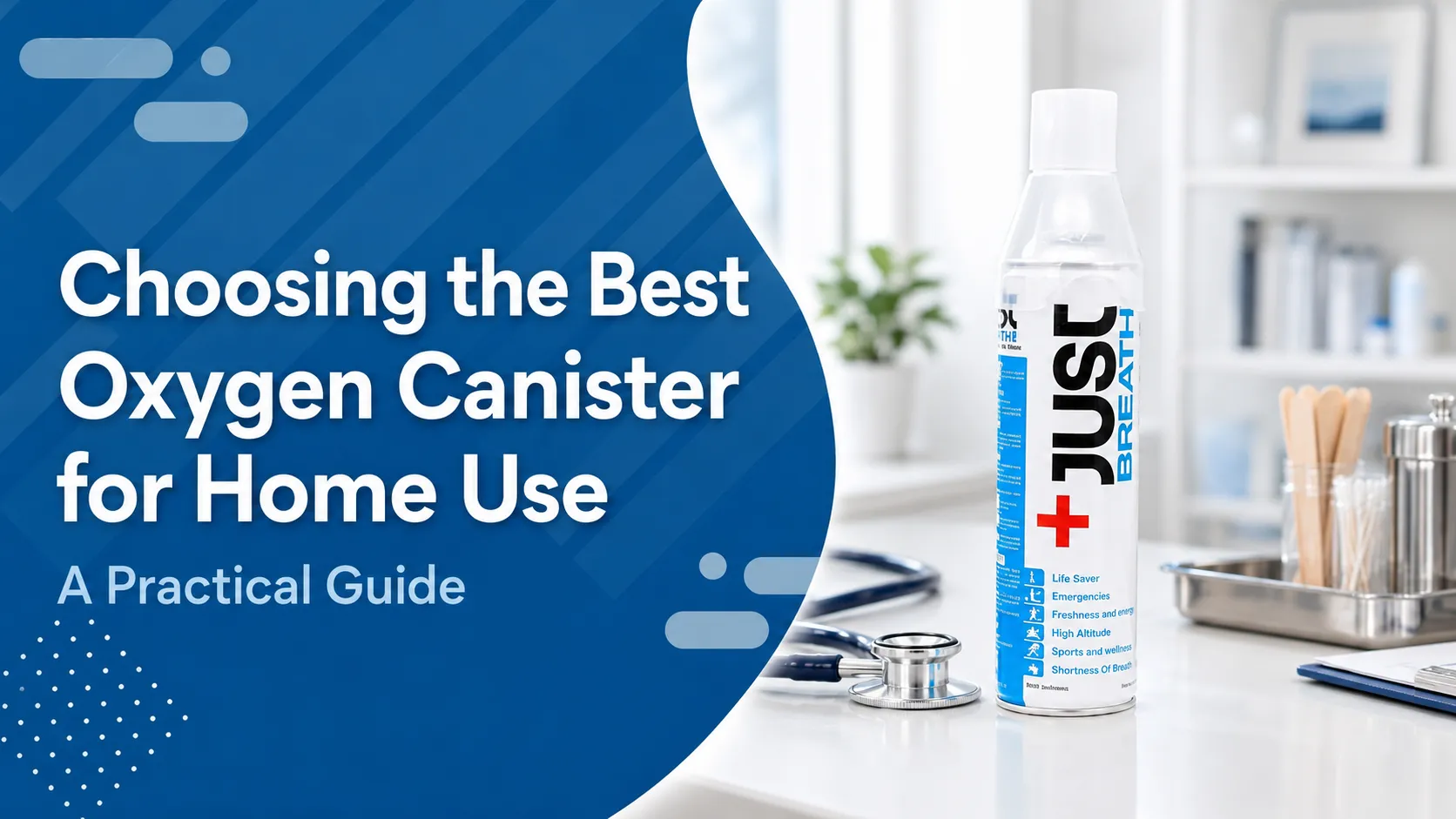
An oxygen canister is a handy item to keep at home, whether you live at high altitude, in a polluted city, or with an older family member who occasionally feels breathless. Not every canister is the same, though, and a careless purchase can waste money or put safety at risk. This guide covers what to check before you buy.
What Is an Oxygen Canister?
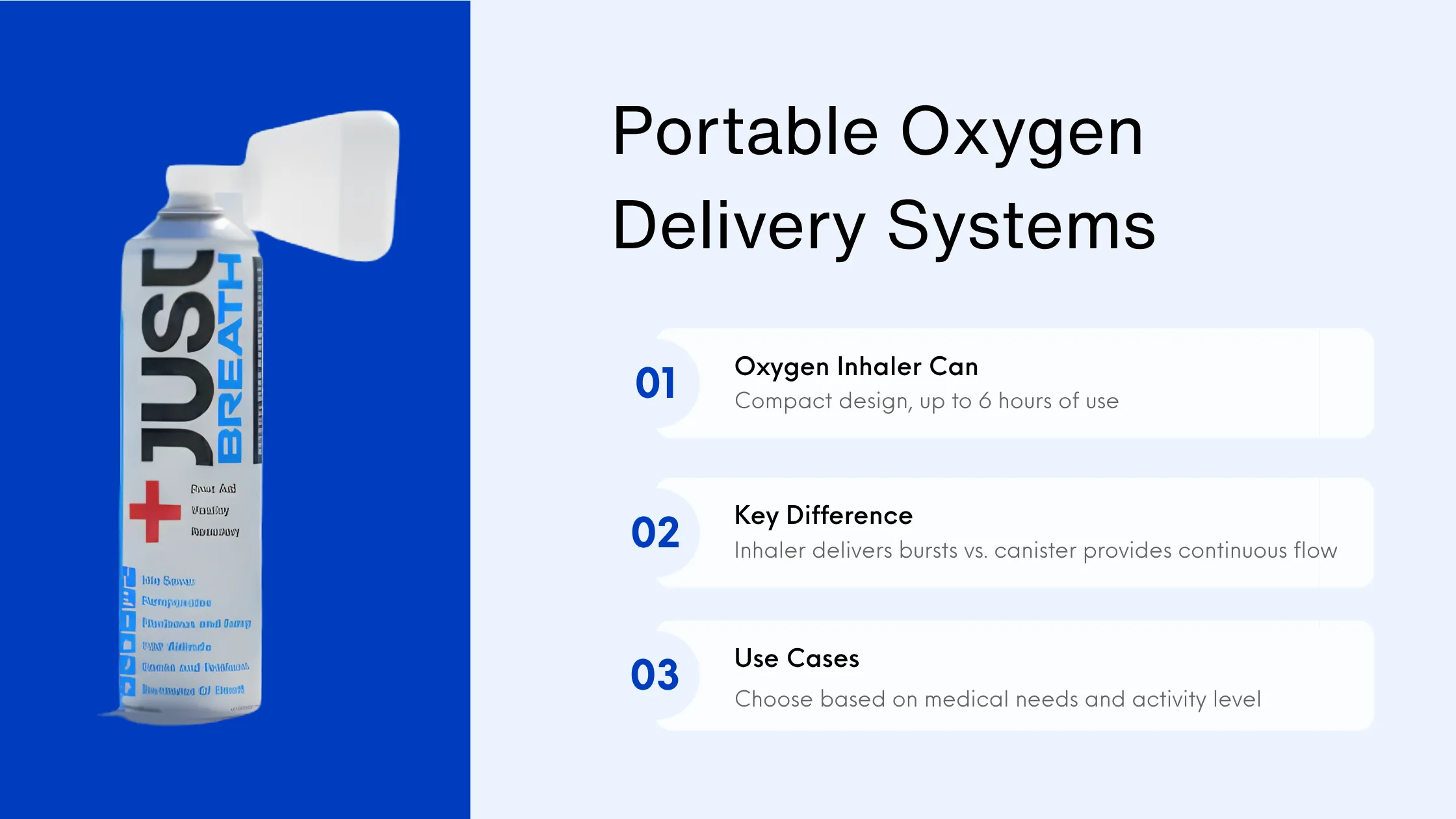
An oxygen canister is a small, portable, pressurized container filled with concentrated oxygen, usually fitted with a mask or nozzle for short-term inhalation. It is meant for supplemental, occasional use, such as after exertion, during fatigue, or at altitude. It is not a replacement for prescribed medical oxygen therapy or a hospital-grade oxygen concentrator.
1. Check Oxygen Purity
Look for a clearly printed purity level, typically 95% or higher for good-quality products. Brands that hide this detail, or give vague claims like “pure oxygen” with no figure, deserve caution. Reputable sellers also print the batch number, manufacturing date, and expiry date.
2. Choose the Right Size and Capacity
Capacity is usually listed in litres, along with an estimated number of inhalations. Here is a simple way to match size to need:
- Small canisters (travel size): Good for bags, cars, and short trips.
- Medium canisters: Suitable for a household that expects occasional use.
- Large canisters: Better for families or elderly members, but heavier and more expensive.
Remember that the stated number of inhalations is an estimate. Your actual use will vary with breathing rate and flow.
3. Look at the Mask, Valve, and Build Quality
A well-designed canister has a smooth-flowing valve, a snug-fitting mask, and sturdy, rust-free casing. Test that the valve opens and closes easily. A poor seal wastes oxygen, and a stiff valve is frustrating when you need it quickly.
4. Verify Certifications and Seller Credibility
Trust matters most with health products. Before buying:
- Check for quality or manufacturing certifications on the label or product page.
- Read verified customer reviews, not just the testimonials on the seller’s site.
- Confirm the seller provides contact details, a return policy, and customer support.
5. Prioritize Safety
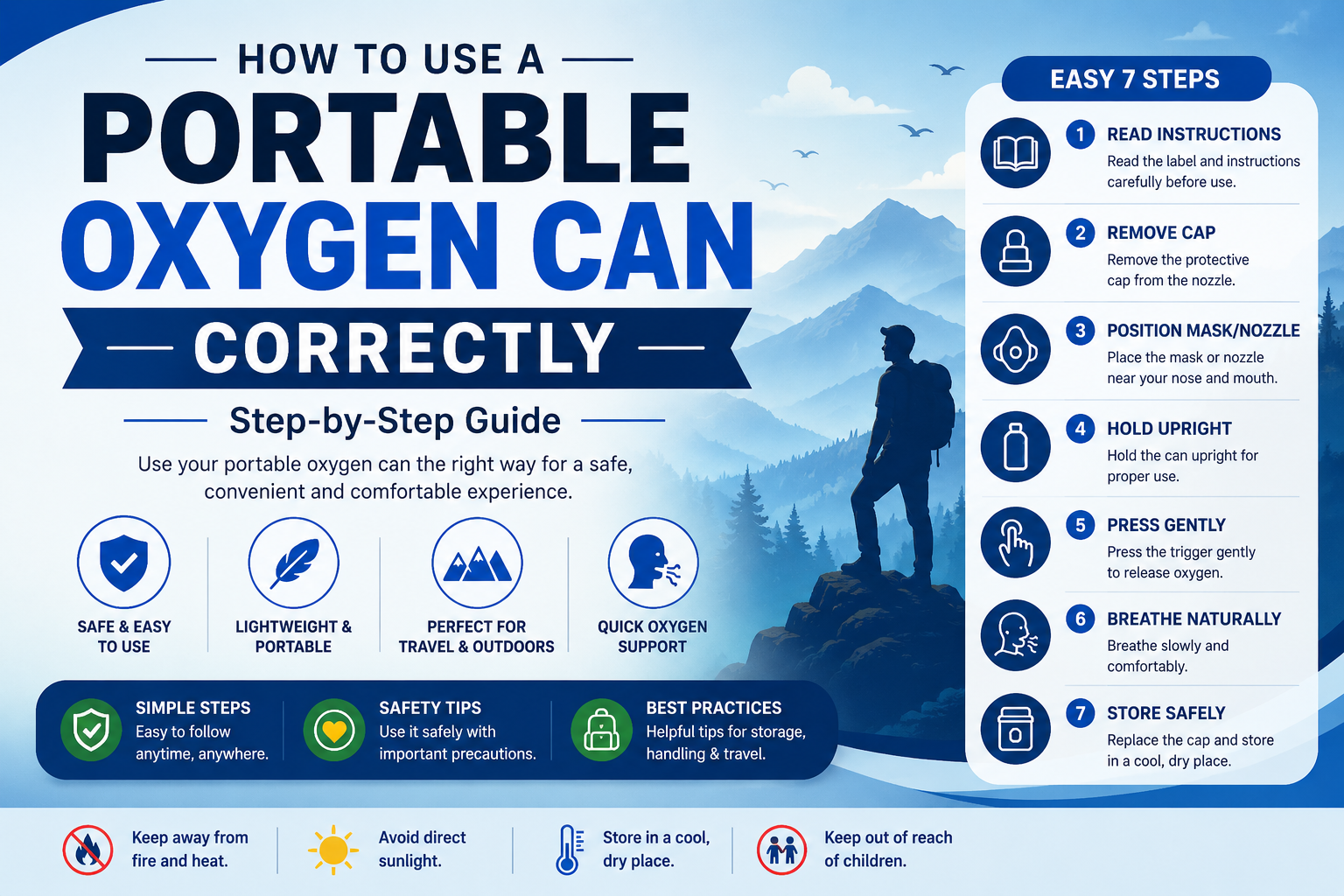
Oxygen supports combustion, so safe storage is essential:
- Keep canisters away from flames, heaters, gas stoves, and smoking.
- Store in a cool, dry, well-ventilated place away from direct sunlight.
- Never puncture, refill, or modify a canister.
- Keep it out of children’s reach.
6. Think About Shelf Life and Value
Check the expiry date and compare the price per litre rather than the sticker price alone. The cheapest option is not always the best value if it holds less oxygen or has uncertain quality. Buying a slightly more expensive canister from a trustworthy brand is usually the smarter choice.
When an Oxygen Canister Is Not Enough
A Portable Oxygen Can may provide a limited supply of supplemental oxygen, but it does not treat the underlying cause of breathlessness. If you or a family member has a chronic lung or heart condition, consult a healthcare professional before using one. In an emergency involving severe breathlessness, chest pain, bluish lips, or confusion, call your local emergency number (112 in India) or seek immediate hospital care rather than relying on a canister.
Final Thoughts
The best oxygen canister for your home is one with clearly stated purity, an appropriate size, a reliable valve and mask, accurate labeling, and a reputable seller. When choosing a Portable Oxygen Can, check the manufacturer’s instructions and storage requirements. Seek medical guidance when needed, and remember that consumer oxygen cans are not substitutes for prescribed oxygen therapy or emergency medical care.
FAQs
- How long does an oxygen canister last?
It depends on the size and how you use it. Most labels give an estimated number of inhalations. Check the expiry date as well, since unused canisters also have a shelf life. - Can I use an oxygen canister instead of a medical oxygen concentrator?
No. Canisters are for short-term, occasional supplemental use. Patients with prescribed oxygen therapy should follow their doctor’s advice. - Is an oxygen canister safe for elderly people?
Generally yes for occasional use if the instructions are followed, but a doctor should guide anyone with a heart or lung condition. - Can I refill an oxygen canister?
No. Disposable canisters should never be refilled or punctured. - How should I store an oxygen canister at home?
Keep it upright or as directed on the label, in a cool, dry, ventilated spot away from fire, heat, and children.