A lot of first-time visitors to Leh follow the same script. They land, drop the bags at the hotel, and head out for momos and a walk around the market because they feel fine. By the next morning, they have a headache that won’t go away, they’re a bit nauseous, and they’re annoyed at themselves for wasting a day.
The same thing happens in Spiti and on the road up to Gurudongmar in Sikkim. Most of these people are young and healthy. That’s exactly why it catches them off guard.
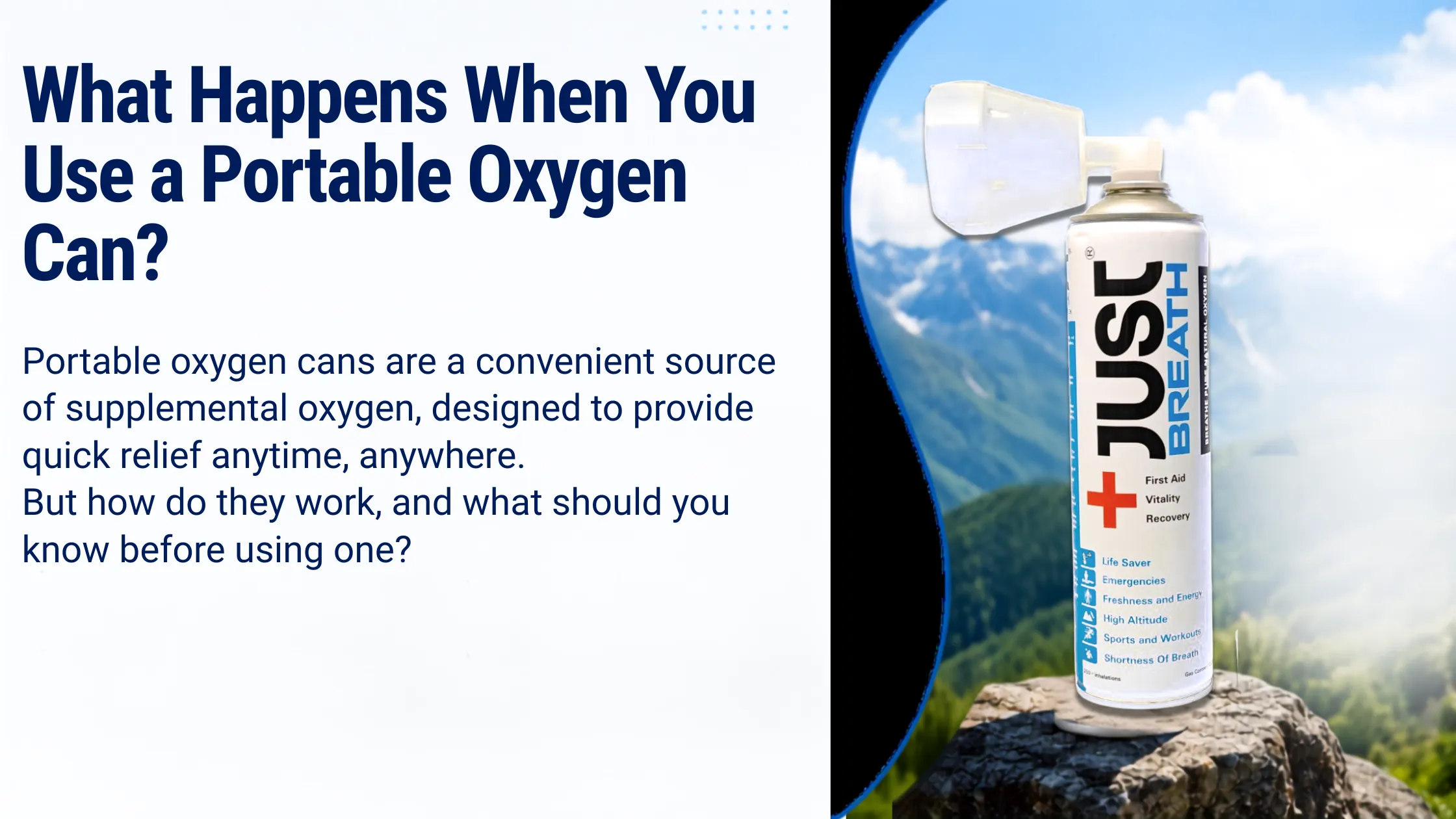
If you’re planning a trip like this, you’ve probably seen small oxygen cans mentioned in travel groups and reels. Some people say they saved their trip, others say they’re a waste of money. Both are partly right, so let’s sort out what an oxygen can for altitude sickness can actually do for you.
What Is Altitude Sickness and Why Does It Happen?
Most people assume there’s less oxygen in the air up in the mountains. There isn’t. The air at 4,000 metres is still about 21% oxygen, same as in Jodhpur or Mumbai. What drops is the air pressure, so each breath pushes less oxygen into your blood. Your body notices the shortage and starts working harder to make up for it.
Altitude sickness shows up when you climb faster than your body can adjust. The mild form is called Acute Mountain Sickness (AMS), and it can begin somewhere between 2,500 and 3,000 metres. That takes in a big chunk of the Indian Himalayas:
- Ladakh: Leh is about 3,500 m, Pangong Lake 4,350 m, and Khardung La goes past 5,300 m.
- Spiti: Kaza is around 3,800 m, and Komic and Hikkim sit above 4,400 m.
- Sikkim: Lachung is near 2,700 m, Nathula about 4,300 m, and Gurudongmar Lake is over 5,100 m.
- Uttarakhand: Kedarnath is about 3,580 m and Hemkund Sahib is over 4,300 m.
Being fit doesn’t protect you the way people expect. Some gym-goers get hit hard and some people who never exercise walk around Leh without a problem. Genetics plays a part, and so does plain luck. The two things you can control are how fast you go up and how many days you give your body to catch up.
There are also two serious forms. HAPE is fluid in the lungs and HACE is swelling of the brain. Both are emergencies, and I’ll come back to them near the end.
How Does an Oxygen Can for Altitude Sickness Help at High Altitudes?
Yes, it helps, but only in a limited way.
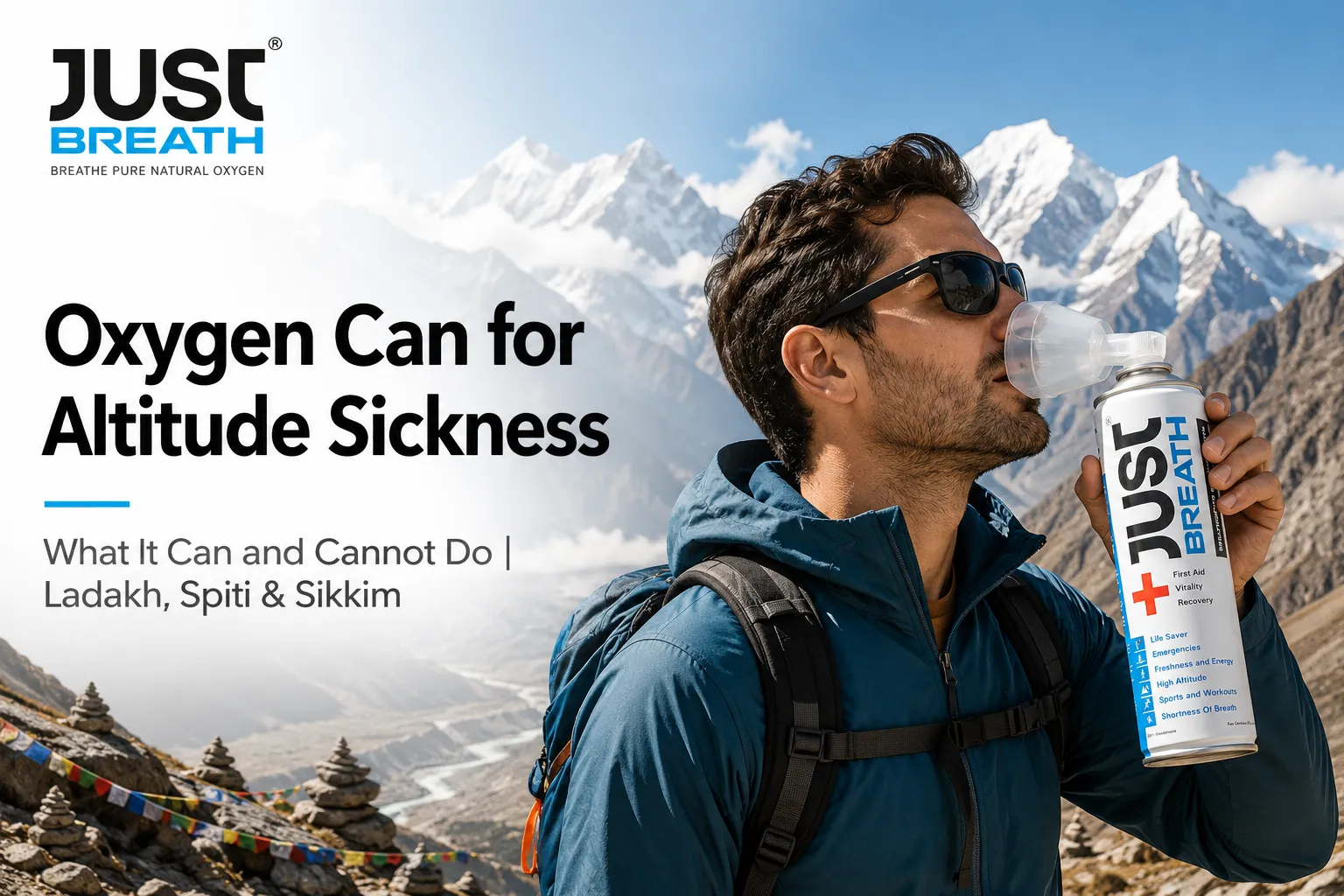
Doctors and rescue teams have used extra oxygen at altitude for a very long time. When you breathe from a can, the oxygen in your blood goes up for a while, and most people feel the difference quickly. A mild headache eases, the breathlessness settles, and the dizzy, hollow feeling after a hard day fades a bit. If you’ve just crossed a high pass and feel wrecked, a few breaths from an oxygen can for altitude sickness can make the evening far more bearable.
What a can doesn’t do is acclimatise you. Acclimatisation is your body slowly changing how it breathes and how much oxygen-carrying blood it makes, and that takes days. Once you stop using the can, your body is exactly where it was before. All you’ve done is borrowed some comfort.
The size matters as well. A portable can holds a limited number of breaths. It’s meant for short relief, not for treating someone who is seriously ill. HAPE and HACE need medical-grade oxygen in much larger amounts, proper medicines, and descent to a lower altitude. A small can can’t handle that alone, and it’s dangerous to pretend it can
If you want a comparison, a can is like the fire extinguisher in your car. Good to have, and it might buy you precious minutes, but nobody drives recklessly just because they’re carrying one.
Early Warning Signs Every Traveller Should Know
Altitude sickness is much easier to deal with when you catch it early. The trouble is that early symptoms look like ordinary tiredness. They usually appear 6 to 24 hours after you reach a new height, often at night, so people blame the long drive or the bad sleep.
Mild AMS usually starts with a headache. After that you might feel nauseous or lose your appetite, feel dizzy, get unusually tired, or wake up several times at night feeling short of breath. If you notice two or three of these together, take it seriously and stop climbing for the day.
The danger signs are different, and they mean you act right away. These include a headache that doesn’t ease with rest, water or a painkiller, and breathlessness while sitting still. A wet, bubbly cough or pink, frothy spit can point to HAPE. Confusion, slurred speech, strange behaviour, or walking like you’ve had too much to drink can point to HACE. Blue or greyish lips and fingertips are a bad sign too.
I’d also say this plainly: don’t hide how you feel. Plenty of people stay quiet because they don’t want to ruin the plan for the group. Altitude illness doesn’t care about plans, and it almost never goes away because you ignored it. Tell your friends, your driver or your homestay host as soon as something feels off.
A pulse oximeter can be a useful extra, but it confuses a lot of people. Readings in the 80s are quite common at 4,000 m and above, even in healthy travellers. Read the number alongside how you actually feel, never on its own.
Safe Ascent Rules for Leh, Spiti and Sikkim
Most altitude sickness can be avoided just by planning the route sensibly. Doctors and mountaineers follow the same simple rules.
Go up slowly.
Once you’re above about 3,000 m, try not to raise your sleeping altitude by more than 300 to 500 metres a day. Add a rest day every few days if your schedule allows.
Take the first two days in Leh easy.
A flight from the plains drops you at 3,500 m within an hour or so. Rest on day one and, if you can, day two. Skip heavy meals, long walks and late nights. This one habit saves more trips than any medicine or gadget.
Climb high, sleep low.
Going up to a high point during the day and coming back down to sleep is much easier on the body than sleeping at the top. It’s one reason Nubra, reached over Khardung La, usually goes better than people fear.
Don’t rush Spiti.
The drive from Shimla to Kaza gains height quickly. Stop for a night at Kalpa or Chitkul on the way, and don’t head straight to Kibber or Komic on your first day in the valley.
Build up slowly in Sikkim.
Gangtok is low, so work your way up through Lachung or Lachen before attempting Gurudongmar. The start is very early, which means you reach 5,000 m or more on a short night’s sleep. A lot of people feel the effects there for exactly that reason.
Handle the basics.
Drink water regularly, eat light, and avoid alcohol and smoking for the first few days. Alcohol and sleeping pills can slow your breathing at night, which is the last thing you want at altitude.
Talk to a doctor before you leave.
Some travellers take medicines such as acetazolamide to help prevent altitude sickness, but it isn’t suitable for everyone. Get the advice and the dose from a doctor, not from a travel forum. This matters even more if you have heart, lung, blood pressure or pregnancy-related concerns.
Across Ladakh, Spiti, Sikkim and Uttarakhand, altitude sickness in India almost always has the same cause: going too high, too fast.
Where an Oxygen Can Fits in Your Altitude Kit
Your altitude kit is really a set of layers, and the can is one of them.
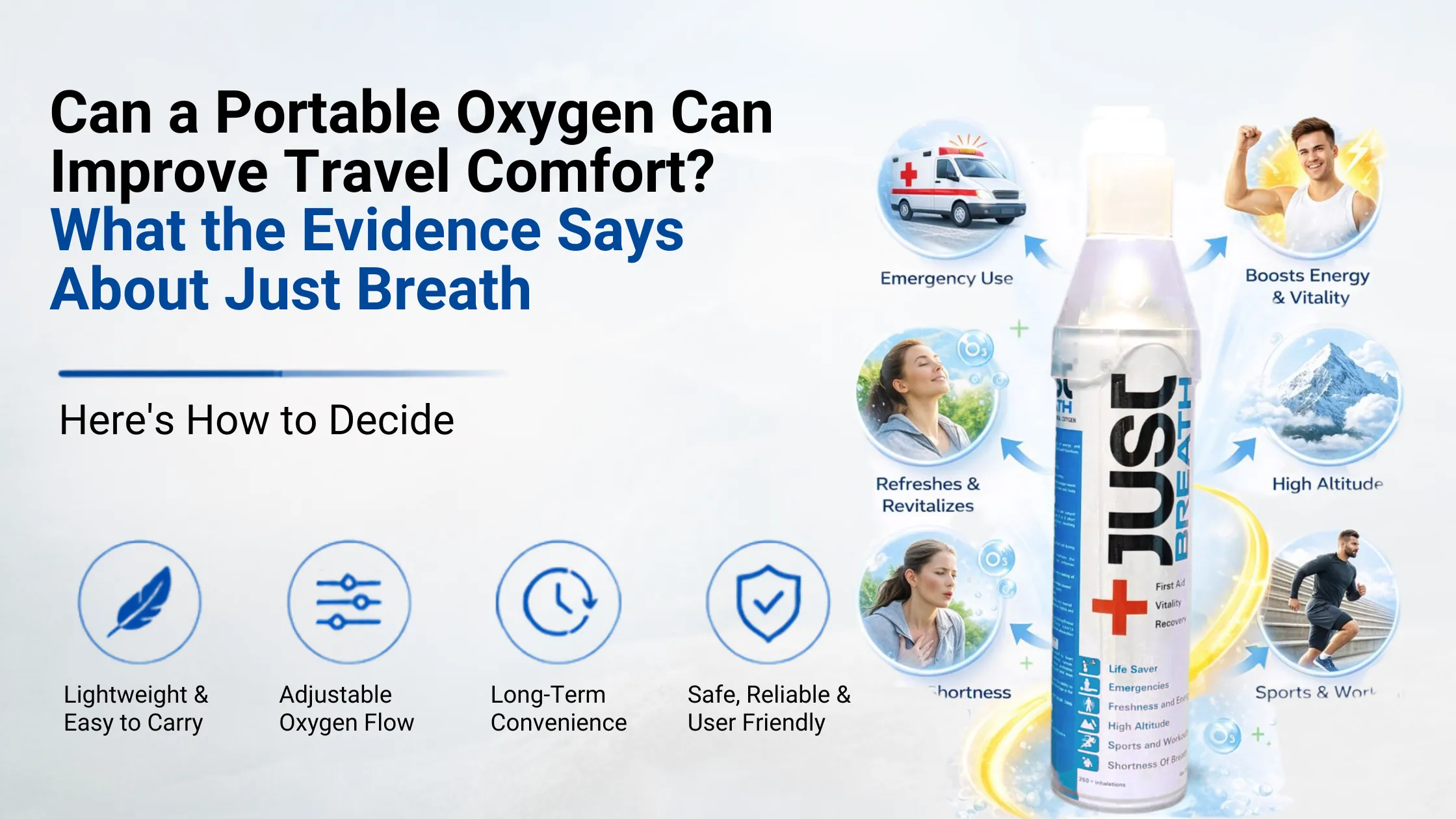
The foundation is a slow itinerary with a few buffer days. On top of that come enough water and light snacks, warm clothes, sun protection, a basic first-aid kit and your regular medicines. Add a pulse oximeter if you want one, and any altitude medicine your doctor has recommended. An oxygen cylinder for high altitude sits on top of all this as your quick-relief option.
In practice, the can is most useful in a few situations. One is after a long day over a high pass, when you’re breathless with a mild headache and want some relief. Another is on remote stretches, because many routes in Ladakh and Spiti have hours between towns, and having something within reach is reassuring. Families travelling with parents or grandparents often like having a first response ready while they decide what to do next. Pilgrims heading to Kedarnath or Hemkund Sahib also find a small can handy on the climb.
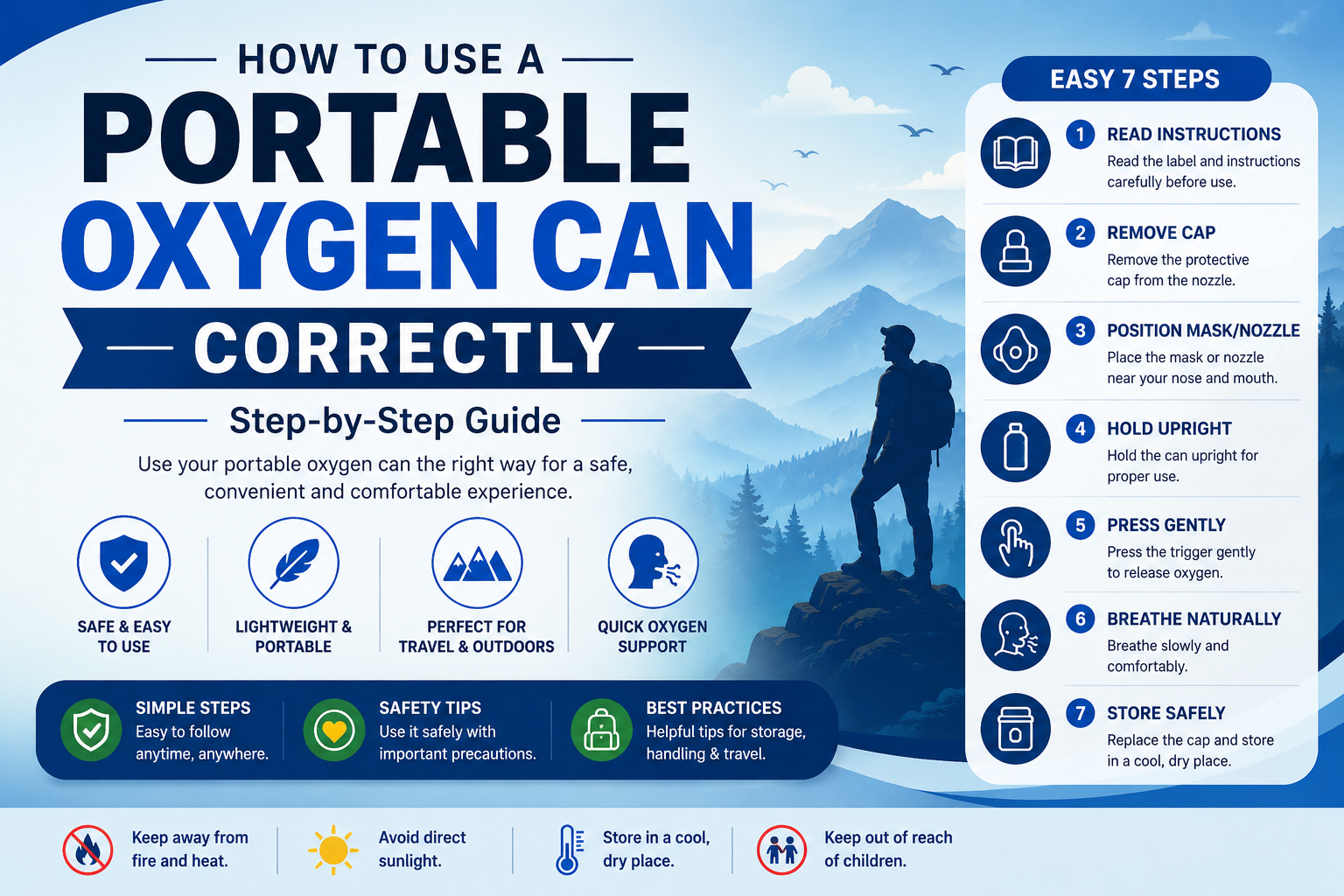
Two small practical points. Keep the can where you can grab it fast, not at the bottom of the bag in the car boot. And read the instructions at home, before the trip. Nobody wants to work out a new product while gasping for air.
One more caution, and it matters: don’t use the can to keep climbing when your body is telling you to stop. Covering up symptoms with oxygen and carrying on upward is a very common way for mild AMS to turn serious.
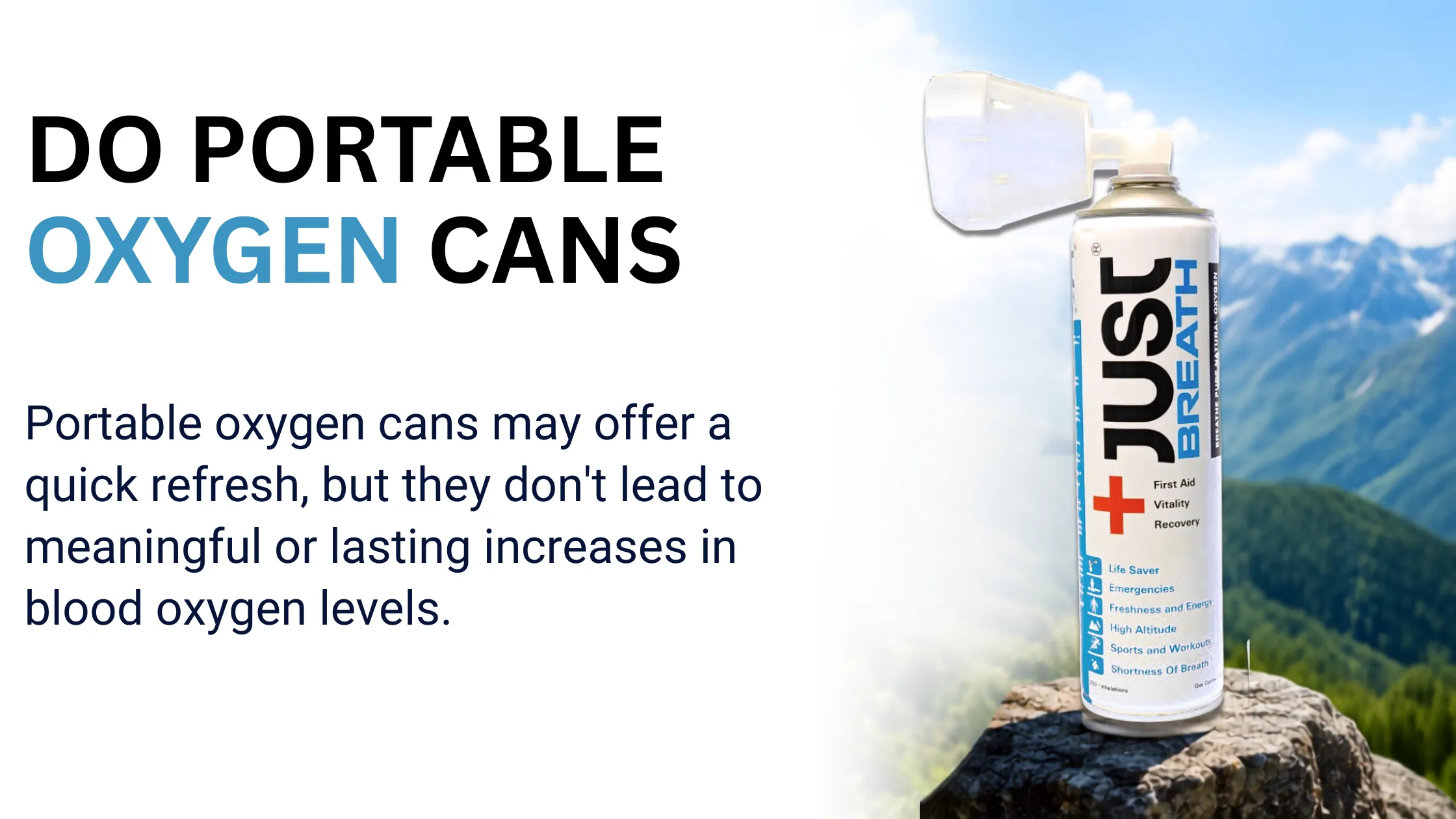
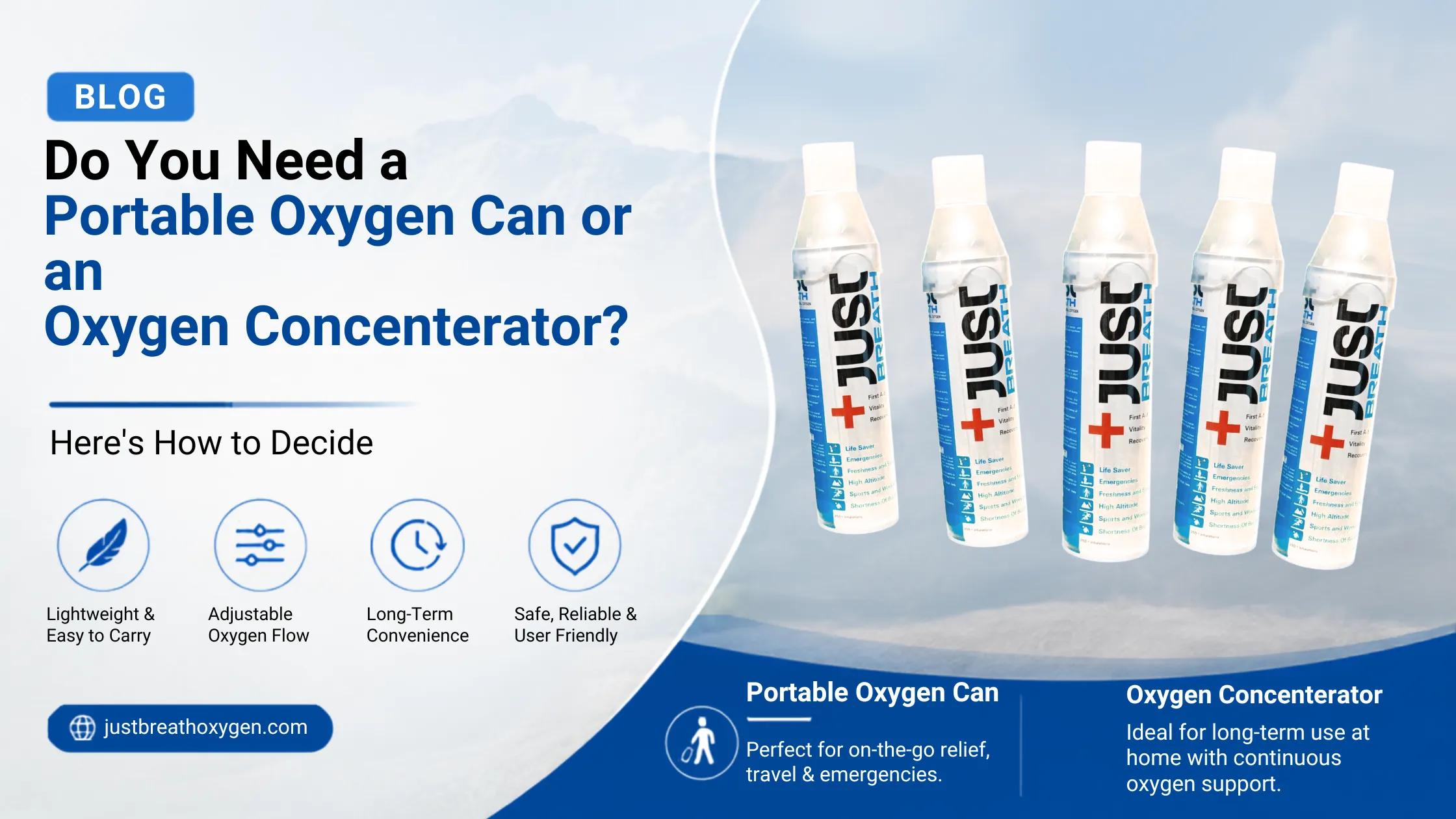
Our portable cans at Just Breathe Oxygen are made for this exact job. They give you quick, simple relief while you decide what to do next, and they aren’t a replacement for acclimatisation or medical care.
When You Must Descend Instead of Using a Can
If you only read one section of this post, read this one.
Going down is the single best treatment for altitude sickness. Even dropping 300 to 500 metres can make a real difference. Oxygen can make the trip down more comfortable, but it should never replace the decision to go.
Descend straight away if symptoms keep getting worse despite rest and oxygen, if you’re breathless at rest or have a wet, bubbling cough, or if there’s confusion, poor balance or unusual sleepiness. The same goes for a severe headache with vomiting, or if anyone in your group can’t walk normally or is behaving strangely.
In these situations, don’t wait for morning and don’t wait for it to pass. Get a vehicle, go lower, and reach a doctor or hospital. Use oxygen on the way as support, and tell someone you trust where you are.
Local drivers, homestay hosts and tour operators in Leh, Kaza and Lachung have seen altitude sickness many times, and they usually know where the nearest medical help is. Ask them on the day you arrive, not once you’re already unwell.
Final Thoughts
An oxygen can is a handy thing to carry in the mountains, but it isn’t magic. A portable oxygen can can ease symptoms, give you some comfort and buy you a little time. It can’t replace a slow ascent, a sensible plan, or the willingness to turn back when your body says it’s had enough.
Leave room for rest days, learn the warning signs, pack a small can as one layer of your kit, and remember that going down is the best medicine you have. Do that, and the mountains will give you good stories to tell later.
Heading to Ladakh, Spiti, Sikkim or Uttarakhand soon? Have a look at the portable oxygen cans at Just Breathe Oxygen and travel a little better prepared.
FAQ
Q 1. Does an oxygen can help with altitude sickness?
Yes, for short-term relief. A few breaths can ease a headache, dizziness or breathlessness within minutes. But a can doesn’t acclimatise you or treat serious AMS, HAPE or HACE. Slow ascent, rest and descent are the real fix.
Q2. At what altitude do you need an oxygen can?
There’s no fixed height. AMS can begin around 2,500 to 3,000 m, and many people first feel it in Leh at 3,500 m. Some never need a can, while others feel off lower down. Carry one as a backup and use it only if symptoms appear
3. Do I need oxygen in Ladakh?
Not everyone does, but it’s smart to have it. Leh sits at 3,500 m, and Pangong, Nubra and Khardung La go higher. Rest on arrival and keep a small can for quick relief from a headache or breathlessness, not to climb faster.
Q 4. Can I use an oxygen can with Diamox?
Generally yes, because Diamox is a preventive tablet and oxygen is quick relief. They do different jobs. Still, check with your doctor before the trip, especially if you have heart, lung or kidney issues, or a sulfa allergy.
Q 5. How many cans should I carry for Leh-Ladakh?
It depends on your group, route and how remote it is. Many travellers carry one or two cans per person, and more for elders or long, isolated stretches. Cans give short relief only, so serious symptoms still mean going down.
6. What are the first symptoms of AMS?
A headache is usually the first sign, often 6 to 24 hours after reaching a new height. Nausea, poor appetite, dizziness, unusual tiredness and broken sleep follow. If two or three show up together, stop climbing and rest.
Q 7. Is it safe to use an oxygen can without a doctor’s advice?
A can is generally low-risk for short relief, but it shouldn’t replace medical advice. See a doctor before travel if you have heart, lung or BP issues, or are pregnant. If symptoms worsen, descend and get medical help.