A few years ago, hardly anyone you knew owned a portable oxygen canister. Now you see one in a trekker’s backpack, on a shelf in a parent’s bedroom, or tucked into the door pocket of a car heading up to Manali. People are curious about it, and most of them have the same handful of questions. What’s actually in the can? How long will it last? Is it safe? Do I even need one?
We’ll answer all of that here, without the jargon.
What Is a Portable Oxygen Canister?
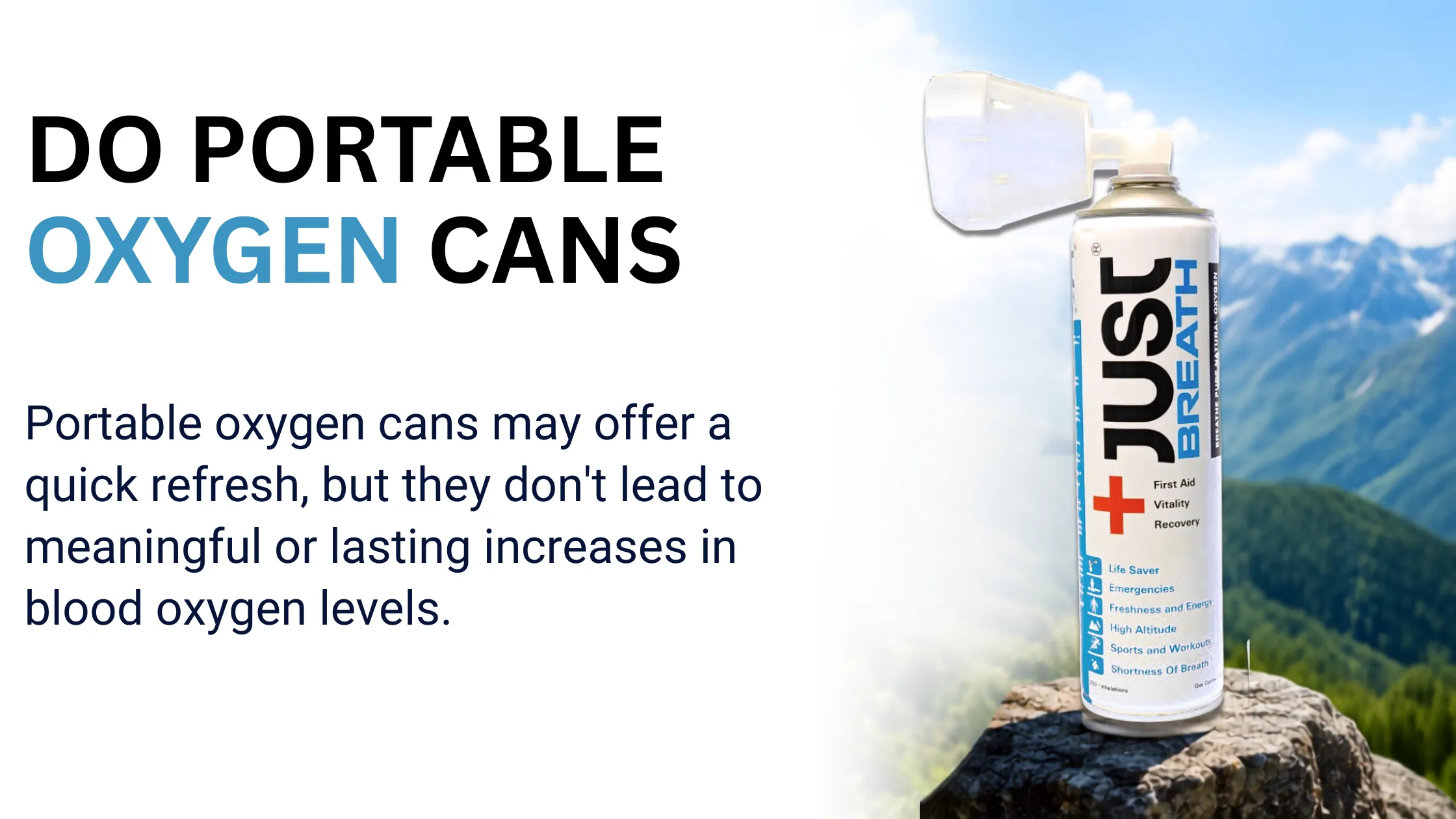
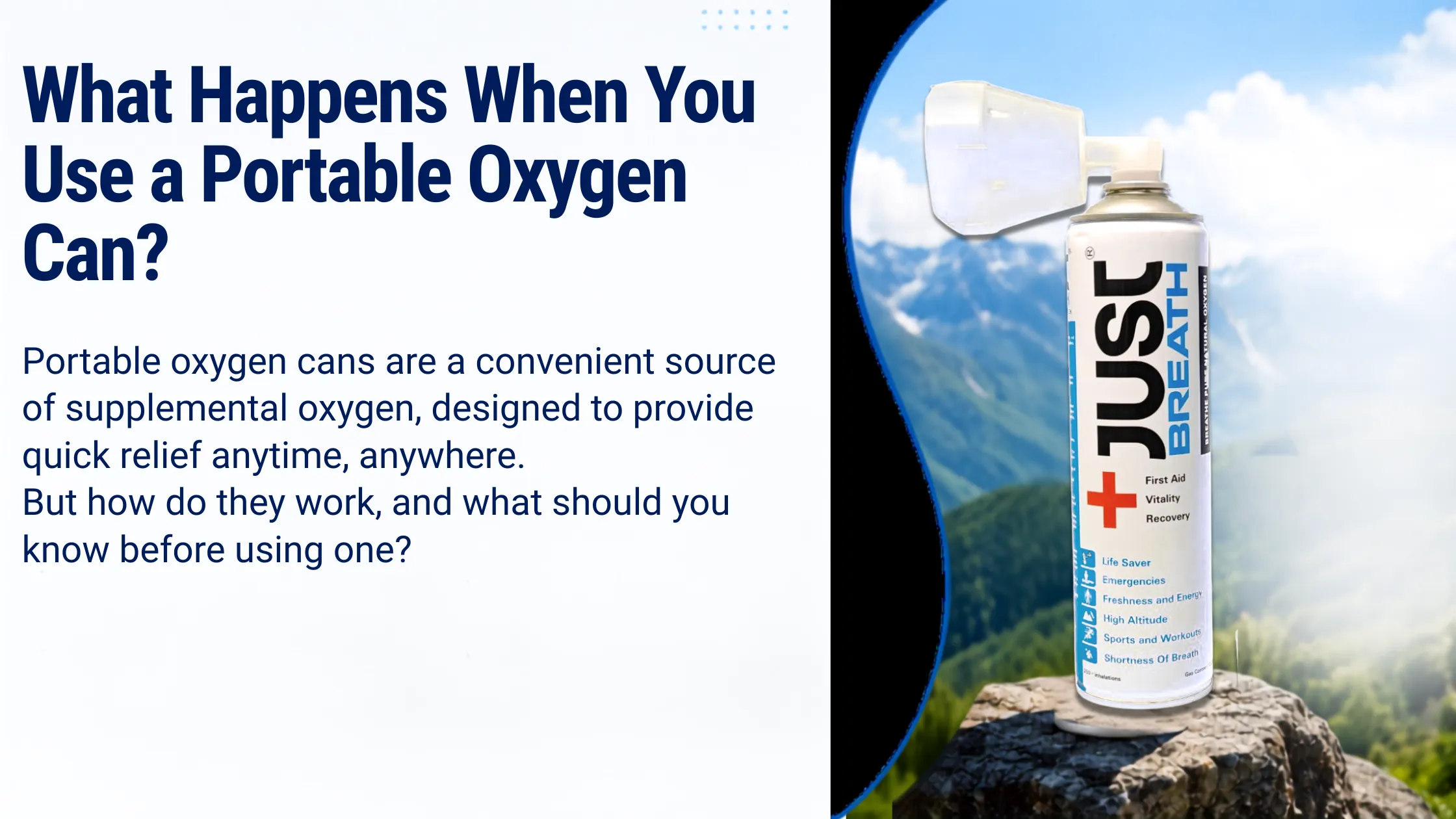
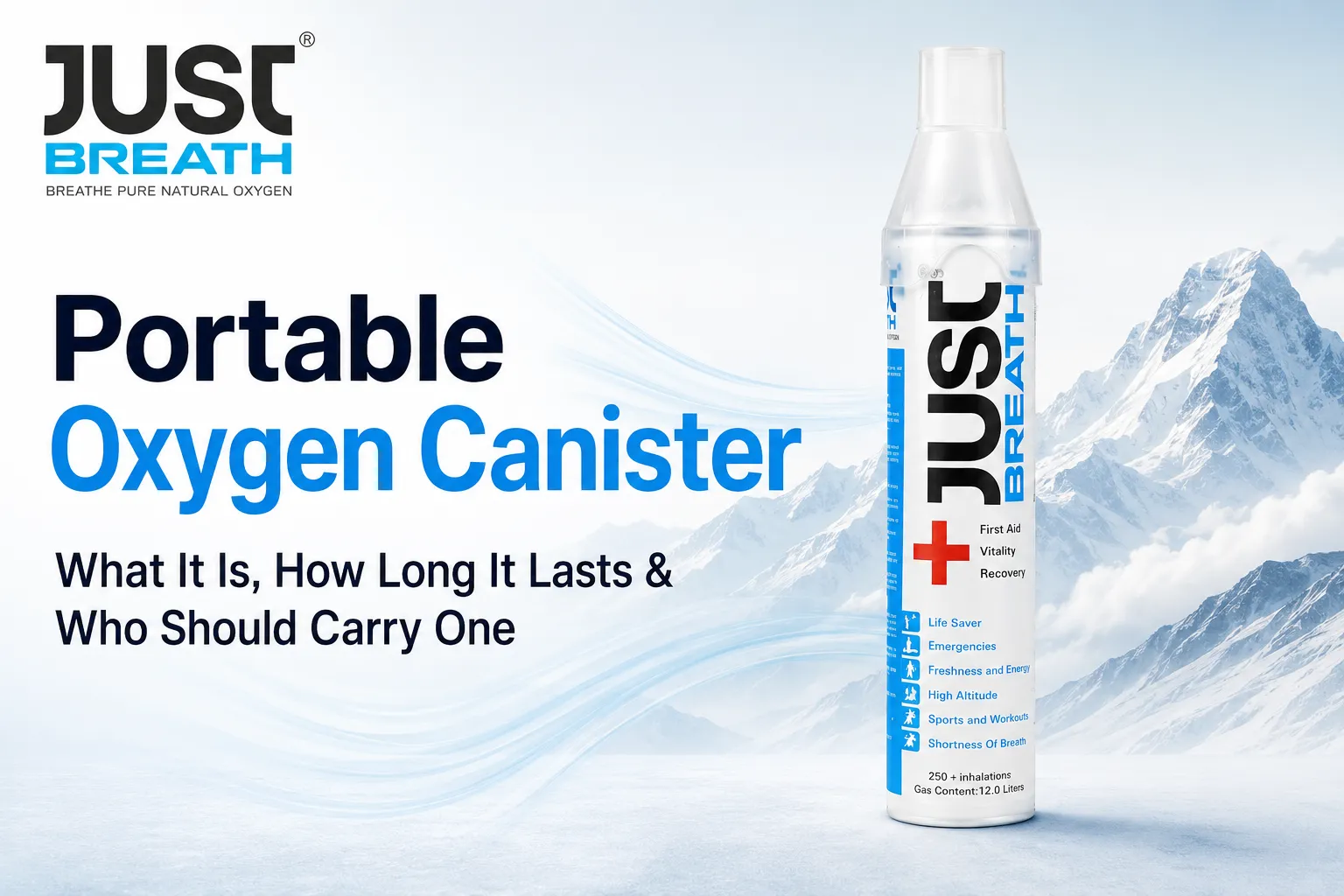
A portable oxygen canister is a small can of concentrated oxygen that you carry with you. There’s a mask on the top. You press the nozzle, breathe in, and get a quick boost of oxygen. That’s the whole idea. No electricity, no tubes, nothing to assemble.
You’ll see it sold under different names. Some people say small oxygen canister, others just say oxygen canister, and you’ll also hear portable oxygen can or mini oxygen cylinder. They all mean roughly the same thing: a light, handy can made for short, occasional use.
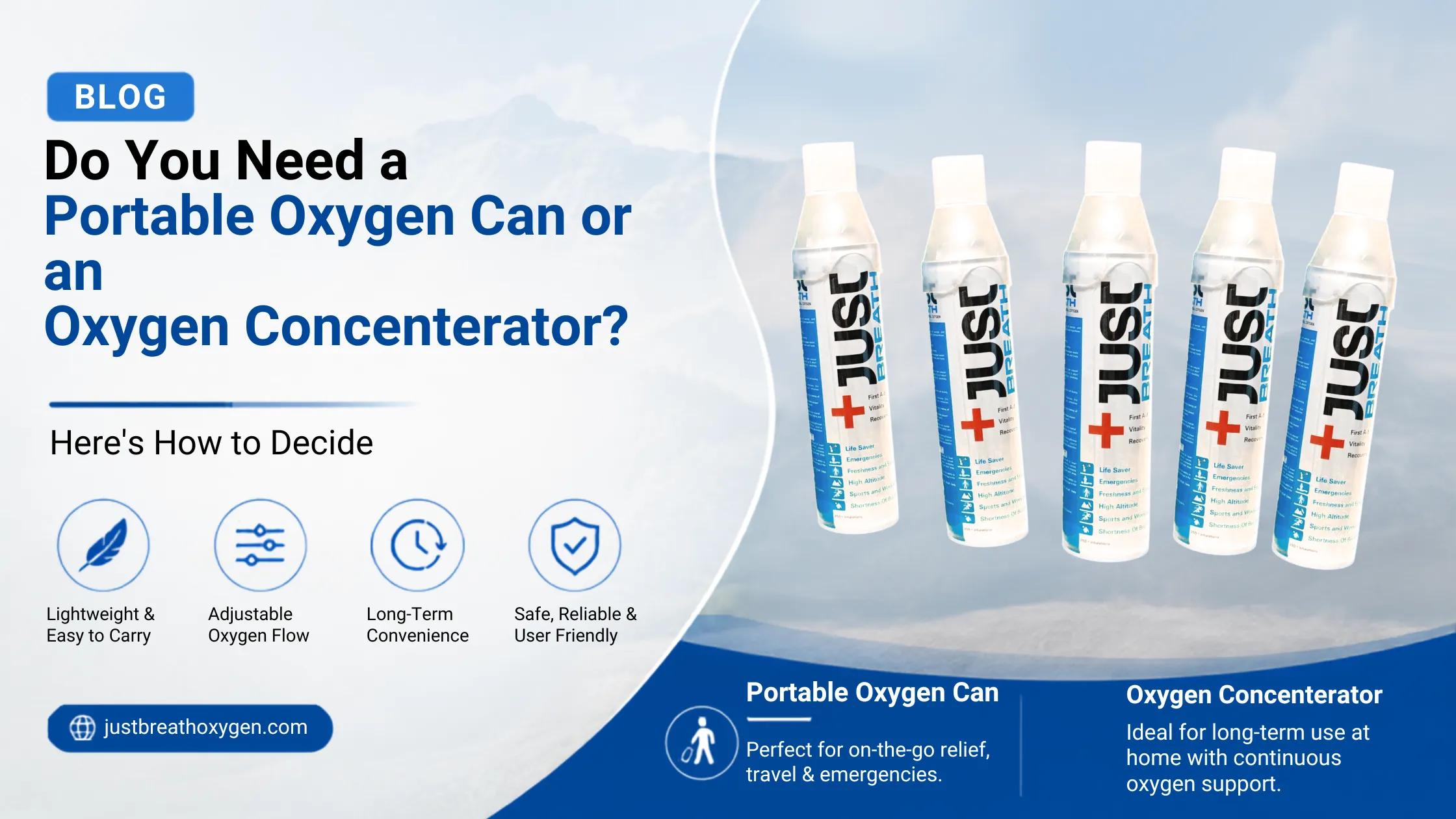
It helps to be clear about what it is not. It’s not the heavy cylinder you see beside a hospital bed, and it’s not the oxygen concentrator some families keep at home for a patient. Those are medical devices, meant to be used on a doctor’s advice. A canister is a comfort product. It’s something you keep around for the moments when you feel short of breath, and you need a little help while you rest or get somewhere better.
Inside is compressed oxygen, usually sold as 90% to 99% pure. Every brand states its own figure, so look at the label before you buy. The air we normally breathe has only about 21% oxygen, which is why a few breaths from a can can feel noticeably different.
How a Portable Oxygen Canister Works (Valve, Mask, Nozzle)
Nothing complicated here. There are three parts, and each does one job.
The valve sits at the top of the can and keeps the oxygen locked in until you want it. The nozzle is the part you press. On most canisters, oxygen flows only while you’re pressing it, so you’re not losing any when you pause between breaths. The mask is a soft cup that fits over your nose and mouth and attaches to the nozzle. Without it, most of the oxygen would just drift into the room.
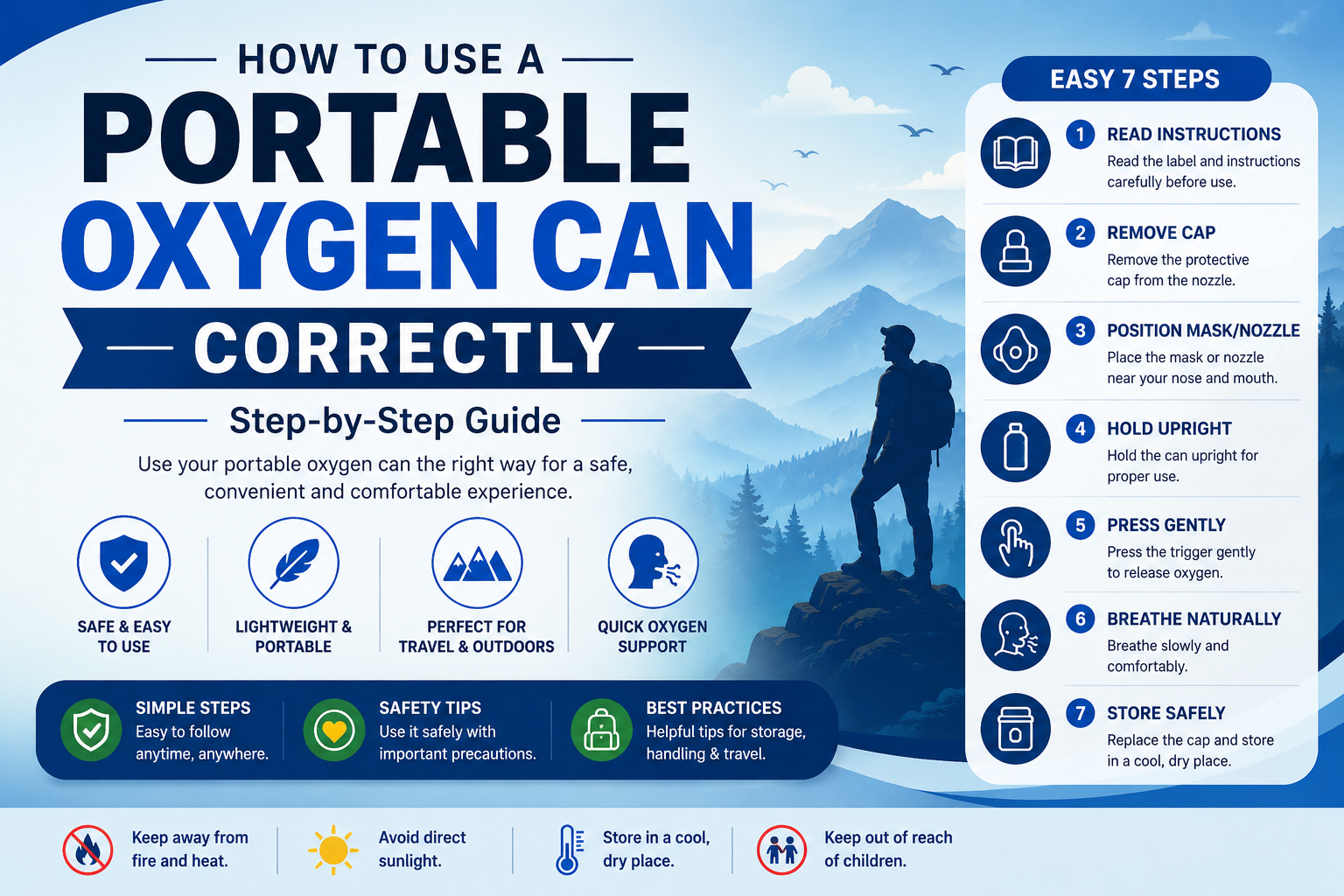
Using a portable oxygen can takes about ten seconds to learn. Sit down if you can, and try to stay calm, because panic makes you breathe faster and waste more oxygen. Press the mask gently over your nose and mouth. Press the nozzle, take a slow, deep breath in, then let go while you breathe out. Repeat until you feel better or the can runs dry.
Every brand is a little different, so read the instructions on yours once, ideally before you’re out of breath and in a hurry.
One rule matters more than the rest. Oxygen makes fire burn faster. Keep the can away from candles, gas stoves, cigarettes, incense and anything hot. Never use it near an open flame.
How Long Does One Canister Last?
Anyone who gives you one exact number for this is guessing. The real answer is that it depends on a few things.
The size of the can is the first one. Canisters are usually sold in litres, and most fall somewhere between 5 and 12 litres. A bigger can holds more. Your breathing is the second. If you’re gasping after climbing stairs or a steep trail, you’ll go through it faster than someone taking calm, slow breaths. And the third is how you press the nozzle. Pressing only while you inhale makes a big difference compared with holding it down the whole time.
As a rough guide, a lot of canisters give somewhere around 60 to 150 inhalations. Used in short bursts, that can stretch over several uses. Used continuously, it might be over in a few minutes. Treat these numbers as estimates and check what your brand claims.
A few small habits help a can last longer. Use it only when you really need it. Breathe slowly. Let go of the nozzle between breaths. Store it somewhere cool and dry, away from sunlight.
And if you notice you’re using up cans quickly, or you feel you need oxygen every other day, don’t just keep buying more. That’s a sign to book an appointment with a doctor and find out what’s going on.
Who May Benefit From Carrying One
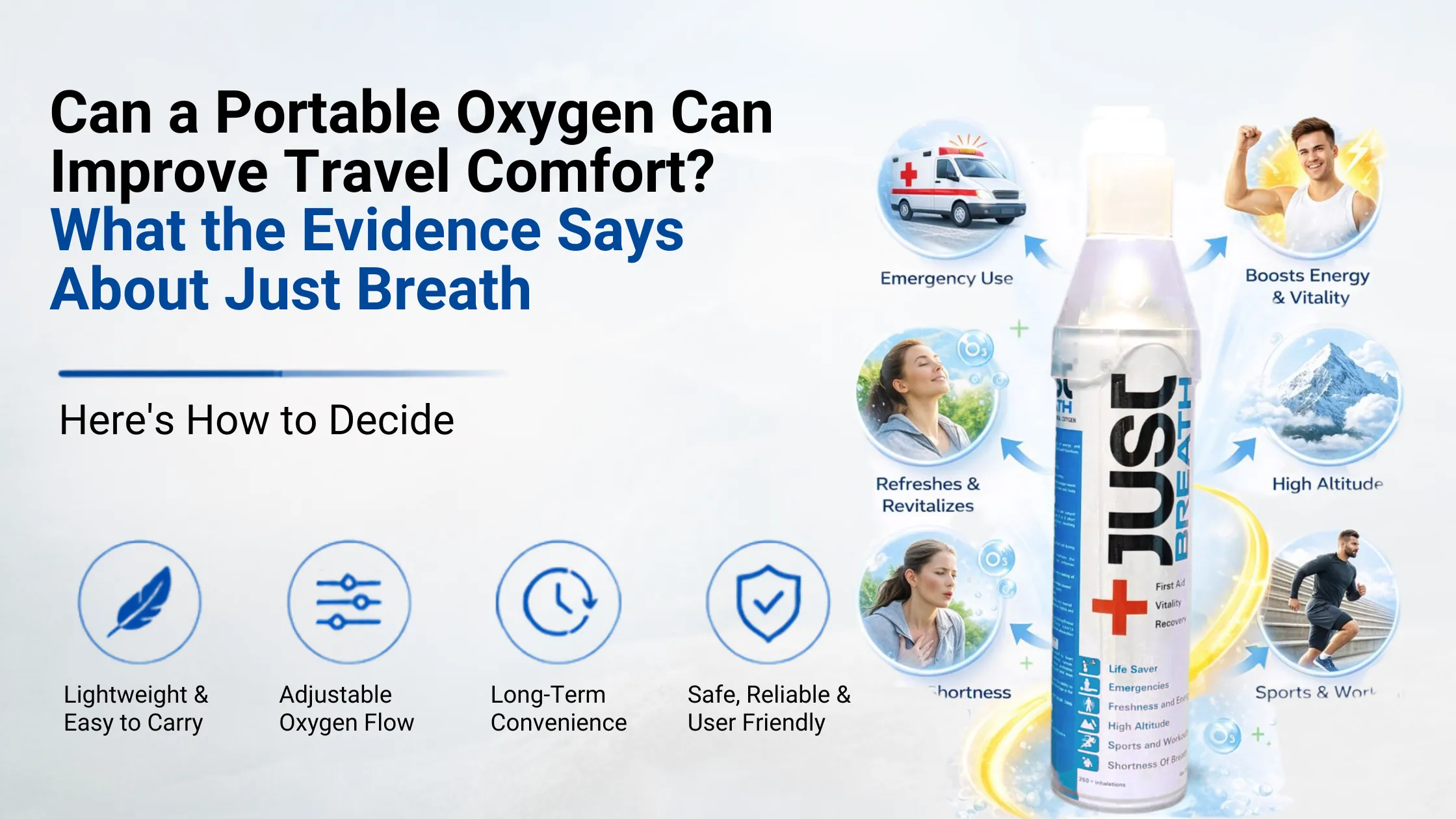
A canister is at its best as a short-term backup. These are the people who tend to find it most useful.
Trekkers and mountain travellers.
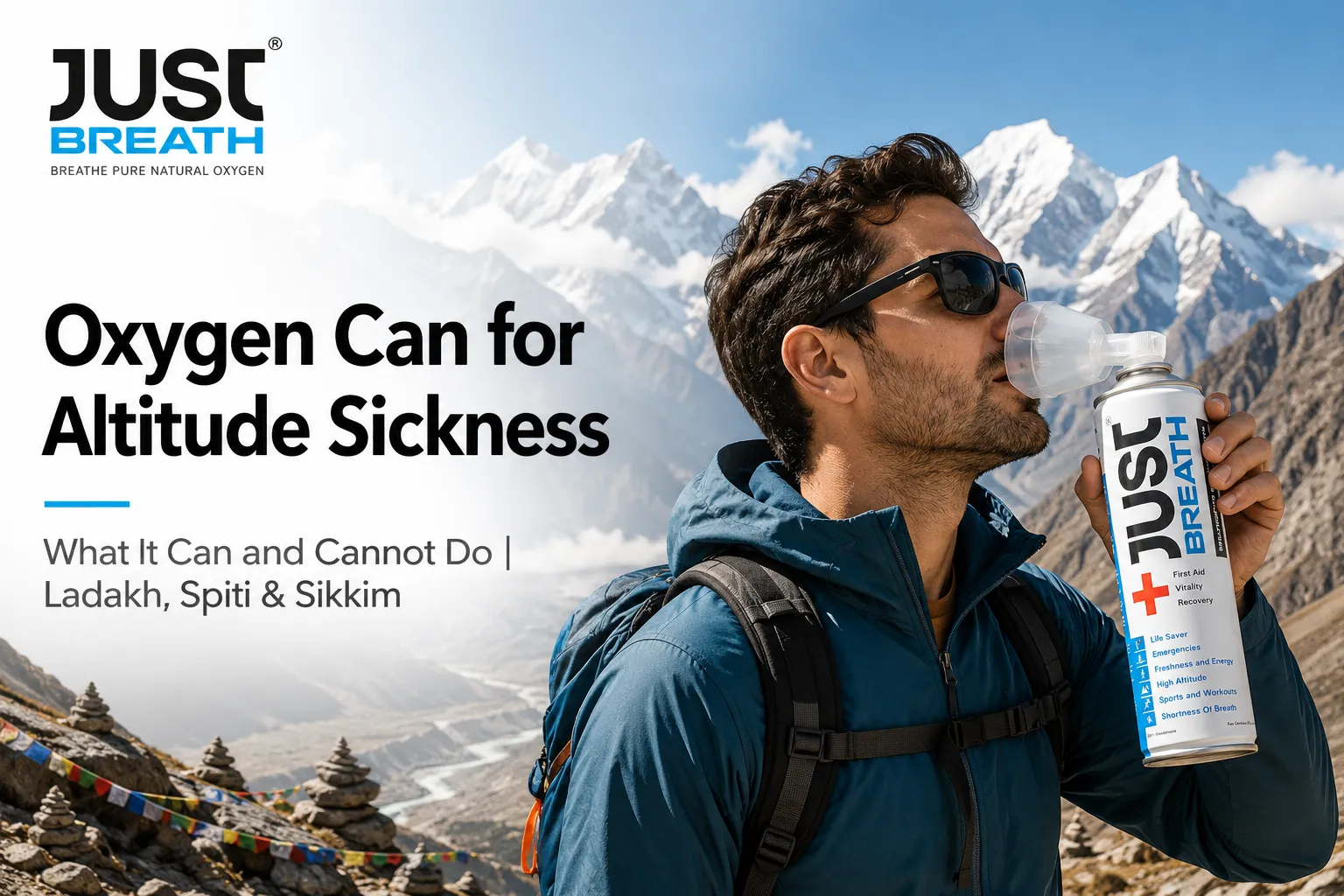
If you’re going to Leh-Ladakh, Spiti, Sikkim, or the higher parts of Himachal and Uttarakhand, the air gets thin fast. Headaches, tiredness and shortness of breath are common. A few breaths of oxygen can help you feel steadier while you rest and let your body adjust.
People in polluted cities
In winter, parts of Delhi NCR, Lucknow, Kanpur and Patna can feel hard on the lungs. Some families like to keep a canister at home or in the office for the worst days.
Gym-goers and athletes
Some people use a canister to catch their breath after a really tough session or match.
Senior citizens
An older parent who sometimes feels winded may feel more at ease with one in the house. It’s best to mention it to their doctor first.
Long-distance drivers and frequent travelers
If your route passes through places where hospitals are far apart, having a can in the car gives you some peace of mind.
What these cases have in common is that the need is temporary. The canister helps you feel more comfortable for a little while. It does not treat the reason you were short of breath to begin with.
Who Should Not Use It Without Medical Advice
For most healthy adults, a canister is simple to use. But a few people should talk to a doctor first.
If you have a long-term lung condition like COPD, severe asthma or pulmonary fibrosis, your oxygen needs can be quite specific, and it isn’t something to experiment with. The same goes for anyone with a heart condition or who has recently had a heart problem, and for anyone who has already been prescribed oxygen at a set flow. Pregnant women and young children should also get medical advice before using one.
Please also know where a canister stops being useful. If someone has severe breathlessness, chest pain, blue or grey lips or fingertips, confusion, or fainting, or if the breathlessness isn’t easing within a few minutes, call a doctor or emergency services right away. A canister isn’t made for emergencies like these, and spending time on it can delay the help that’s actually needed.
And a few simple safety habits: no smoking or flames nearby, no heat, and never poke, crush or throw a can into a fire.
How to Choose the Right Canister Size
The simplest way to pick is to ask yourself where you’ll use it most.
If you want something for your handbag, gym bag or a short trip, go for a smaller can, roughly 5 to 9 litres. It’s light, easy to carry and fine as a quick backup. For a family home, a road trip or a weekend away, a medium can of around 10 to 12 litres gives you more breaths without being awkward to carry. And if you’re planning a high-altitude trek, travelling in a group, or living with several people, a multi-pack usually works better than a single big can. Several smaller cans are easier to share and pack than one large one.
Don’t choose on price alone. Check these before you buy:
- The oxygen purity, printed clearly on the label
- How many breaths the brand says you’ll get
- Whether the mask is soft and fits comfortably
- A nozzle that’s easy to press, even when you’re tired or anxious
- Manufacturing and expiry details, plus a batch number
- Customer support that actually answers in India
If you’re heading to altitude, carry one more can than you think you’ll need. For home, one small can is generally enough.
When you’re ready to pick, you can browse the range at Just Breathe Oxygen and choose what fits you and your family.
Conclusion
A portable oxygen canister can be a convenient companion for travel, outdoor activities, and other situations where temporary oxygen support may be needed. However, it’s important to understand its benefits, limitations, and safety precautions before using one. Always check the oxygen purity, canister capacity, expiry date, and usage instructions before buying. Keep it away from heat and open flames, and consult a doctor if you have an existing medical condition or frequently experience breathlessness.
Whether you’re planning a trip to the mountains, preparing for a long road journey, or looking for a portable oxygen option for your family, choose a canister that suits your needs and use it responsibly. Remember, a portable oxygen canister is not a substitute for prescribed medical oxygen or emergency medical care. Your health and safety should always come first.
Frequently Asked Questions
What is inside a portable oxygen canister?
It holds compressed, high-purity oxygen, which brands usually advertise at 90% to 99%. Regular air has only about 21% oxygen, so a canister gives you a richer breath for a short time. Check the exact purity on the label of the product you’re buying.
How many breaths are in one portable oxygen canister?
It depends on the size of the can and how you breathe. Many canisters offer around 60 to 150 inhalations. You’ll get more from one if you press the nozzle only while breathing in and take slow, deep breaths.
Is a portable oxygen canister safe for daily use?
It’s made for occasional, short-term use, not as a daily treatment. If you feel you need oxygen every day, please see a doctor to find out why and get proper care.
Can children use a portable oxygen canister?
Only on the advice of a doctor or paediatrician, and always with an adult beside them. If a child is struggling to breathe, take them for medical help straight away instead of relying on a canister.
How should I dispose of an empty oxygen canister?
Never puncture, crush or burn it, even if it feels empty. Make sure it’s fully used up, then follow your local waste rules, or ask the seller whether they accept returns or recycle. Until then, keep it away from heat.
Can I carry a portable oxygen canister in my car?
Yes, many people do. Keep it inside the cabin in a cool, ventilated spot, and don’t leave it in a shut car under the hot sun for hours. If you’re travelling by flight or train, check the airline or railway rules first.
Where can I buy a portable oxygen canister in India?
You can order from the brand’s own website, such as justbreathoxygen.com, or from trusted online marketplaces and pharmacies. Before you buy, look at the purity, batch details and customer reviews.