Type “oxygen canister” into Google and you’ll find shops selling oxygen cans, portable oxygen can , oxygen bottles and oxygen cylinders on the same page, often with the same photo. If you’re confused, that’s understandable. The names get swapped around all the time, even by sellers.
But the products are not interchangeable. One fits in your jacket pocket. Another weighs more than a school bag and needs a regulator before you can use it. Mixing them up can mean overspending, or worse, carrying something that can’t do what you expected.
So let’s sort it out.
Oxygen Can, Canister and Cylinder: Are They the Same Thing?
Short answer: no, though two of the three often mean the same thing.
Oxygen can
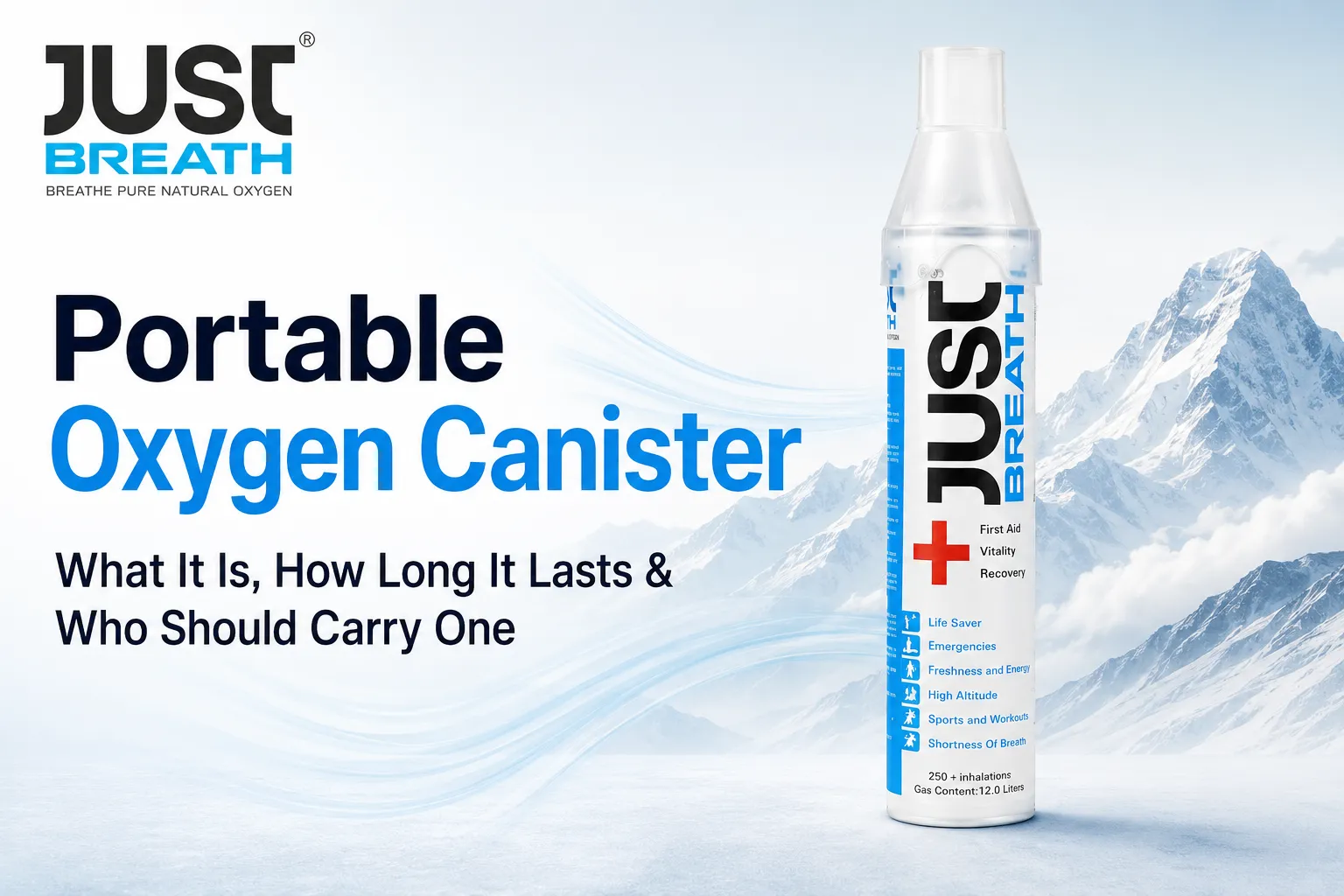
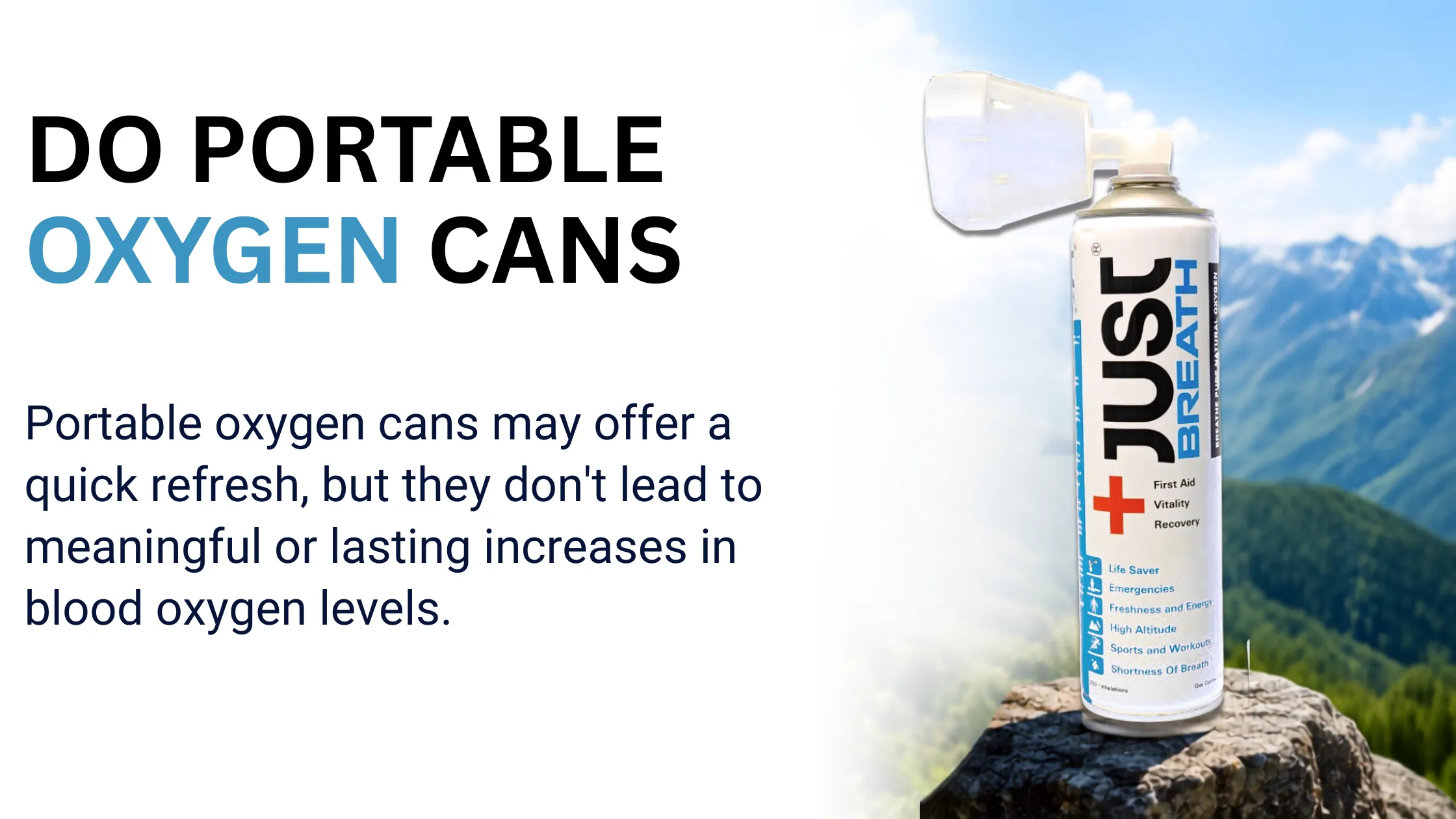
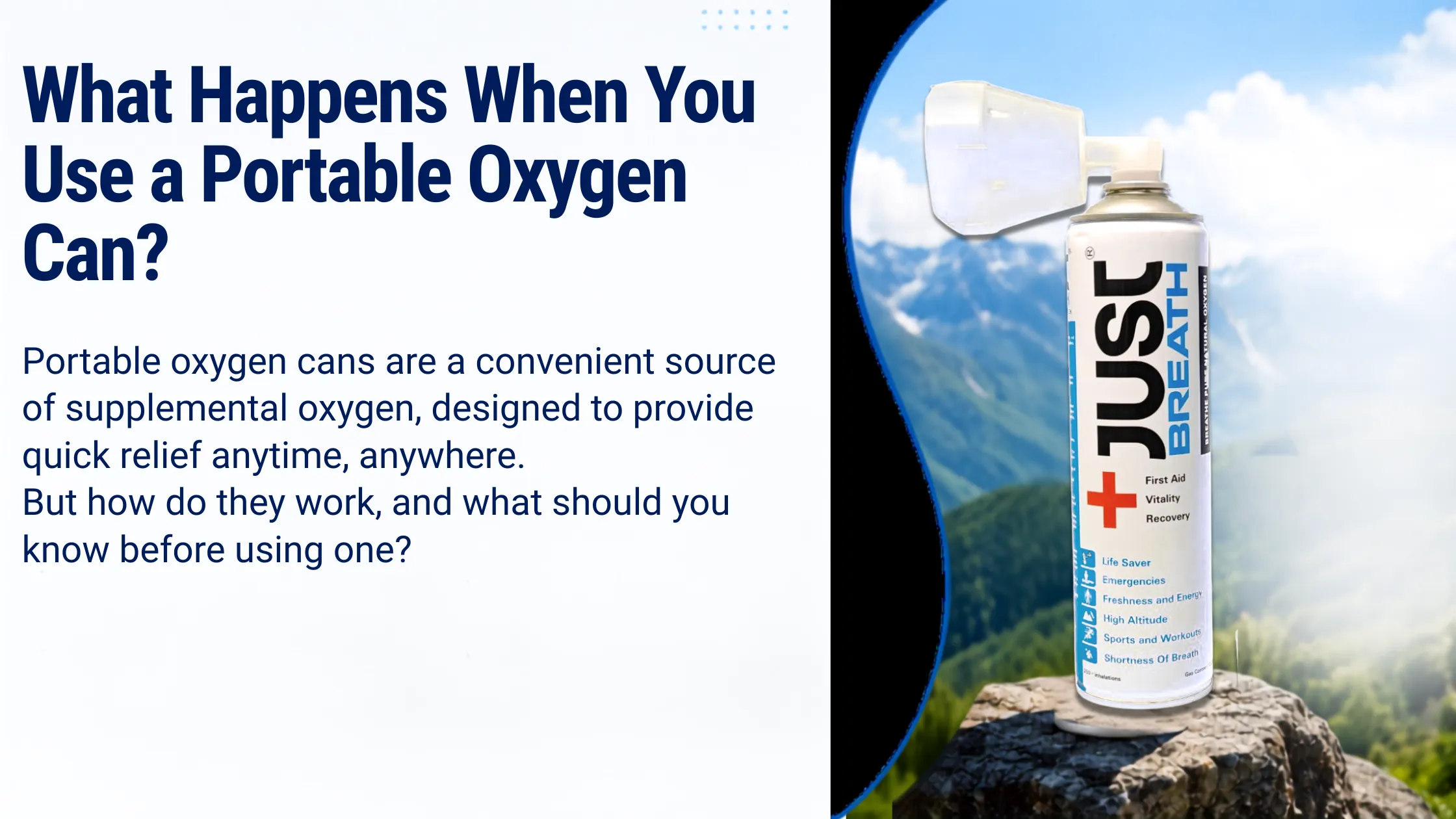
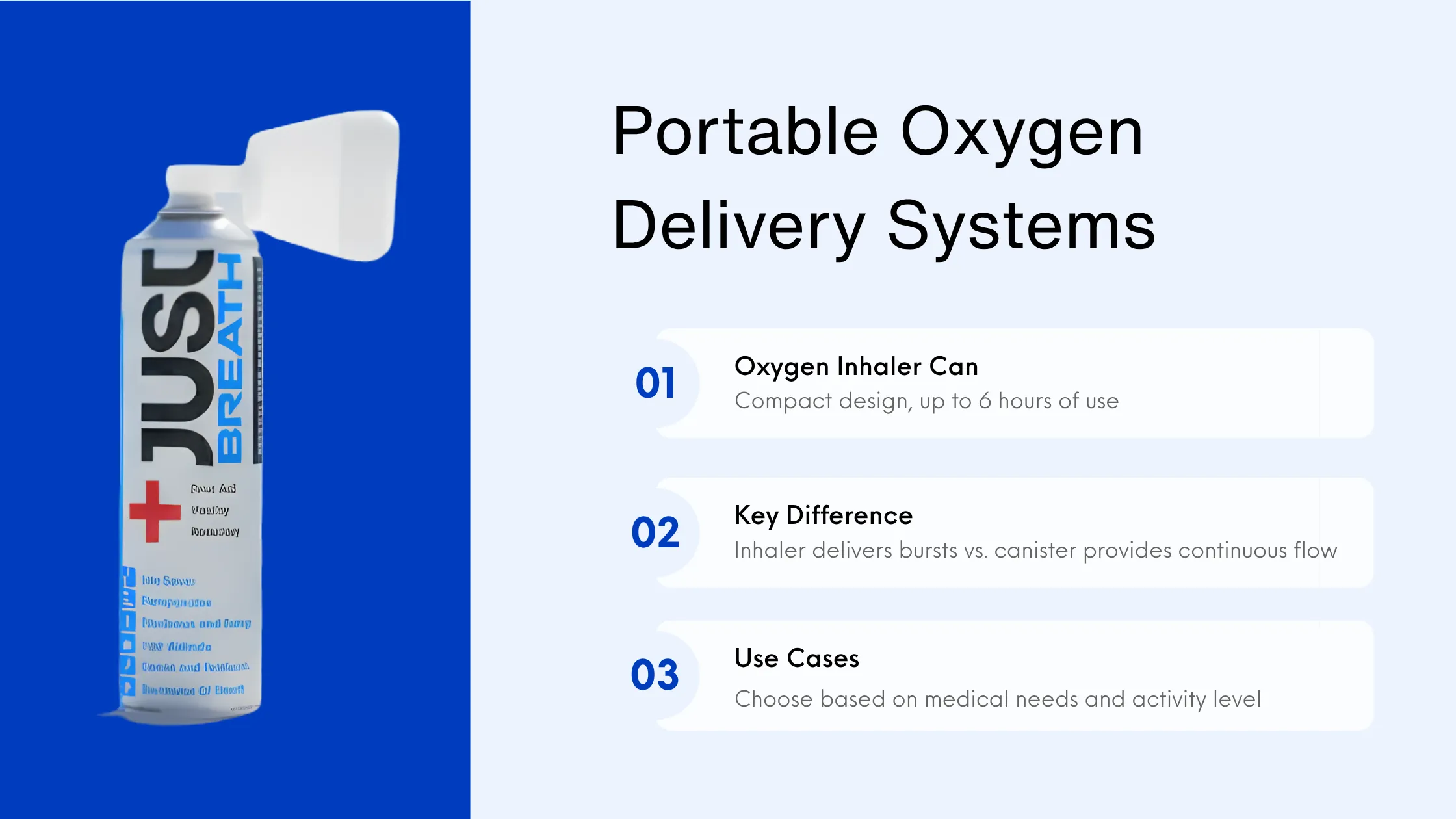
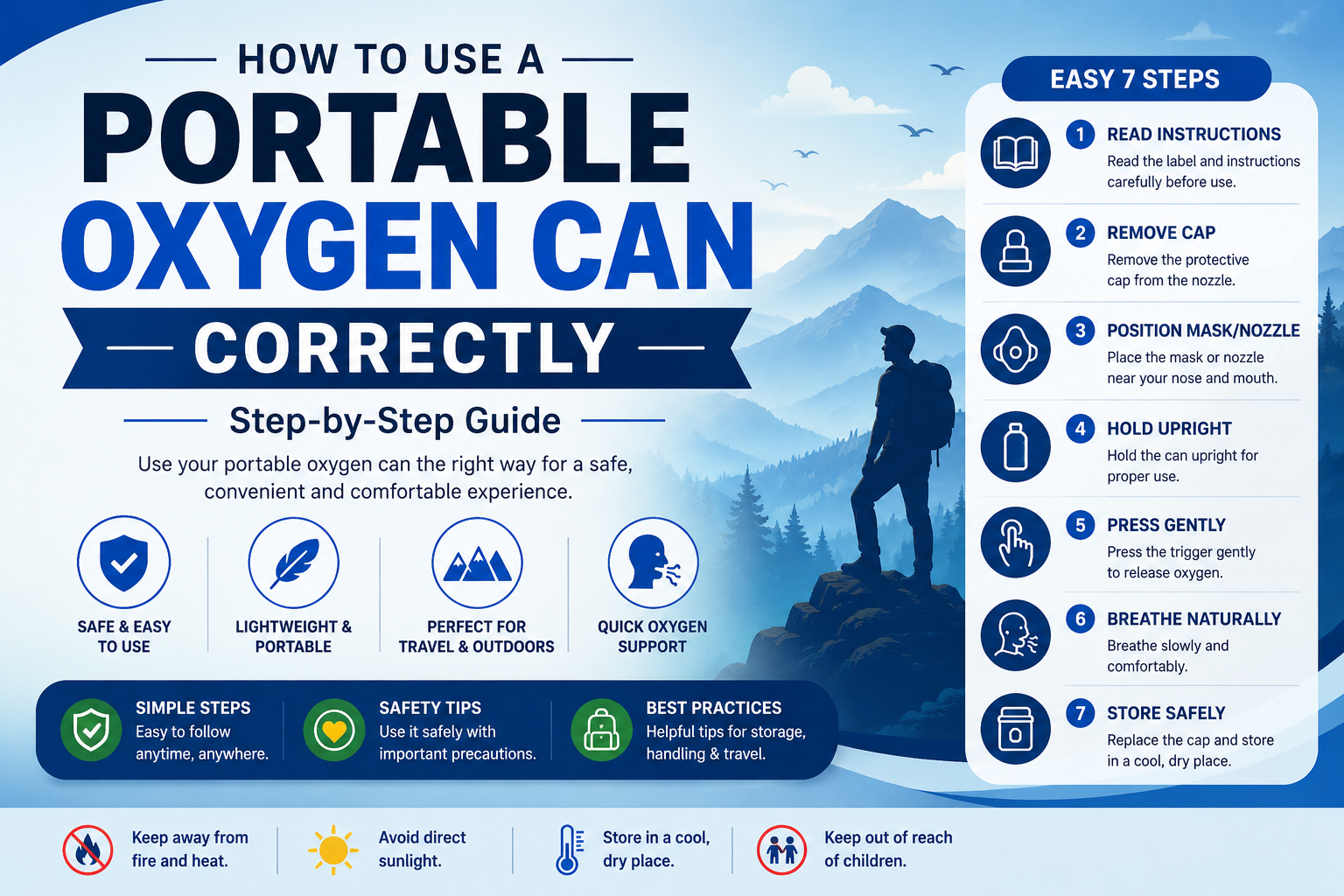
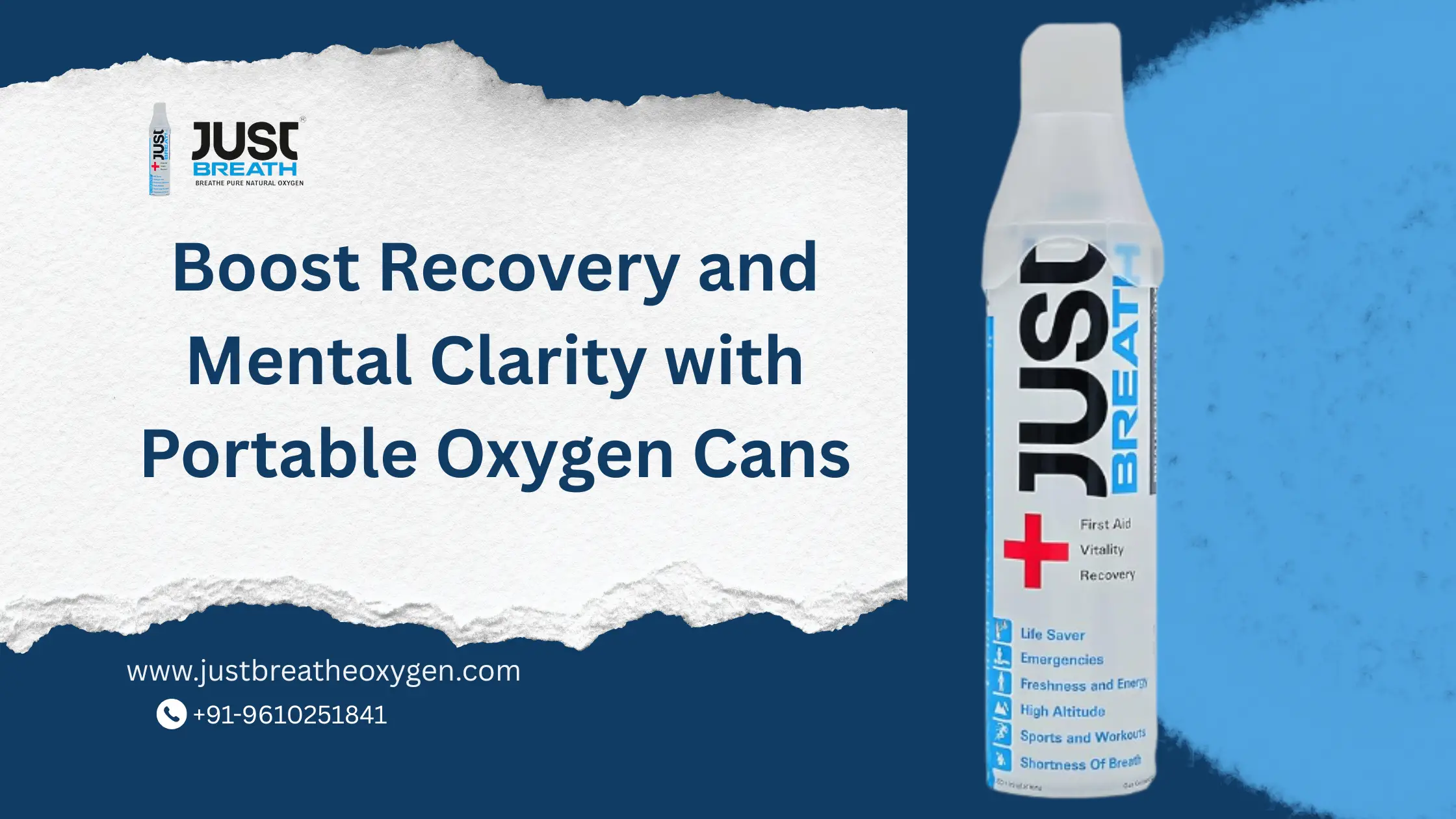
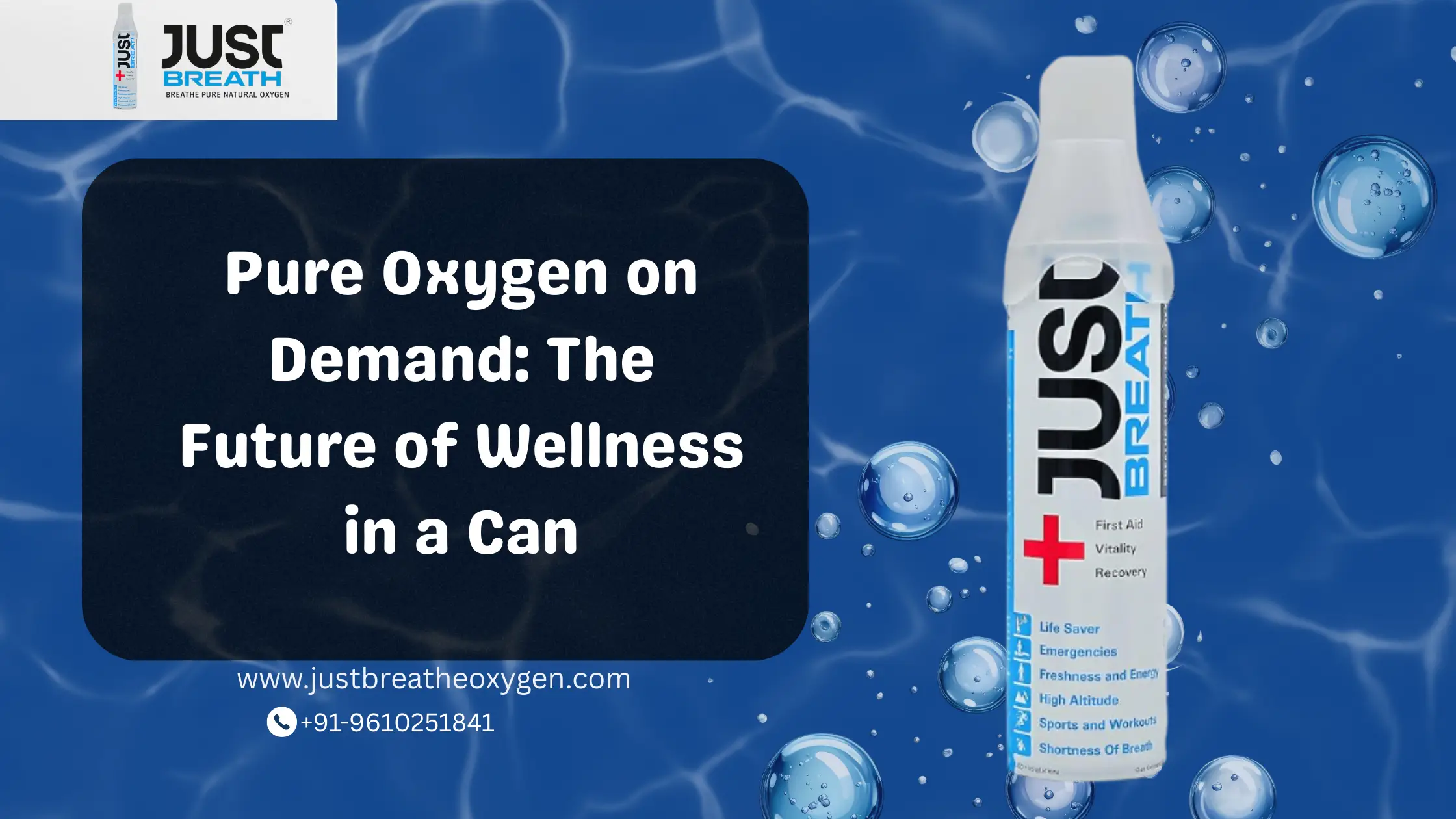
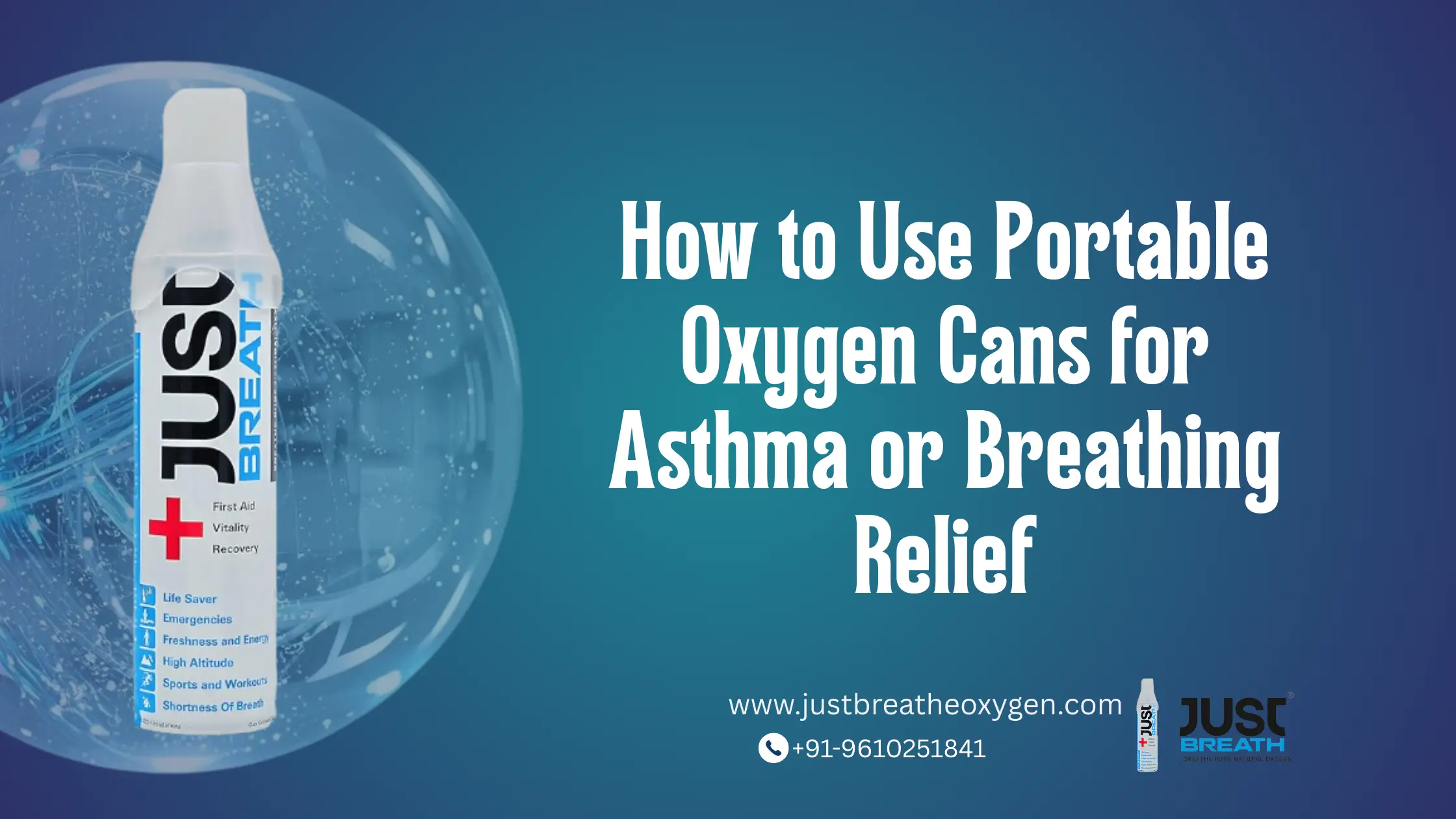
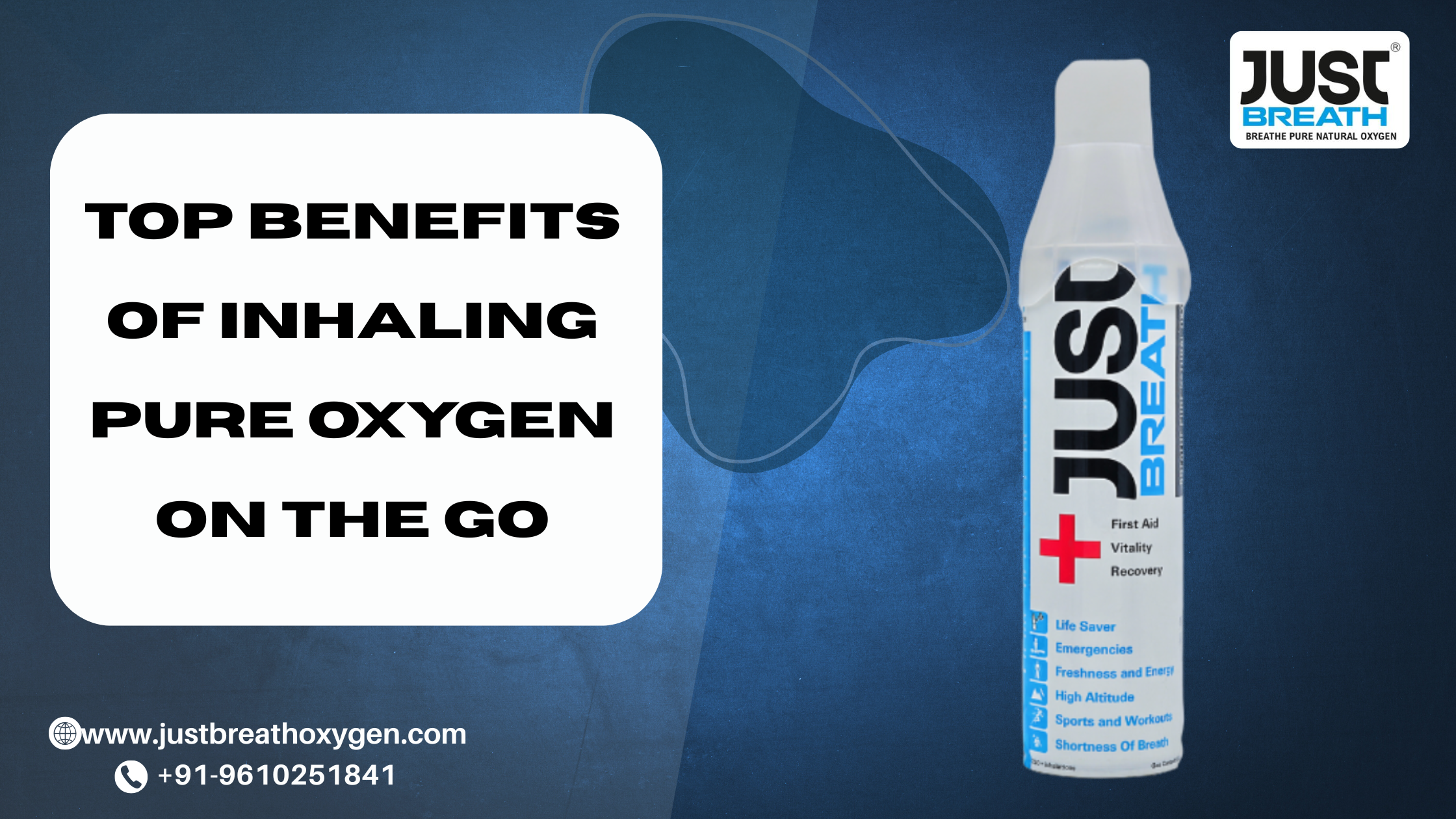
This is the small spray-style container you’ve probably seen advertised for trekkers and travellers. It’s about the size of a deodorant bottle, and it usually comes with a little mask. You press the top, breathe in, and that’s it. It’s made for short, occasional use, like catching your breath after a steep climb.
Oxygen canister
Most people use this word when they mean an oxygen can. A “portable oxygen canister” on a shopping site is almost always the pocket-sized kind. The catch is that some sellers also use “canister” for small refillable cylinders, so the word alone doesn’t tell you much. Check the litre capacity on the label instead.
Oxygen cylinder
This is the heavy-duty one. It’s a metal tank, steel or aluminium, filled with compressed oxygen at very high pressure. Hospitals, ambulances and home-care patients use them. A cylinder holds far more oxygen than a can, and with a regulator you can set exactly how much flows out each minute.
Oxygen bottle (portable)
This one is more of a search habit than a real product category. If someone says “portable oxygen bottle,” they nearly always mean a can.
If you want one sentence to remember: cans are for convenience, cylinders are for supply.
Size, Pressure and Capacity Compared (Table)
Numbers change from brand to brand, so use this as a rough guide and read the label before you buy.
| Oxygen Can / Portable Canister | Small Portable Cylinder | Large Oxygen Cylinder | |
| Size | Fits in a bag or large pocket | Carry bag or small trolley | Floor-standing, needs a trolley |
| Pressure | Low | High | High |
| Capacity | Around 5 to 12 litres | Hundreds of litres | Thousands of litres |
| How long it lasts | A few minutes of short breaths | Often an hour or more, depending on flow | Many hours, sometimes days |
| Flow control | Usually none | Yes, via regulator | Yes, via regulator |
| Refillable | Usually not | Yes, at authorised centres | Yes, at authorised centres |
| Best for | Occasional, short-term use | Mobile or backup supply | Home care, clinics |
The pressure row is the one worth pausing on. A can is low pressure, so you don’t have to think much about handling it. A cylinder holds gas under serious pressure, which is why it has to be stored upright, secured, and kept away from heat. That single difference explains most of the other differences, including why cylinders need extra equipment and cans don’t.
Capacity matters too. One full cylinder can hold what you’d get from hundreds of cans. That sounds like a clear win until you realise you’d need the regulator, tubing and a place to keep it.
Regulators, Masks and Accessories: What Each Needs
With a can, there’s almost nothing to sort out. The mask or mouthpiece is usually in the pack. No regulator, no gauge, no setup. That’s the whole appeal. The downside is that you can’t control the flow and you can’t see how much is left. Most people just tell by how light the can feels.
With a cylinder, you’re really buying a small system. The tank on its own is useless. You’ll need:
- a pressure regulator, which brings the gas down to a safe level
- a flow meter, so you can set litres per minute
- tubing and a mask or nasal cannula
- a humidifier bottle if it will be used for long stretches, since dry oxygen gets uncomfortable
- a stand or trolley to keep the cylinder upright
You’ll also want a valve key, a safe corner to store it (not near a stove, heater or anything oily), and a plan for refills. If you’re setting this up at home, ask the supplier to confirm all the fittings match. Mismatched parts are a common headache.
Which One Suits Travel, Home, Clinic or Trek?
Travel
An oxygen can is the easy choice. It’s light, needs no setup and slips into a daypack. Just check your airline’s rules before packing it, because pressurised containers often aren’t allowed in luggage. A cylinder isn’t practical for normal travel.
Home
If someone in the family needs oxygen on a regular basis, a can won’t cut it. A cylinder works, and so does a concentrator, which is a different device altogether. The key point is that a doctor should decide the flow rate and how long it’s needed, not a shopping page.
Clinic
Clinics and care centres need proper medical cylinders with regulators, flow meters, trained staff and a refill schedule. Cans are not a replacement for that.
Trek
Here a can is a comfort item. It can help you feel a bit better at camp or after a tough stretch. But it doesn’t replace slow climbing, rest days and letting your body adjust to the height. If someone has a bad headache that won’t go away, keeps getting breathless while resting, or starts acting confused, the right move is to go down and get medical help. Don’t keep using cans and hoping it passes. Large expeditions to extreme altitude usually carry cylinders with regulators, and the tour operator normally organises those.
One thing to be clear about: oxygen cans are sold for wellness and short-term comfort. They aren’t a treatment. If someone has trouble breathing, chest pain, blue-tinged lips or sudden confusion, call emergency services or get to a hospital straight away.
Cost Comparison for Occasional Use
When you only need oxygen once in a while, the price per use matters more than the price tag.
A can is cheap to start with, usually a few hundred rupees depending on the brand and size. There’s nothing to maintain and nothing to store. The problem is that each one lasts only a few minutes. If you’re using a couple a week, it adds up quickly.
A portable oxygen can is more convenient for occasional use, while a cylinder costs more upfront, and the costs come in layers: the cylinder itself (bought or rented), the regulator and accessories, refills, and sometimes delivery charges or a deposit. If you need oxygen every day, the cost per litre drops well below what cans would cost. If you need it twice a year, you’d be paying for equipment that mostly sits in a corner.
A rough rule that works for most people:
- A few times a year (a trek, a hill trip, recovering after something exhausting): cans make sense.
- Daily use, or on a doctor’s advice: go for a cylinder or another medical-grade option.
Prices vary by city and brand, so compare a few listings and check the refill and return policy before you pay.
What to Check Before You Buy
Whichever one you lean towards, spend two minutes on this:
- How many litres it holds, and roughly how many breaths or minutes that gives you
- The oxygen purity printed on the label
- Whether a mask comes with it, and whether it looks decent
- The manufacturing and expiry dates
- Storage instructions (keep oxygen away from heat, flames and oily things)
- Whether the seller gives clear contact details and answers questions
Conclusion
Cans, canisters and cylinders get lumped together online, but they do different jobs. If you want something small for a trip, a trek or a quick breather, a portable oxygen canister is usually all you need. If you need steady oxygen for hours or days, you’re in cylinder territory, and that should come with medical guidance.
Think about when and how you’ll really use it, and the choice gets easy. If a portable option sounds right for your plans, you can have a look at the range at Just Breath Oxygen.
FAQS
1. What is an oxygen canister?
An oxygen canister is a small, portable container of oxygen meant for short, occasional use. It usually comes with a mask, needs no setup, and suits travel, trekking or a quick breather. It is for wellness, not medical treatment.
2. Is an oxygen can the same as an oxygen cylinder?
No. An oxygen can is small, low-pressure and holds only a few litres for short bursts. A cylinder is a high-pressure metal tank with far more capacity, used with a regulator for controlled flow. They are built for very different jobs.
3. Which is cheaper: an oxygen can or a small oxygen cylinder?
A can is cheaper upfront, usually a few hundred rupees. A small cylinder costs more because of the regulator, accessories and refills. For occasional use, cans work out cheaper. For daily use, a cylinder gives a lower cost per litre.
4. Do I need a regulator for an oxygen can?
No. An oxygen can works on its own, with a small mask or mouthpiece included. You just press and inhale. A regulator is only needed for high-pressure cylinders, where it controls the flow and brings the pressure down to a safe level.
5. Can an oxygen canister replace a medical oxygen cylinder?
No. A canister gives only a few minutes of oxygen with no flow control, so it cannot replace a medical cylinder. Anyone needing regular oxygen should use a doctor-advised cylinder or concentrator. In an emergency, call for medical help.
6. Which is easier to carry while travelling in India?
An oxygen can is far easier. It is light, pocket-sized and needs no extra equipment. Check airline or railway rules first, as pressurised containers may be restricted. Cylinders are heavy and impractical for regular travel.
7. Is a portable oxygen canister refillable?
Most portable oxygen canisters are single use and cannot be refilled. Once empty, dispose of them as per the label instructions. Only cylinders can be refilled, and this must be done at an authorised refill centre.