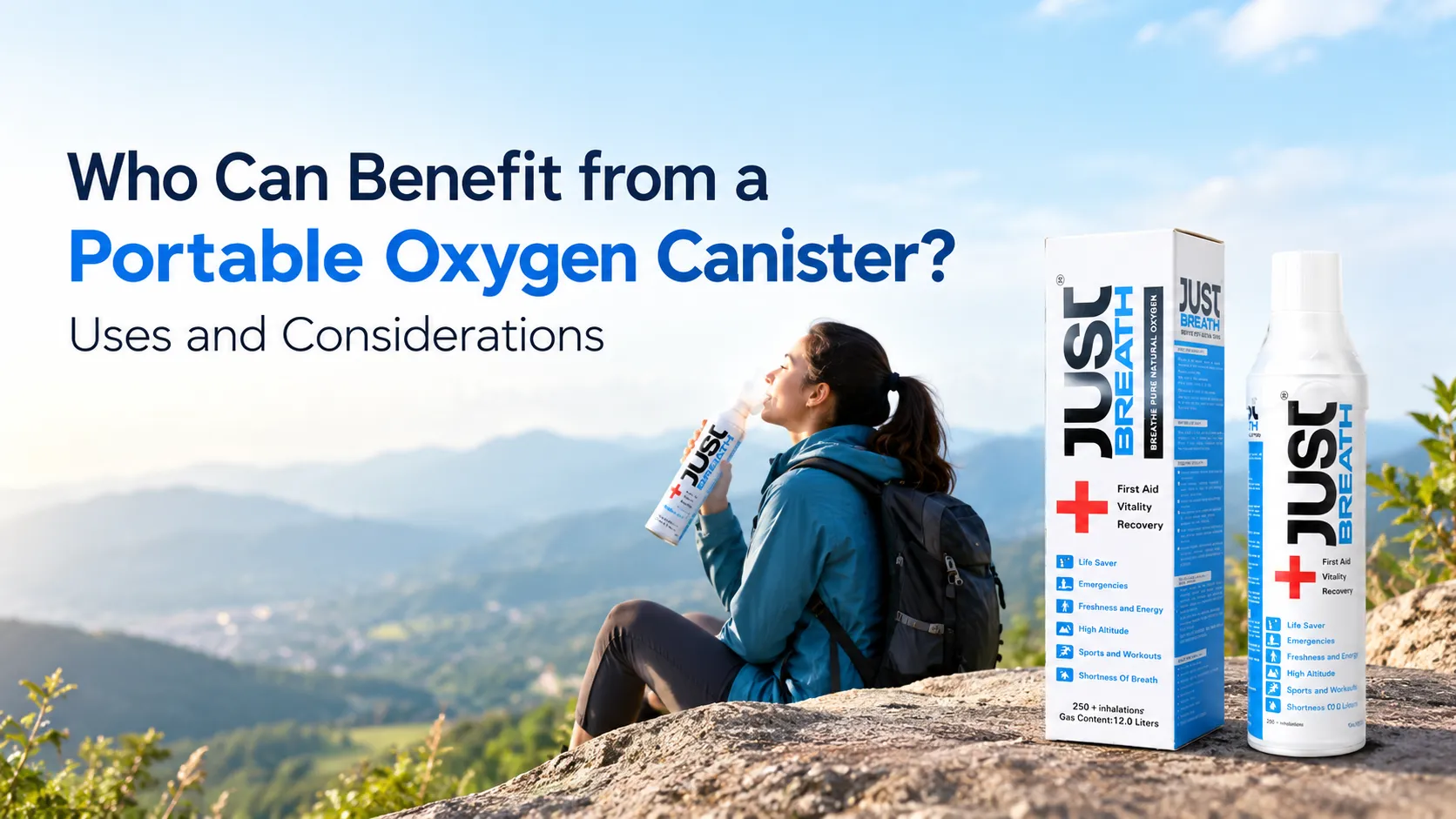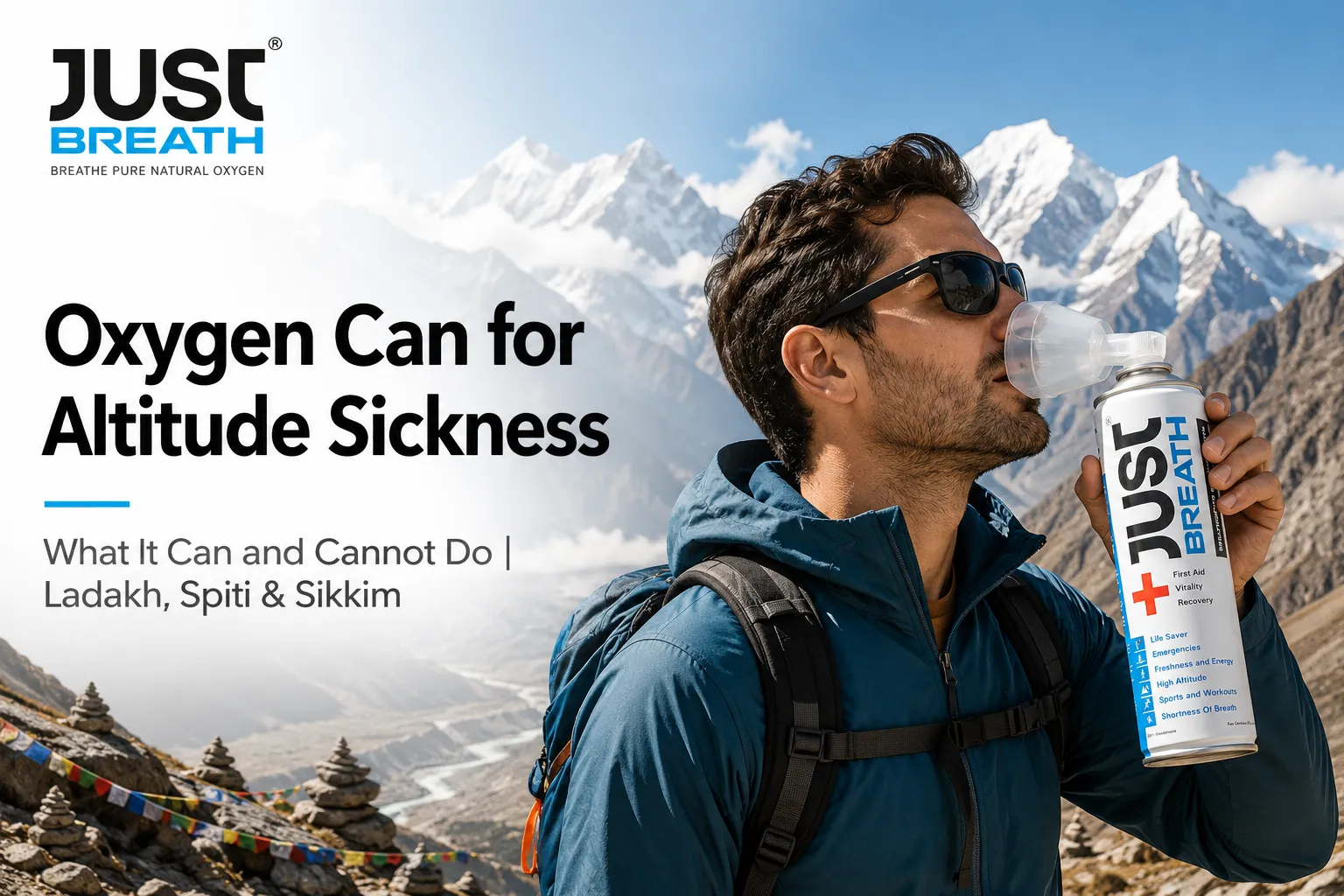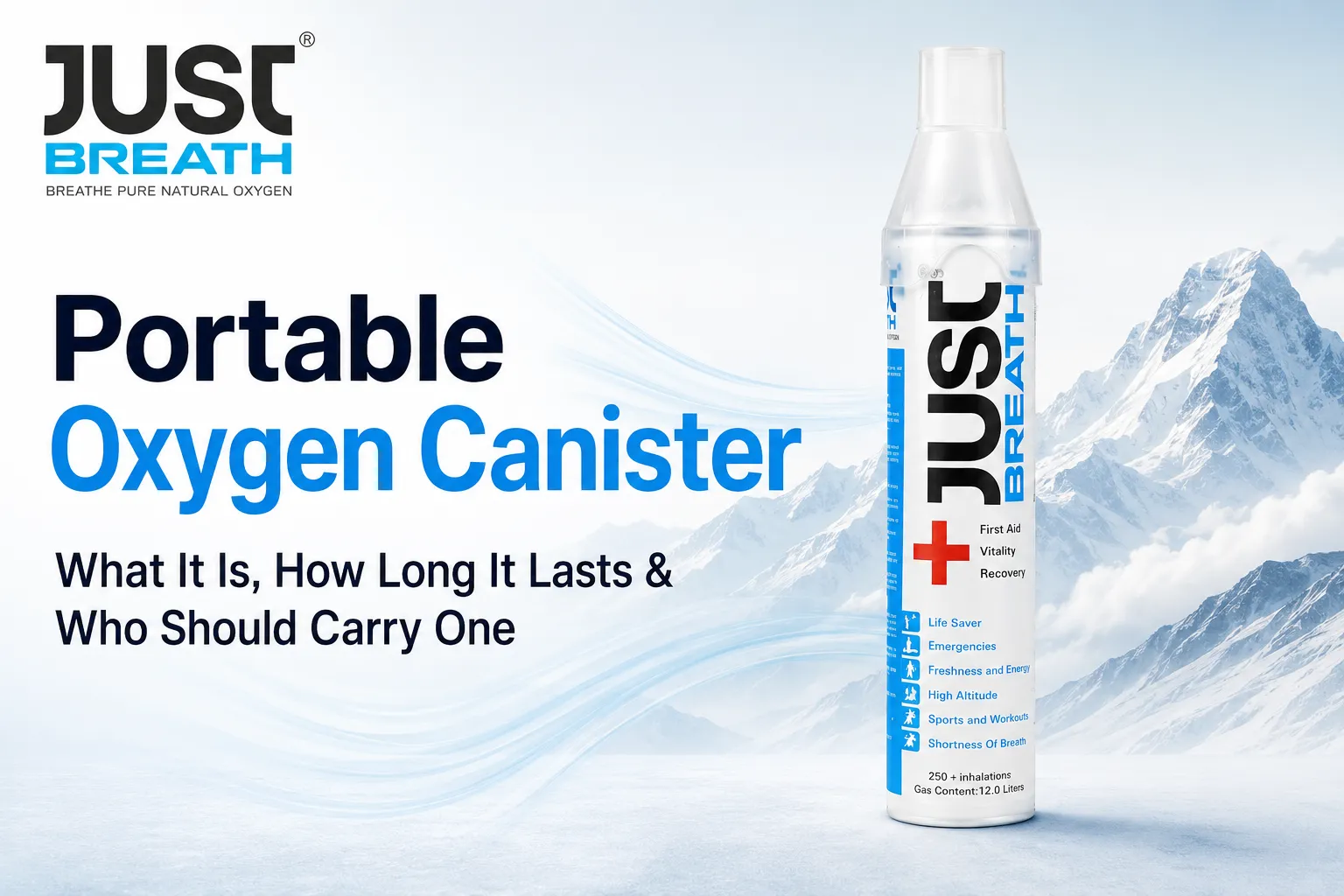
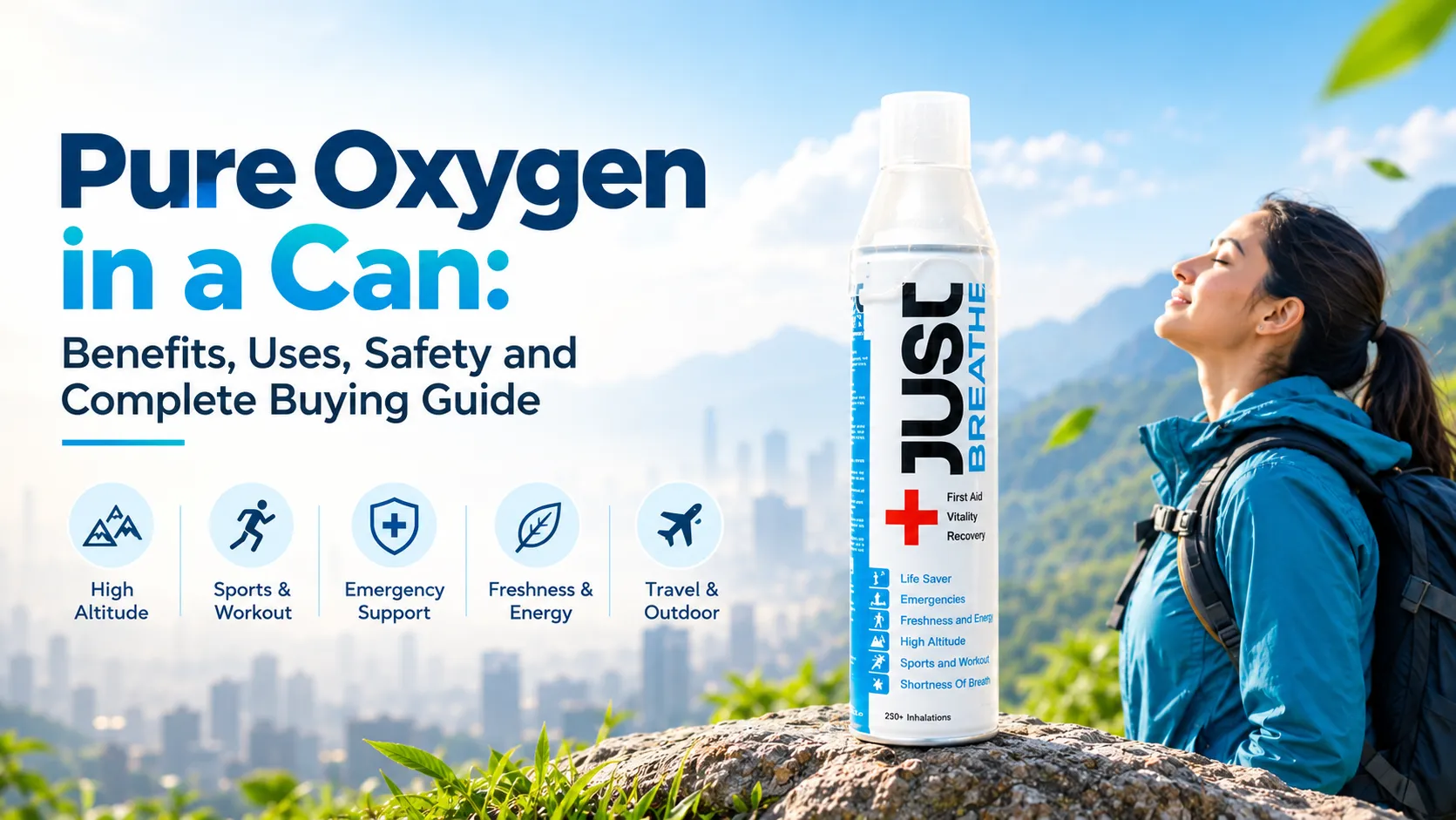
Planning a trek to Ladakh, stuck in winter smog, or just curious about the small aluminium cans you keep seeing online? Pure oxygen in a can has become a popular travel and wellness product in India. But there is a lot of confusion about what it can really do. This guide explains how pure oxygen in a can works, where it genuinely helps, where it does not, how to use it safely and what to check before you buy. It also clears up the most common mix-up: the difference between a recreational oxygen can and medical oxygen. If you want a reliable option made in India, you can explore the range from Just Breath Oxygen.
What Is Pure Oxygen in a Can and How Does It Work?
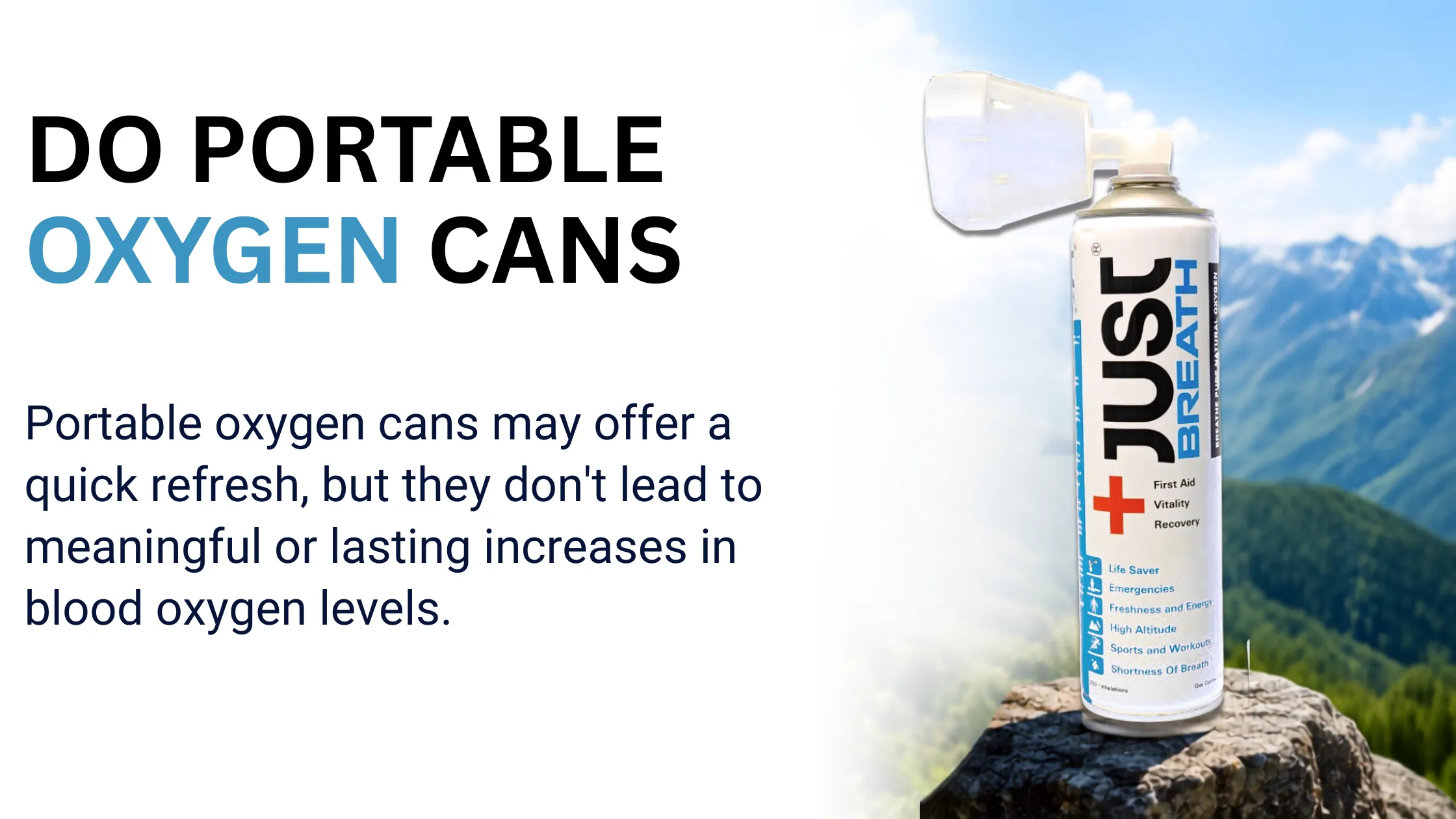
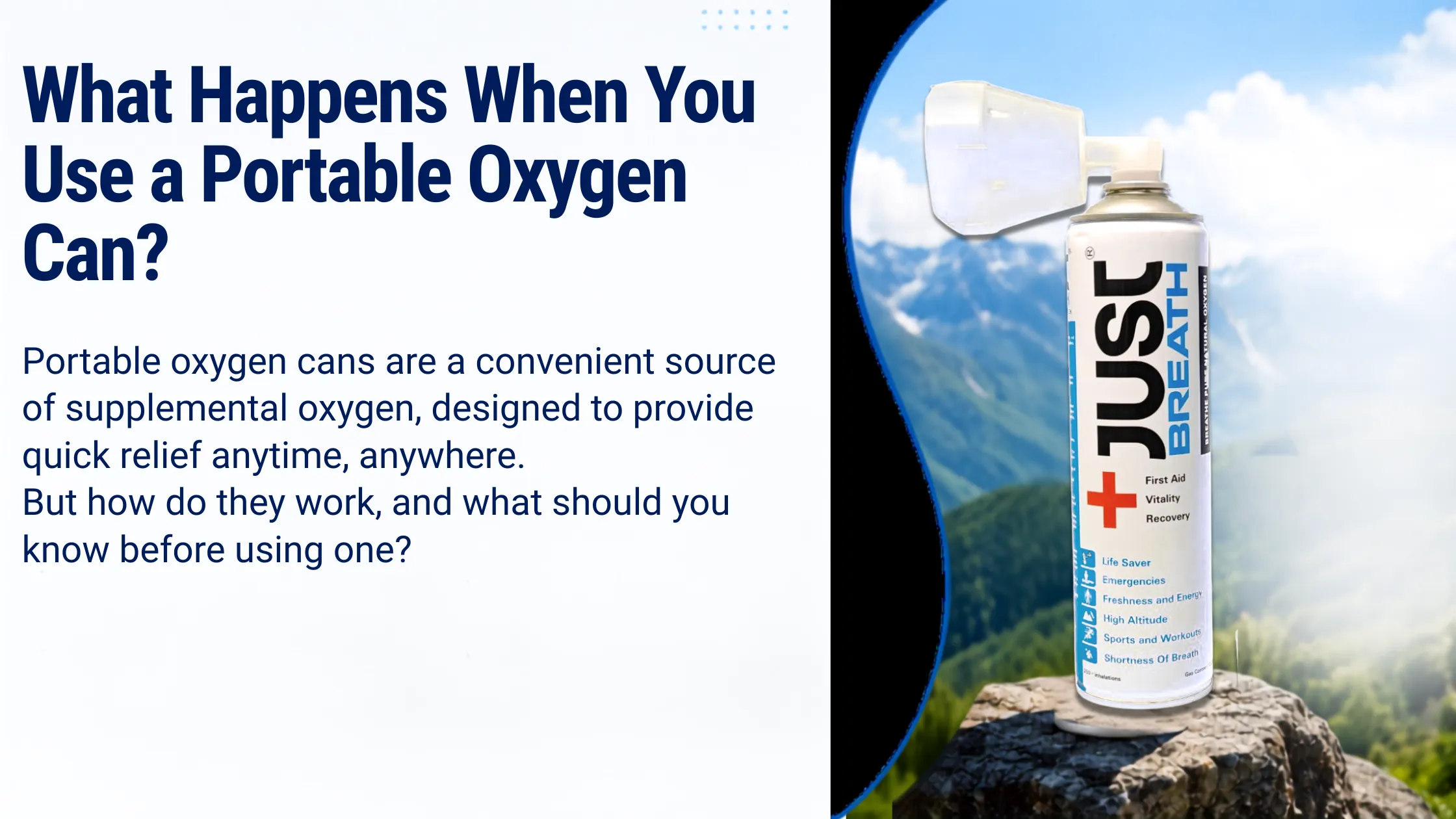
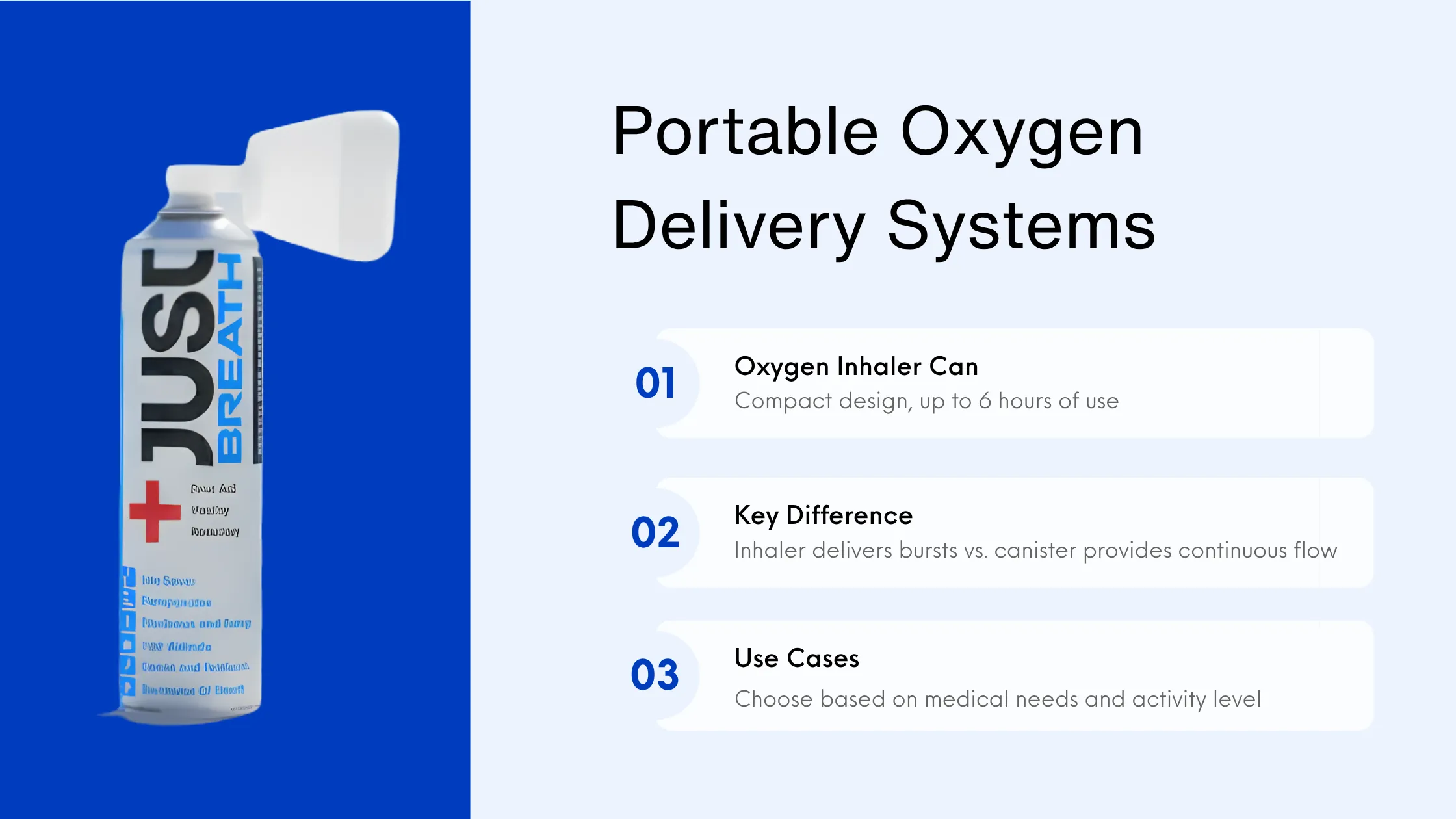
Pure oxygen in a can is a lightweight aluminium canister filled with compressed oxygen, usually labelled around 95–99% purity. Normal air contains about 21% oxygen, so each puff delivers a much richer breath than ordinary air. Most cans hold roughly 5 to 12 litres of oxygen, and many come with a built-in mask or mouthpiece.
You press the cap or trigger, oxygen flows out for a second or two, and you inhale it through your nose or mouth. A single can typically gives somewhere between 100 and 250 short puffs, depending on its size and how long each puff lasts.
Recreational oxygen can vs medical oxygen
This is the most important distinction, and many sellers blur it.
| Feature | Recreational oxygen can | Medical oxygen |
| Volume | About 5–12 litres | Hundreds to thousands of litres |
| Delivery | Short puffs on demand | Continuous, controlled flow (litres per minute) |
| Purpose | Short-term comfort and refreshment | Treating diagnosed low oxygen levels |
| Prescription | Not needed | Prescribed and dosed by a doctor |
| Equipment | Disposable can | Cylinder, concentrator or hospital supply with regulator |
Because it needs no electricity, refills or setup, pure oxygen in a can suits people who want something light to keep in a bag. A recreational can supplies a few minutes of oxygen in total. Medical oxygen therapy supplies a measured flow for hours. So pure oxygen in a can is a convenience product, not a replacement for prescribed oxygen, an oxygen concentrator or emergency care.
Benefits and Common Uses of Portable Oxygen Cans
When you read about oxygen can benefits, separate what is supported by evidence from what is marketing. In healthy people at sea level, blood oxygen saturation is already around 95–100%, so a few puffs add very little measurable oxygen. The effect is also short-lived, usually lasting minutes rather than hours.
With that honest framing, here are the realistic oxygen can benefits people report:
- A quick sense of freshness after a long drive, a stuffy room or a tiring workday.
- Comfort during mild breathlessness after exertion, such as climbing stairs or finishing a workout.
- Reassurance at moderate altitude while you rest and acclimatise, for example in Manali or Shimla.
- A compact backup in a car or travel bag when you are far from facilities.
The most practical oxygen can uses are situations where you want brief comfort, not treatment. Common oxygen can uses include:
- Trekking and high-altitude travel to Leh, Spiti, Sikkim or the Char Dham route.
- Sports and gym recovery between sets or after intense training.
- Polluted city days in Delhi NCR and other cities during high-AQI winters.
- Long drives and riding to beat drowsiness from stale cabin air.
- Home and first-aid kits as short-term comfort while you arrange proper medical help.
Research on recreational oxygen for exercise recovery is limited and mixed. Some people feel better, but studies have not shown strong, consistent performance gains. Treat oxygen can benefits as short-term comfort, not a cure or treatment. Knowing these realistic oxygen can uses helps you buy the right size and avoid overspending on cans you will never finish.
High-altitude limitations
An oxygen canister for travel to the mountains has clear limits. A few litres cannot reverse acute mountain sickness (AMS), and it does not replace acclimatisation. Headache, nausea, dizziness or unusual fatigue after ascending are warning signs. Stop climbing, rest, and descend if symptoms persist or worsen. Breathlessness at rest, confusion or a wet cough need urgent medical attention, not a can.
Is Pure Oxygen in a Can Safe? Risks and Precautions
For healthy adults following the label, pure oxygen in a can is generally low risk because the dose is small. The main risks come from the pressurised container and from oxygen’s ability to feed fire.
Follow these precautions:
- Keep it away from flames and heat. Oxygen makes things burn faster. Never use it near a lit cigarette, gas stove, candle or campfire.
- Store it below about 50°C. Do not leave it on a car dashboard in direct sun.
- Never puncture, crush or burn the can, even when it feels empty.
- Avoid oily or greasy hands and creams around the valve.
- Supervise children, and keep cans out of their reach.
- Do not self-treat medical conditions. People with COPD, asthma or heart disease should speak to a doctor first, because unsupervised oxygen can be harmful for some lung conditions.
If someone has chest pain, severe breathlessness, blue lips or confusion, call emergency services (112 in India). Do not rely on a can.
How to Use a Portable Oxygen Can Correctly
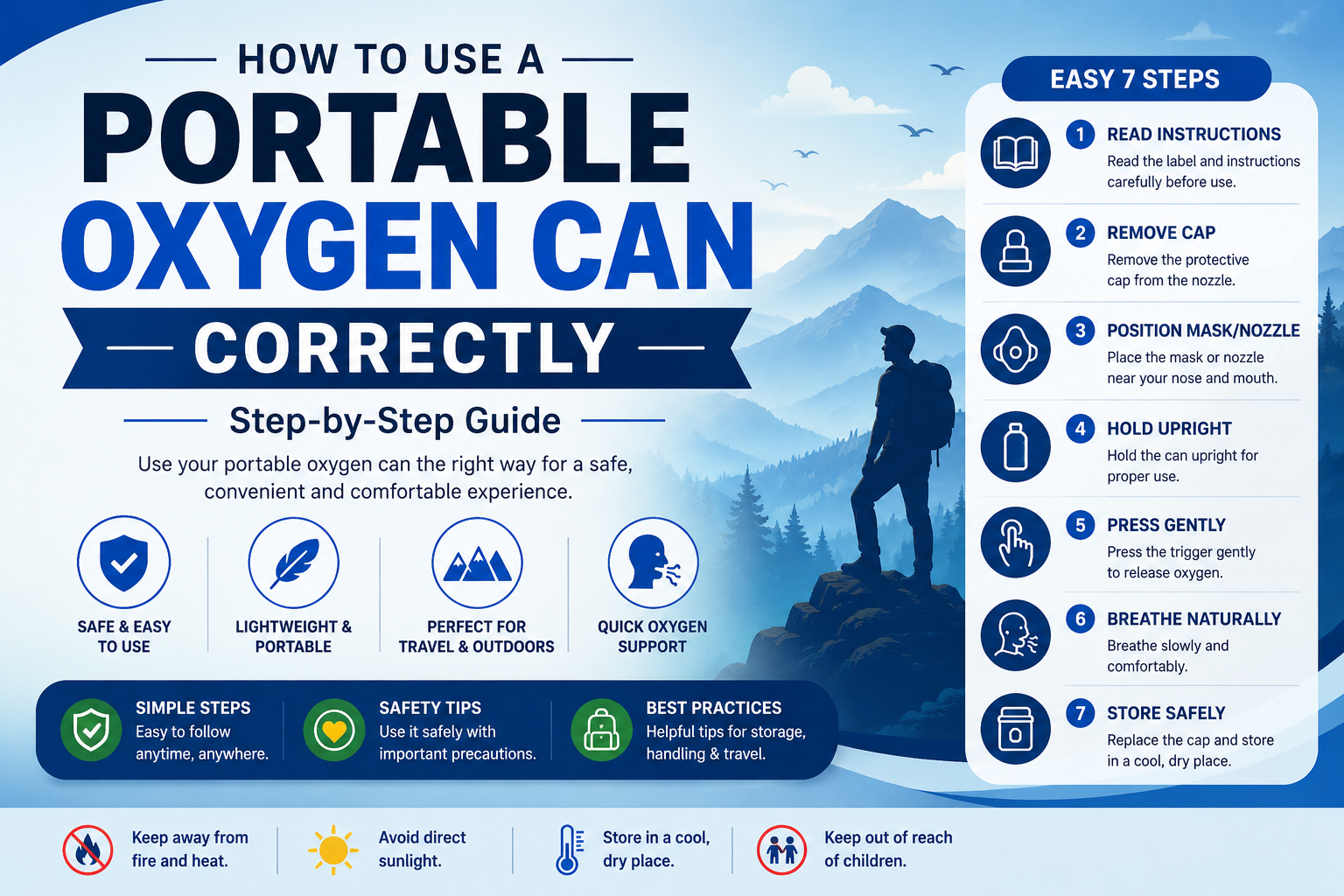
Using a portable oxygen can properly helps you get the most from each puff.
- Read the label for purity, volume, number of puffs and expiry date.
- Attach the mask or cap firmly over the nozzle.
- Breathe out fully to empty your lungs.
- Place the mask over your nose and mouth.
- Press for 1–2 seconds while inhaling slowly and deeply.
- Hold your breath for a moment, then exhale normally.
- Repeat 2–3 times if needed, then rest. Avoid continuous puffing.
- Replace the cap and store the can upright in a cool, dry place.
Short, deliberate puffs last longer and are more comfortable than long blasts. If you are carrying pure oxygen in a can on a trek, keep it in an outer pocket so you can reach it quickly while resting, rather than digging through your backpack.
How to Choose the Best Oxygen Can in India
Not every portable oxygen can is made to the same standard, and the cheapest listing is rarely the best value. Before you pick pure oxygen in a can for your family, trip or gym bag, use this checklist:
- Purity: Look for a clearly stated figure, ideally 95–99%.
- Capacity: Check litres and the estimated number of puffs, not just the can size.
- Mask design: A built-in, well-fitting mask reduces wasted oxygen.
- Manufacturer details: Look for a full name, address, batch number and manufacturing date.
- Quality testing: Prefer brands that describe leak, pressure and purity checks.
- Honest claims: Avoid sellers who promise to cure COPD, altitude sickness or COVID-related problems.
- Travel rules: If you need an oxygen canister for travel by air, ask the airline first. Many carriers restrict or ban pressurised oxygen cans in both cabin and checked baggage, so plan to buy at your destination or travel by road. For road trips, an oxygen canister for travel should ride in the cabin, not the hot boot.
Pure Oxygen in a Can: Price, Buying Guide and Alternatives
The oxygen can price in India depends mainly on capacity, purity, mask design and brand. At the time of writing, retail listings for single 5–12 litre cans commonly fall in a range of a few hundred rupees to around ₹1,000. Multi-packs usually lower the cost per can, while bulk wholesale prices are lower still.
When comparing the oxygen can price in India, calculate the cost per litre or per puff rather than the sticker price. A cheaper can with fewer litres may cost more per breath.
Quick buying guide:
- Occasional travel or treks: Two to three cans of 8–12 litres for the trip.
- Gym recovery: A single larger can, used sparingly.
- Home or car kit: One sealed can with a long expiry, checked every few months.
Alternatives to pure oxygen in a can
| Option | Best for | Key limitation |
| Oxygen can | Short, occasional comfort | Few minutes of total oxygen |
| Portable oxygen concentrator | Prescribed long-term use | Needs power and costs much more |
| Medical oxygen cylinder | Clinical or home therapy | Heavy; requires regulator and prescription |
| Acclimatisation and descent | High-altitude safety | Needs time in your itinerary |
| Air purifier and N95 mask | Pollution exposure | Does not add oxygen |
Conclusion
A portable oxygen can is a simple, lightweight way to get a few concentrated breaths of oxygen when you feel tired or need temporary support after physical effort. However, it is not a substitute for medical oxygen therapy and does not treat altitude sickness. Any perceived effect may be brief. Choose a product from a manufacturer that clearly states its oxygen purity, capacity, and batch details. Compare the cost per litre, store the can away from heat and flames, and consult a doctor for persistent breathing problems.
Pure oxygen in a can is best viewed as a short-term convenience product rather than a medical treatment. With realistic expectations, proper storage, and careful product selection, a portable oxygen can may be a convenient addition to your travel bag or first-aid kit. To explore a compact option, visit Just Breath Oxygen and compare its product specifications before ordering.