For healthy adults, taking a few short breaths from an oxygen can is generally considered low-risk. Keep the can away from flames and heat, don’t use it to treat breathing problems on your own, and if you have a lung or heart condition, are pregnant, or are buying it for a child, ask a doctor first.
If you have searched “is oxygen can safe” or “oxygen can ke side effects”, you are not alone. Portable oxygen cans are now common in gyms, on mountain trips and in polluted cities, and people rightly want to know if they are safe for the whole family.
This guide gives a balanced answer. It covers how the product works, the side effects people report, fire safety rules, who should talk to a doctor first, and a simple checklist.
Medical disclaimer: This article is for general information only. It is not medical advice. An oxygen can is not a substitute for prescribed medical oxygen or emergency care. If you have trouble breathing, chest pain, blue lips or confusion, call emergency services (108 / 112 in India) or go to the nearest hospital right away.
1. Is It Safe to Breathe From an Oxygen Can?
For most healthy adults, short and occasional use of canned oxygen is generally considered low-risk. A can delivers a limited amount of high-purity oxygen through a mask or nozzle, and a typical session is a few short breaths, not hours of continuous use.
How an oxygen can works
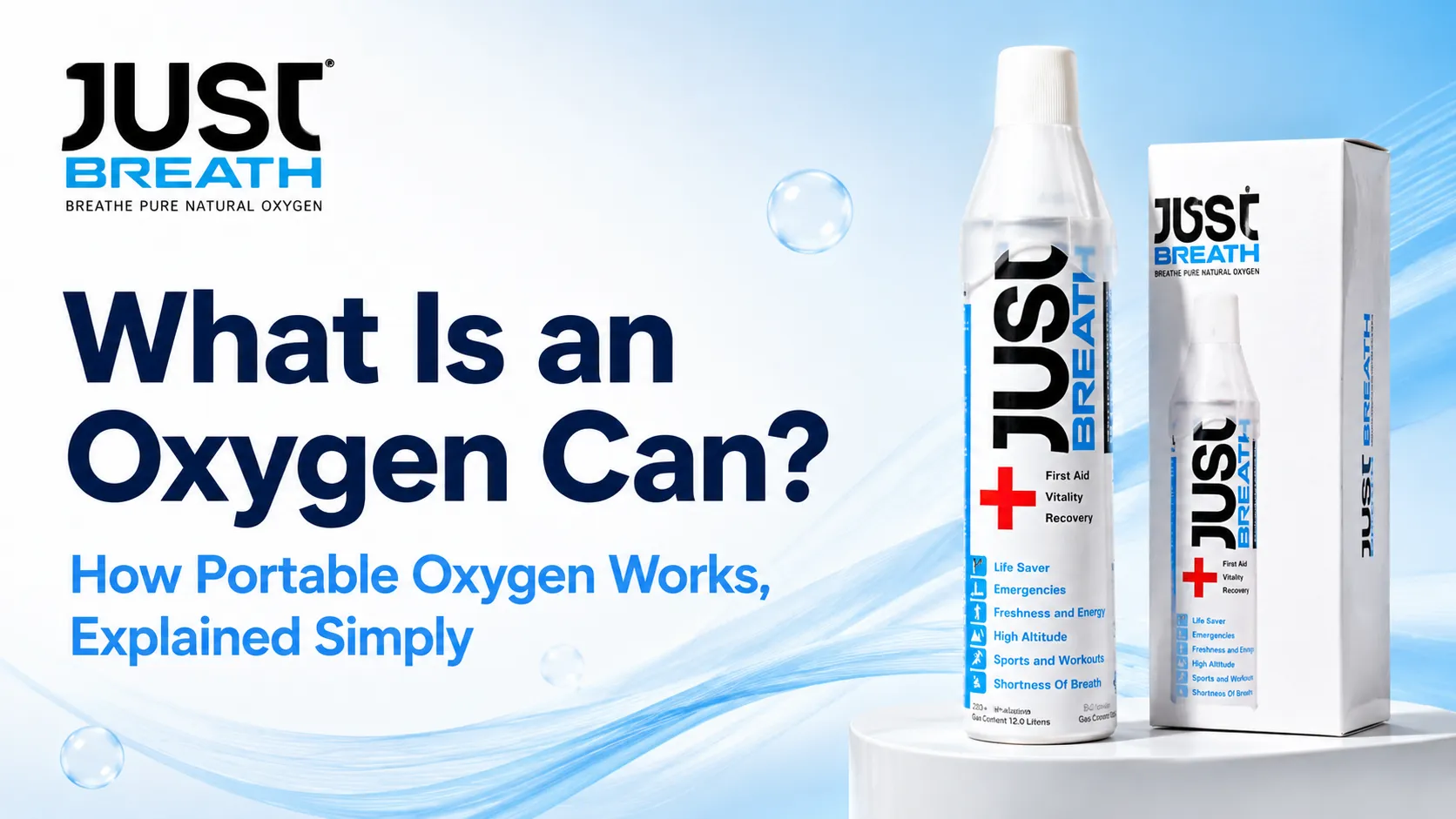
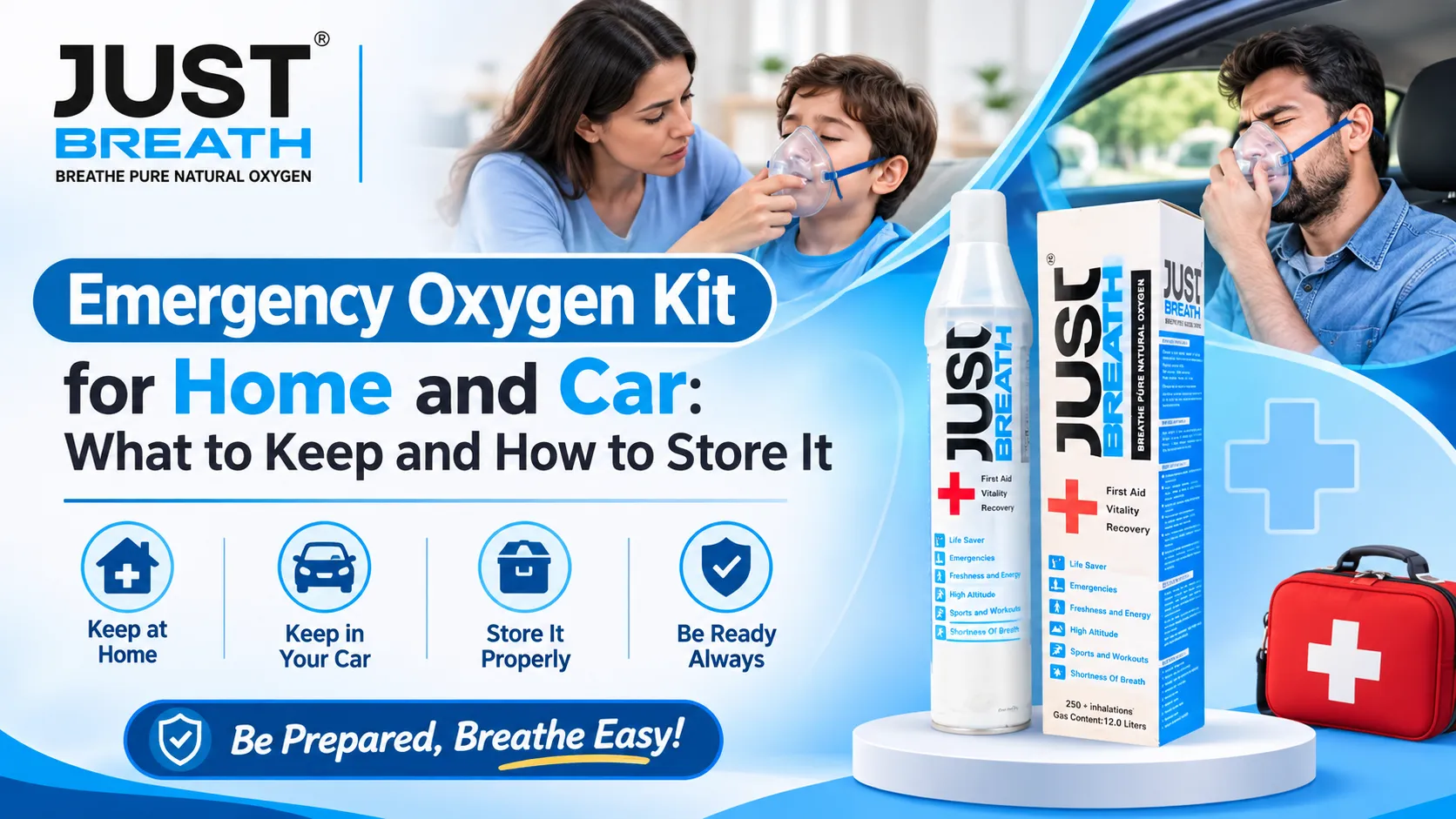
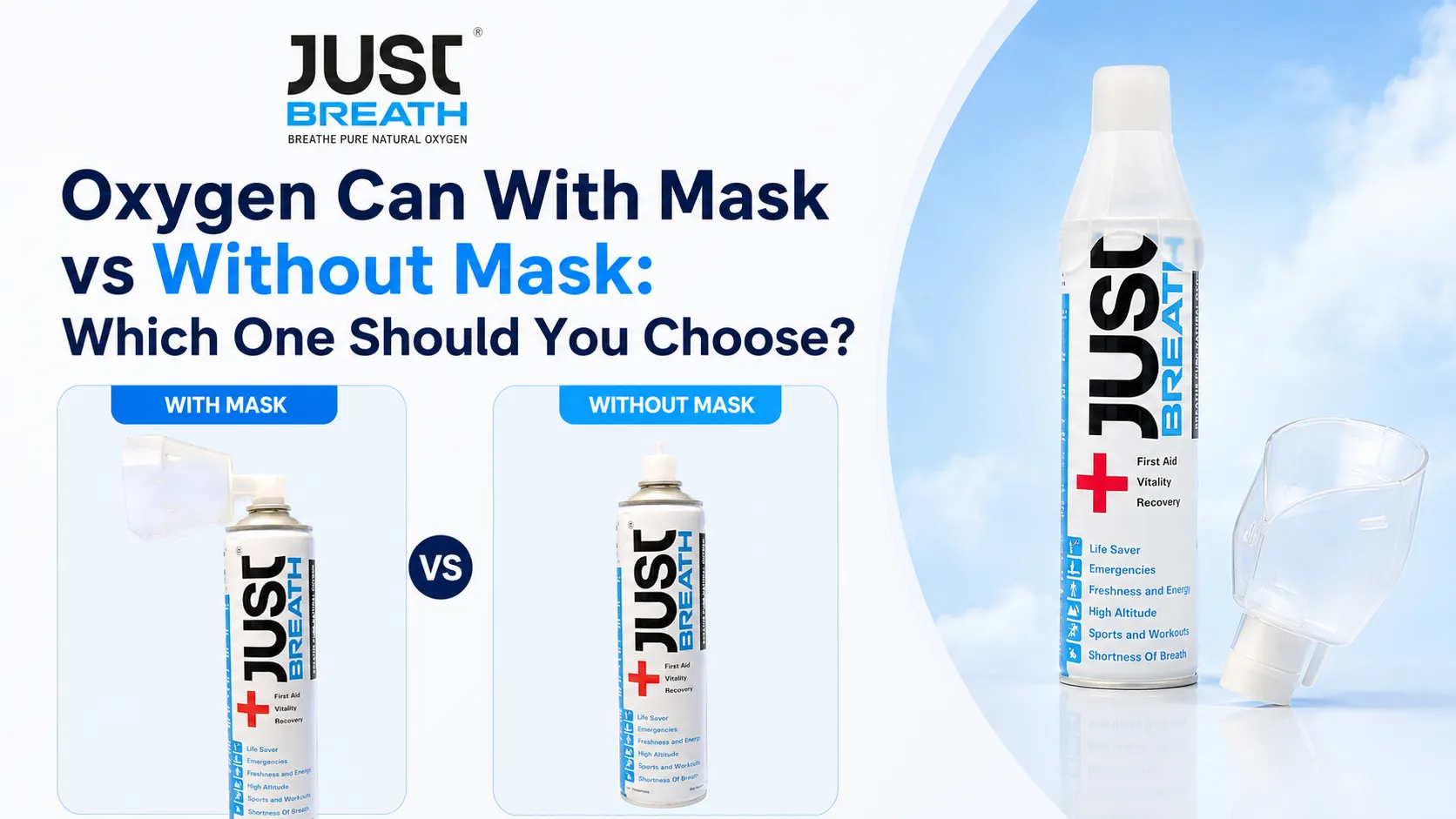
A portable oxygen can holds compressed, high-purity oxygen. When you press the cap or trigger, a short burst of oxygen flows through the mask while you breathe in. Because the burst is short and the can holds a set amount, you breathe it in small doses, not the way a hospital patient on a set flow rate would.
Is pure oxygen in a can safe compared to medical oxygen?
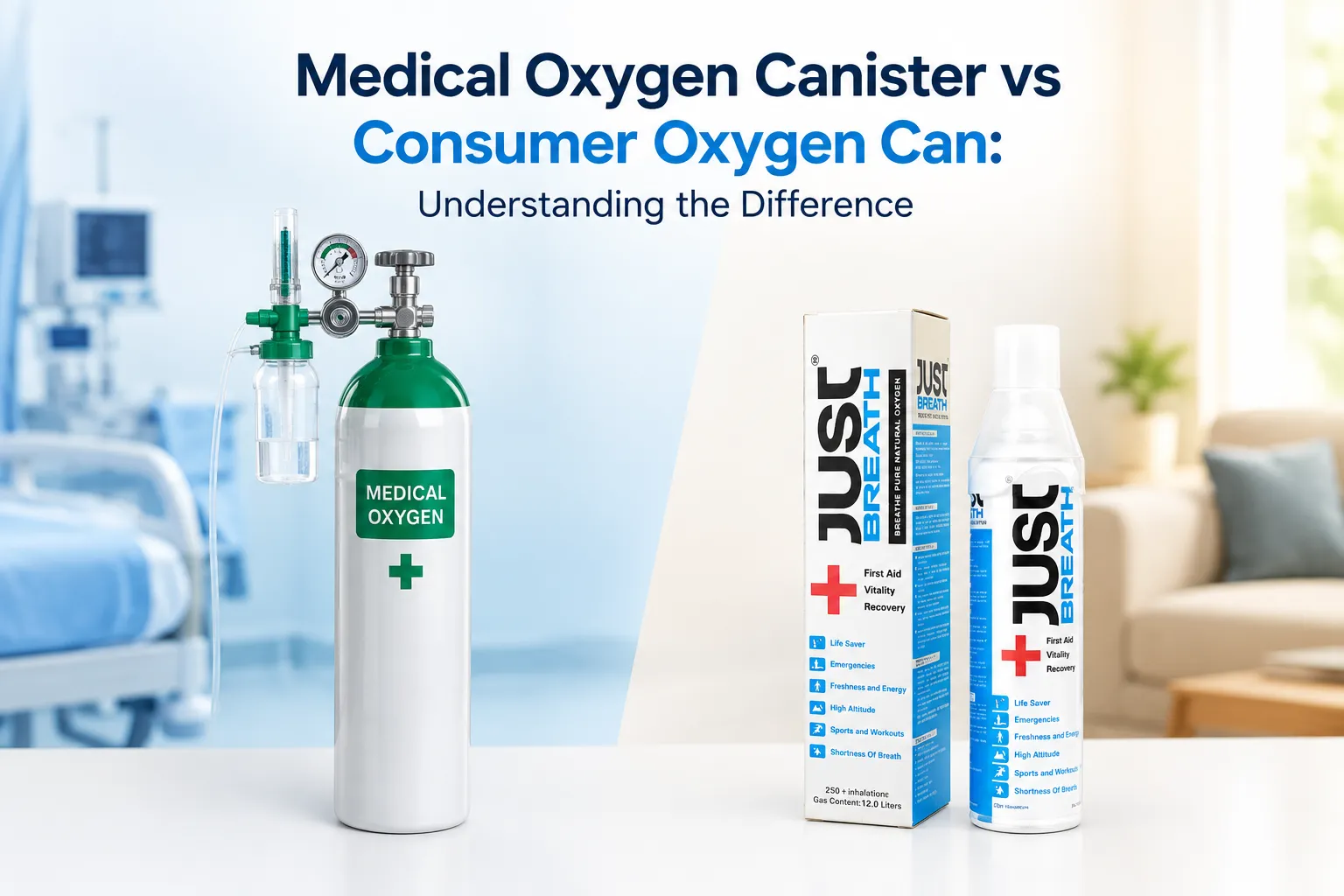
People often ask whether pure oxygen in a can is safe in the same way medical oxygen is. The two are used very differently. Medical oxygen is prescribed, dosed and monitored by a doctor for a diagnosed condition. A can is a wellness and convenience product for short, occasional breaths. So pure oxygen in a can is generally safe for healthy people when used as directed, but it is not a treatment and should never replace oxygen your doctor has prescribed.
Why “a few breaths” matters
Oxygen toxicity, the kind of harm doctors worry about, is linked to breathing very high oxygen levels for long periods, usually in hospital or diving settings. A few short puffs from a can are a very different situation. Follow the label to keep oxygen can side effects to a minimum, and don’t treat it as something to breathe from all day.
2. What Are the Possible Oxygen Can Side Effects?
Most people feel nothing unusual. When oxygen can side effects do happen, they are usually mild and short-lived. Knowing them helps you use the product calmly and stop when needed.
Dry throat and dry nose
Canned oxygen is very dry. A few breaths can leave your throat, nose or mouth feeling dry or scratchy. This is the most common of the oxygen can side effects. Drinking water before and after use usually helps.
Dizziness or light-headedness
Some people feel light-headed, mostly because they breathe too fast or too deeply while using the mask. Breathe normally, take one slow breath per puff, and sit down if you feel dizzy. If dizziness does not go away quickly, stop using the can.
Mild cough or chest discomfort
A cold, dry burst can cause a short cough in some users. If you notice chest pain, wheezing or tightness, stop using it and get medical advice. These are not normal oxygen can side effects for a healthy person and may point to something that needs checking.
When oxygen can side effects are a warning sign
Stop and seek help if you have:
- Breathlessness that gets worse, not better
- Chest pain or a racing heartbeat
- Confusion, severe headache or fainting
- Blue or grey lips or fingertips
These signs need a doctor, not more oxygen from a can.
3. Fire and Heat Safety Rules You Must Follow
When people think about oxygen can safety, they usually think about the body. In practice, the biggest real risk is fire. Oxygen does not burn on its own, but it makes other materials catch fire faster and burn hotter.
Keep it away from flames and sparks
Never use an oxygen can near a gas stove, candle, diya, lighter, matchstick, incense stick, cigarette, bidi or any open flame. Don’t smoke while using it or right after. This is the single most important oxygen can safety rule.
Protect the can from heat
A pressurised can should never be left in direct sunlight, inside a hot car, near a heater, or close to a geyser or cooking area. Heat raises pressure inside the can. Store it in a cool, dry, shaded place.
Avoid oils and greasy hands
Oil, grease and some creams can react badly with concentrated oxygen. Use the mask with clean, dry hands and avoid applying oil-based balm on your face just before use.
Never puncture or burn an empty can
Even an “empty” can may hold some pressure. Don’t pierce it, crush it or throw it into a fire. Dispose of it as the label instructs.
4. Who Should Ask a Doctor Before Using an Oxygen Can?
These cans are designed for healthy adults. Some groups should check with a doctor before using one, because their bodies may react differently to extra oxygen.
People with lung conditions (COPD, asthma)
People with COPD and some other long-term lung diseases can be sensitive to extra oxygen, and their oxygen needs should be set by a doctor. For asthma, canned oxygen does not open the airways and is not a replacement for an inhaler. During an asthma attack, use your prescribed medicine and seek help.
People with heart conditions
If you have heart disease, high blood pressure or have had a heart attack, ask your cardiologist before use. Chest discomfort or breathlessness in heart patients needs proper medical care.
Pregnant women
There is limited research on recreational oxygen use during pregnancy. Pregnant women should ask their gynaecologist before using one, especially if they feel breathless, which can have many causes in pregnancy.
Children and elderly users
Children should not use one without adult supervision and a doctor’s advice. Elderly users, especially those on regular medicines, should check with their doctor first.
Anyone feeling unwell
If you are using the can because you feel breathless, unwell or “low on oxygen”, that is a reason to see a doctor, not to self-treat. A pulse oximeter reading and a medical check give far more useful answers.
5. Oxygen Can Safety: Do’s and Don’ts
Here is a quick-reference table covering the key oxygen can safety habits for everyday use.
| Do ✅ | Don’t ❌ |
| Read the label and follow the directions | Use it near a stove, candle, diya or cigarette |
| Take a few slow, normal breaths per puff | Breathe from it continuously for long periods |
| Store in a cool, dry, shaded place | Leave it in sunlight or a hot car |
| Use with clean, dry hands | Touch the nozzle with oily or greasy hands |
| Drink water if your throat feels dry | Use it to self-treat asthma or breathlessness |
| Ask a doctor first if pregnant or ill | Give it to children without supervision |
| Stop if you feel dizzy or unwell | Puncture, crush or burn an empty can |
6. Safe-Use Checklist for Your Oxygen Can
Follow this short oxygen can safety checklist every time you use the product.
Before use
- Check the can for dents, rust or damage.
- Make sure there is no flame, smoke or heat source nearby.
- Fit the mask or cap firmly as shown on the label.
During use
- Sit or stand comfortably in a ventilated space.
- Press for a short burst while breathing in slowly through the mask.
- Take a few breaths, then pause. Stop if you feel dizzy.
After use
- Put the cap back on and store the can in a cool place.
- Keep it out of reach of children.
- Dispose of empty cans as per label instructions, never in a fire.
Want a can made for safe, simple on-the-go use? Explore the Just Breath Oxygen portable oxygen can and read the usage directions before your first breath.
Conclusion: Is an Oxygen Can Safe for You?
For most healthy adults, an oxygen can is generally a low-risk product when used for a few short breaths, exactly as the label directs. The common side effects, such as a dry throat or slight dizziness, are usually mild and pass quickly. The real danger is fire, so keep the can away from stoves, candles, cigarettes and heat at all times.
Remember that pure oxygen in a can is a wellness product, not a medical treatment. If you have a lung or heart condition, are pregnant, or are buying it for a child or an elderly parent, talk to a doctor first. And if you ever feel breathless or unwell, get a proper medical check instead of reaching for the can.
Use it smartly, store it safely, and follow the oxygen can safety checklist above for peace of mind. Ready to try it? Visit Just Breath Oxygen to explore our portable oxygen can.