Why Families Search for Oxygen for Elderly Parents
Honestly? Fear. And distance.We all remember 2021
Nobody who lived through the second wave forgets it. The WhatsApp forwards, the cylinder numbers that never picked up, relatives driving around at 2 am. Most of us still have an oximeter in a drawer from that time. So when a parent sounds breathless now, our brains jump straight to “find oxygen.”The smog doesn’t help
If your parents live in Delhi, Lucknow, Kanpur or Patna, you already know what November feels like. Older lungs struggle. Around this time every year, children working in other cities start looking for portable oxygen for senior citizens, mostly so their parents have something at home on the bad days. Searches for senior citizen oxygen climb right along with the AQI.Sometimes it’s just love
Not every purchase is about a crisis. Plenty of people buy an oxygen can for parents the way they’d buy them a good thermos or a warm shawl. It’s a “just in case” thing, and it makes the person buying it feel a little less helpless from far away. We get it. Just make sure everyone in the house knows what it can actually do.What a Portable Can Can and Cannot Do for Seniors
The good part
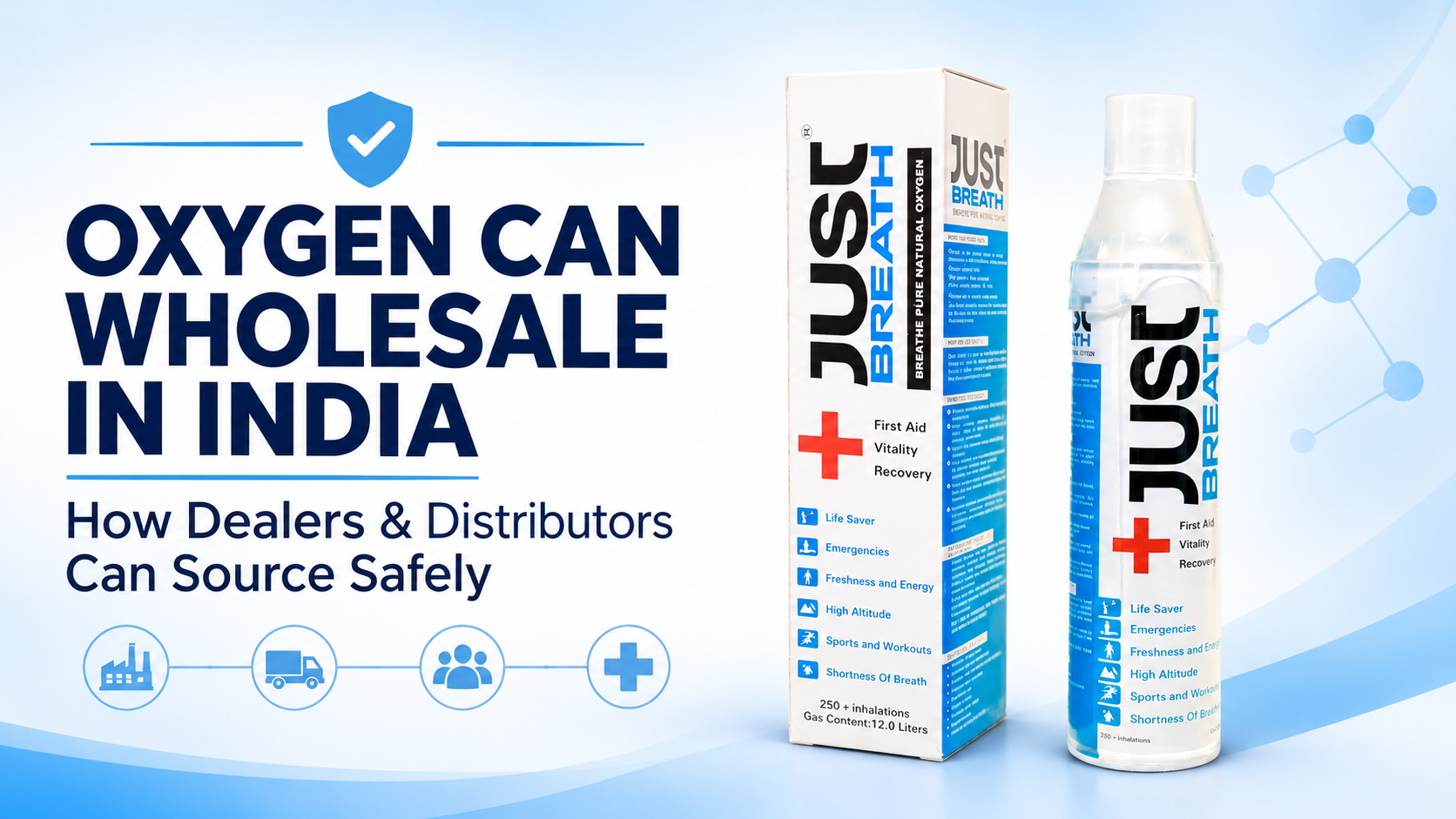
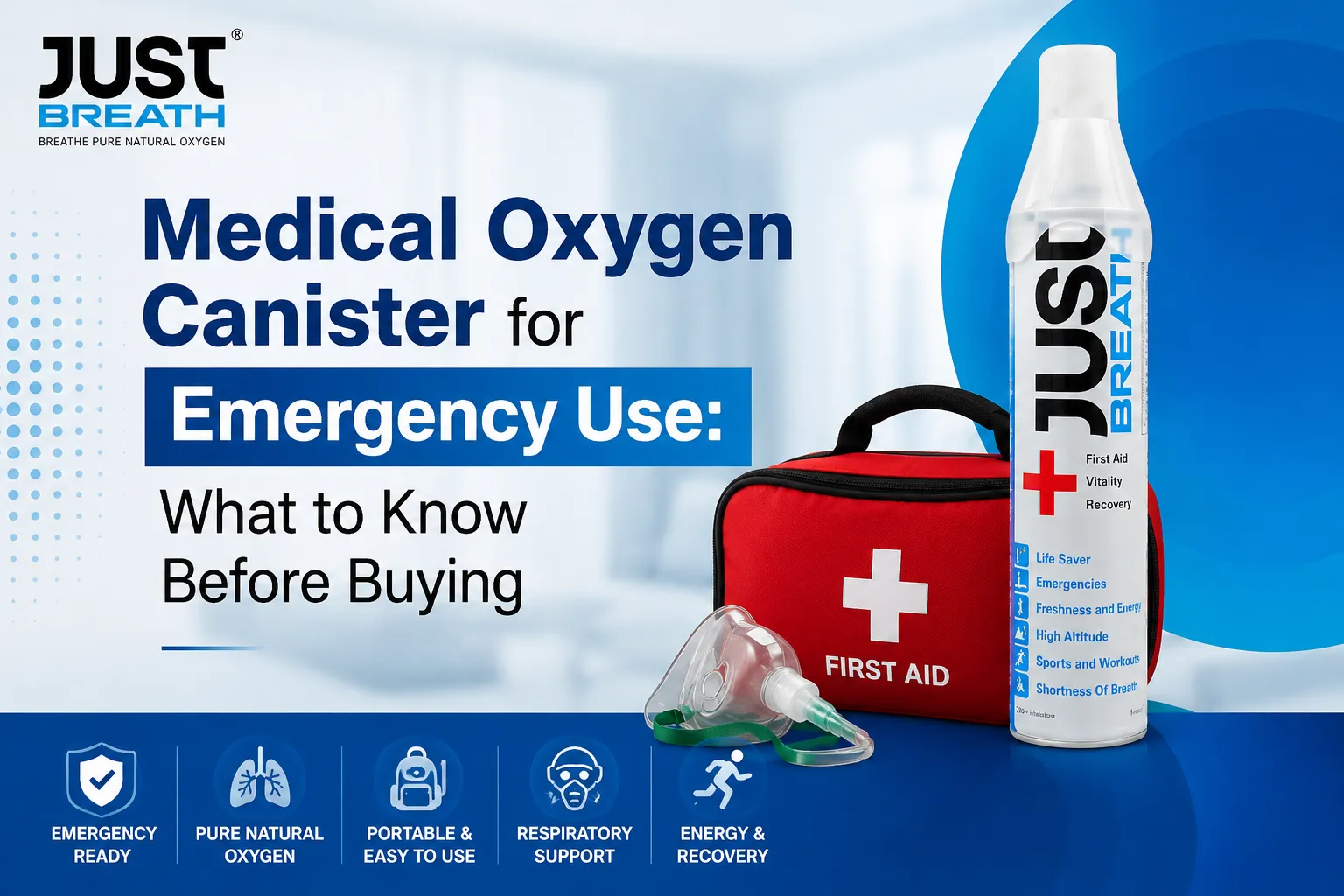
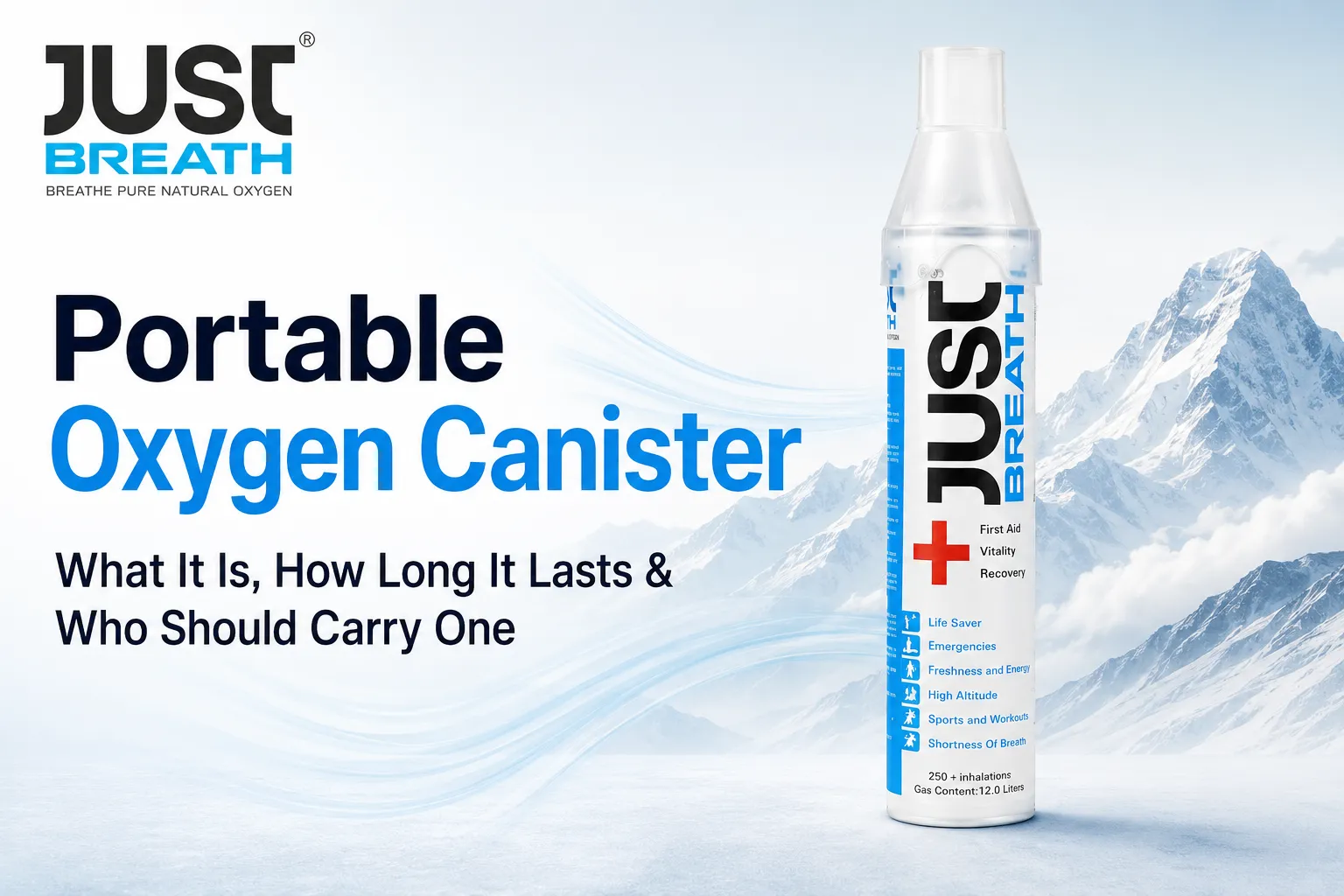
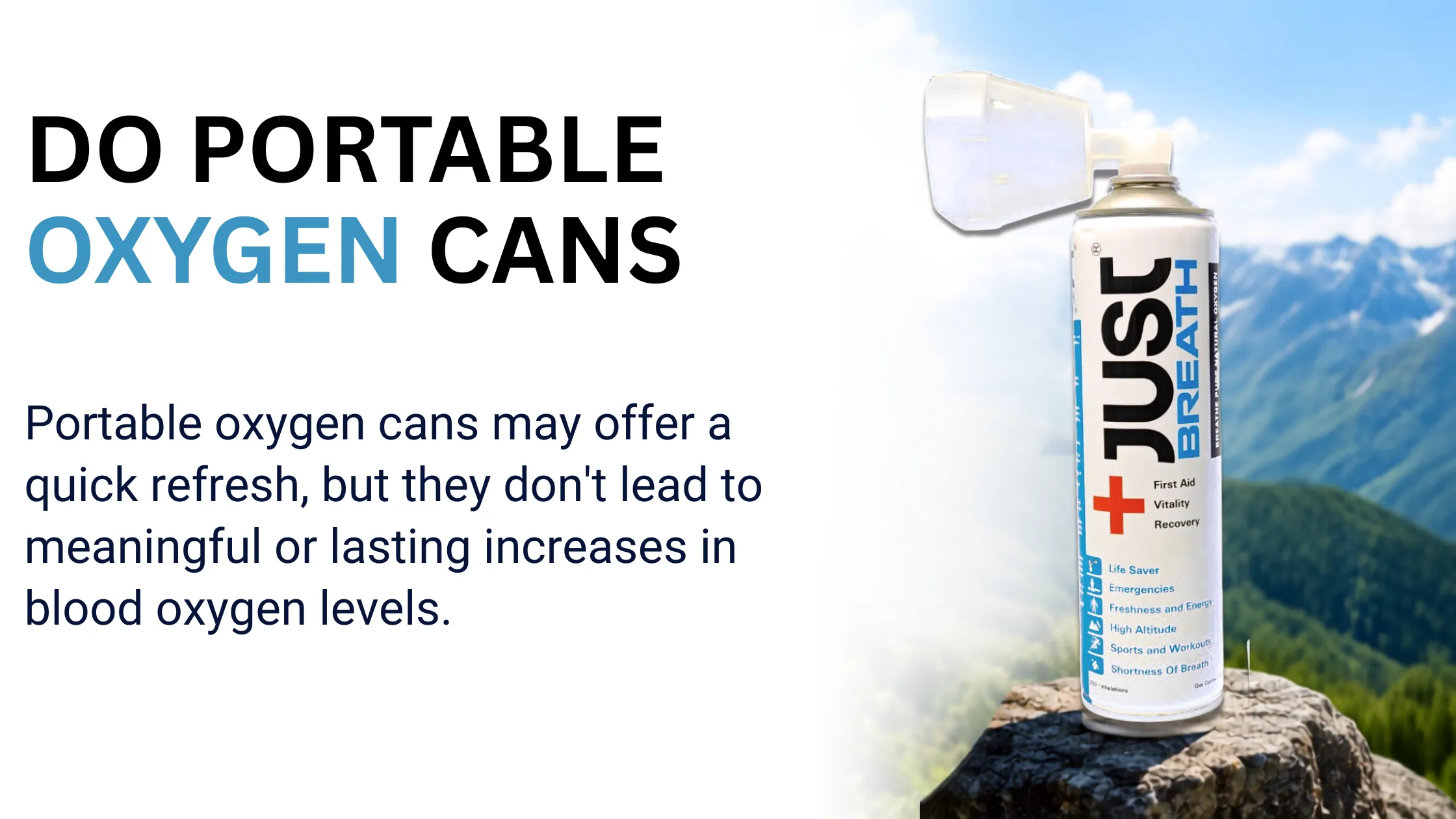
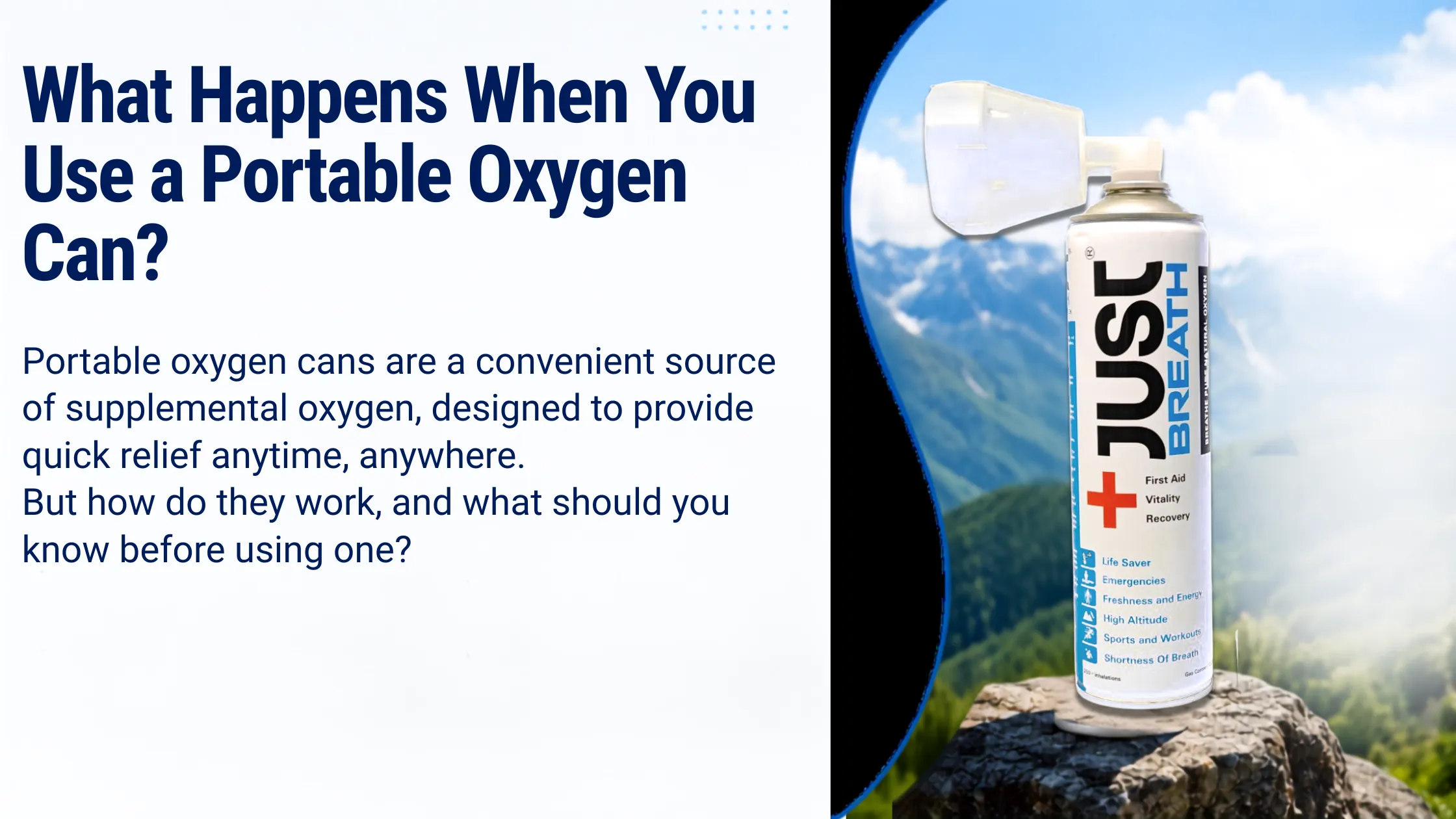
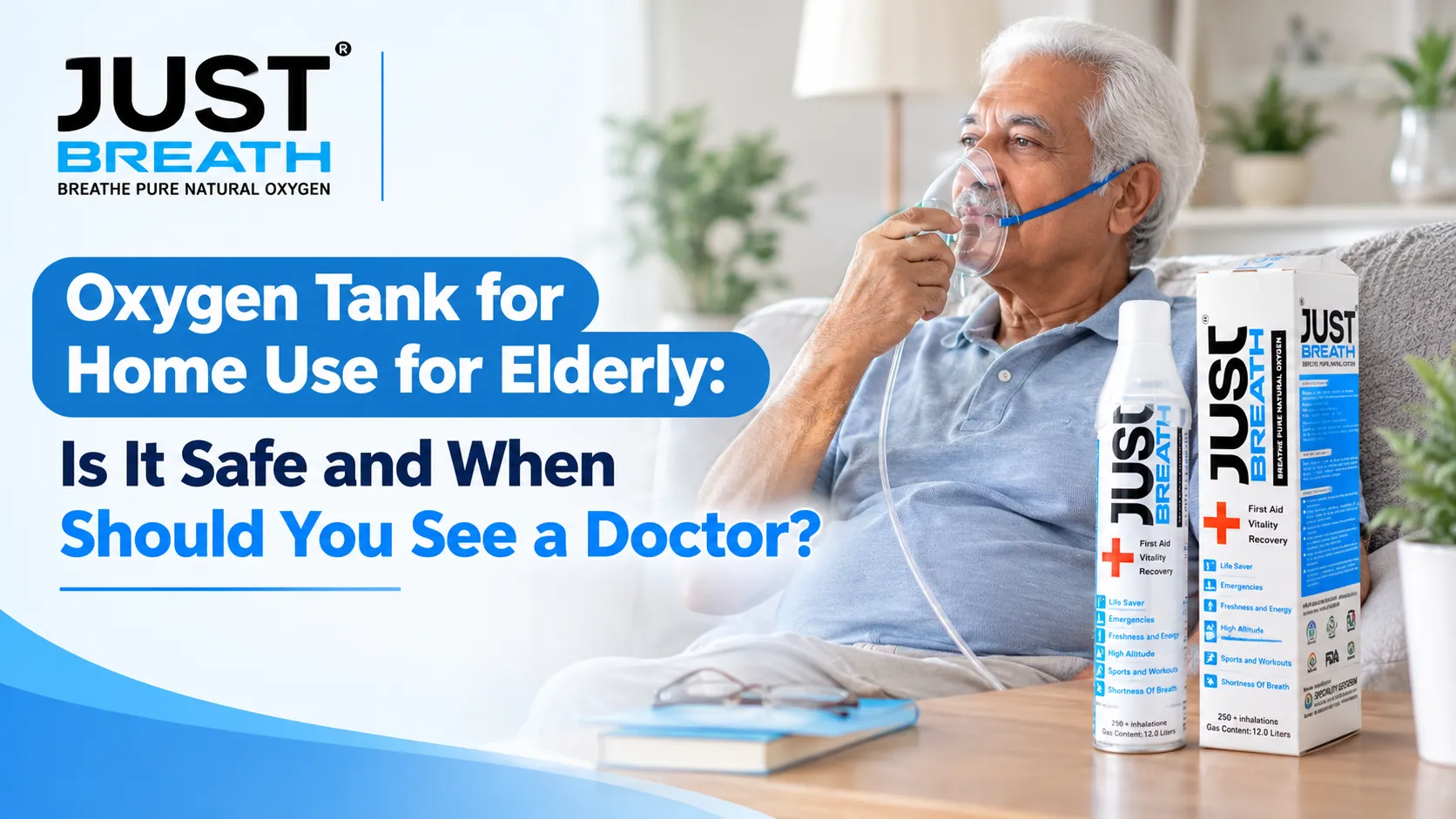
A can like ours is small, light and holds 12 litres of oxygen at up to 99% purity. That’s roughly 360 short breaths, and the mask comes attached. For an older person who’s a bit puffed after the stairs, or worn out after a long drive back from a family wedding, a few slow puffs can feel calming. No plug, no machine, nothing to set up. That’s really what an oxygen can for home is for, and it’s what most families have in mind when they ask us about an oxygen can for old age.The part we have to be honest about
It treats nothing. Not a weak heart, not pneumonia, not asthma, not COPD. It gives puffs, not a steady flow, and the supply runs out. What genuinely worries us is this: a can might make someone feel slightly better for five minutes, and five minutes is enough for a family to decide “she’s okay now” when she isn’t.Ask the doctor first if your parent has COPD or heart trouble
Same goes if they’re already on prescribed oxygen or have any long-term lung problem. For some of these patients, extra oxygen is actually a problem, not a fix. Their doctor may have set a specific target, and a can has no way of respecting that. This applies to any senior citizen oxygen product, not only ours.Signs That Mean You Need Medical Help, Not a Can
This is the most important part of the post, so please don’t skim it.Call 108 or 112 right away if you see
- Breathlessness while sitting still, or they can’t get a full sentence out
- Chest pain or pressure, especially if it moves into the arm, jaw or back
- Blue or grey lips or fingertips
- Sudden confusion, unusual sleepiness, or they just don’t seem like themselves
- A drooping face, slurred speech, or a weak arm or leg
- SpO2 at 90% or lower on an oximeter that’s working properly
See a doctor within a day or two if
Breathlessness has been creeping up over a few days. They wake at night gasping, or suddenly need more pillows to sleep. Their ankles are swelling. There’s fever and cough along with the breathlessness. Or their SpO2 keeps sitting under 94% while resting. None of these are “let’s wait and see” situations, even if they aren’t emergencies.Don’t trust the oximeter blindly
Cold fingers, nail polish, a shaky hand or a cheap oximeter from the local market can all give you a wrong number. Warm their hands, let them sit quietly for a minute, then try again. And if your father looks unwell but the screen says 97, believe your eyes.Safe Use: Technique, Supervision and Mask Fit
How to actually use it
Sit them upright in a chair, not lying down. Ask them to breathe out first, then put the mask on, press for a second or two while they breathe in slowly, hold for a moment, and let it go. Two or three puffs is enough. If they feel no better after that, stop and call the doctor rather than trying “just a few more.”Someone should be watching
At least the first few times. The press-and-breathe timing is surprisingly fiddly for older hands, and a parent with any memory trouble may lose track of how much they’ve used. If you’ve bought an oxygen can for parents who live in another city, get on a video call and watch them do it properly once. Honestly, that call is worth more than the can.Getting the mask right
It should cover both nose and mouth and sit snug, not squashed onto the nose. Dentures change the shape of the face, so check the fit both with and without them. Wipe it with a clean damp cloth afterwards and keep it in a pouch, not loose in a drawer with the remote and the spectacles.Keep it away from the kitchen
Oxygen feeds fire. Don’t use it near the gas stove, the puja diya, agarbattis or anyone’s beedi. Store it somewhere cool and out of the sun.Oxygen Can vs Concentrator vs Cylinder for Seniors
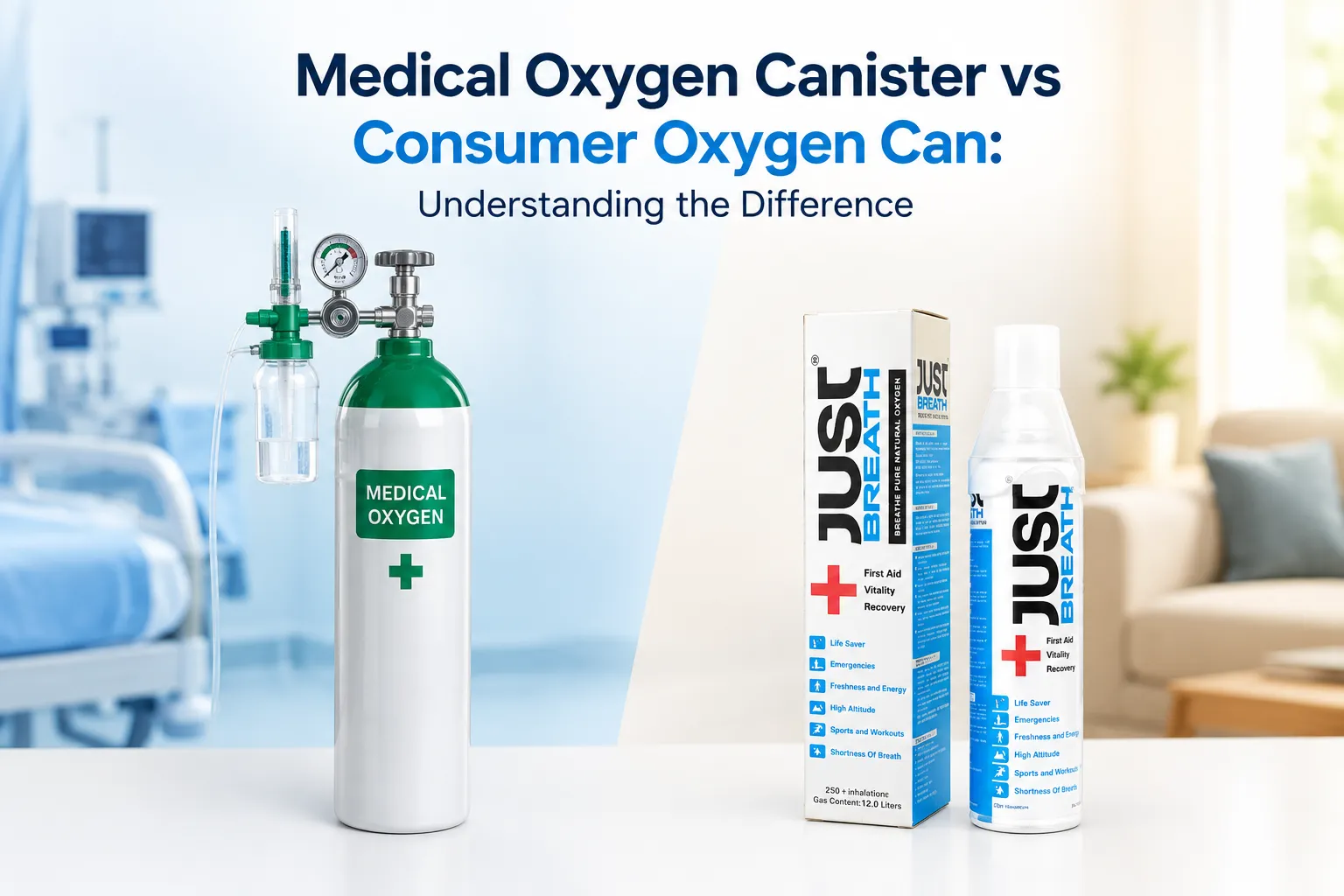
This is a mix-up we untangle almost every day. When people say “oxygen tank for home,” they could mean three completely different things, and for senior citizen oxygen needs the difference really matters.| Portable oxygen can | Oxygen concentrator | Medical oxygen cylinder | |
| What it does | Short puffs from a small, fixed supply | Pulls oxygen from room air, steady flow | Steady flow from a large stored supply |
| Doctor’s advice needed? | Not for occasional comfort use | Yes | Yes |
| Needs power? | No | Yes | No, but needs refills and a regulator |
| Flow adjustable? | No | Yes, set by the doctor | Yes, set by the doctor |
| Good for | A little comfort at home or on trips | Long-term oxygen therapy at home | Prescribed therapy, or backup in power cuts |