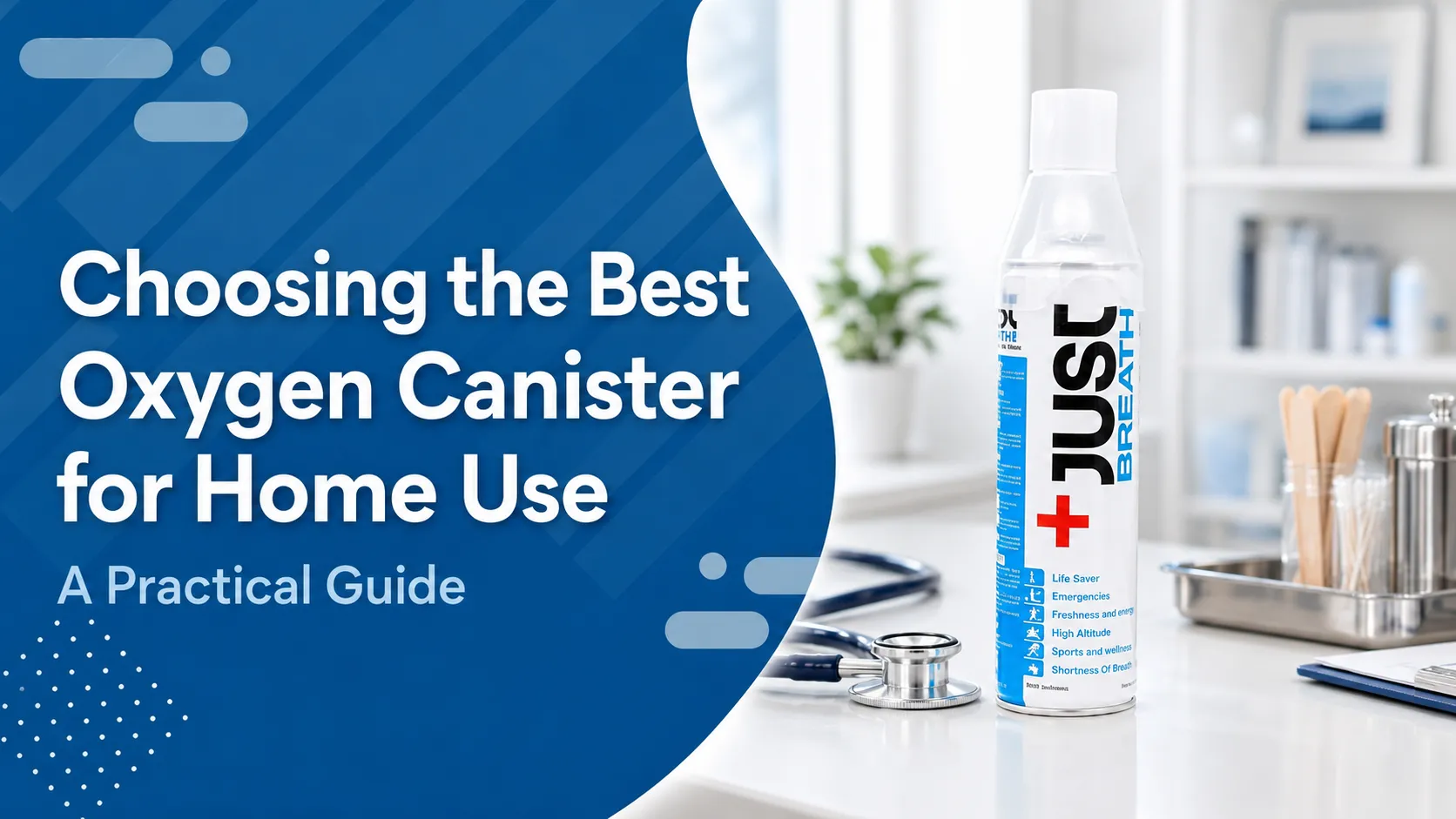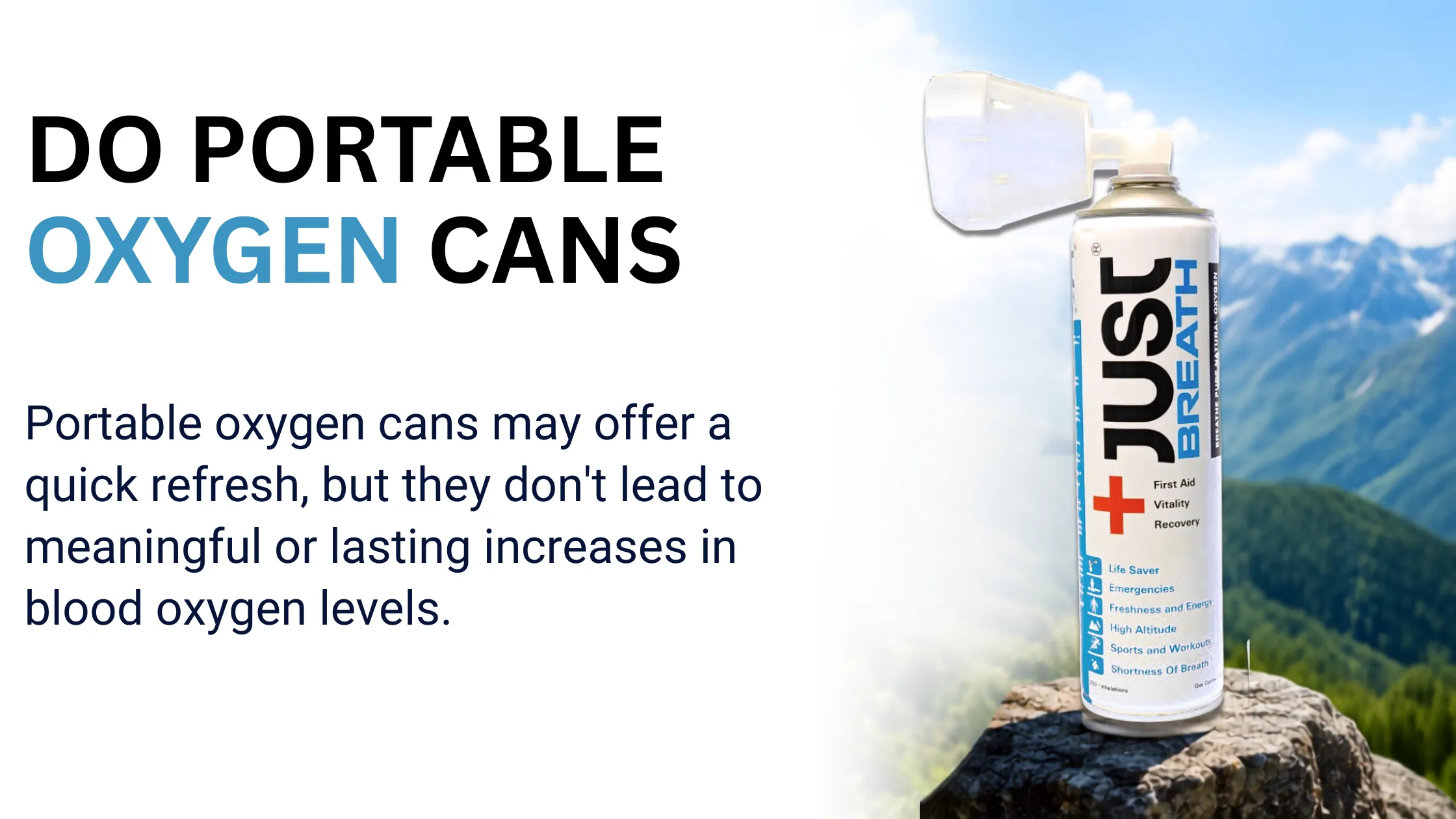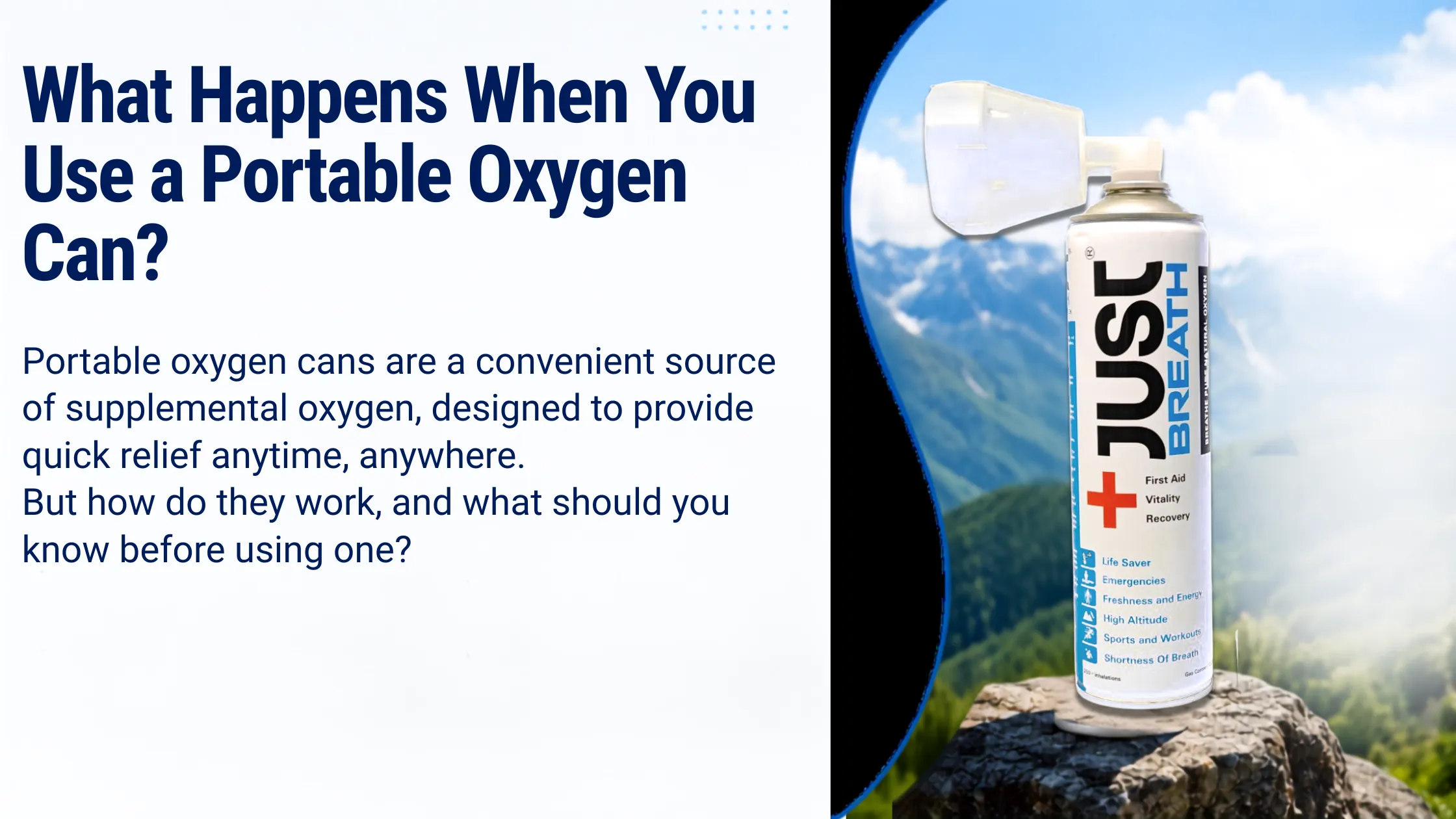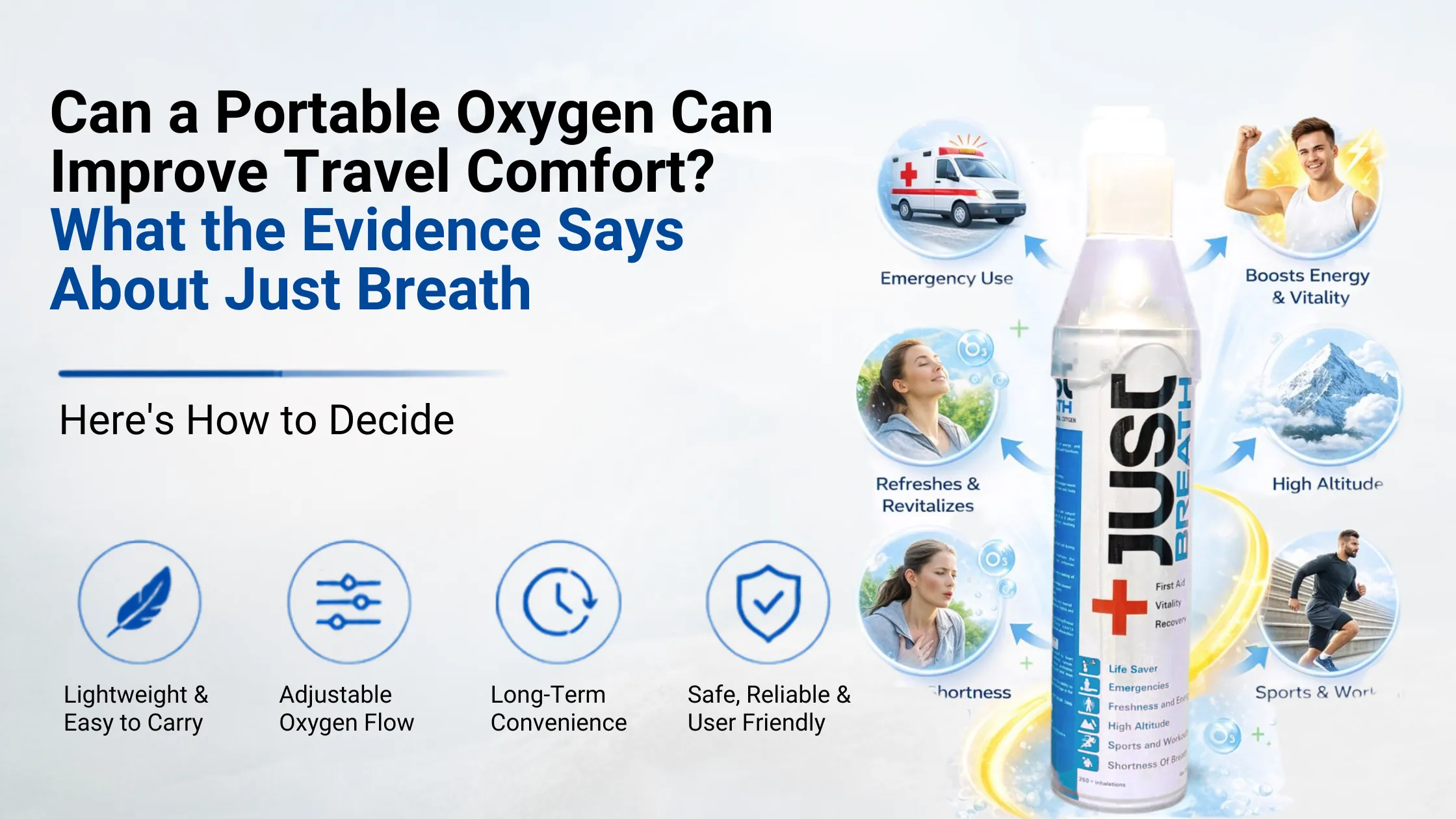
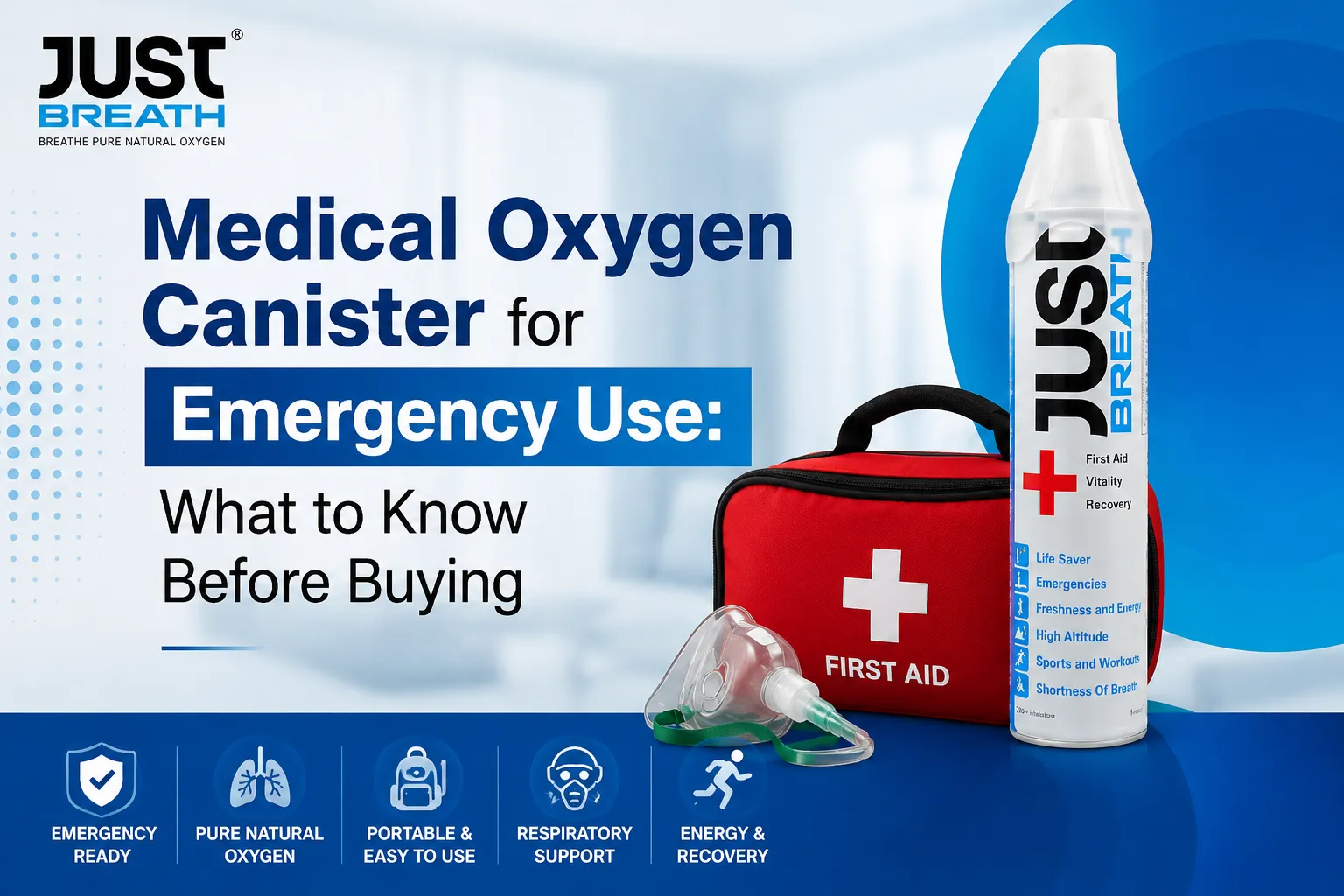
Picture the stepney lying under the boot floor of your car, which exists only to get you from a punctured highway shoulder to the nearest tyre-wall and was never meant to carry you from Ahmedabad to Mumbai. A medical oxygen canister plays a similar role for breathing: a stopgap offering a little relief for a short while, not a source anyone should lean on for hours.
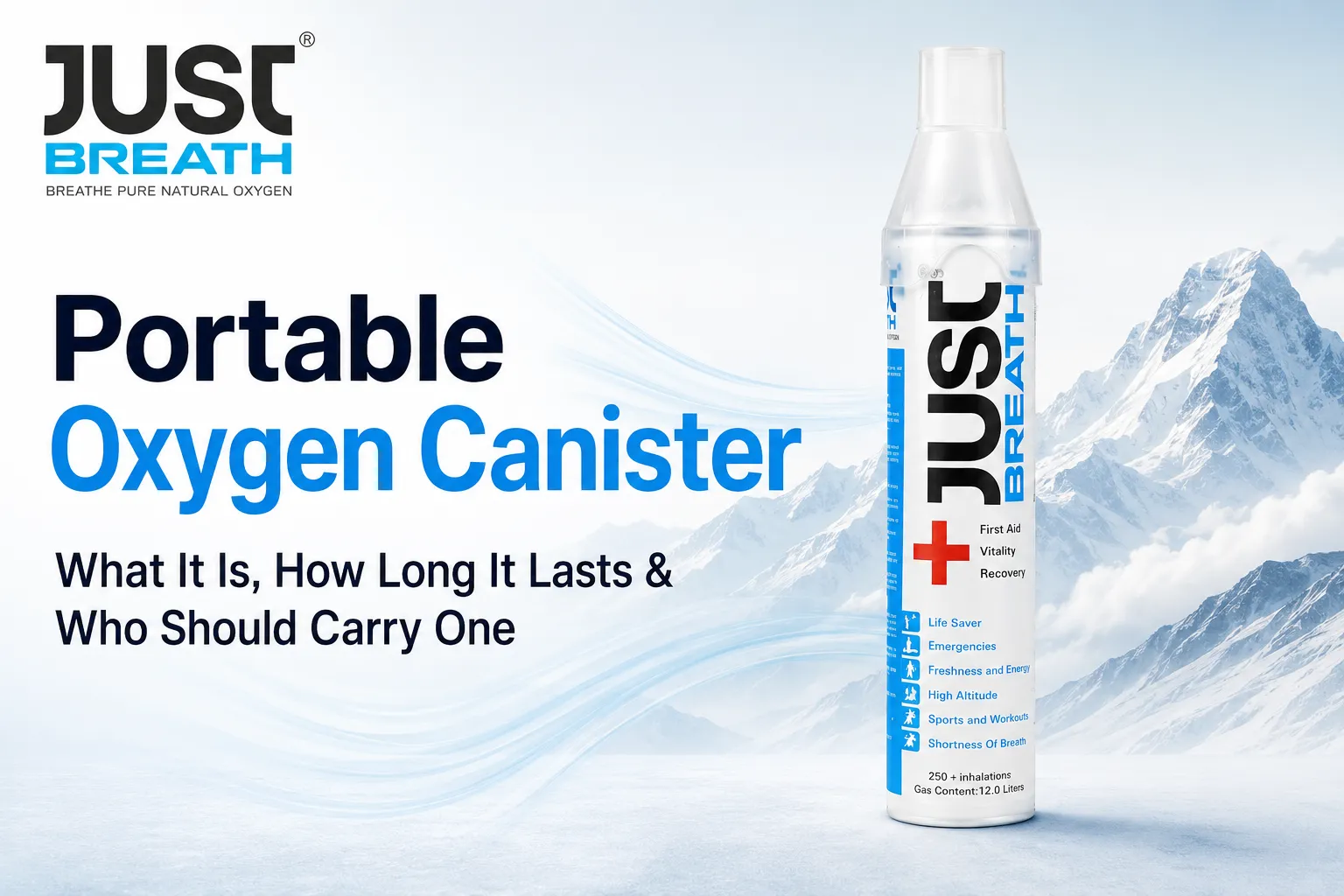
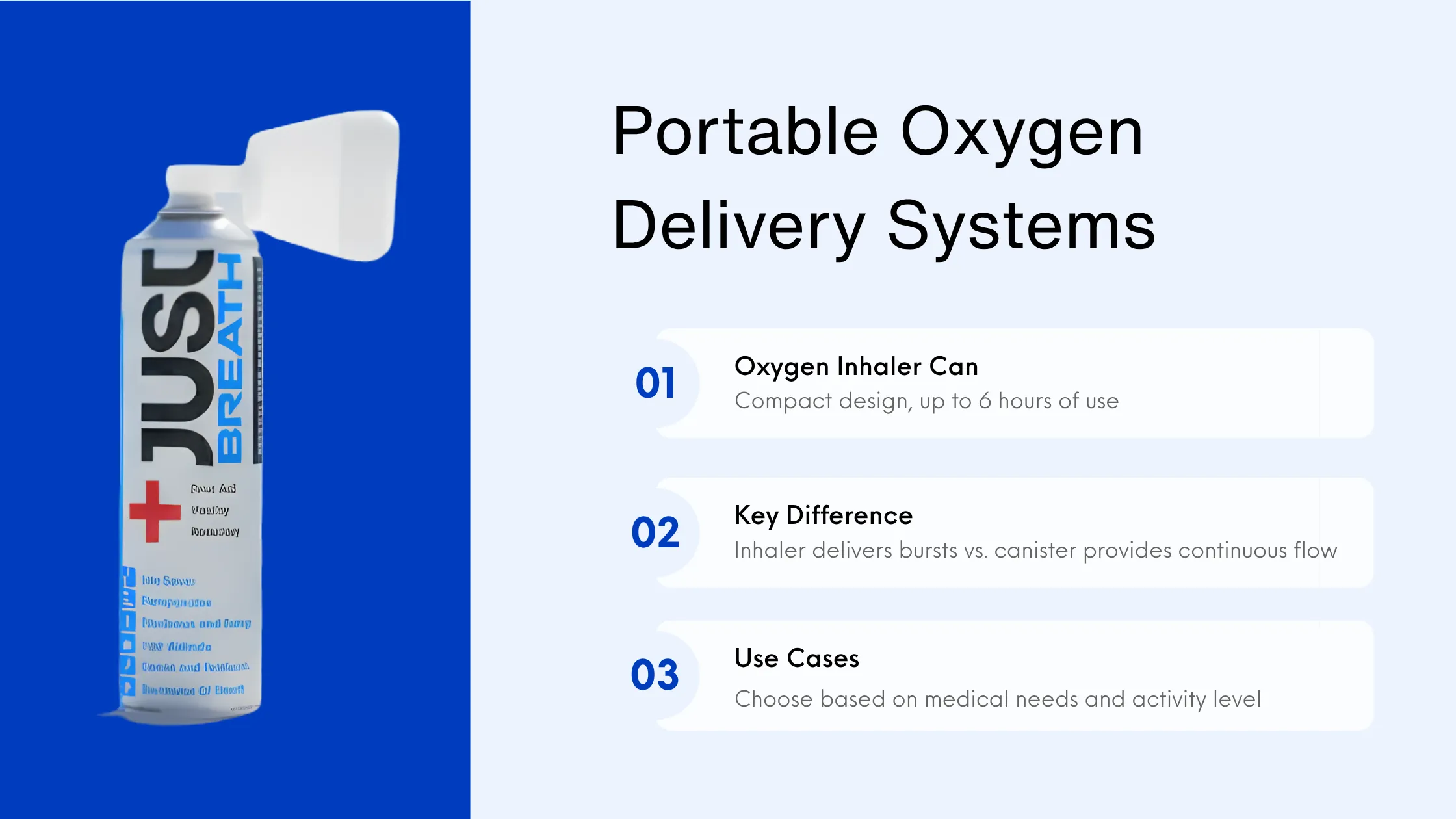
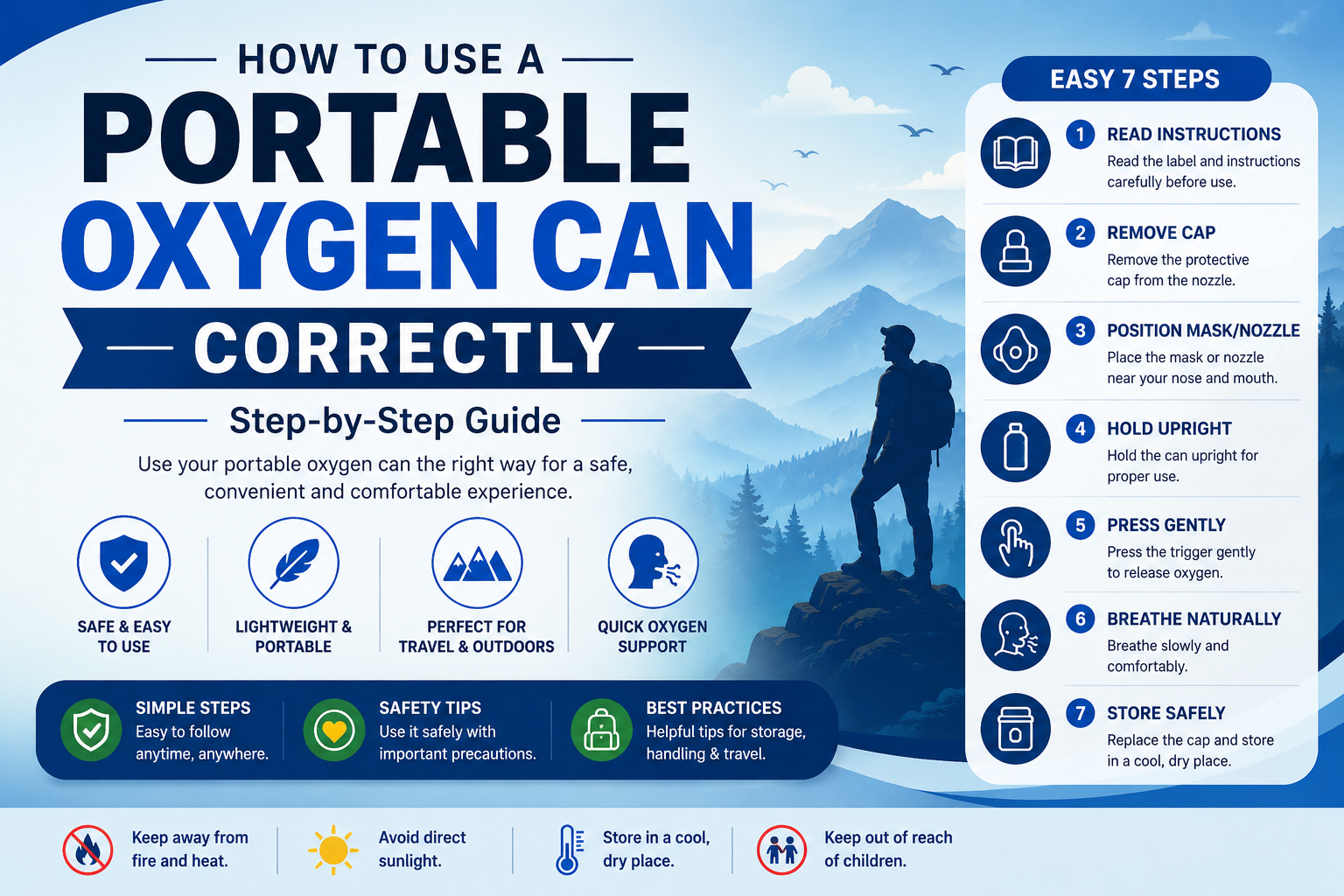
Oxygen sits inside under pressure, and a press-valve on top lets it out in puffs lasting a second or two, which you breathe in through a mouthpiece or small face mask fixed to the cap. How many puffs you get depends on the litre capacity printed on the side, and once the pressure runs out, the can is finished, since these products are made to be used up and discarded rather than refilled or adjusted with a flow knob.
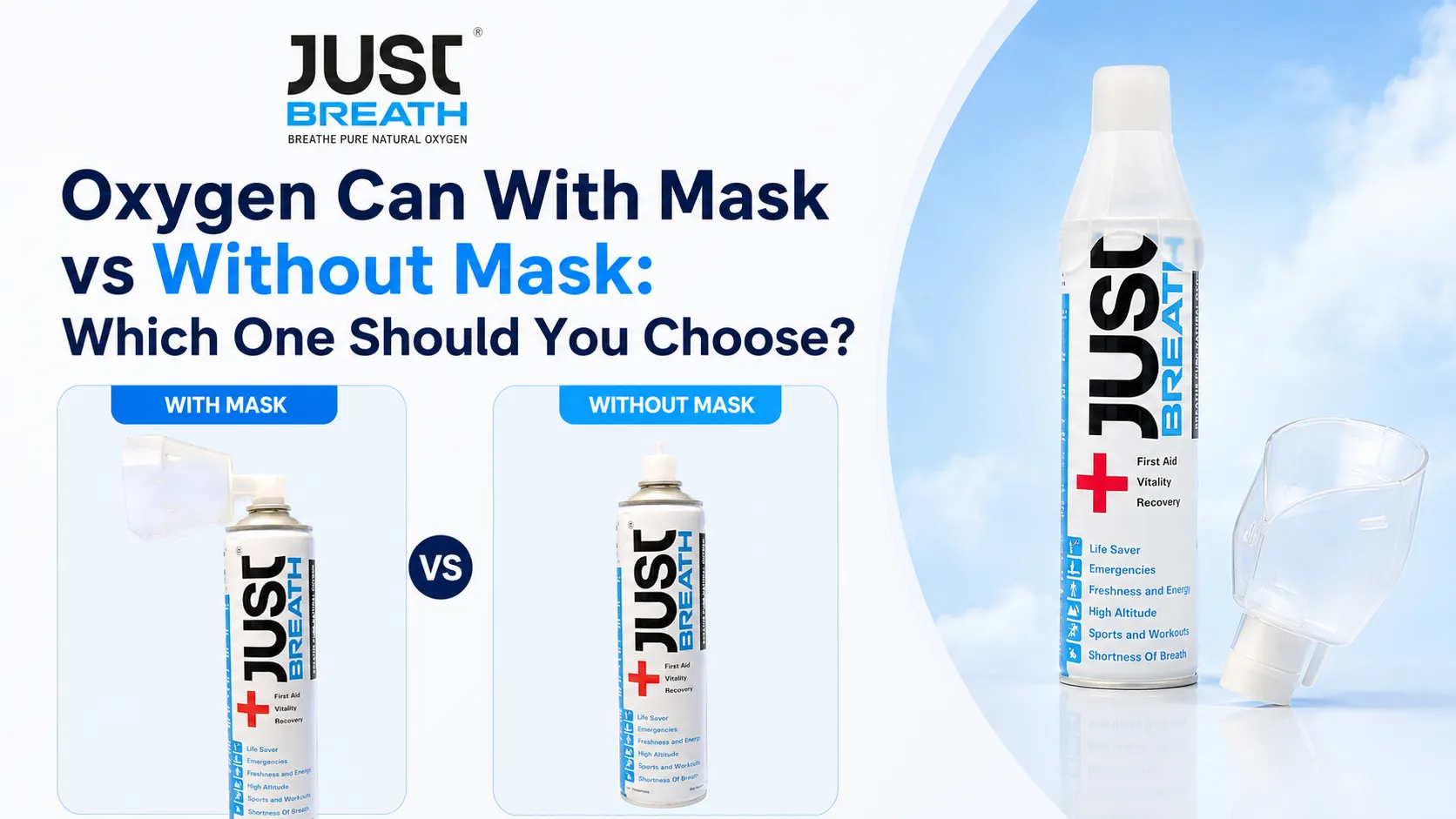
Buyers caring for parents in their seventies or eighties usually find an oxygen canister with mask far easier than a bare nozzle, because the mask rests over the nose and mouth and catches the puff even when hands tremble or breathing is quick and shallow. For readers exploring portable oxygen products for travel and convenience, the portable oxygen can page provides further product information to review before choosing a suitable option.
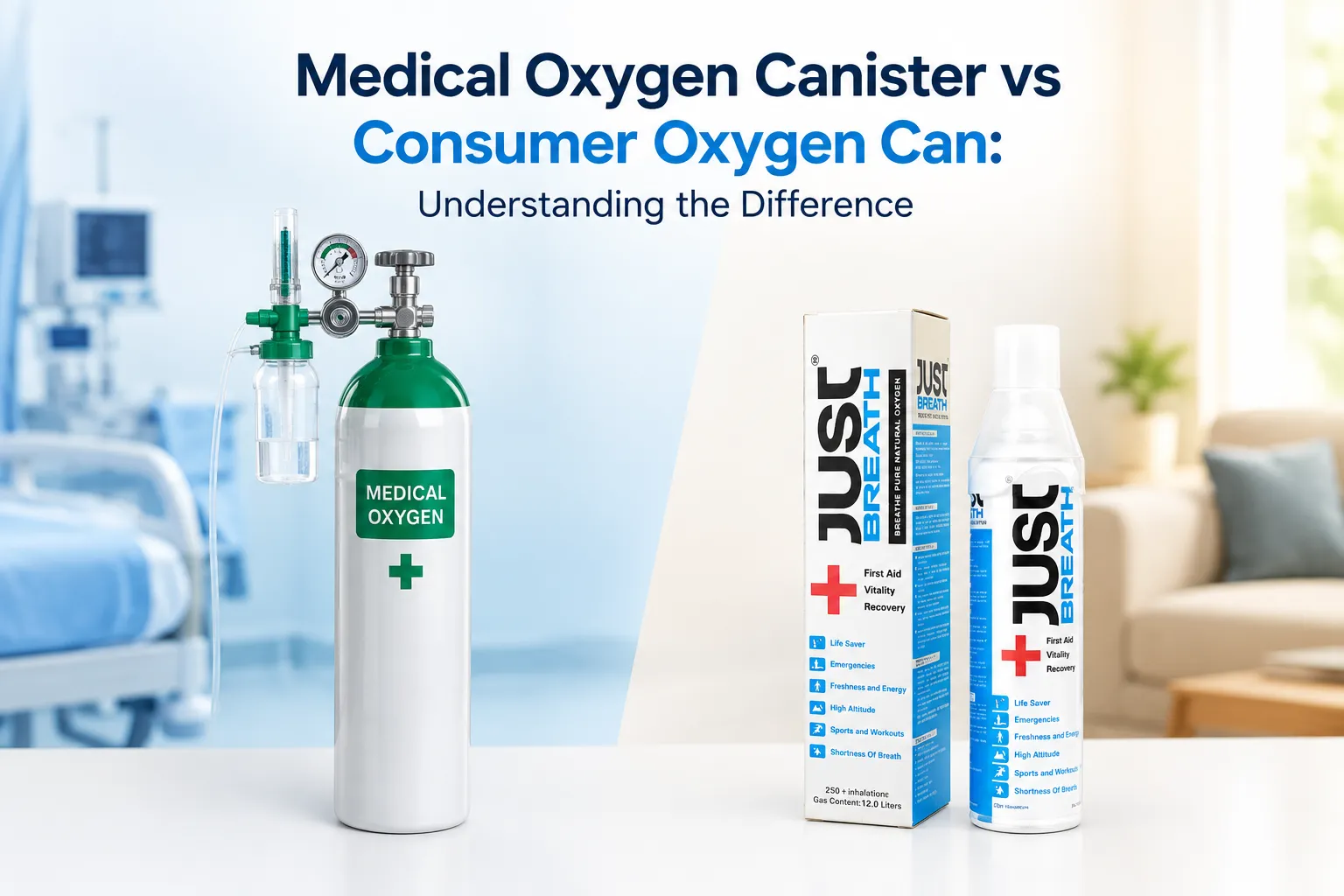
Medical oxygen and a wellness oxygen can are not the same product
Indian law treats oxygen meant for treating patients as a drug, so the company filling it must hold a manufacturing licence from drug control authorities, and that licence number should appear on the label for anyone to check. Many cans on shopping apps belong to a separate category, marketed for sports recovery, long drives or smoggy city days rather than any medical purpose. Both may say “99% pure”, but purity only describes the gas inside. The intended-use wording on the label, together with a printed licence number or its absence, is what really separates a medical product from a wellness one.When Might a Medical Oxygen Canister Be Appropriate for Emergency Preparedness?
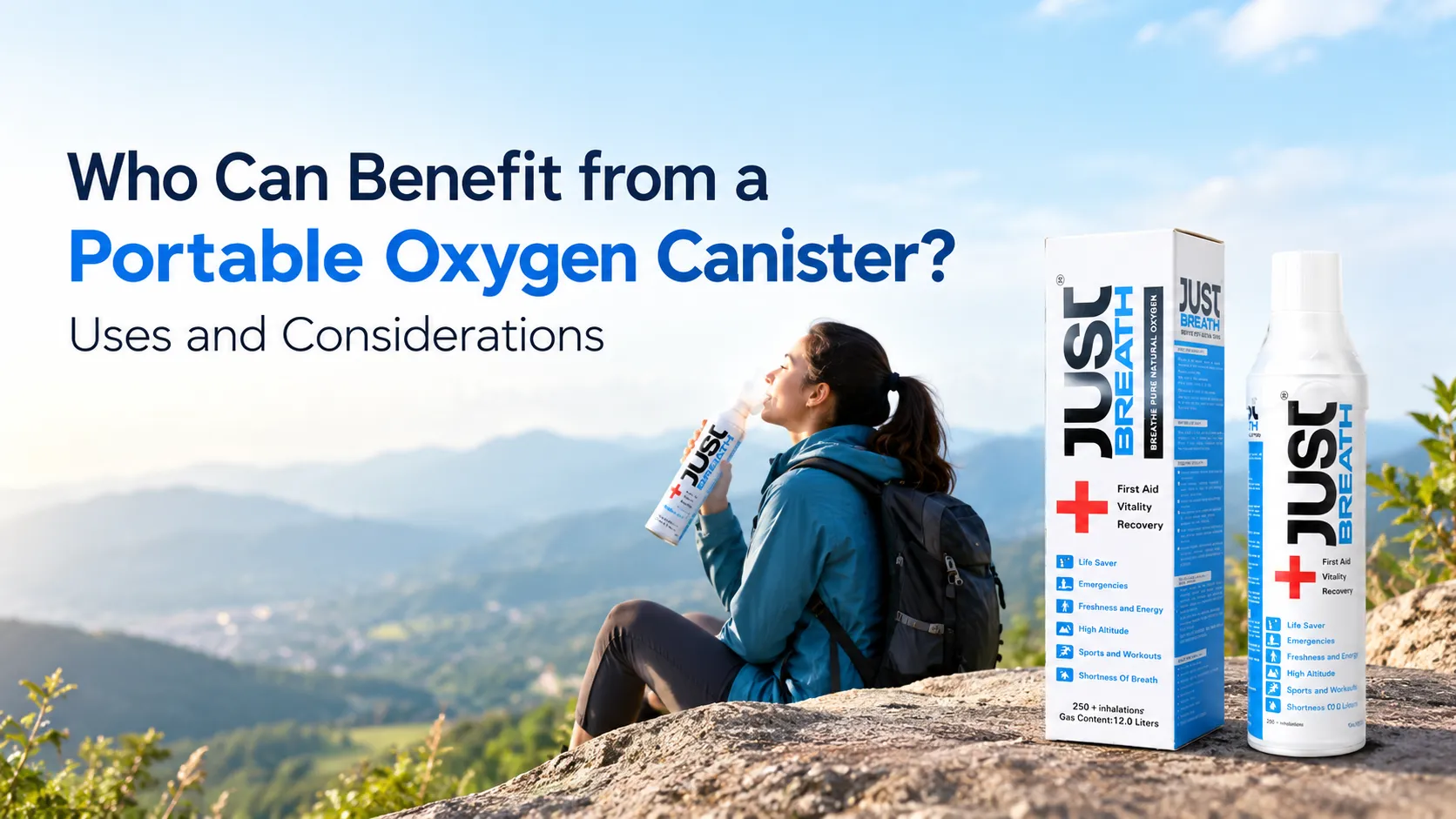
A portable oxygen can may be considered for emergency preparedness, but it should never replace prompt medical attention or prescribed oxygen therapy. A simple test is to estimate how many minutes would pass between someone feeling breathless and that person reaching a doctor or an ambulance, because a can earns its place mainly in that stretch before real care arrives. Families living with grandparents in a flat twenty minutes by auto from the nearest hospital often keep one in the medicine drawer, so a few puffs offer reassurance while somebody phones the family doctor. Night drivers on Aravalli or Shimla roads keep one in the glovebox. Trekkers heading to Ladakh or Spiti pack them too, which is sensible only when they still respect acclimatisation days and turn back if symptoms worsen. Smaller healthcare facilities sometimes keep canisters as a lightweight standby for the few minutes it takes to wheel a patient between rooms or swap an empty cylinder, always under the eye of trained nurses or doctors. Clinic owners can read how this works on our hospital and clinics page.Where a can must step aside for real treatment
No canister, however well made, can stand in for oxygen therapy a doctor has prescribed, and none counts as emergency treatment for a heart attack, stroke, severe asthma episode, pneumonia or high-altitude illness. When chest pain appears, when lips or fingernails take on a bluish tinge, when someone turns confused, or when each breath is visibly harder than the last, dialling 112 or 108 comes first, and reaching for the can should never delay that call. People living with COPD or another chronic lung disease face a particular risk, since extra oxygen taken without medical guidance can sometimes do them more harm than good, so their doctor’s instructions must decide whether any supplemental oxygen is used.What to Check Before Buying a Medical Oxygen Canister
Before purchasing a portable oxygen can, check its intended use, manufacturer details, applicable licence information, capacity and expiry date to ensure the product matches your needs. Start with a plain statement of intended use, whether medical, first-aid or recreational, written clearly rather than hidden behind claims about “instant energy”. Then look for the maker’s identity: a registered company name, a factory address you could locate on a map, a batch number and, for genuine medical oxygen, a drug manufacturing licence number. Capacity matters as much, so note the litres and approximate puffs, because two cans of the same height can hold noticeably different amounts. Look for a stated purity percentage, clear expiry date and plain storage warnings. For older family members, paying slightly more for the mask version is money well spent, and buying from a seller who issues a GST invoice and answers the phone protects you if a valve fails.How medical oxygen canister price is decided
Across Indian cities and online stores, the medical oxygen canister price shifts with litre capacity, inclusion of a mask, stated purity, the brand and the number of cans in a pack. Multipacks and bulk orders lower the per-can cost. Rather than chasing the lowest sticker, divide the price by the litres or puffs promised, because a bargain can that empties after a handful of breaths costs more per use than a larger, better-labelled one.Medical Oxygen Canister vs Oxygen Cylinder: Key Differences
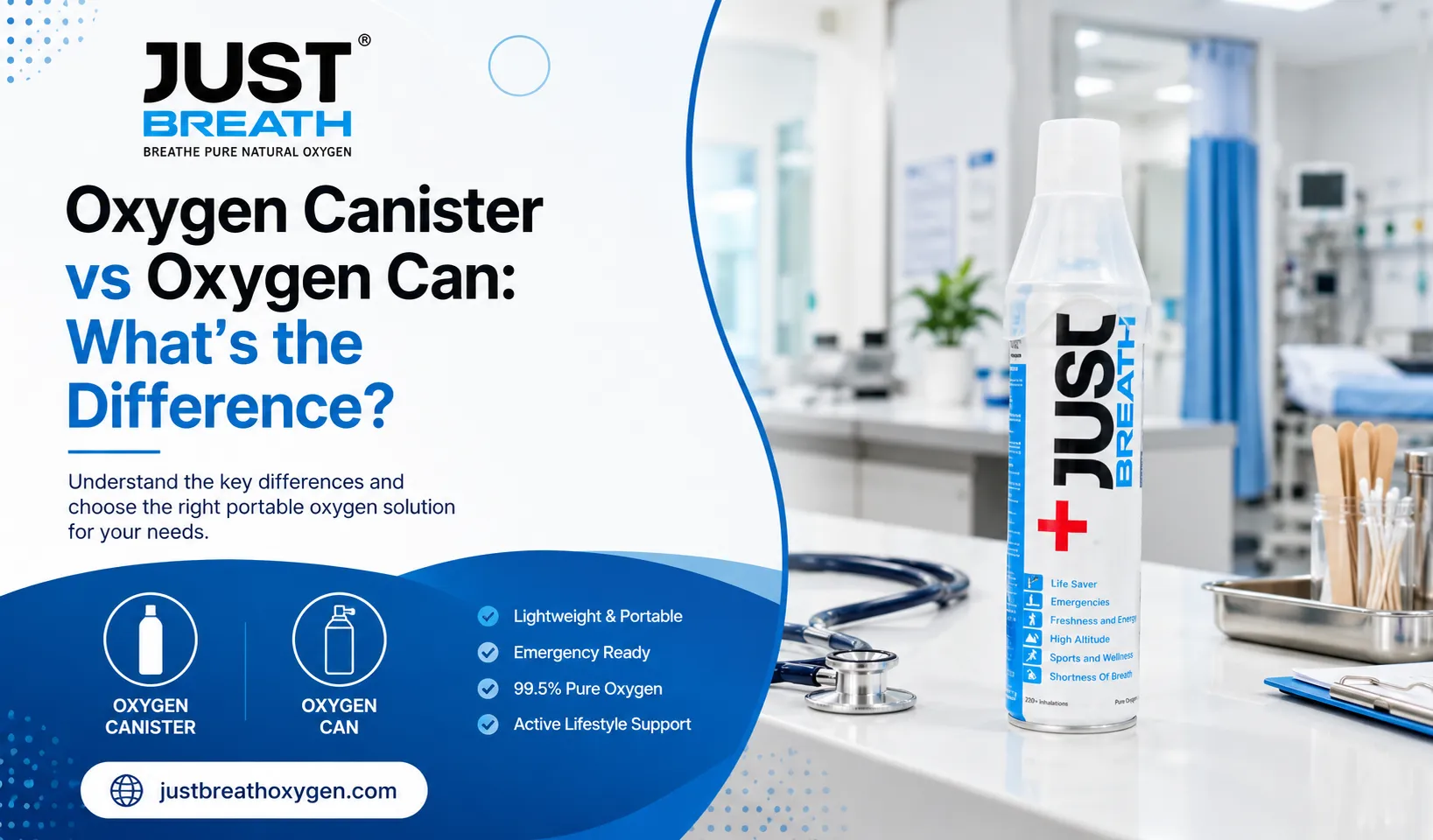
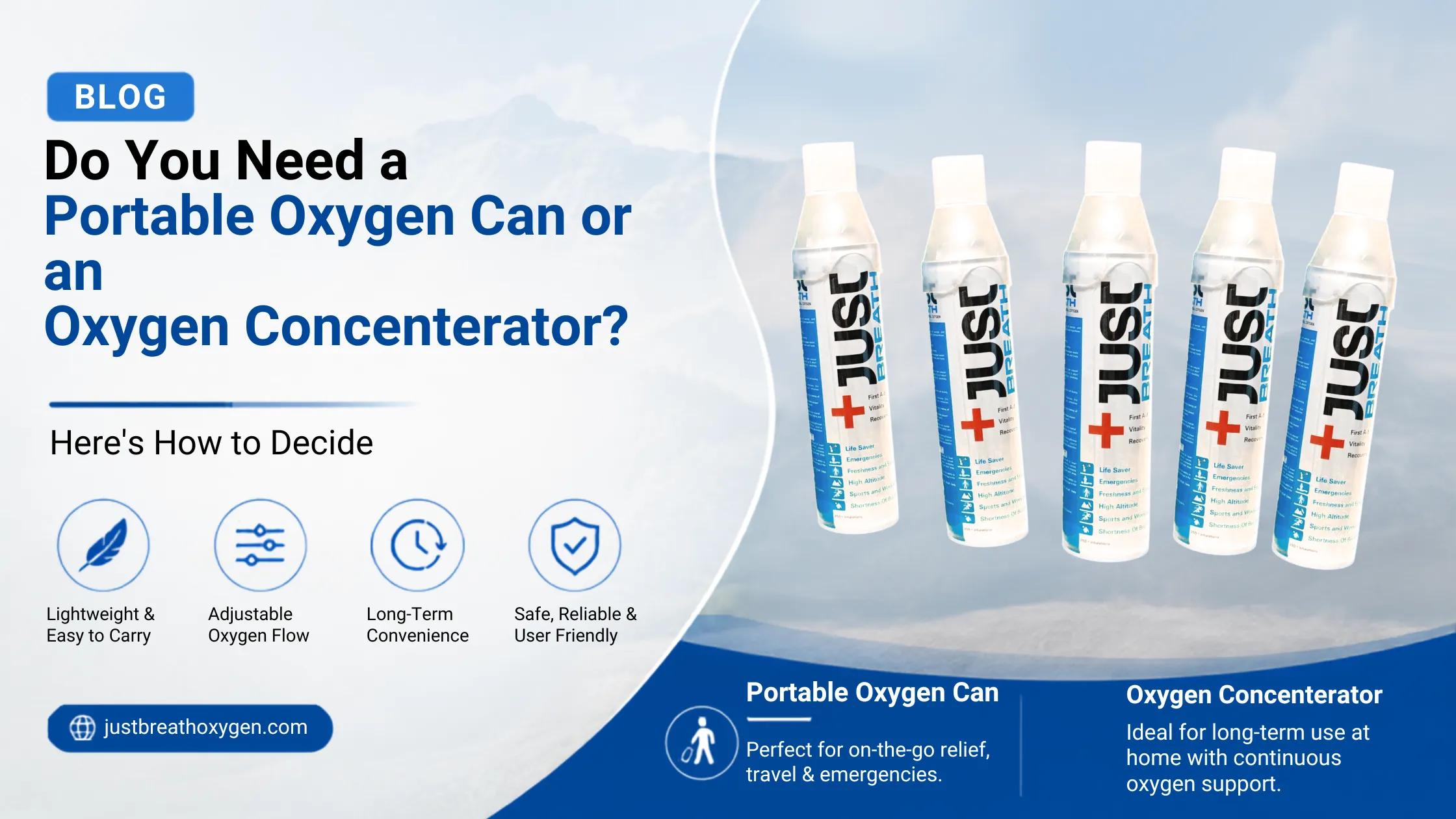
During a power cut, a torch helps you find the switchboard, while an inverter quietly keeps ceiling fans turning until morning. Nobody expects the torch to cool a bedroom through a June night, and nobody should expect a canister to do a cylinder’s work. A canister rides easily in a backpack, holds enough oxygen for a limited series of short puffs, releases a fixed burst with every press, is discarded once empty and works straight out of the box. A cylinder needs a trolley or a fixed corner, supplies oxygen continuously for hours, delivers a precise flow through a regulator set in litres per minute, gets refilled by an authorised gas supplier, and needs tubing plus a mask or nasal prongs before use. Canisters suit travel bags, first-aid boxes and brief moments of comfort, while cylinders belong to prescribed home therapy, hospital wards and ambulances. Anyone needing oxygen daily should ask their doctor about a cylinder or concentrator.Unlike an oxygen cylinder designed for prescribed oxygen therapy, a portable oxygen can provides only a limited supply of oxygen in short bursts.Safety, Storage and Handling Precautions
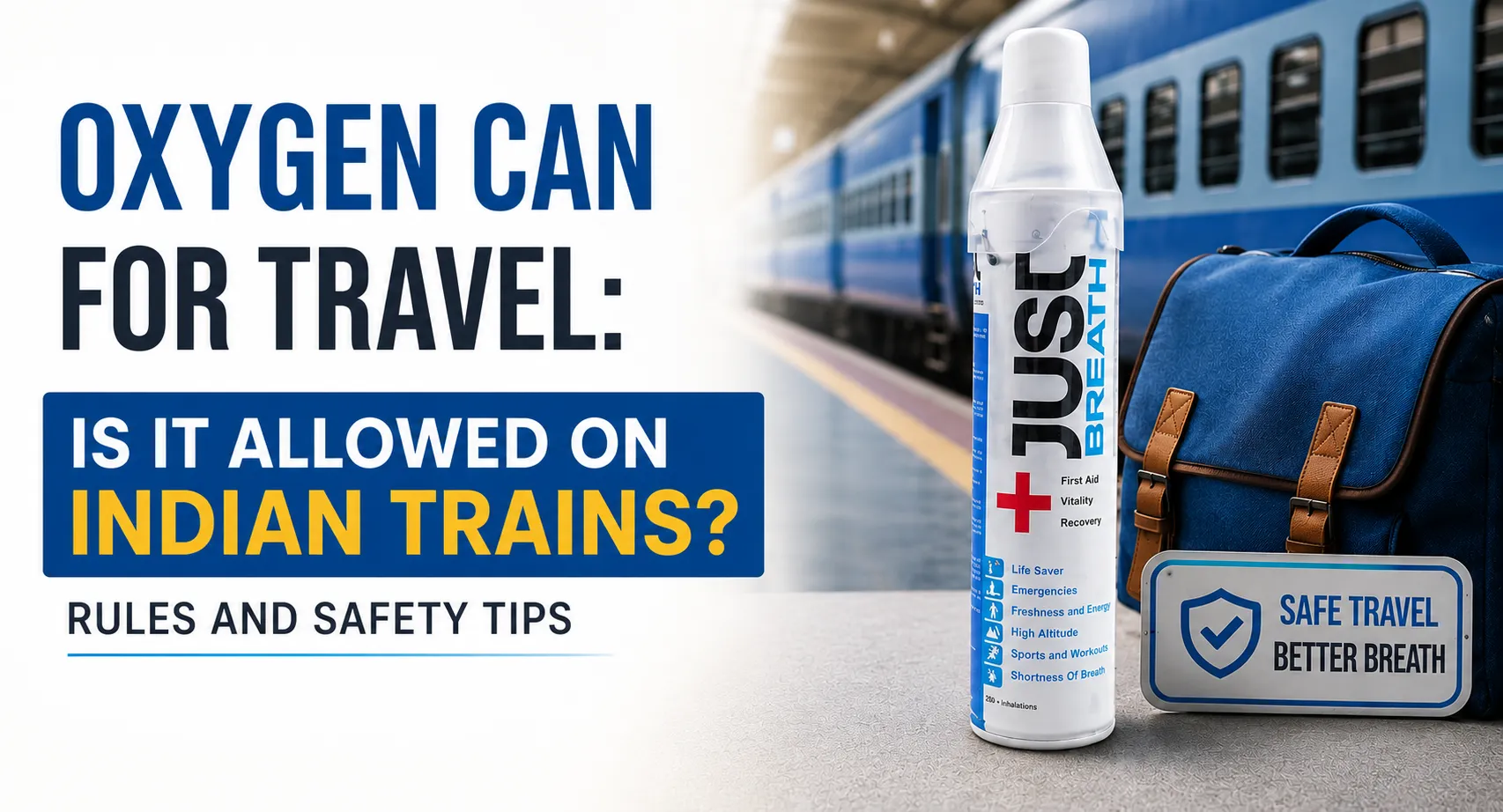
Oxygen will not ignite by itself, but it makes anything already burning flare faster and hotter, and almost every rule for these cans follows from that single fact. Keep the can well clear of the kitchen burner, the puja diya, burning agarbattis and anyone lighting a cigarette, with extra care during Diwali when small flames fill the house. A car parked under a May afternoon sun in Rajasthan or Delhi turns into an oven, so carry the can indoors rather than leaving it on the dashboard. Hands freshly coated in hair oil or Vaseline should be washed before touching the valve, because grease reacts badly with concentrated oxygen. During the monsoon, a damp bathroom shelf can slowly corrode the valve, so choose a dry shelf where the can stands upright, above the reach of curious toddlers. Never puncture an empty can or throw it into a fire, since some pressure may remain. Supervise children and frail elders using it, and check airline rules before flying.Where to Buy a Medical Oxygen Canister in India
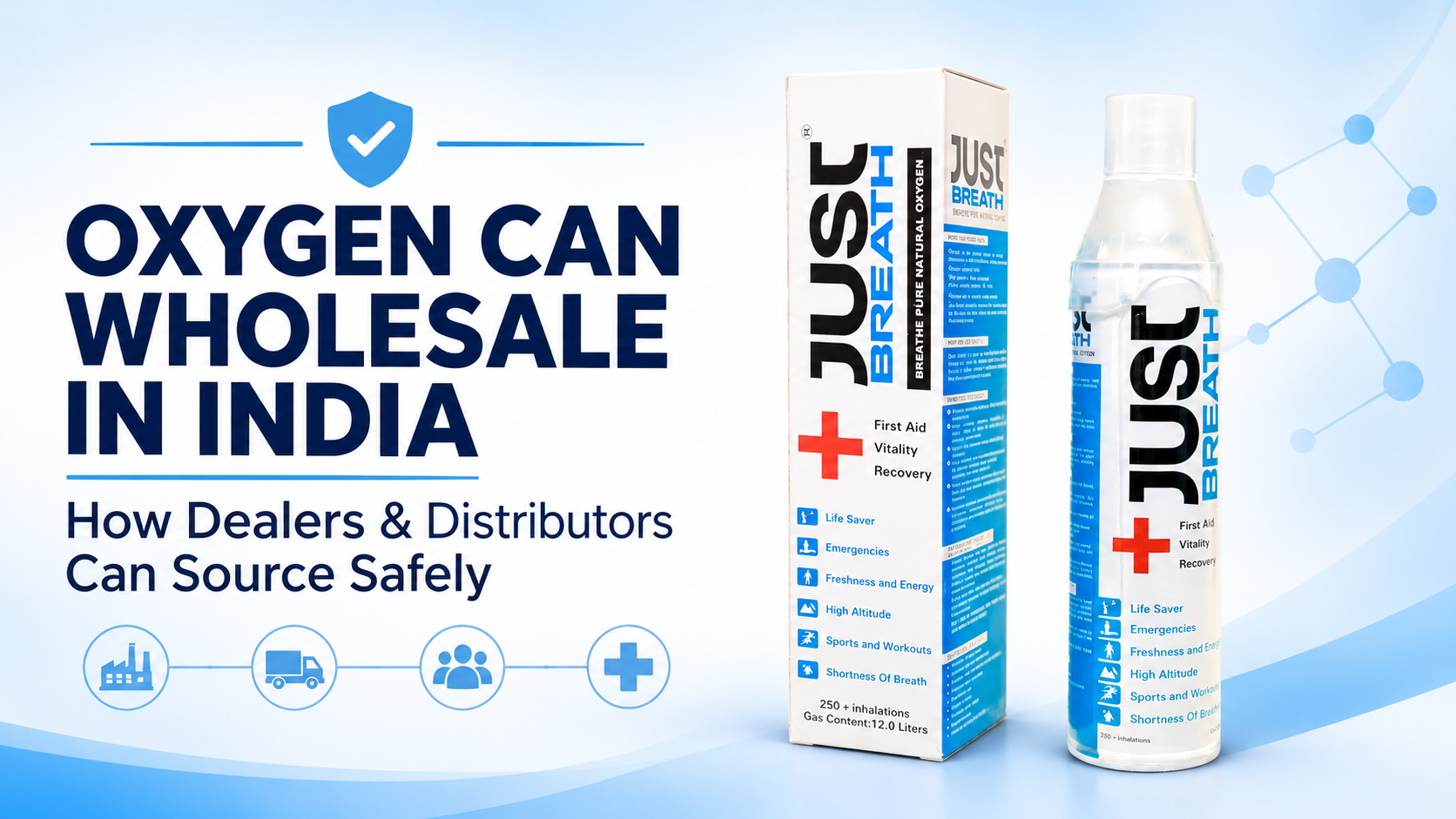
Courier networks now reach almost every pin code, so a family in Siliguri, Nagpur, Madurai or a village near Bikaner can receive a canister within days, and availability is no longer the hard part. Choosing a source you can trust is what takes effort.When buying a portable oxygen can online in India, choose a reliable manufacturer or seller that clearly states the product’s intended use and provides transparent product specifications. Buying straight from the manufacturer lets you ask about specifications and intended use before paying. On marketplaces, prefer listings that name both the brand and the manufacturing company rather than a generic photo. A trusted local chemist lets you read the label in person. Hospitals, clinics, schools and offices needing regular supply can arrange bulk orders through our hospital and clinics page. Just Breath Oxygen manufactures its portable oxygen cans in Udaipur, labels each one for its stated use and delivers pan-India. If you are unsure which option suits your family or facility, our team will happily talk it through via our contact page.Final Thoughts
An emergency oxygen canister makes sense in a medicine drawer, a glovebox or a trekking rucksack only when the buyer understands that it offers brief comfort on the way to real care and nothing beyond that. Read the label carefully, compare price per litre instead of per can, choose a mask for elderly users and store it far from heat and flame, and the can you keep will be ready for the day you hope never comes.FAQS
A medical oxygen canister may provide temporary supplemental oxygen in specific situations, but it is not a substitute for emergency medical care. Its suitability depends on the person's condition, oxygen needs, and product specifications.
The cost of a medical oxygen canister in India varies by brand, capacity, and features. Check current prices from reputable suppliers and verify whether the product is medically approved, properly labelled, and suitable for your intended use.
A portable medical oxygen canister cannot always replace an oxygen cylinder. Canisters generally have limited oxygen capacity and may not support prolonged oxygen therapy. The right option depends on the patient's prescribed oxygen requirements and medical condition.
A portable oxygen canister may help when breathlessness is caused by low blood oxygen and supplemental oxygen is medically appropriate. However, breathlessness has many possible causes, and oxygen may not help everyone. Seek medical evaluation for persistent or worsening symptoms.
Store a medical oxygen canister in a cool, dry, well-ventilated place, away from direct sunlight, heat, flames, and combustible materials. Keep it secured, follow the manufacturer's storage instructions, and never puncture, modify, or expose the canister to high temperatures.
It is best to consult a healthcare professional before using a medical oxygen canister, especially if you have an existing medical condition. Unnecessary oxygen use may be inappropriate, and a canister should never delay medical assessment for breathing difficulties.
Call an ambulance immediately for severe breathlessness, blue or grey lips, chest pain, confusion, fainting, or difficulty speaking due to breathing problems. Do not rely on an oxygen canister or delay emergency care while trying to manage these symptoms.