Portable oxygen products have become increasingly popular among travelers, trekkers, fitness enthusiasts, and people who enjoy outdoor adventures. Whether you’re heading to a high-altitude destination, preparing for a long road trip, or looking for a compact oxygen solution, you’ve probably come across the terms Portable Oxygen Can and oxygen inhaler can.
When comparing Portable Oxygen Can vs. Oxygen Inhaler Can, many people wonder whether these products are different or simply two names for the same type of portable oxygen solution. While the terms are often used interchangeably, there are a few important points to understand before choosing one.
In this guide, we’ll compare Portable Oxygen Can vs. Oxygen Inhaler Can, covering their features, benefits, uses, and limitations to help you make an informed decision. We’ll also explain when a portable oxygen product may be useful and why it’s important to understand its intended purpose.
What Is a Portable Oxygen Can?
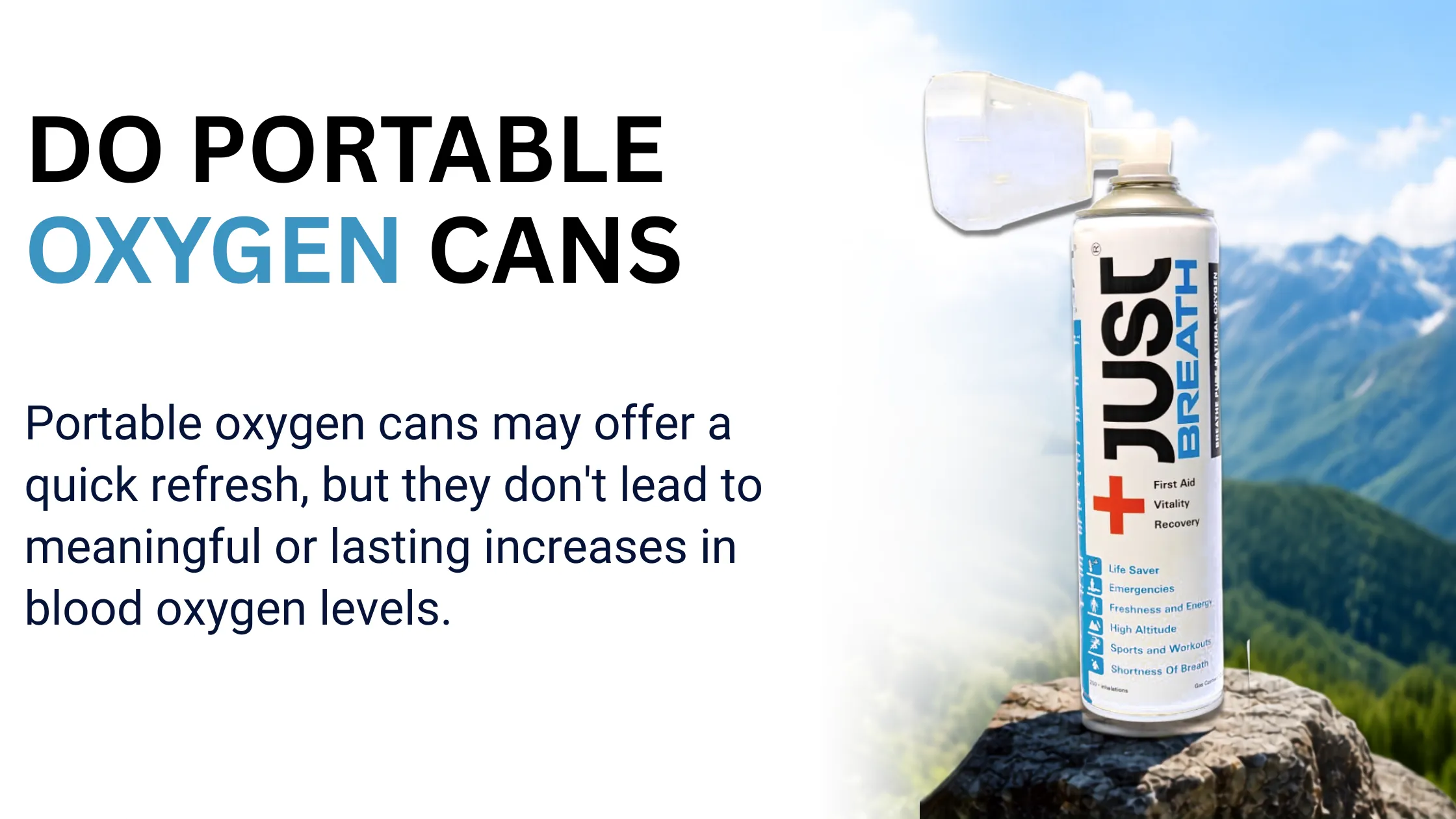
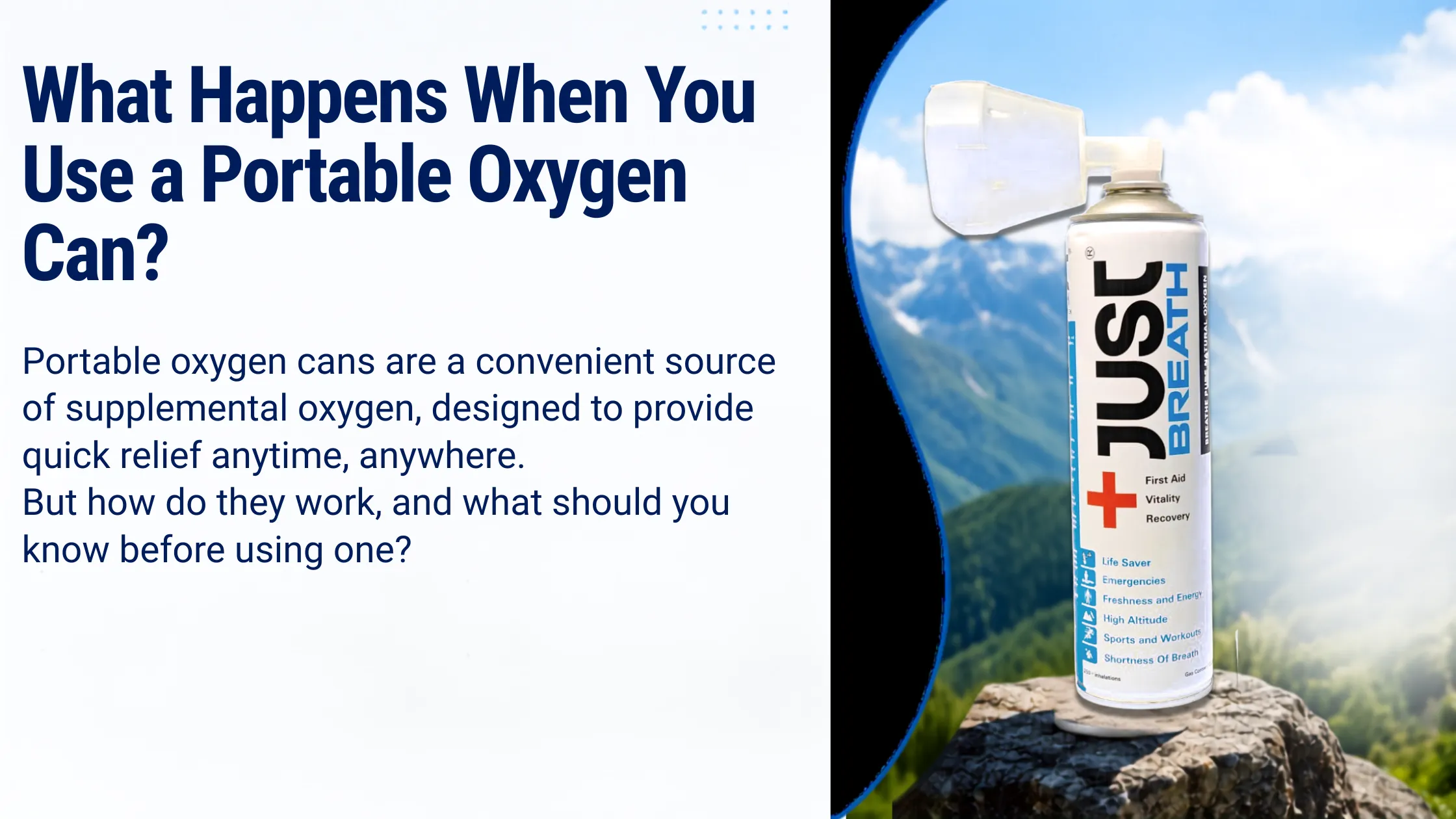
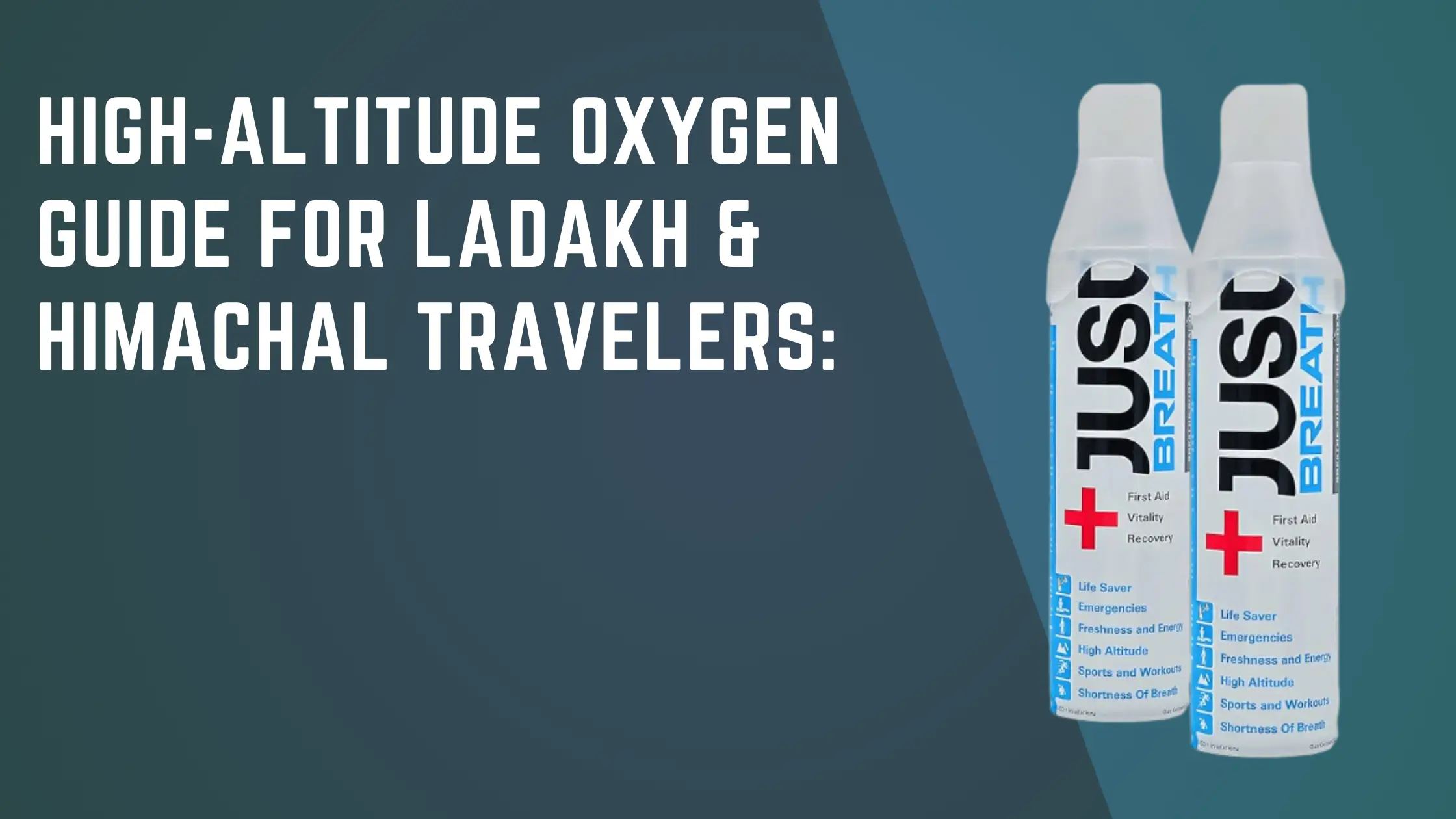
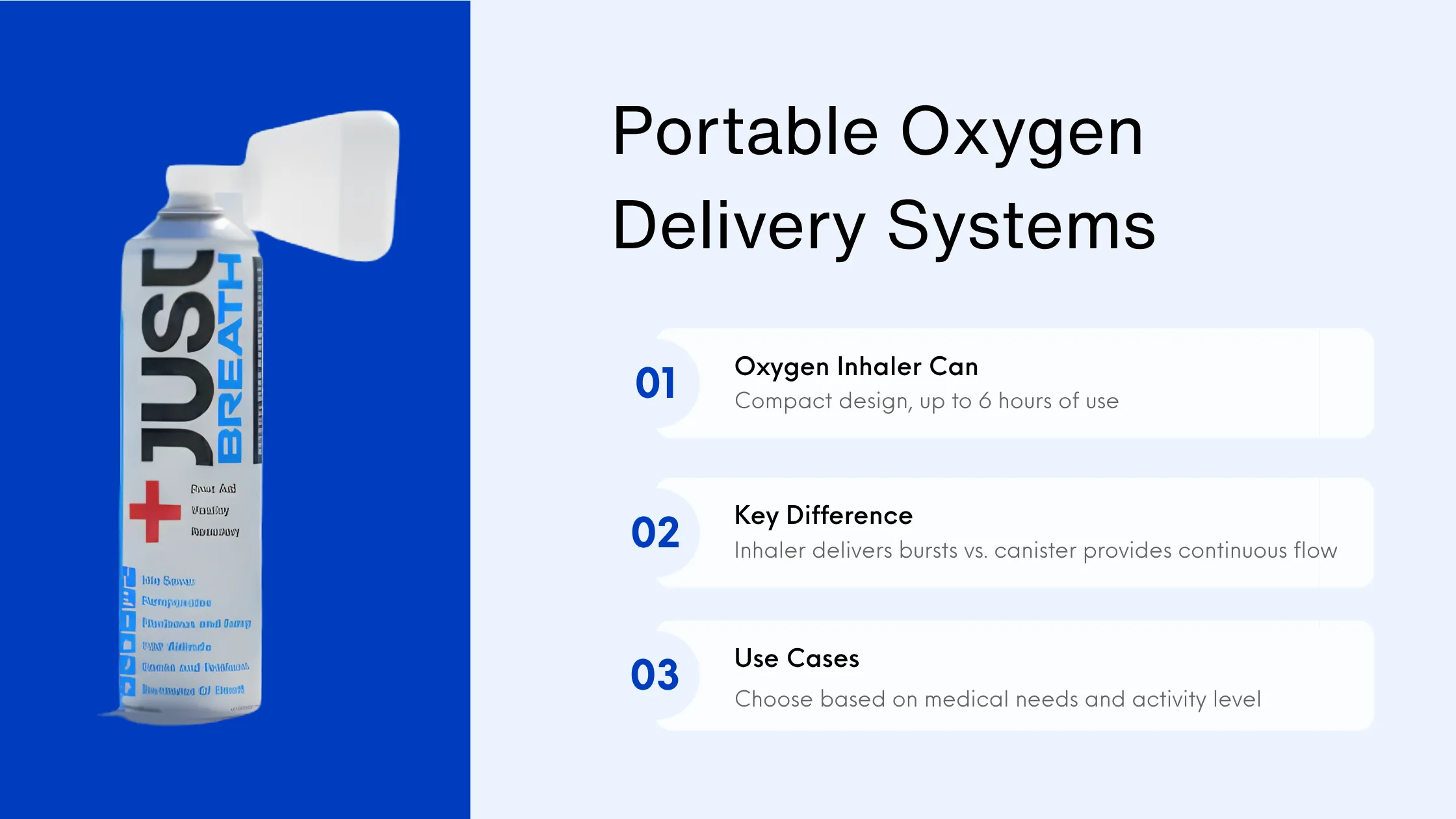
A Portable Oxygen Can is a lightweight, ready-to-use container filled with compressed oxygen. It is designed to provide short bursts of oxygen inhalation through a built-in mask or nozzle, making it convenient for temporary use during travel or outdoor activities.
Unlike bulky oxygen equipment, a portable oxygen can is compact enough to fit into a backpack or travel bag. Most products are available as a disposable oxygen can, meaning they are intended for single-use until the oxygen supply is exhausted.
Common Portable Oxygen Can Uses
Portable oxygen cans are commonly used for:
- Travel and road trips
- High-altitude destinations
- Trekking and hiking
- Camping
- Outdoor sports
- Adventure activities
- Emergency preparedness kits
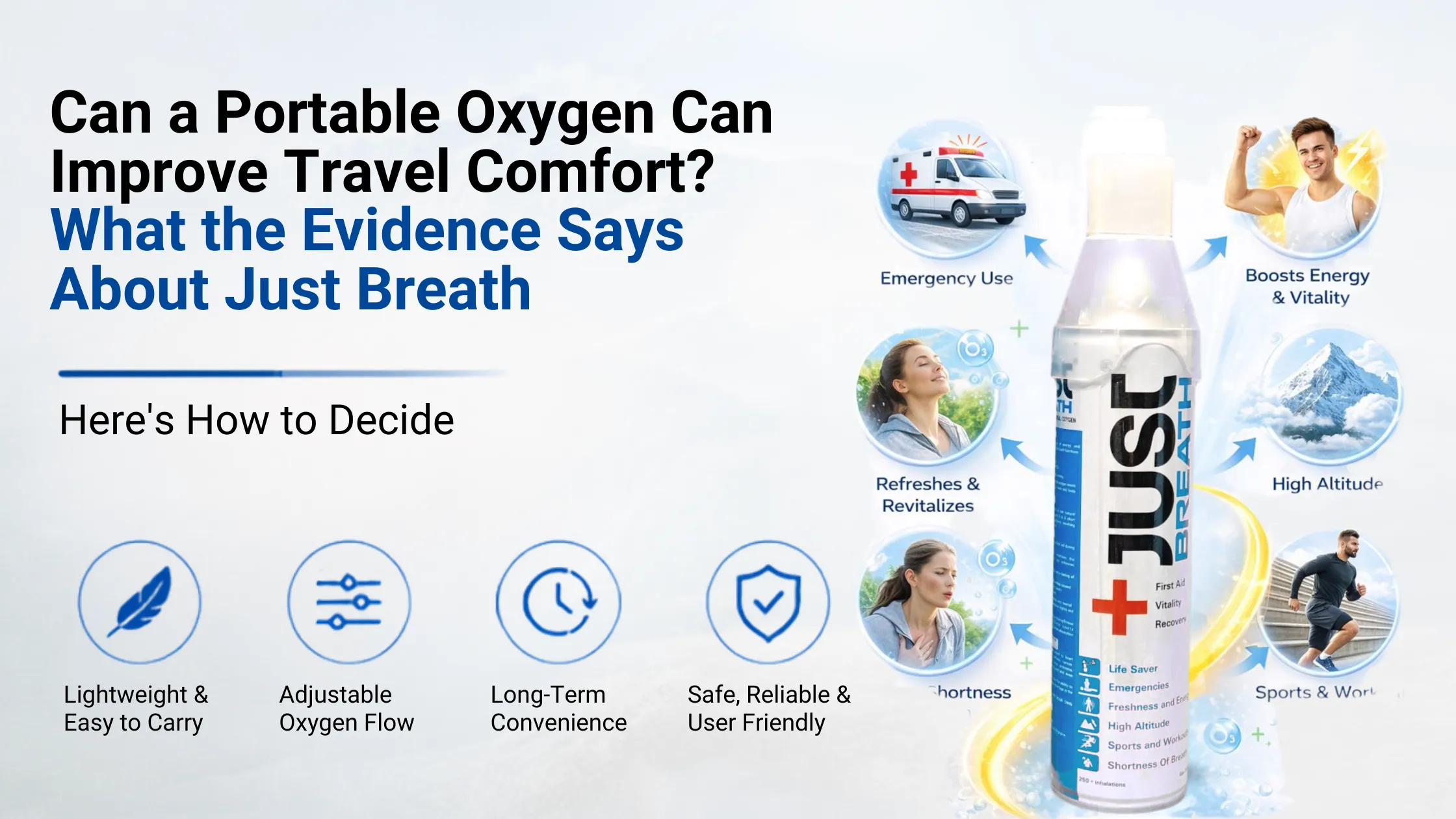
Because of their compact size, many people choose a portable oxygen can for travel when visiting mountainous regions or remote destinations where carrying larger oxygen equipment isn’t practical.
A portable oxygen device is designed for convenience rather than long-term respiratory support.
What Is an Oxygen Inhaler Can?
An oxygen inhaler can is a consumer product that delivers compressed oxygen through an easy-to-use mouthpiece or mask. In many cases, the term “oxygen inhaler can” is simply another name used for a portable oxygen can.
Different brands may market these products under names such as:
- Oxygen inhaler spray
- Portable oxygen can
- Oxygen canister
- Personal oxygen can
Although the branding may differ, their basic function remains similar—they provide a portable source of oxygen for short-term breathing support during activities such as travel or trekking.
Oxygen Inhaler Can Uses
An oxygen inhaler can may be used during:
- Outdoor adventures
- Hiking and mountain travel
- Sports events
- Long-distance driving
- Camping trips
- General travel
Many users appreciate the compact design, ease of use, and portability. These factors are often highlighted among the key oxygen inhaler can benefits.
Portable Oxygen Can vs. Oxygen Inhaler Can – Side-by-Side Comparison
| Feature | Portable Oxygen Can | Oxygen Inhaler Can |
| Purpose | Short-term oxygen support | Short-term oxygen support |
| Oxygen Delivery | Built-in mask or nozzle | Built-in mask or nozzle |
| Portability | Lightweight and compact | Lightweight and compact |
| Power Required | No electricity needed | No electricity needed |
| Capacity | Varies by brand | Varies by brand |
| Best For | Travel, trekking, outdoor activities | Travel, sports, outdoor use |
| Reusable | Usually disposable | Usually disposable |
| Medical Replacement | No | No |
Key takeaway: In most consumer markets, the terms Portable Oxygen Can and oxygen inhaler can refer to very similar products. Differences are often based on branding, packaging, or included accessories rather than how they function.
7 Key Differences Between Portable Oxygen Cans and Oxygen Inhaler Cans
1. Product Design
Most portable oxygen cans feature a compact metal oxygen canister with an ergonomic nozzle or breathing mask. Some oxygen inhaler cans include a specially designed mouthpiece for added convenience.
2. Oxygen Delivery Method
Both products provide oxygen inhalation through a simple push-button mechanism. Users inhale oxygen directly through the attached mask or nozzle.
3. Portability
One of the biggest advantages is portability. These lightweight products are easy to carry during travel, making them suitable for people looking for a portable oxygen device.
4. Capacity and Number of Breaths
The number of breaths available depends on the can size and manufacturer. Larger cans generally provide more oxygen than smaller versions.
5. Ease of Use
Neither product requires electricity, charging, or complicated setup. They are designed for quick and convenient use when needed.
6. Intended Use Cases
Both products are commonly used for:
- Travel
- Trekking
- Hiking
- Camping
- Outdoor recreation
They are not intended for continuous oxygen therapy.
7. Price and Availability
Prices vary depending on oxygen volume, brand reputation, and included accessories. Premium brands may also offer improved nozzles, carrying cases, or ergonomic designs.
Benefits of Using a Portable Oxygen Can
Lightweight and Easy to Carry
A portable oxygen can is compact enough to fit inside most backpacks, making it convenient for daily travel or outdoor activities.
Helpful During High-Altitude Travel
Many travelers carry a portable oxygen can for high altitude destinations where the air contains less oxygen than at sea level. However, if you experience symptoms of severe altitude illness, seek medical attention promptly rather than relying solely on portable oxygen products.
Convenient for Trekking and Hiking
A portable oxygen can for trekking offers an easy-to-carry option for outdoor enthusiasts who want a compact oxygen source during demanding activities.
Ready to Use Anytime
Unlike larger oxygen systems, these products require no batteries or electrical power. Simply follow the manufacturer’s instructions for use.
Travel Friendly
Many people choose a portable oxygen can for travel because of its lightweight design and easy storage. Before flying, always check your airline’s rules regarding oxygen products, as policies may vary.
Suitable for Emergency Kits
Portable oxygen cans can be included in emergency preparedness kits for situations where temporary oxygen access may be useful, provided they are stored according to the manufacturer’s recommendations.
Limitations You Should Know Before Buying
Understanding the limitations helps you choose the right product for your needs.
Limited Oxygen Supply
Portable oxygen cans contain a finite amount of compressed oxygen. Once empty, they must be replaced.
Disposable Design
Most products are disposable and cannot be refilled after use.
Not a Replacement for Medical Oxygen
Portable oxygen cans should not replace prescribed oxygen therapy. People with conditions such as COPD or other chronic respiratory diseases should follow their healthcare provider’s treatment plan.
Not Designed for Continuous Use
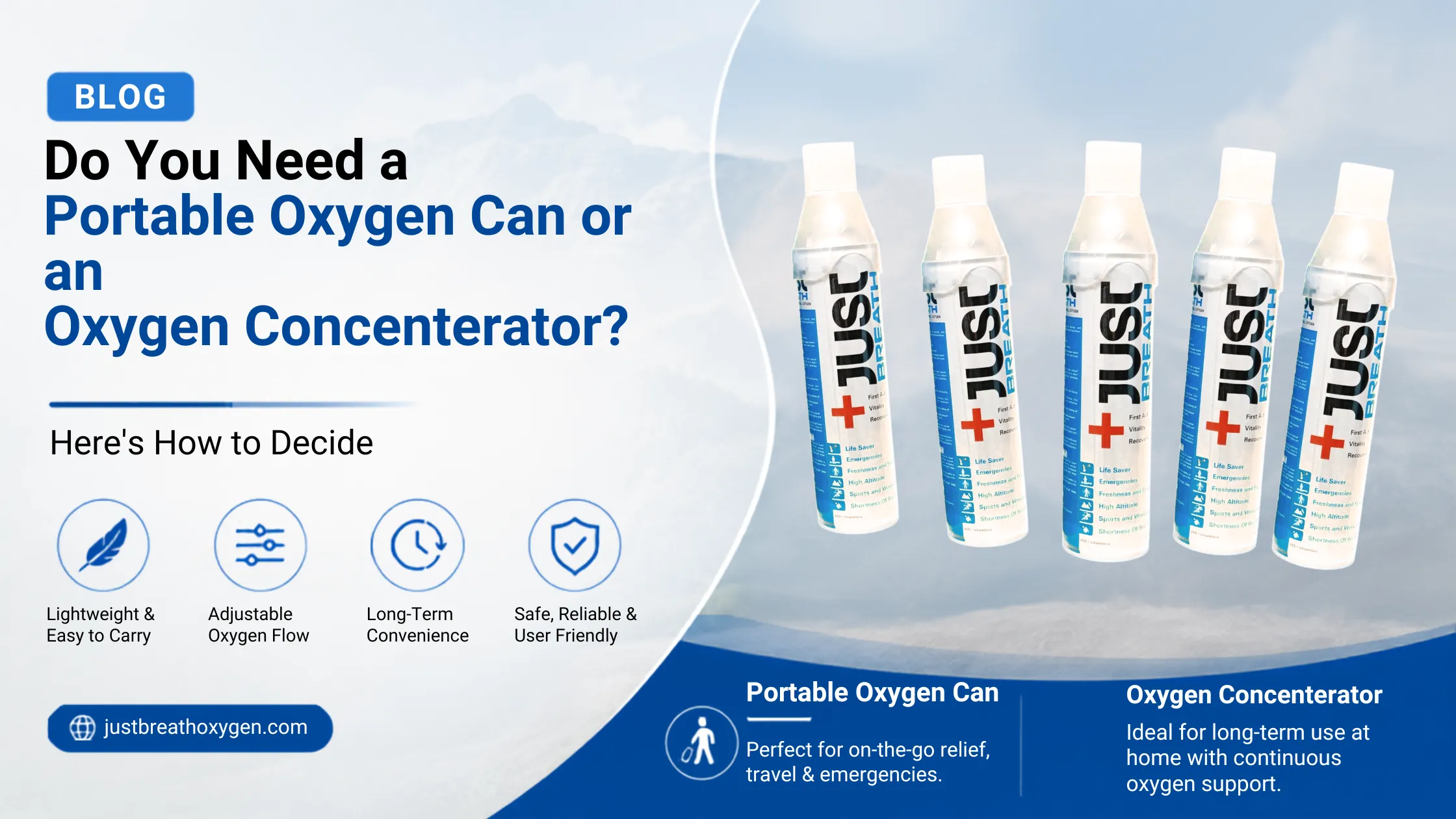
If continuous oxygen support is required, a medical oxygen cylinder or a portable oxygen concentrator may be more appropriate under medical supervision.
Storage Precautions
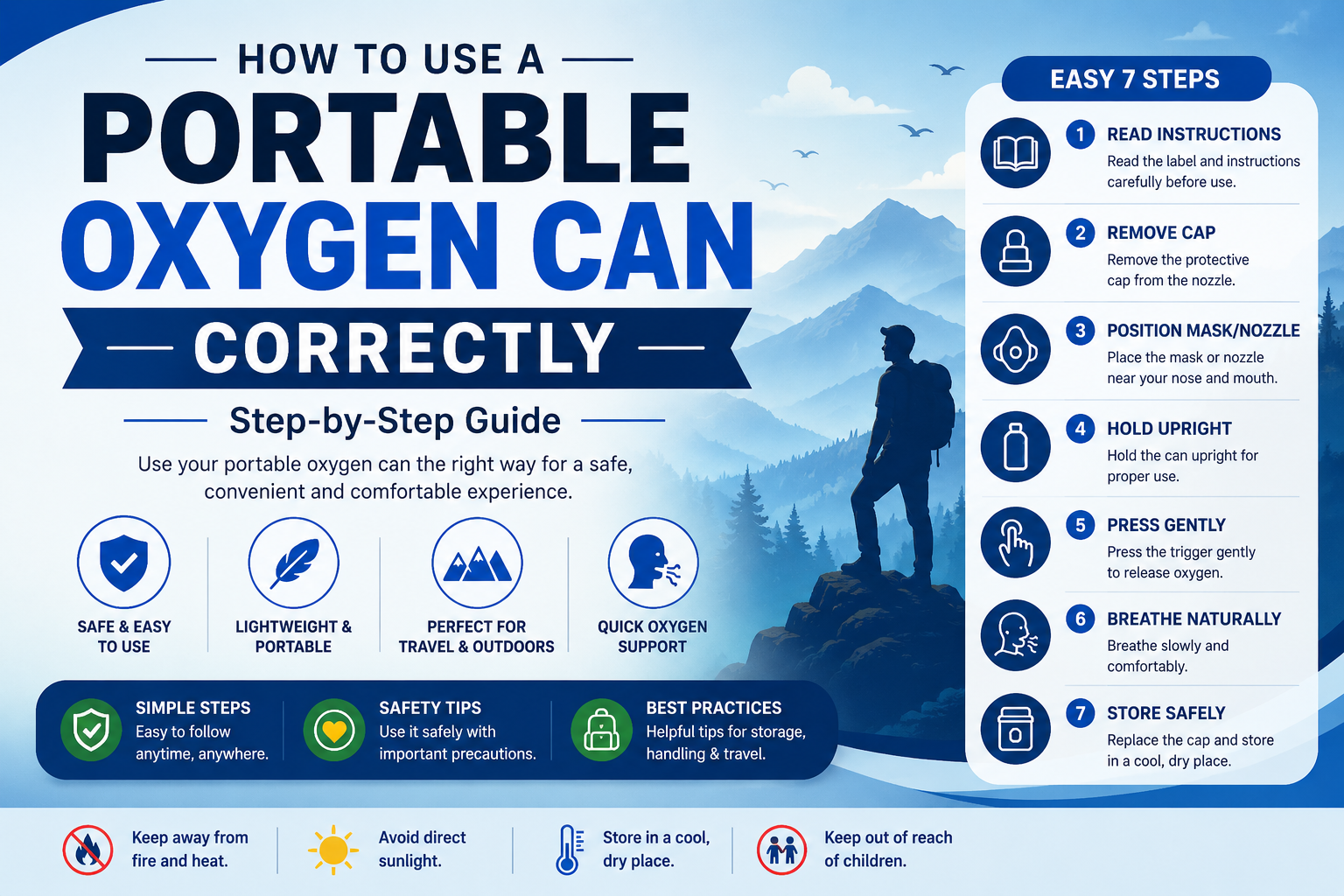
Store oxygen products in a cool, dry place away from direct sunlight, heat sources, and open flames. Follow all manufacturer instructions for storage and disposal.
Which One Should You Choose?
A Portable Oxygen Can may be suitable if you:
- Travel frequently
- Visit high-altitude destinations
- Enjoy trekking or hiking
- Want a lightweight oxygen solution
- Need a compact product for outdoor activities
You should consider medically prescribed oxygen equipment if you:
- Require continuous oxygen therapy
- Have chronic respiratory conditions
- Have been advised by a healthcare professional to use supplemental oxygen
If you have any medical concerns about your oxygen needs, consult your healthcare provider before choosing a product.
Buying Guide – What to Look for Before Purchasing
When comparing oxygen products, consider the following factors:
Oxygen Purity
Look for products that clearly state oxygen concentration and manufacturing standards.
Capacity
Choose a can size that matches your expected duration of use.
Number of Breaths
Manufacturers often estimate the number of available breaths. Compare products based on your anticipated needs.
Weight
Lightweight designs are easier to carry during travel and trekking.
Safety Certification
Purchase from reputable manufacturers that comply with applicable quality and safety standards.
Shelf Life
Check the expiration date before buying.
Nozzle Design
A comfortable, easy-to-use nozzle or mask can improve convenience.
Brand Reputation
Choose trusted brands that provide clear product information, usage instructions, and customer support.
Safety Tips for Using a Portable Oxygen Can
Follow these best practices for safe use:
- Read the manufacturer’s instructions before use.
- Keep the can away from flames, sparks, and smoking materials.
- Store below the recommended temperature.
- Do not puncture or crush the oxygen canister.
- Dispose of empty cans according to local regulations.
- Keep out of reach of children.
- If you have a respiratory condition or need prescribed oxygen, seek guidance from a healthcare professional before using any oxygen product.
Common Myths About Portable Oxygen Cans
Myth 1: Portable oxygen cans are the same as medical oxygen cylinders.
Fact: Portable oxygen cans are designed for short-term, non-medical convenience, while medical oxygen cylinders are prescribed for individuals who require therapeutic oxygen.
Myth 2: Everyone should use oxygen regularly.
Fact: Most healthy individuals do not need supplemental oxygen. Use should always be appropriate for the situation and follow product guidance.
Myth 3: More oxygen is always better.
Fact: Oxygen should be used responsibly. Excess or unnecessary use is not recommended, particularly for individuals with certain medical conditions.
Myth 4: Portable oxygen cans never expire.
Fact: Always check the manufacturer’s shelf-life information before use.
Myth 5: All oxygen cans are identical.
Fact: Products vary in capacity, nozzle design, oxygen volume, and quality standards.
Conclusion
When comparing Portable Oxygen Can vs. Oxygen Inhaler Can, you’ll find that these products are often very similar and are designed to provide convenient, short-term oxygen support for travel, trekking, and outdoor activities. While the terms Portable Oxygen Can and oxygen inhaler can are frequently used interchangeably, the main differences usually come down to branding, design, capacity, and included accessories rather than core functionality.
If you’re looking for a lightweight oxygen solution for your next adventure, choosing a high-quality Portable Oxygen Can from a trusted brand is essential. At Just Breath Oxygen, you’ll find reliable portable oxygen products designed for convenience, portability, and ease of use. Whether you need a Portable Oxygen Can for travel or an oxygen inhaler can for outdoor activities, always use the product as directed and understand its limitations. These products are intended for short-term use and are not a replacement for prescribed medical oxygen therapy. By selecting the right oxygen solution and following safe usage practices, you can travel and explore with greater confidence.
Frequently Asked Questions
What is a Portable Oxygen Can used for?
A portable oxygen can is designed to provide short-term oxygen support during activities such as travel, trekking, hiking, and outdoor adventures.
Is an oxygen inhaler can different from a portable oxygen can?
In many cases, the terms are used interchangeably. The differences are usually related to branding, packaging, or accessories rather than the core function.
Can portable oxygen cans replace oxygen therapy?
No. They are not intended to replace prescribed oxygen therapy or medical oxygen equipment.
How many breaths does a portable oxygen can provide?
The number of breaths varies depending on the size and specifications of the product.
Can I carry a portable oxygen can while traveling?
Travel rules vary by airline and destination. Always review the applicable regulations before your trip.
Are portable oxygen cans useful at high altitudes?
Some travelers carry them as part of their gear for high-altitude trips. However, they are not a substitute for medical care if altitude sickness develops.
What is the shelf life of a disposable oxygen can?
Shelf life depends on the manufacturer. Check the product label for the expiration date.
Is a portable oxygen can reusable?
Most consumer portable oxygen cans are disposable and are not designed to be refilled.