 Ask anyone what they checked before buying a portable oxygen can and you’ll usually hear the same three things. How many litres. How pure. How much. Almost nobody mentions the little cap on top.
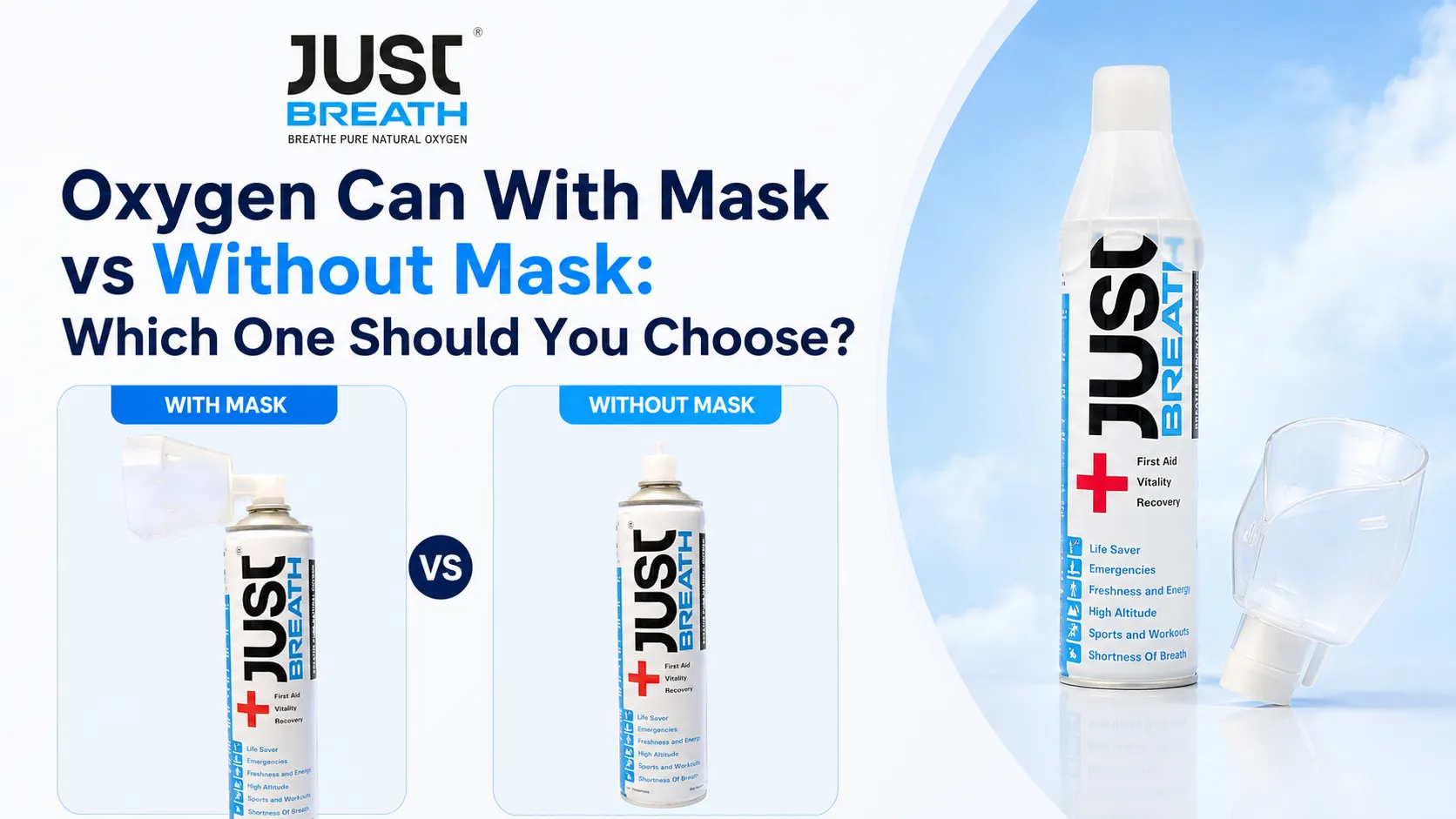
Funny thing is, that cap decides a lot. Two cans filled with the same oxygen can feel completely different in your hand, depending on whether you pick an oxygen can with mask or a plain oxygen can nozzle. One sits on your face and does most of the work for you. The other asks you to aim, time your breath and hope the wind isn’t blowing.
If you’ve already read our guide on how to use an oxygen can, you know the basics. This post picks up where that one stopped and helps you decide whether an oxygen can with mask, an oxygen can kit with mask or a nozzle-only can suits you best.
Why Mask Design Matters for Portable Oxygen Cans
Every time you press the valve, the can lets out a short puff of oxygen. Where that puff ends up is what the mask or the oxygen can nozzle is there to control.Where the oxygen actually goes
With an oxygen can with mask, the puff has nowhere much to go except into your lungs as you breathe in. With an oxygen can nozzle, a lot depends on you. Hold it too far away or press a second too early, and some of that oxygen simply mixes into the room air.What happens when you’re not calm
Using a nozzle when you’re gasping after a steep climb, or helping your father who feels uneasy on a packed railway platform, is a different story. An oxygen mask can gives you one obvious thing to do: put it on and breathe.The part that wears out first
The mouthpiece is the bit that gets dropped, chewed by a curious kid or left damp in a bag. This is where a portable oxygen with mask that has replaceable parts really earns its price. Either way, it’s for short recreational use, never a replacement for prescribed medical oxygen.Built-in Mask vs Detachable Mask vs Nozzle-Only Cans
Scroll through oxygen can and portable oxygen with mask listings on any Indian shopping site and you’ll notice three camps.Built-in mask
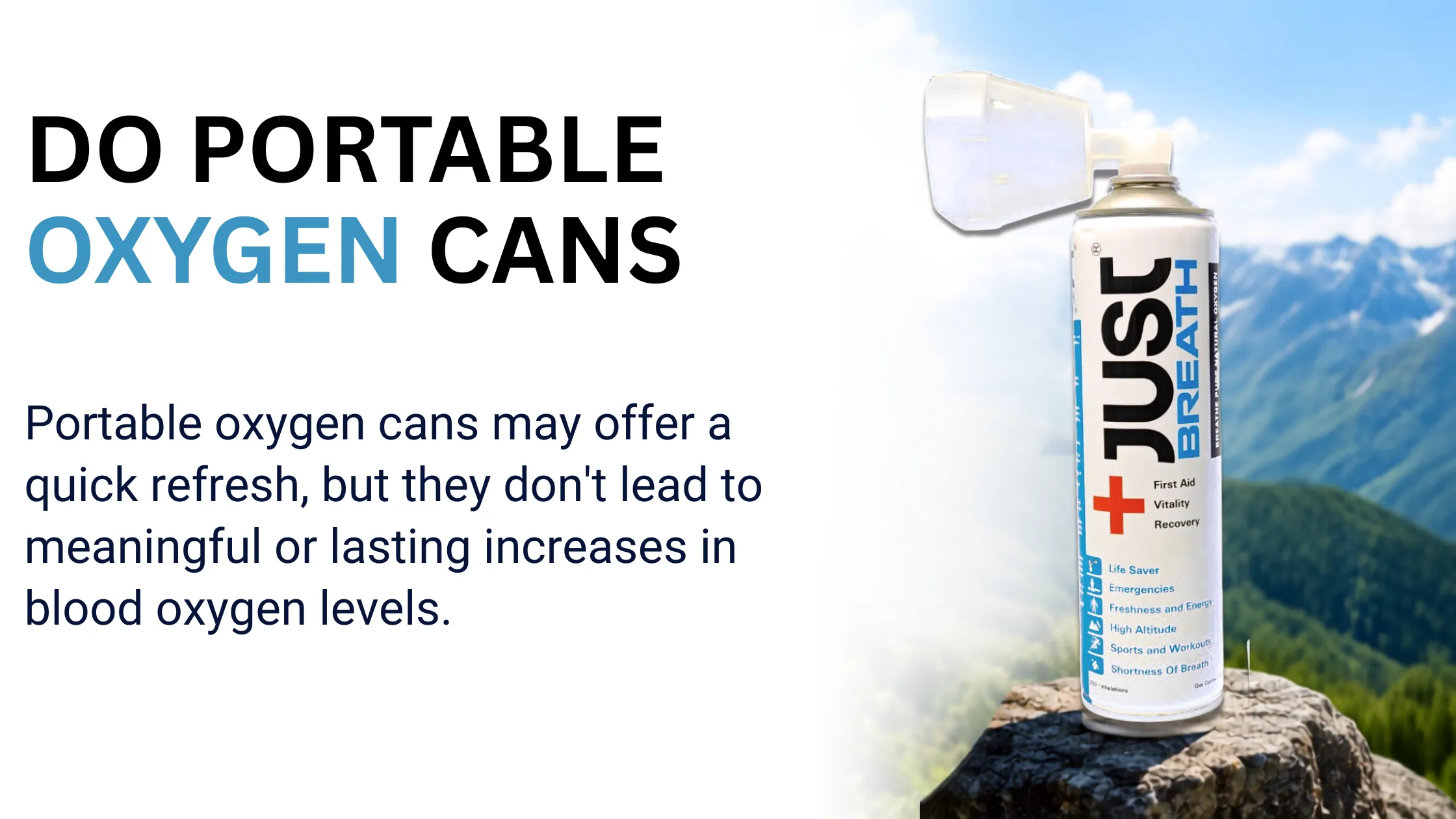
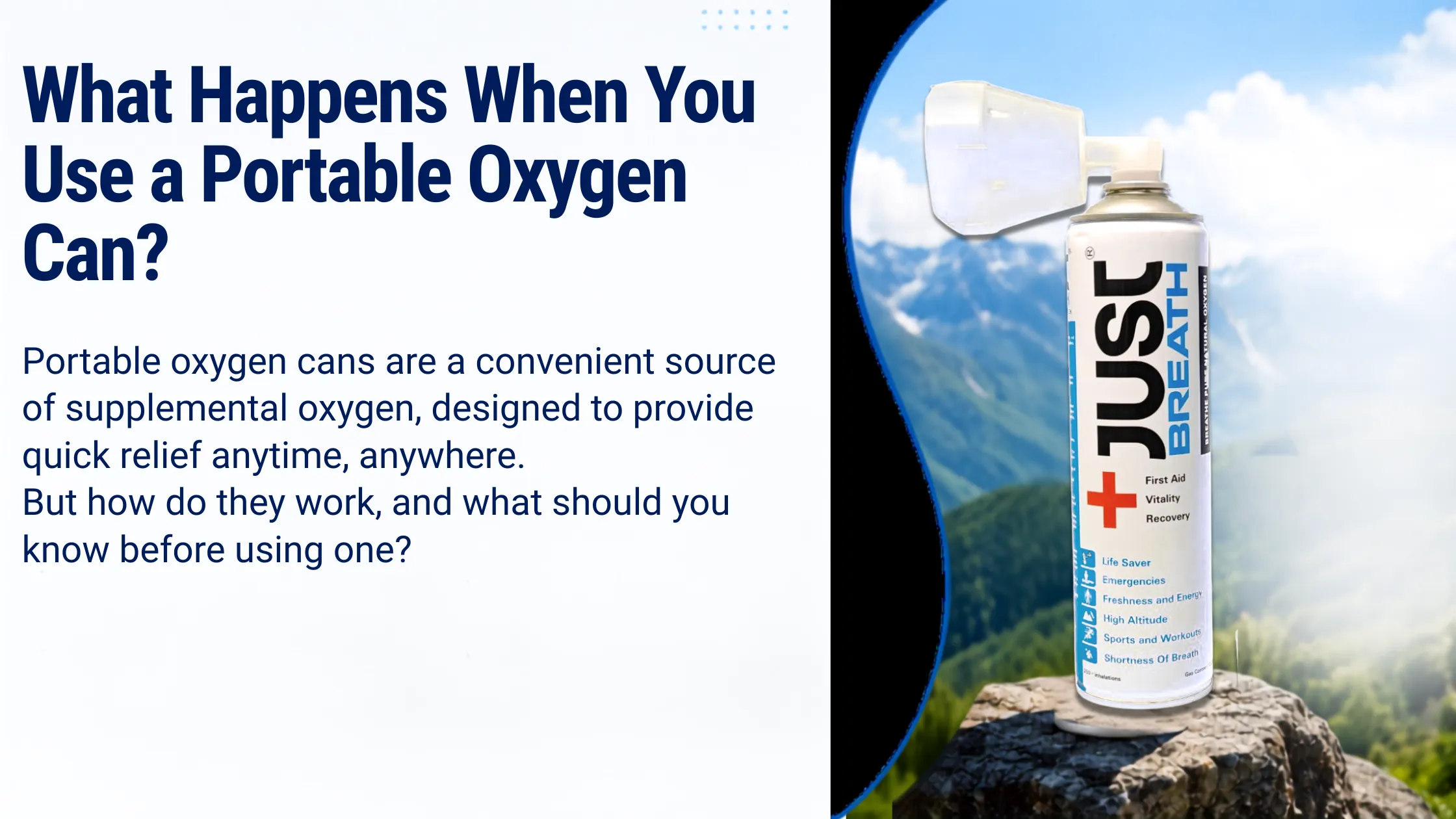
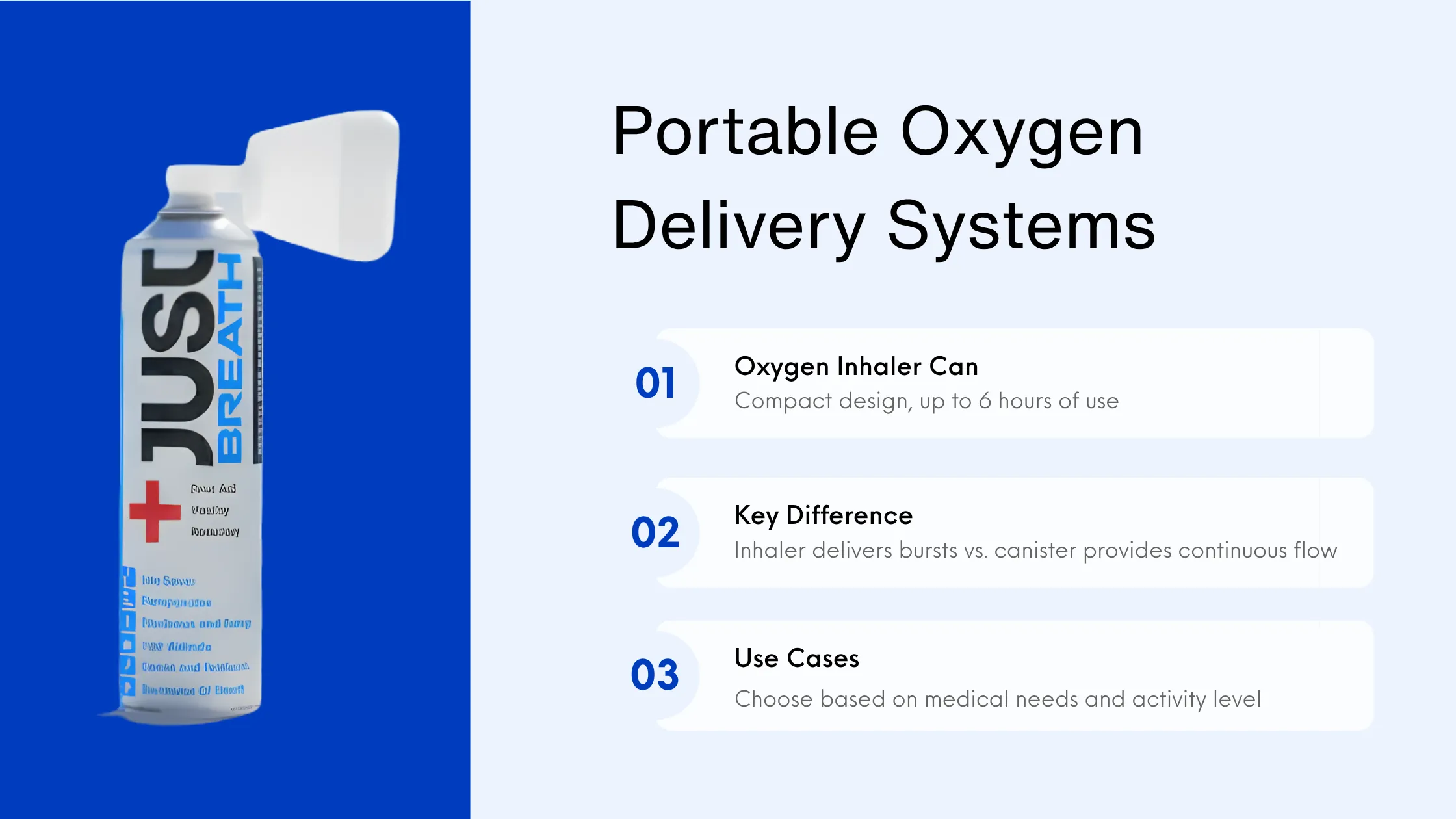
This is what most people picture when they search for an oxygen mask can. The cap you pull off is shaped like a small cup that goes straight onto your face. Nothing to assemble, so this oxygen can with mask is the quickest to use. The catch is that a built-in oxygen mask can is rigid and one-size. On a narrow face or a full beard, it may not sit flush, and if the cap cracks there’s usually no spare.Detachable mask
Here you get a separate, softer mask that attaches to the valve. Sellers usually list this as an oxygen can kit with mask. Soft masks mould to the face better, wash easily, and each family member can keep their own. With an oxygen can kit with a mask, you do have one more thing to keep track of, and the mask must click on firmly. A loose fit at the valve leaks oxygen before it reaches you.Nozzle-only
An oxygen can nozzle is a short spout you hold near your mouth or nose while you breathe in and press. It’s the slimmest and usually cheapest option, which is why gym-goers and commuters like it. The trade-off is that an oxygen can nozzle leans on your timing. Kids and elderly users often find it fiddly, and outdoors you’ll lose a little to the breeze.Hygiene: Cleaning and Sharing Masks
Anything you put on your mouth picks up saliva, sweat and whatever was on your hands.Keeping it clean
Follow the label on your portable oxygen mask first, because materials differ. Otherwise, take the mask or cap off the can, since the valve and can should never get wet. Wash the mouthpiece in lukewarm water with mild soap, rinse it and let it dry completely. An oxygen can kit with a mask is the easiest of the three to scrub properly. The cap of a built-in oxygen mask can is fiddlier because of its moulded shape.Sharing a can
Sharing the oxygen is fine. Sharing the mouthpiece of an oxygen can with a mask is where it gets questionable. At home, most people wipe the contact area between uses. Beyond that, the cleaner rule is one can separate masks. That’s why gyms, offices and tour operators running group treks lean towards a portable oxygen with mask kit and a stack of spares. A portable oxygen with mask setup like this keeps everyone’s mouthpiece separate.Mask Fit for Adults, Seniors and Children
An oxygen can with a mask that doesn’t seal lets oxygen slip out the sides, so the can runs out sooner.Adults
Most oxygen masks with mask designs suit an average adult face. It should cover from the bridge of your nose to just below your lower lip. With a thick beard, an oxygen can kit with a mask usually seals better than a hard cap.Seniors
With older family members, ease matters more than specifications. Shaky hands and a weaker grip make it hard to aim an oxygen can nozzle and press at the same time, so an oxygen can with a mask that rests on the face removes one of those jobs. Pick a trigger that needs little force and do a practice run at home before the trip. Our senior citizens page covers this in more detail. If Dadi or Nanaji gets breathless often, that calls for a doctor’s visit, not an oxygen can.Children
Adult-sized oxygen mask can caps are too big for most children, so a lot of oxygen leaks away. If a child uses an oxygen can with a mask at all, an adult should be right there, following the label. If your child has asthma or another breathing issue, speak to your paediatrician first, and in a real emergency call for medical help straight away.Which Option for Travel, Gym and First-Aid Kits?
Travel and trekking
On a mountain trip, an oxygen can with a mask is the easier choice. With numb fingers inside gloves, timing a nozzle is just irritating. Keep the mask of your portable oxygen mask in a small zip pouch so dust stays out. Oxygen can’t treat altitude sickness, though. Go up slowly, and if you get a pounding headache, nausea or confusion, head down and see a doctor. Our trekkers and high-altitude page explains this properly. For road trips or the daily office run, an oxygen can nozzle in the glovebox or laptop bag is usually enough. Some people like a quick breath of oxygen during a long drive or a draining workday, and you can read more on our mental clarity, focus and stress page. Keep expectations grounded, though: for healthy people with normal oxygen levels, studies haven’t shown that extra oxygen sharpens focus.Gym and sports
In a gym bag, size is everything, so a nozzle-only can or a compact oxygen mask can works well. If you run a gym and keep cans at the front desk for members, an oxygen can kit with mask and individual spares is more hygienic. See our athletes and gym users page.First-aid kits
A first-aid box usually gets opened by someone stressed, often someone who has never held an oxygen can. So for homes, cars, offices and school buses, choose an oxygen can with mask, keep the mask sealed in its pack and check the expiry date every few months. A portable oxygen with mask is simply less confusing in a hurry. Our first aid and emergency page has more tips. In a real emergency, call 112 or 108 first.| Where you’ll use it | What we’d pick |
| High-altitude trek | Oxygen can with mask |
| Road trip or daily commute | Oxygen can nozzle |
| Personal gym bag | Nozzle-only or oxygen mask can |
| Shared use at a gym, office or tour group | Oxygen can kit with mask plus spares |
| Home or car first-aid kit | Portable oxygen with mask |
| Elderly parents | Oxygen can with mask (soft) |
What to Check Before Buying
Before you buy an oxygen can with mask, check these points.The mask or nozzle
“Oxygen can with mask” on one listing might mean a proper soft mask, and on another just a shaped cap. Check that the mouthpiece is soft and odour-free, fits snugly on the valve, and whether spare masks are sold separately. If you’re buying an oxygen can nozzle instead, make sure it fits firmly and doesn’t wobble.The can itself
- Capacity and number of inhalations
- The oxygen purity stated on the pack
- Manufacturing and expiry dates
- A trigger light enough for an older hand
- Clear usage and safety instructions on the can