Indian Railways has no specific rule that names small portable oxygen cans. It does restrict compressed gas cylinders as dangerous goods, but it expressly allows patients to carry a medical oxygen cylinder with a medical certificate. In practice, one or two sealed oxygen cans for travel, kept in their original packaging and stored away from heat, are rarely an issue. Carrying several cans, or cans without a clear medical or personal-use reason, may be treated as restricted goods. When in doubt, check with your station before boarding.
This guide explains why the rules exist, what they actually say, how to store an oxygen can for travel safely in each train class, and what to plan for when travelling on India’s mountain rail routes.
Why Trains Have Rules for Pressurised Items
Trains restrict pressurised items because a coach is a closed space packed with people, luggage and bedding. A leak or fire spreads fast, and the train may be far from help.
What makes oxygen different
Oxygen does not burn by itself. It makes everything around it burn faster and hotter. A small leak near a lit cigarette, a phone charger spark or a pantry stove can turn a minor incident into a serious one.
Pressure is the second risk
Any sealed gas container can rupture if it is crushed, punctured or overheated. That is why gas cylinders, aerosol stoves and fuel canisters appear on most lists of Indian Railways restricted items.
Why oxygen cans sit in a grey zone
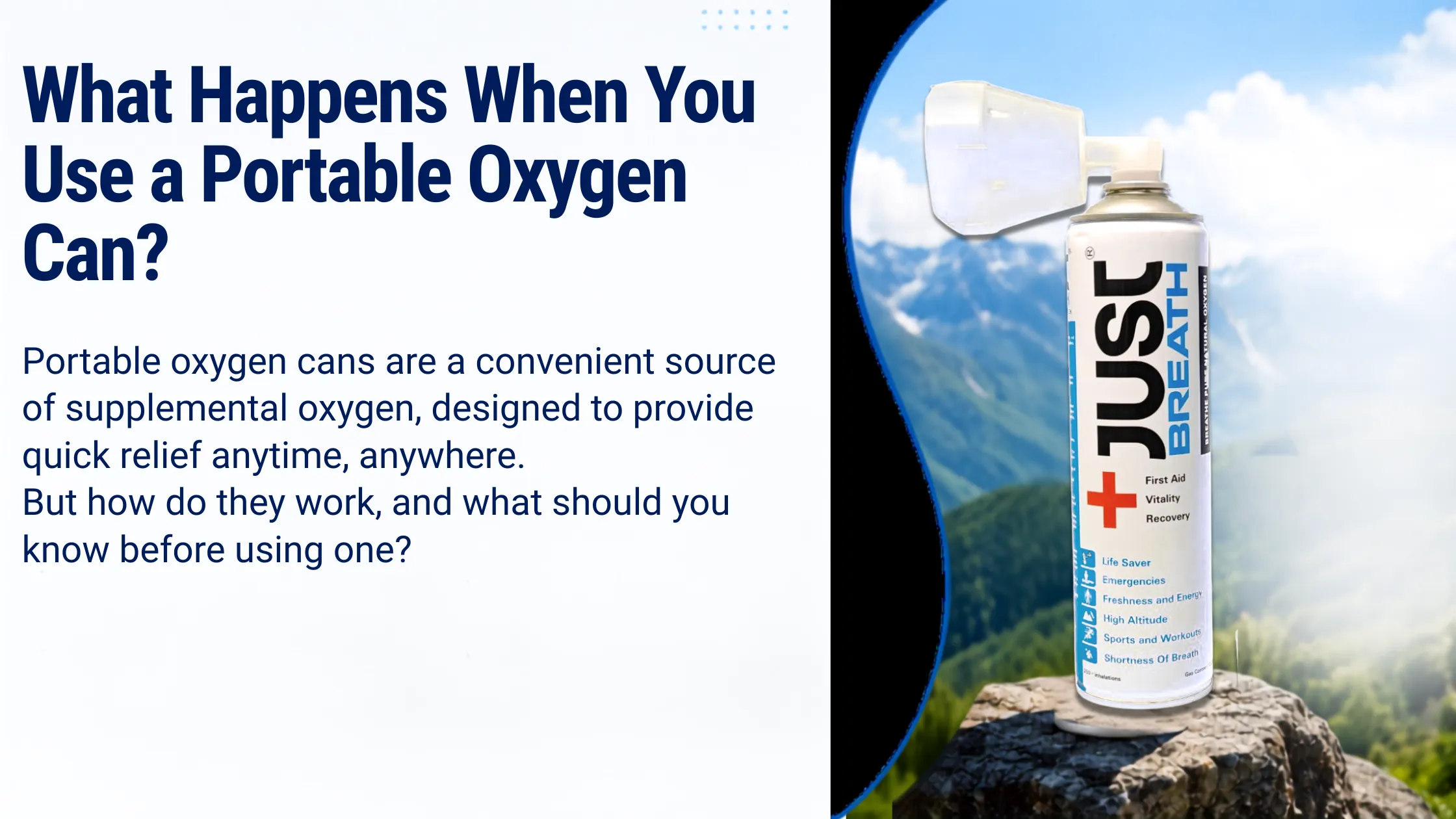
A portable oxygen can holds far less gas, at far lower pressure, than a medical or industrial cylinder. It is closer to a deodorant spray in size. Still, staff judge it as “a gas can” at a glance, so how you pack and present it matters.
What Indian Railways Rules Generally Say (and Where to Verify)
Three rules shape the answer, and only one of them mentions oxygen directly.
| Rule | What it says | What it means for an oxygen can |
| Railways Act, 1989, Section 67 | Passengers may not carry prescribed dangerous or offensive goods except as the section allows | Gas cylinders are restricted; a can is not named |
| Railways (Luggage) Rules | A patient with a medical certificate may carry an oxygen cylinder and stand in any class, within free allowance | Medical oxygen is clearly allowed |
| Jan Vishwas Amendment Act, 2026 | Carrying dangerous or prohibited goods now draws a minimum ₹10,000 penalty, in force from June 2026 | Avoid looking like you carry “stock” |
Sources: Railways Luggage Rules (SARAL), Indian Kanoon, Section 164, Railpost.
What this means for oxygen can train India travel
- One or two sealed cans for personal use fall into a gap the rules do not address.
- The TTE or Railway Protection Force (RPF) officer has discretion. A calm explanation and a visible label usually settle it.
- If someone in your group has a breathing condition, carry a short doctor’s note. It moves you closer to the clear medical exception.
Where to verify before you travel
- Rail Madad helpline 139: ask about carrying an oxygen can on your specific train.
- Station Manager or RPF post at your boarding station, for on-the-spot clarity.
- Indian Railways’ official sites for the latest luggage and prohibited-items notices.
Rules and enforcement change, so treat a check before boarding as part of your packing.
Safe Storage in Sleeper, AC and Toy Train Journeys
Where you keep the can matters as much as whether you carry it. The aim is simple: upright, cool, protected and within reach.
Sleeper class
- Keep the can inside your hand luggage, not in an open side pocket where it can fall.
- Avoid the window side in summer; Sleeper windows let in direct sun and hot air.
- Do not store it near the door area, where people smoke despite the ban.
AC classes (1A, 2A, 3A, Chair Car)
- AC coaches are cooler and cleaner, which suits both the can and anyone with sensitive lungs.
- Store the can in a soft bag under the lower berth or at your feet, away from the charging socket.
- Tell your co-passengers what it is if you use it overnight, so a hiss in the dark does not alarm anyone.
Toy trains (Kalka-Shimla, Darjeeling Himalayan Railway)
- Coaches are small and seats are tight, so luggage space is limited. Carry the can in a daypack on your lap.
- These trains move slowly but sway on curves. Keep the cap on so the valve is not pressed by accident.
- Toy train windows often stay open. Shield the bag from midday sun on exposed stretches.
Your basic travel oxygen kit
A sensible travel oxygen kit for a train trip includes one or two sealed cans with masks, original packaging, a short doctor’s note if anyone has a condition, a pulse oximeter, and emergency numbers saved on your phone.
Heat, Sunlight and Luggage Handling Risks
Heat is the biggest everyday risk to a pressurised can. Pressure rises as temperature rises, and most cans carry a warning not to expose them above about 50°C.
Hot platforms and parked coaches
In May and June, platforms in north India can cross 45°C, and a coach parked in the sun gets hotter inside. Never leave a bag with an oxygen can on a sunlit platform bench or on the upper berth near the roof while waiting.
Rough luggage handling
- Do not pack the can in checked parcel luggage or the brake van; you lose control over how it is handled.
- Keep it away from heavy items that could crush or dent it.
- Never puncture, burn or throw away a can before it is fully empty.
Smoking and flames
Smoking is banned on trains and stations, but it still happens near vestibules. Do not use your can near anyone smoking, near pantry cars, or while charging a phone close to your face.
Mountain Rail Routes: Practical Tips
India’s best-loved hill journeys climb steadily but stay below the heights where altitude sickness is common. Breathlessness on these trips usually comes from cold air, exertion, crowding or an existing condition.
| Route | Highest point (approx.) | What to plan for |
| Kalka-Shimla toy train | Shimla, about 2,075 m | 5 to 6 hours in a small coach; cold mornings |
| Siliguri / NJP-Darjeeling toy train | Ghum, about 2,258 m | Long slow ride; damp, chilly air near the top |
| Jammu-Katra and onward to the Valley | Katra about 875 m; Vaishno Devi shrine about 1,585 m | The steep 12 km yatra walk, not the train, is the strain |
Jammu and Katra
Most pilgrims feel breathless on the uphill walk to the shrine, not on the train. Keep the can in a daypack for the trek, rest often, and do not push older family members.
Kalka-Shimla
The toy train climbs gently, but winter mornings are cold. Cold air can trigger wheezing in people with asthma, so keep inhalers handy as well.
Siliguri-Darjeeling
The ride is long and slow. Plan water, warm layers and toilet breaks at major stations. Pair it with our guide for trekkers and high-altitude travel if you are heading on to Sikkim.
If someone has chest pain, confusion, blue lips or breathlessness at rest, an oxygen can is not enough. Alert the TTE, call 139, and get off at the next station with medical help.
Safer Alternatives for Long Rail Trips
An oxygen can is built for short, occasional use. Our 12 litre can gives roughly 360 short breaths, which is plenty for a comfort boost but not for continuous support over a 30-hour journey.
If someone needs oxygen regularly
- Medical oxygen cylinder: clearly allowed for a patient with a medical certificate, in any class, within free luggage allowance.
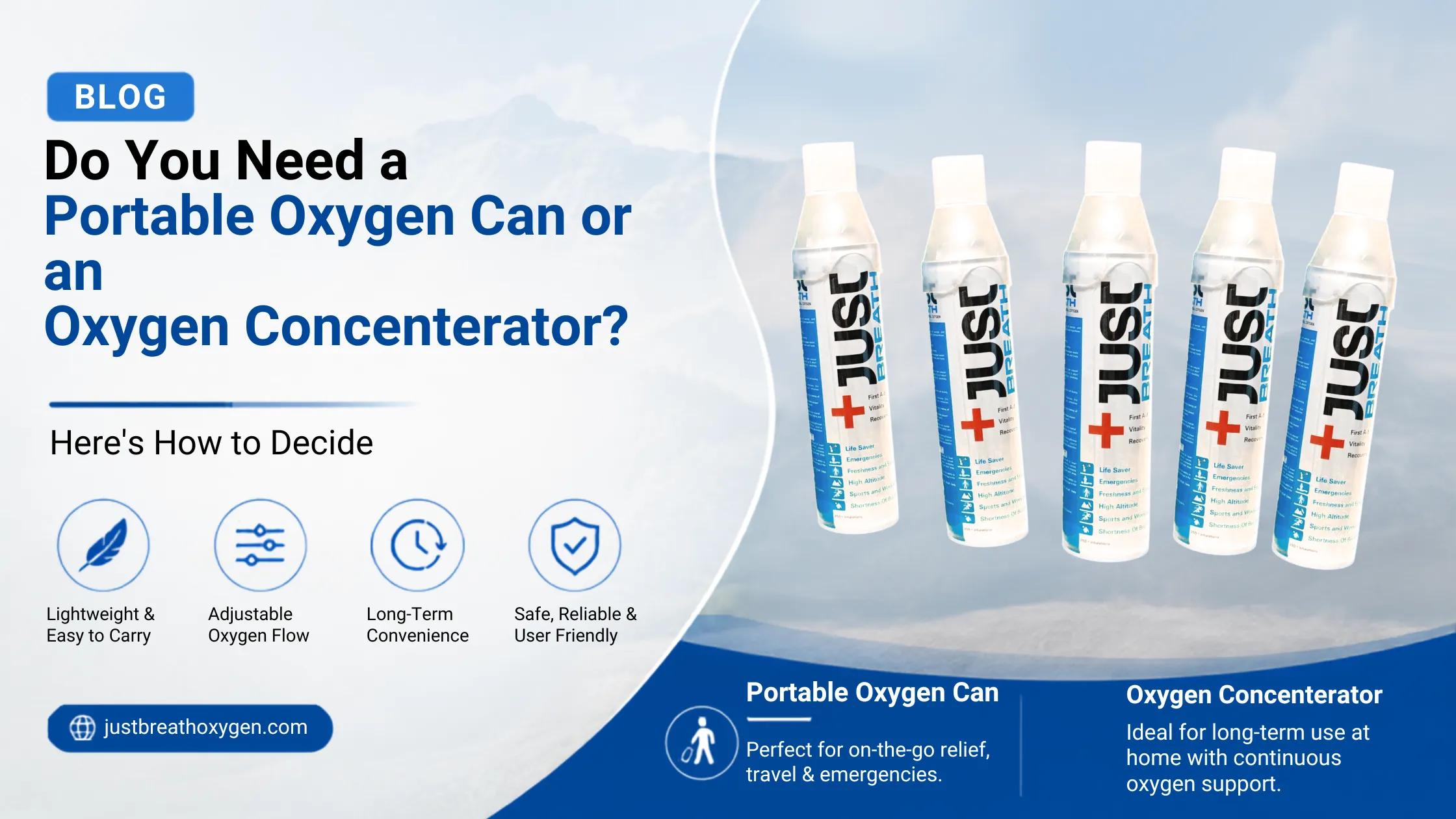
- Portable oxygen concentrator (POC): battery powered, holds no compressed gas, and avoids the dangerous-goods question entirely. Carry spare batteries, since coach sockets are not always reliable.
Plan the journey itself
- Book an AC lower berth to cut dust and smoke exposure and make rest easier.
- Break very long trips with a night halt instead of one marathon ride.
- Know that passenger trains carry a medical box with an oxygen cylinder for emergencies, under Railway Board instructions (Railway Board order).
Travelling with an older parent? Read our tips for senior citizens. Flying instead? See can you carry an oxygen can on a flight in India.
Conclusion
An oxygen can for travel by train is practical when you carry it the right way. Indian Railways does not name portable cans in its rules, restricts gas cylinders in general, and clearly allows medical oxygen for patients. Keep to one or two sealed cans for personal use, store them cool and upright, carry a doctor’s note if anyone has a condition, and confirm with 139 or your station before you board.
For anyone who needs oxygen for hours at a time, switch to a medical cylinder or a concentrator and let the can be your backup. To choose the right can for your next trip, explore Just Breath Oxygen or read more on our blog.
FAQs
Usually, yes. Indian Railways has no rule naming small oxygen cans. Carry one or two sealed cans for personal use in original packaging, keep them away from heat, and carry a doctor's note if needed. Confirm on 139 if unsure.
It is not specifically listed. The Railways Act restricts dangerous goods such as gas cylinders, and staff may treat several cans as restricted. One or two personal cans are rarely an issue, but the TTE or RPF has final say.
Yes, in your hand luggage, not in parcel or brake-van luggage. Pack it upright in a soft bag, away from heavy or sharp items and the window side, so it cannot be crushed, dented or heated by direct sun during the trip.
Keep it upright in a bag under the lower berth or at your feet, cap on, away from charging sockets, sunlit windows and door areas where people smoke. AC coaches keep it cooler; in Sleeper, shield it from hot air and sun.
Any pressurised can may burst if overheated, which is why labels warn against temperatures above about 50°C. Never leave it on a hot platform, in a parked car or near the coach roof, and never puncture or burn it, even when empty.
Yes. Under the Railways (Luggage) Rules, a patient with a medical certificate may carry an oxygen cylinder and its stand in the compartment, in any class. It falls within the free luggage allowance, and no attendant is required.
Call the Rail Madad helpline on 139, ask the Station Manager or RPF post at your boarding station, or check Indian Railways' official websites for the latest luggage and prohibited-item notices. Rules can change, so check close to travel.