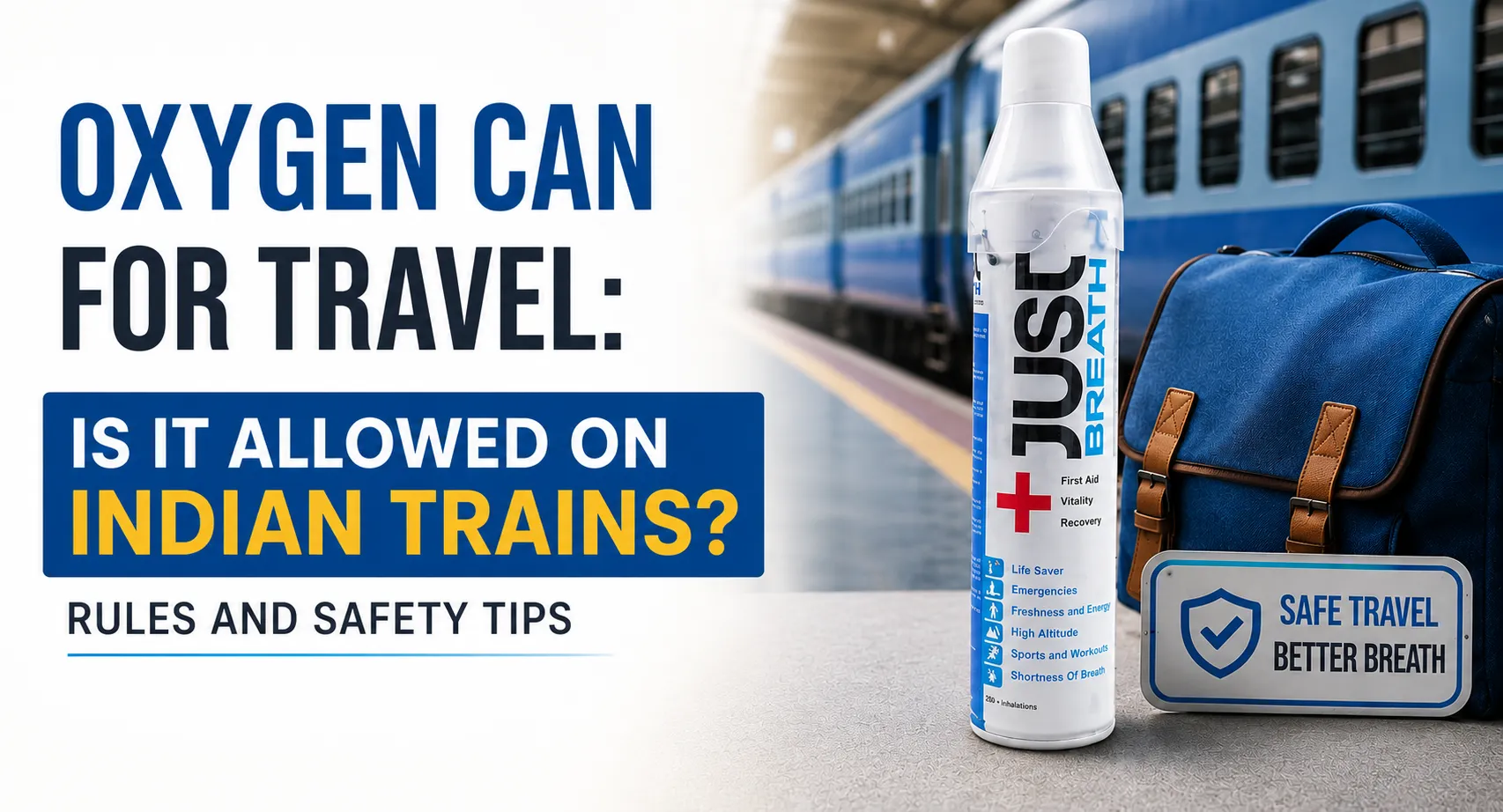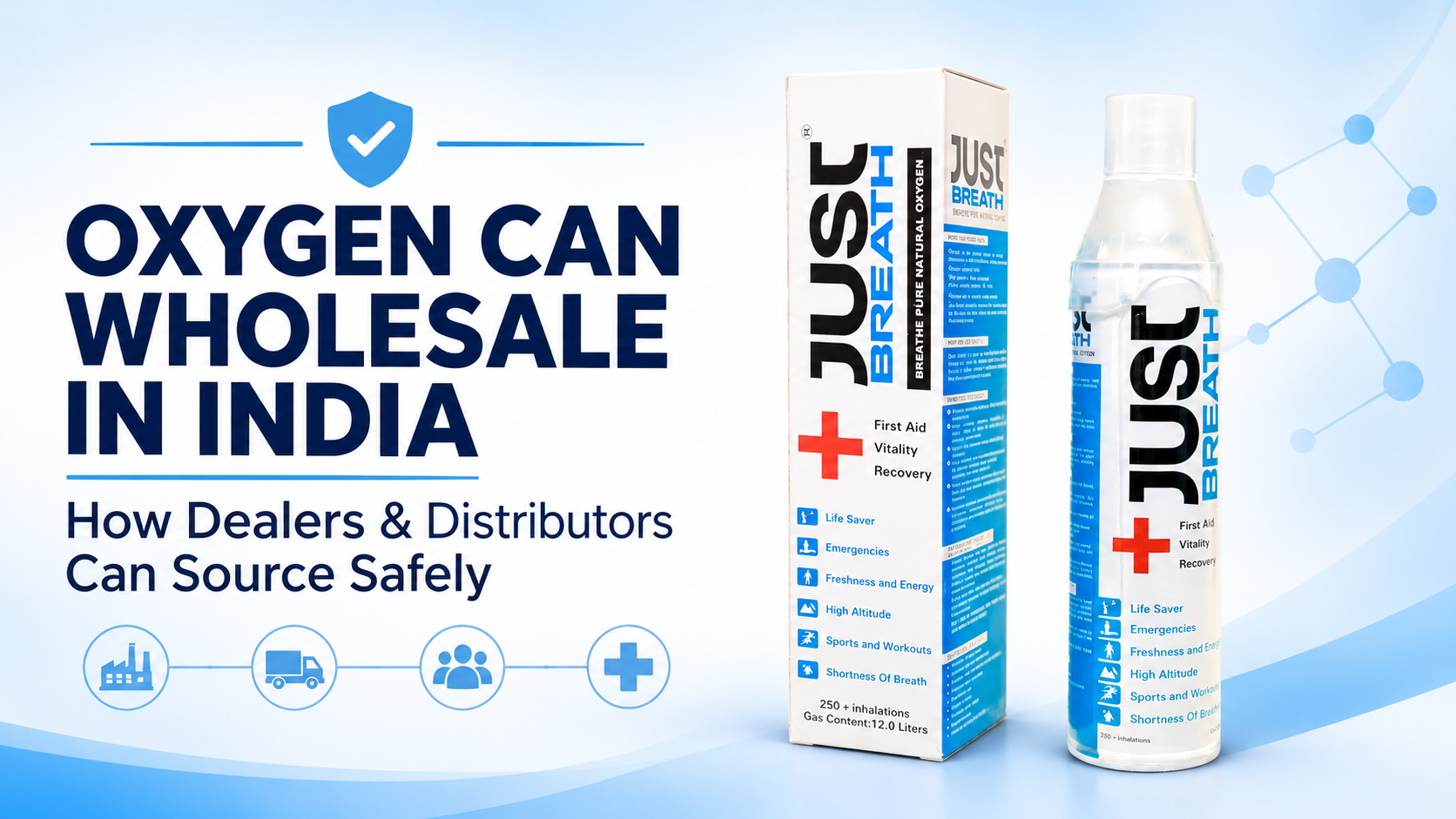
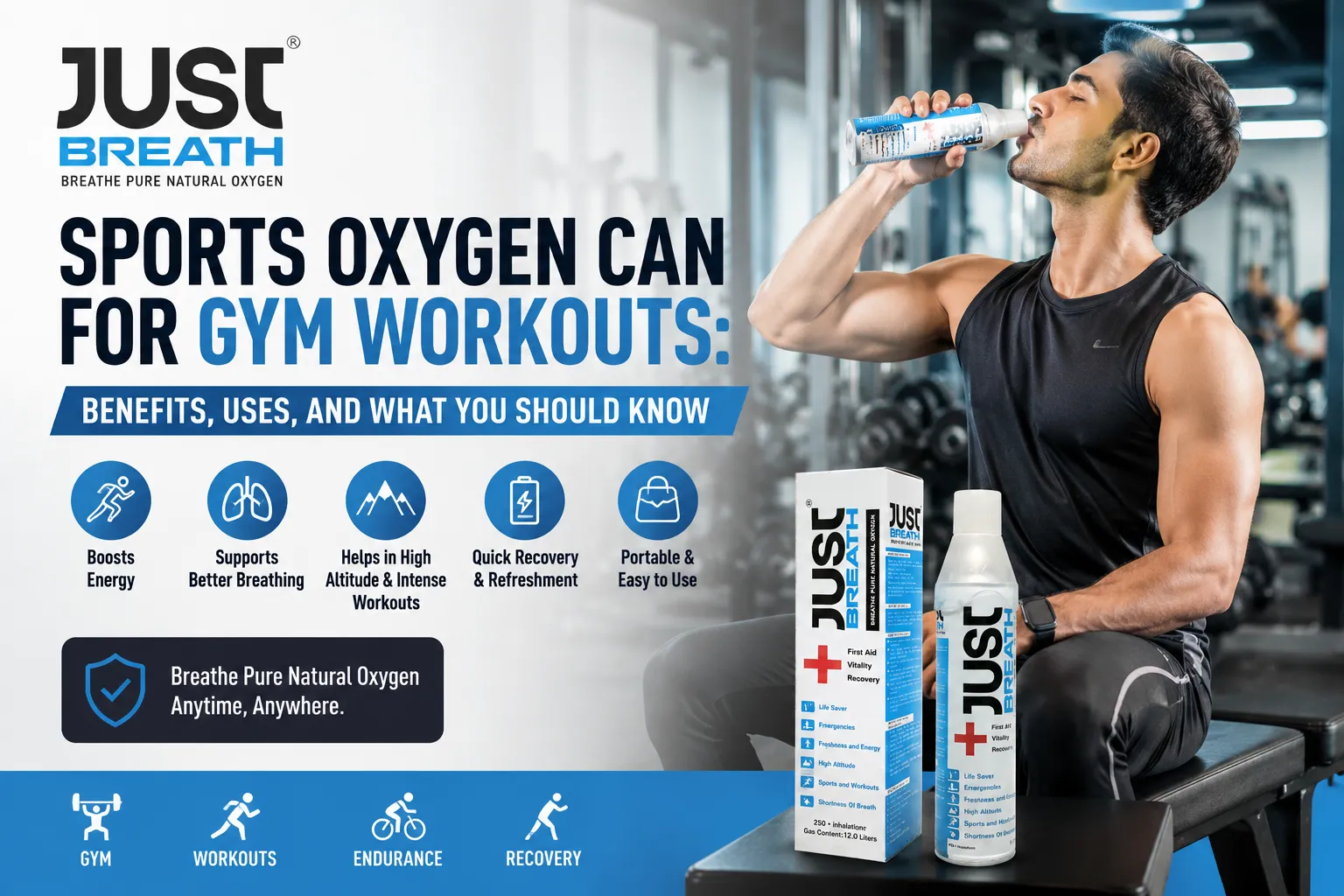
Go to any gym in Gurugram at 7 in the evening. Every bench is taken, someone is hogging the cable machine, and the AC gave up about an hour ago. Lately we’ve noticed one more thing poking out of gym bags: a small aluminium can with a mask on top.
That’s a sports oxygen can. The question we keep getting on WhatsApp is pretty simple. Is an oxygen can for gym use actually worth the money, or is it just a fancy gimmick?
We fill these cans ourselves in Udaipur. So we’ll give you the answer we’d give a friend, including the parts that don’t make for great marketing.
What Is a Sports Oxygen Can and How Does It Work?
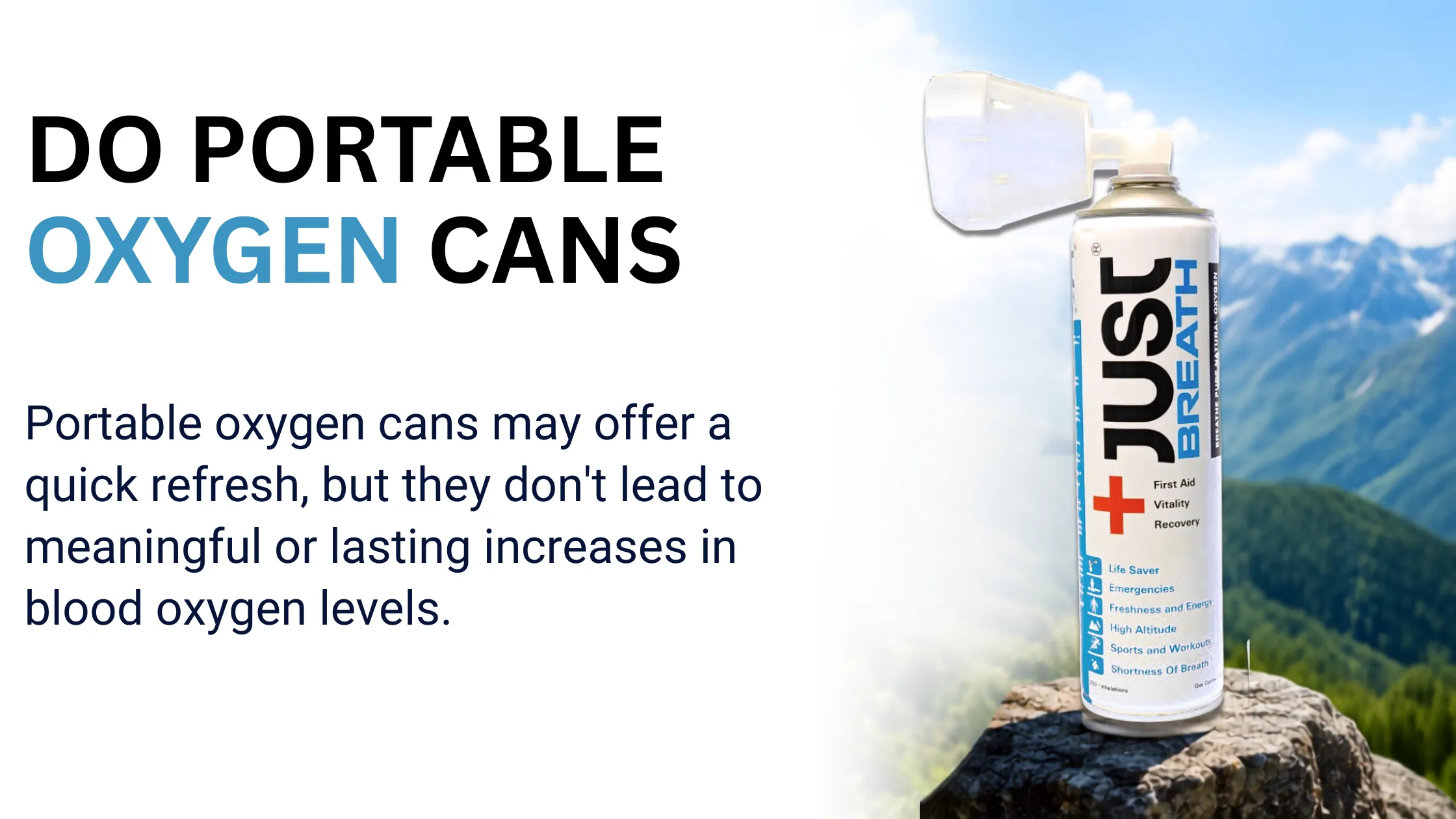
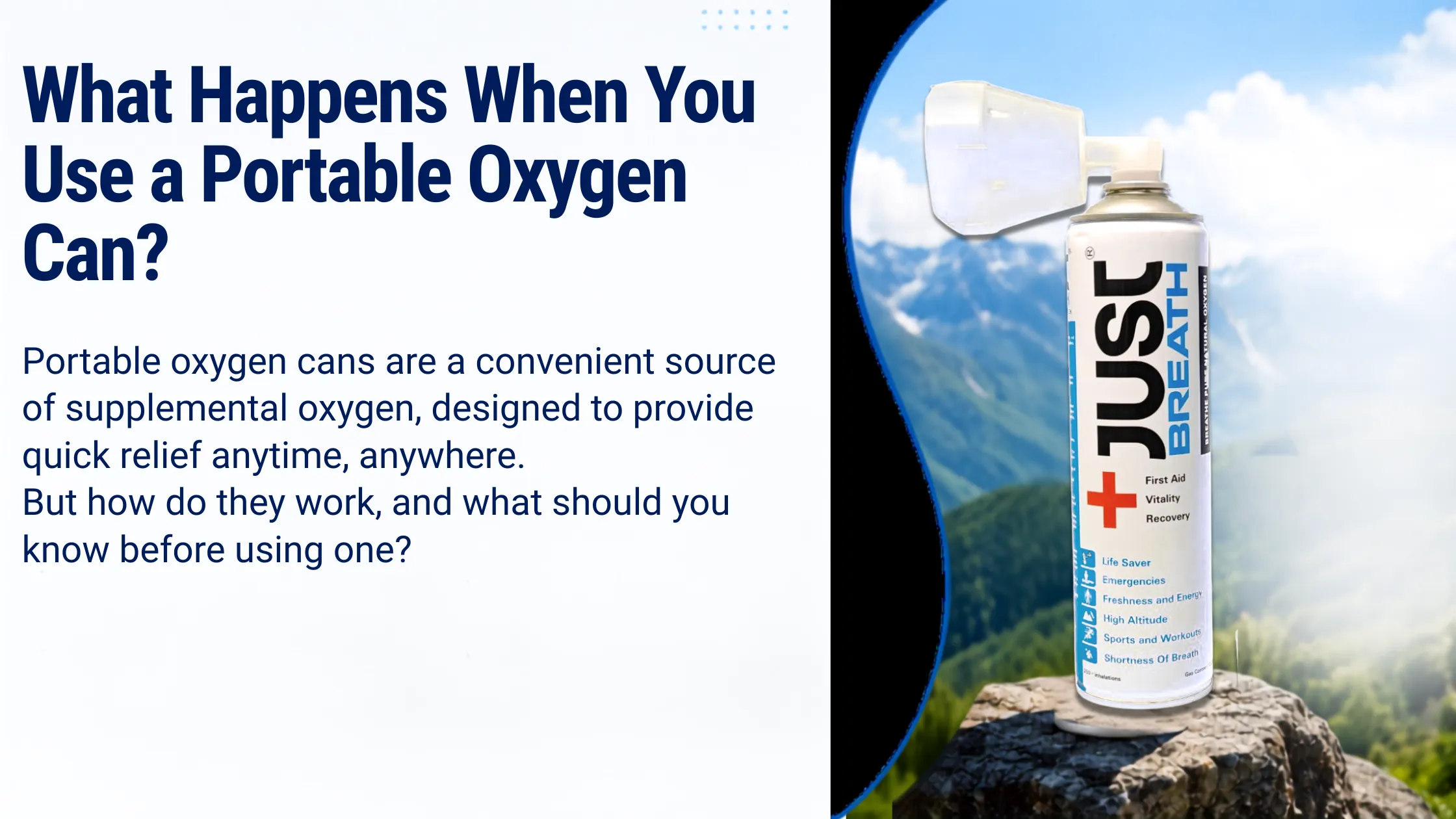
In plain terms, it’s compressed oxygen in a light can, up to 99% pure. Normal air has only about 21% oxygen. So each puff is a lot richer than what you’re breathing in a packed gym hall.
What you get in one can
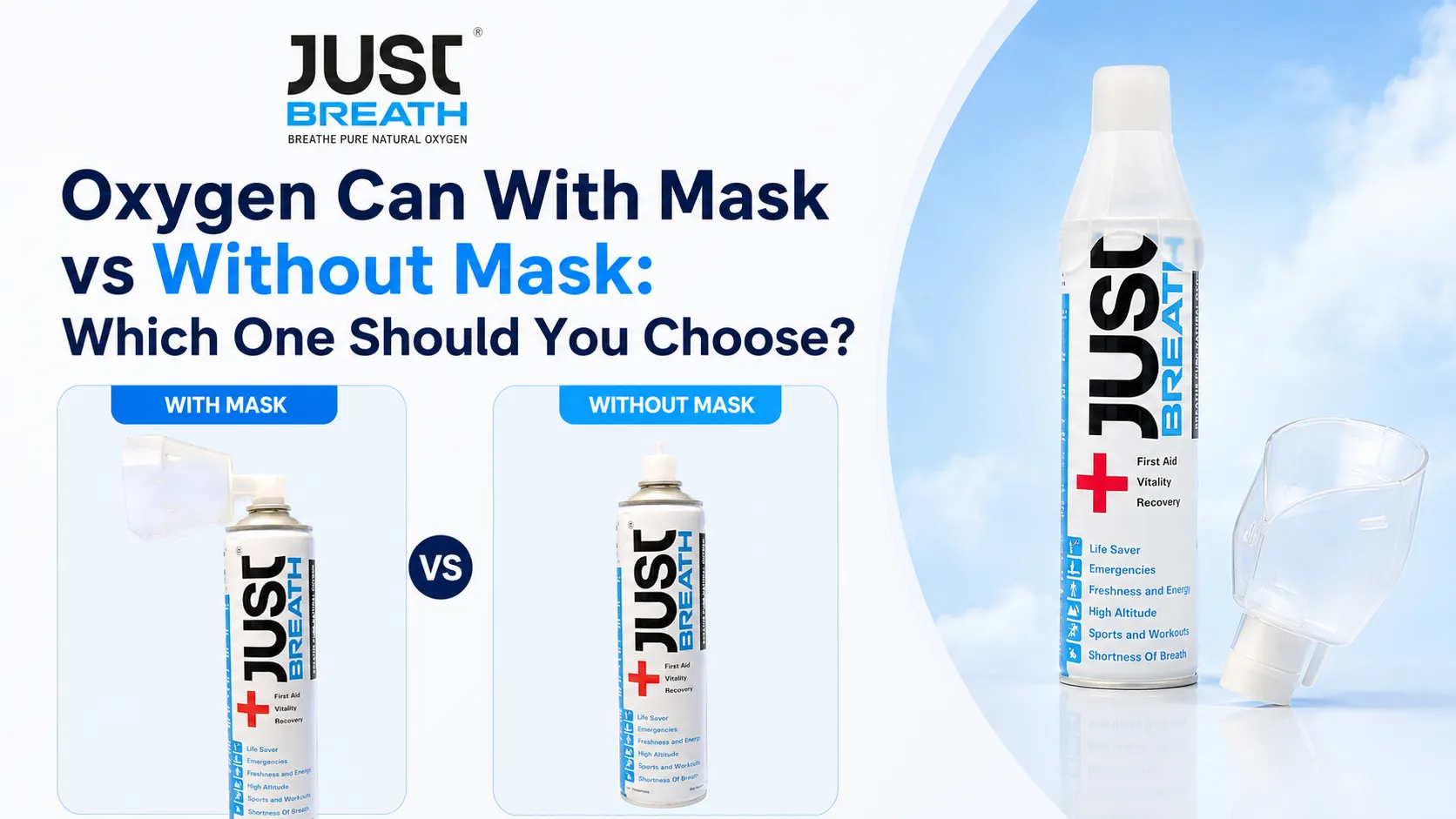
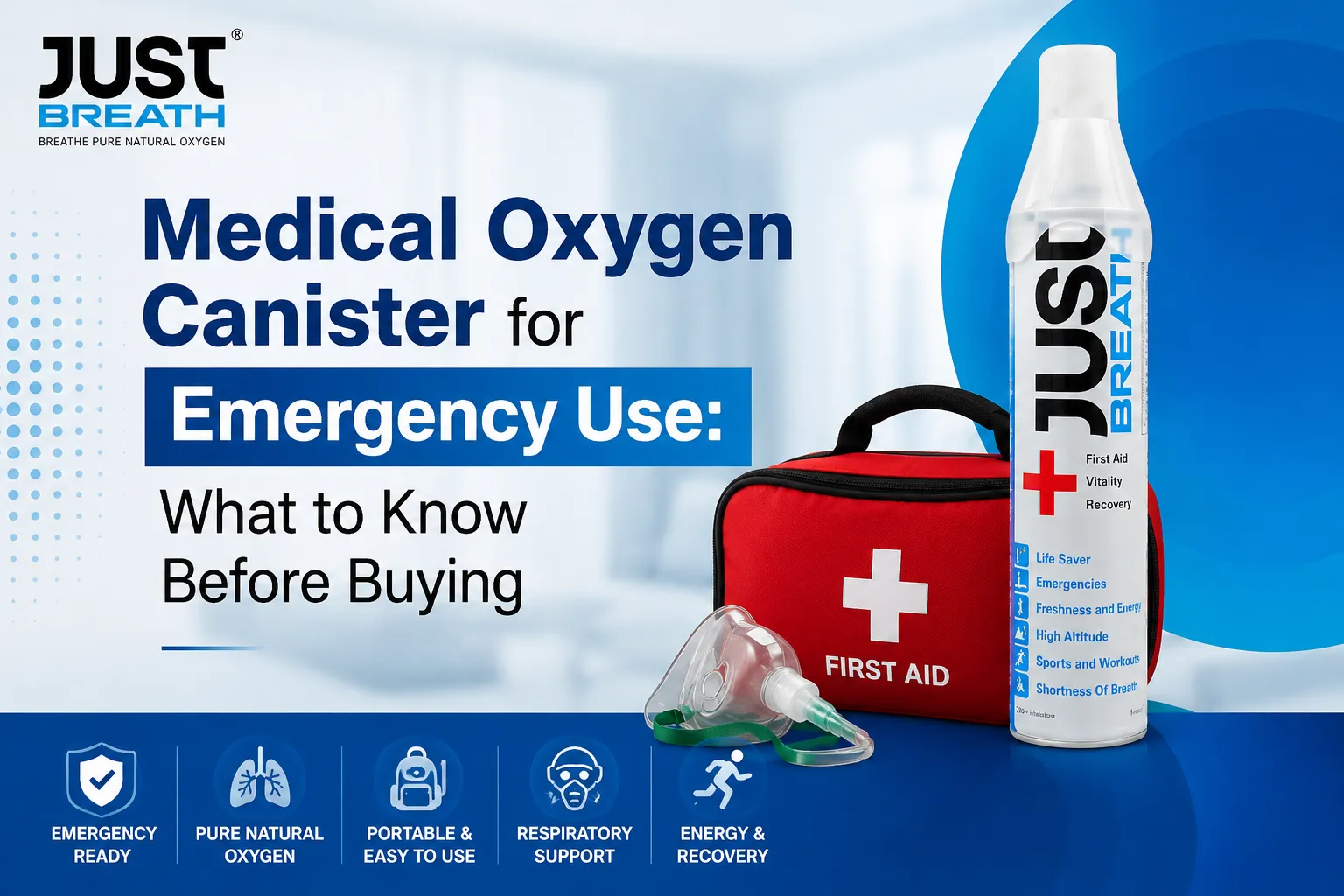
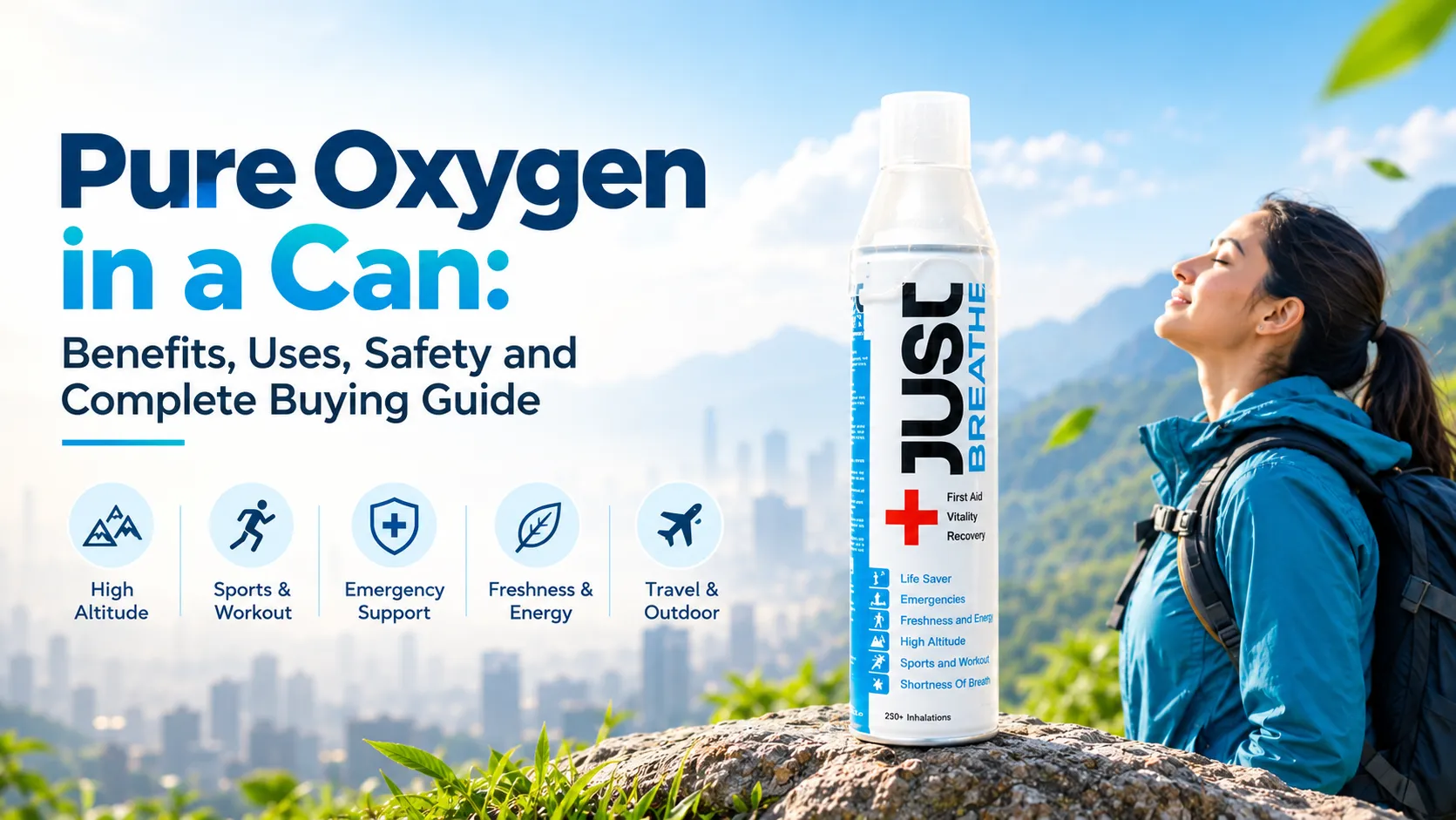
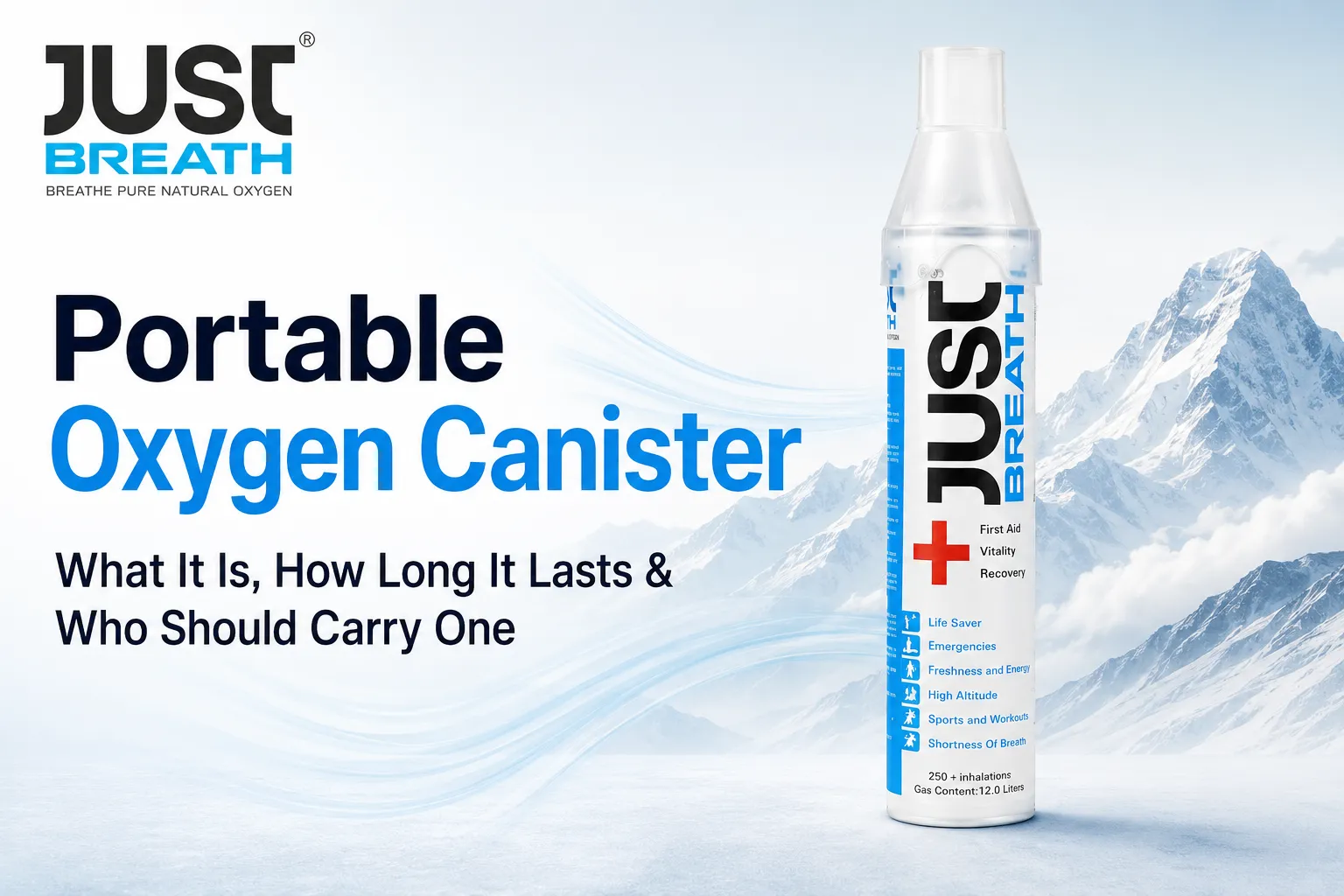
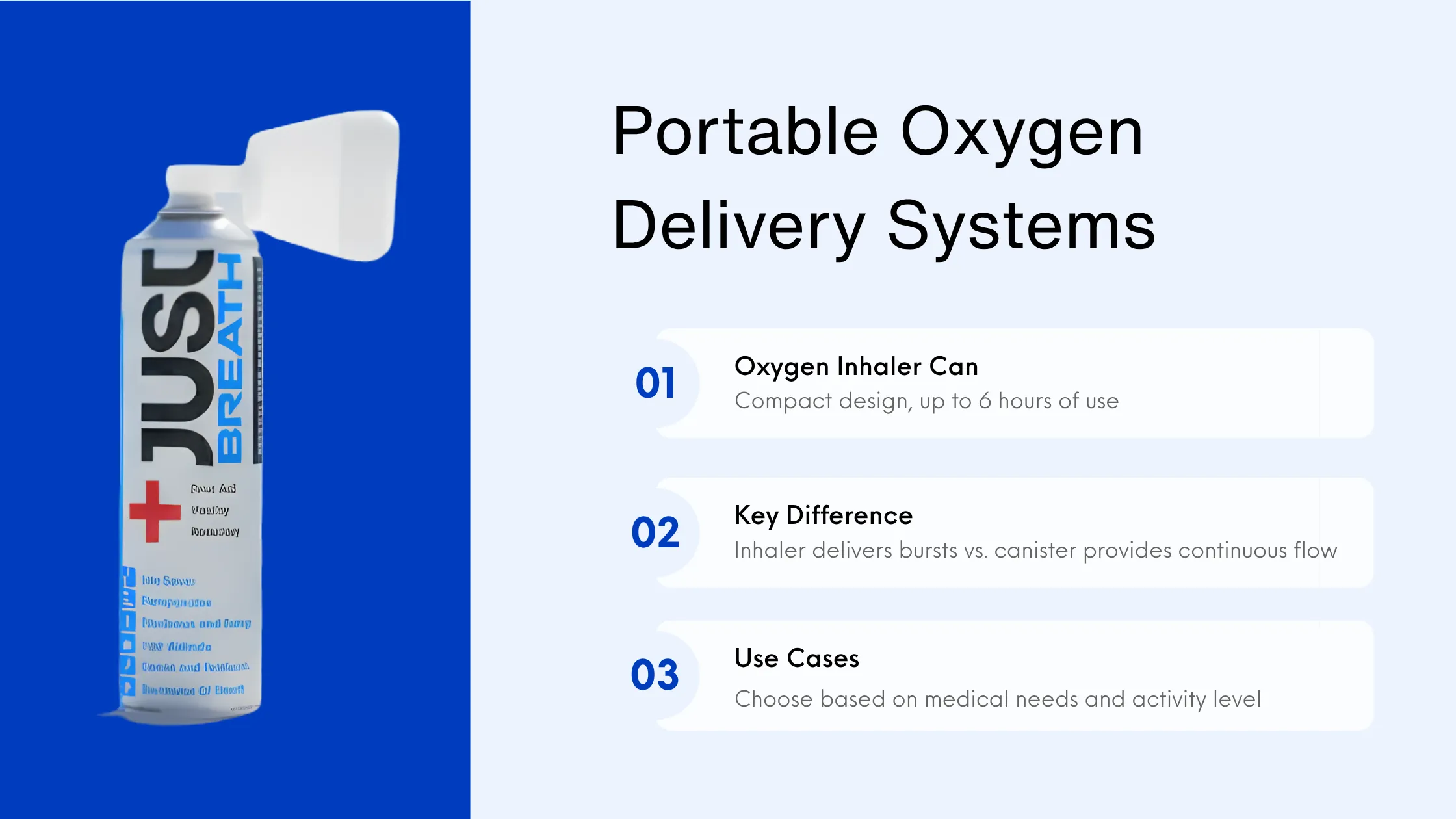
Our Sports Oxygen Can holds 12 litres, which works out to roughly 360 short breaths. The mask comes already fitted. You don’t plug anything in, charge anything or refill anything. It’s light enough to sit in the side pocket of your gym bag next to the shaker.
What happens when you press it
Mask over nose and mouth, press for a second or two, breathe in slowly. You get a short burst and then it stops. It’s nothing like a hospital cylinder that keeps flowing. Think of it as a sip of water between sets, not a full meal.
Key Benefits of Using a Sports Oxygen Can for Gym Workouts
We’ll start with the bit most sellers leave out. If you’re healthy and you train in Mumbai or Chennai, close to sea level, your blood oxygen is already sitting somewhere around 95 to 100 percent. A can won’t push that much higher, and it won’t add 10 kg to your deadlift.
So what’s the point? Mostly, it changes how the hard parts of a workout feel.
Catching your breath between sets
You know that moment after a heavy set of squats, bent over with your hands on your knees, trying to get air in? A few slow puffs give you something to do with that minute. Plenty of our customers say they feel ready to go again a little sooner. We can’t measure that for you, but we hear it often enough.
A fresher feeling in stuffy gyms
Basement gyms. Packed Zumba batches. Delhi in December, when the AQI crosses 300 and the gym windows don’t open. The air just feels used up. A burst of clean oxygen feels noticeably better in those moments, even if it only lasts a short while.
It forces you to slow your breathing
This one surprised us. To use the can properly you have to stop, put the mask on and take long, slow breaths. That alone helps a racing heart settle down. Honestly, half the benefit might be that you’re finally breathing properly instead of panting.
Nothing to set up
No machine, no charging, no refills. Throw it in the bag and forget about it until you need it.
What the research actually says
A 2018 review in the journal Sports Medicine pulled together dozens of studies on extra oxygen and exercise. Breathing high-oxygen air while exercising did improve performance in lab tests. When people only got oxygen during recovery, though, the benefit was small and patchy. And those labs used far more oxygen than a few puffs from a can.
One of our own customers in Delhi summed it up well: it helps, but the effect doesn’t last long. That’s a fair description. Treat it as a comfort tool. If any brand tells you their can will make you lift 20 percent more, walk away.
When Should You Use a Sports Oxygen Can During or After Exercise?
Timing matters more than how many puffs you take.
Between hard sets or intervals
Tabata, a CrossFit WOD, heavy compound lifts. Take two or three puffs in your rest window, then get back to work. Don’t try it mid-set. You’ll just end up fumbling with the mask.
After cardio or a HIIT class
This is where post workout oxygen makes the most sense. Use it while you’re walking around and your heart rate is coming down, before you sit for stretches.
After an outdoor run on a bad-air day
Runners in Delhi NCR and Hyderabad know this problem well. November comes, the sky turns grey, and you still have a 15K on your plan. An oxygen can for running is handy to keep in the car for when you finish and your chest feels tight from the air rather than the distance.
When to skip the can and see a doctor
Chest pain. Dizziness that doesn’t go away after rest. Breathlessness that feels unusual for you. Stop the workout and get checked. A can is not the fix for any of these.
How to Use a Sports Oxygen Can Safely During Workouts
The right way to take a puff
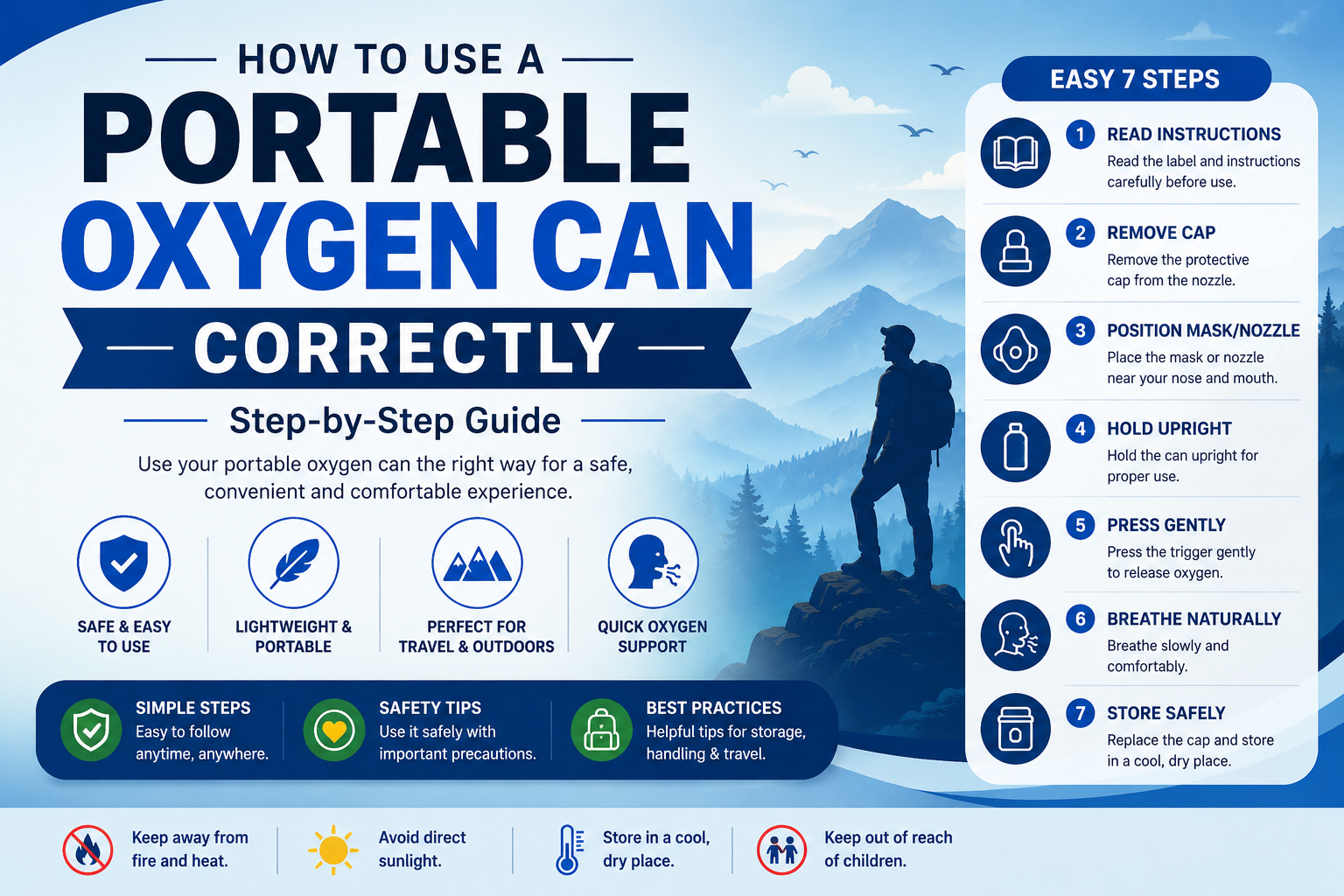
- Breathe out fully first.
- Put the mask firmly over your nose and mouth.
- Press for one or two seconds while breathing in slowly.
- Hold for a moment, then breathe out normally.
- Repeat two or three times, then put the can away.
A few rules for users and gym owners
- Keep it away from flames, cigarettes and heaters. Oxygen makes fire burn faster.
- Don’t leave it in a parked car through a Pune or Hyderabad afternoon in May. Cars get very hot inside.
- Never puncture it, crush it or try to refill it.
- Keep it out of reach of small children.
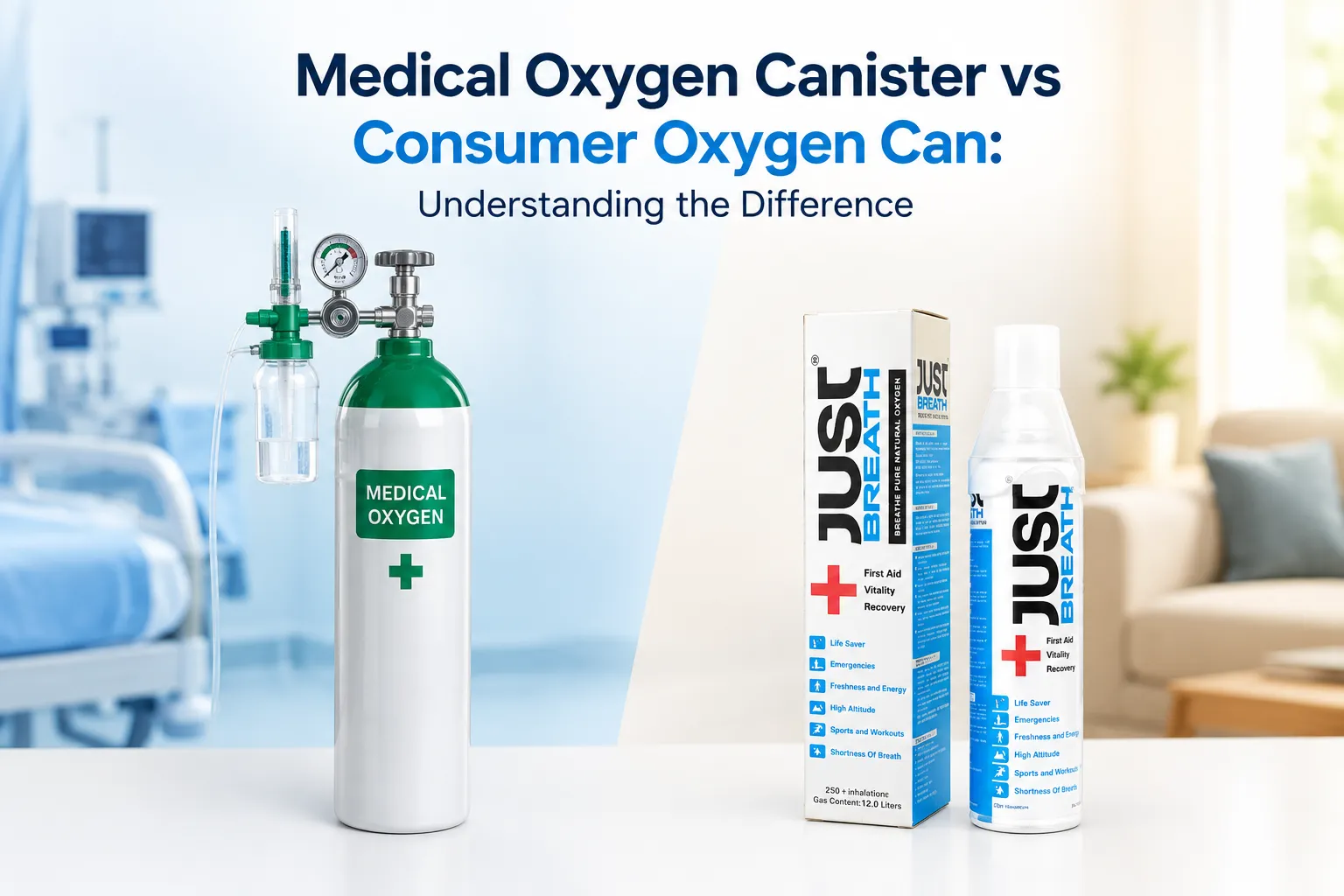
- It doesn’t replace prescribed medical oxygen. If you have asthma, COPD or a heart condition, ask your doctor first.
Who Can Benefit from a Sports Oxygen Can?
People new to the gym
The first month is rough. You run out of breath on the warm-up and start wondering why you signed up. A couple of puffs between sets can make those early weeks a bit less miserable while your fitness catches up.
Runners and athletes
Weekend 10K runners in Bengaluru, people training for the Mumbai Marathon, club footballers, badminton players. An oxygen can for athletes fits in any kit bag and comes out after the hard intervals or the final whistle.
Gym owners and studio managers
Most blogs don’t talk about this, but a good share of our bulk enquiries come from gyms. Owners in Delhi, Mumbai, Bengaluru, Hyderabad and Pune keep a few cans in the recovery corner or on the front-desk shelf. It doesn’t cost much, members notice it, and trainers get something useful to hand a client who’s struggling after a hard session. If you run a gym or studio, the details are on our Athletes & Gym Users page, or you can simply call us.
Who should check with a doctor first
Anyone with a lung or heart condition, pregnant women, and children, who should only use it with an adult around.
Sports Oxygen Can vs. Regular Breathing: What Should Gym-Goers Know?
| Regular breathing | Sports oxygen can | |
| Oxygen in each breath | About 21% | Up to 99% |
| How long it lasts | All day, every day | A few short puffs |
| What it does for you | Fuels every single rep | Short-term comfort and a fresher feel |
| Cost | Free | About ₹799 for 12 litres |
| When to use it | Always | Between sets, after cardio, on bad-AQI days |
Your lungs do almost all the work, and they’re very good at it. Training improves how your body uses oxygen far more than any can ever will. If recovery feels slow, look at your sleep, water, protein and cooldown first. Get those right and the can becomes a nice extra rather than a crutch.
Conclusion
A sports oxygen can won’t replace training, food or sleep. Anyone who says otherwise is selling you a story. What it does give you is a quick breath of clean, concentrated oxygen when your lungs are burning, the gym air is stale, or the city outside is grey with smog. For gym-goers, runners and athletes in India’s big metros, that small bit of relief can make a tough session easier to finish. Use it sensibly, stick to the safety rules, and keep it as one small part of your recovery routine. Got questions? Message us. We’d rather you buy it knowing exactly what it does