What Is a Home Oxygen Cylinder Used For?
It’s a heavy metal tank of medical oxygen under high pressure. A regulator and flowmeter go on top, and the patient breathes through a nasal tube or mask at a flow the doctor decides, usually 1 to 5 litres a minute.Who usually needs one
Mostly people with a prescription: COPD patients, someone just back from hospital, an elderly parent breathless at night. Some families keep one as a power-cut backup too.What it isn’t meant for
It’s not a wellness gadget. Medical oxygen is treated like a medicine in India. That’s where people mix it up with oxygen cans.Costs: Purchase, Rental, Refill and Delivery
Prices change by city and dealer. These are 2026 dealer listings, so use them for budgeting, not as a final quote.Home oxygen cylinder price if you buy
Most homes pick the 10-litre size. A 10L steel cylinder sells for around ₹4,000 to ₹6,000, aluminium for ₹5,000 to ₹7,500. With a regulator and flowmeter it’s ₹6,500 to ₹9,000, and some quote close to ₹12,000. Here’s the catch. The home oxygen cylinder price is just the entry ticket. Running costs are what really add up.Renting instead
A lot of families rent, especially for short recoveries. In Delhi NCR, renting a 10L oxygen tank for home use costs roughly ₹2,000 to ₹2,500 a month. The big 47L ones go for ₹3,500 to ₹4,000. Keep some money aside for the security deposit too.What an oxygen cylinder refill costs
Each oxygen cylinder refill for a 10L tank costs around ₹700 to ₹1,500. Sounds fine, until a patient on long hours empties it every day or two. Do that math for a month.Delivery depends on where you live
Honestly, this matters more than the price list. In Delhi, Mumbai, Bengaluru or Pune, plenty of suppliers deliver the same day and swap empties for full ones. In a tier-2 or tier-3 town, there might be one or two agencies. Sometimes you drive the empty cylinder to the plant yourself. In semi-urban and rural areas, the nearest refill point can easily be 30 to 80 km away. Running out at 11 pm on a Sunday is a very real worry there. A concentrator, which pulls oxygen from room air, costs about ₹30,000 to ₹1,00,000, or ₹3,500 to ₹6,000 a month on rent. No refills, but it needs steady power. And then there’s a can. Our 12-litre Just Breath Oxygen Can costs under ₹1,000 and reaches you by courier anywhere in India. Next to the home oxygen cylinder price that looks tiny, but it’s a different product altogether.Handling and Safety Rules for Cylinders
Oxygen doesn’t catch fire itself, but it makes anything nearby burn much faster and hotter.Where to keep it
Keep it upright and tied, or on a trolley, in a room with airflow. Keep it far from the kitchen gas, heaters, and the mandir where diyas are lit.While it’s in use
No smoking in that room. No agarbatti either, which many families forget. Keep oil, grease and Vaseline away from the valve and the patient’s face. And don’t change the flow yourself. That’s the doctor’s call.Before you buy or rent
Gas cylinders in India come under PESO rules, so check the stamped test date isn’t overdue. Get every oxygen cylinder refill from a licensed medical supplier. The welding shop might be cheaper, but industrial oxygen isn’t meant for breathing.Where an Oxygen Can Is More Convenient
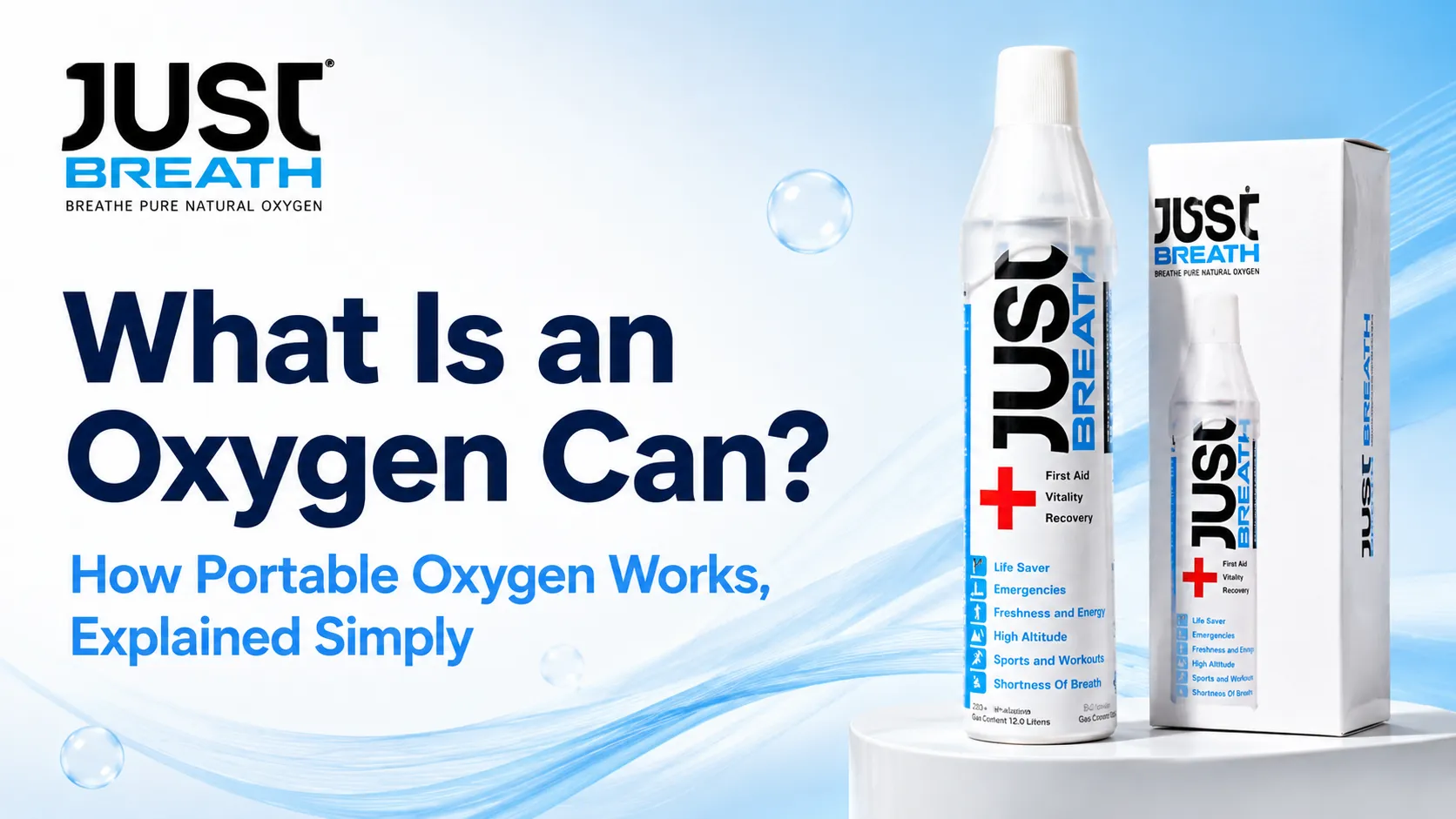
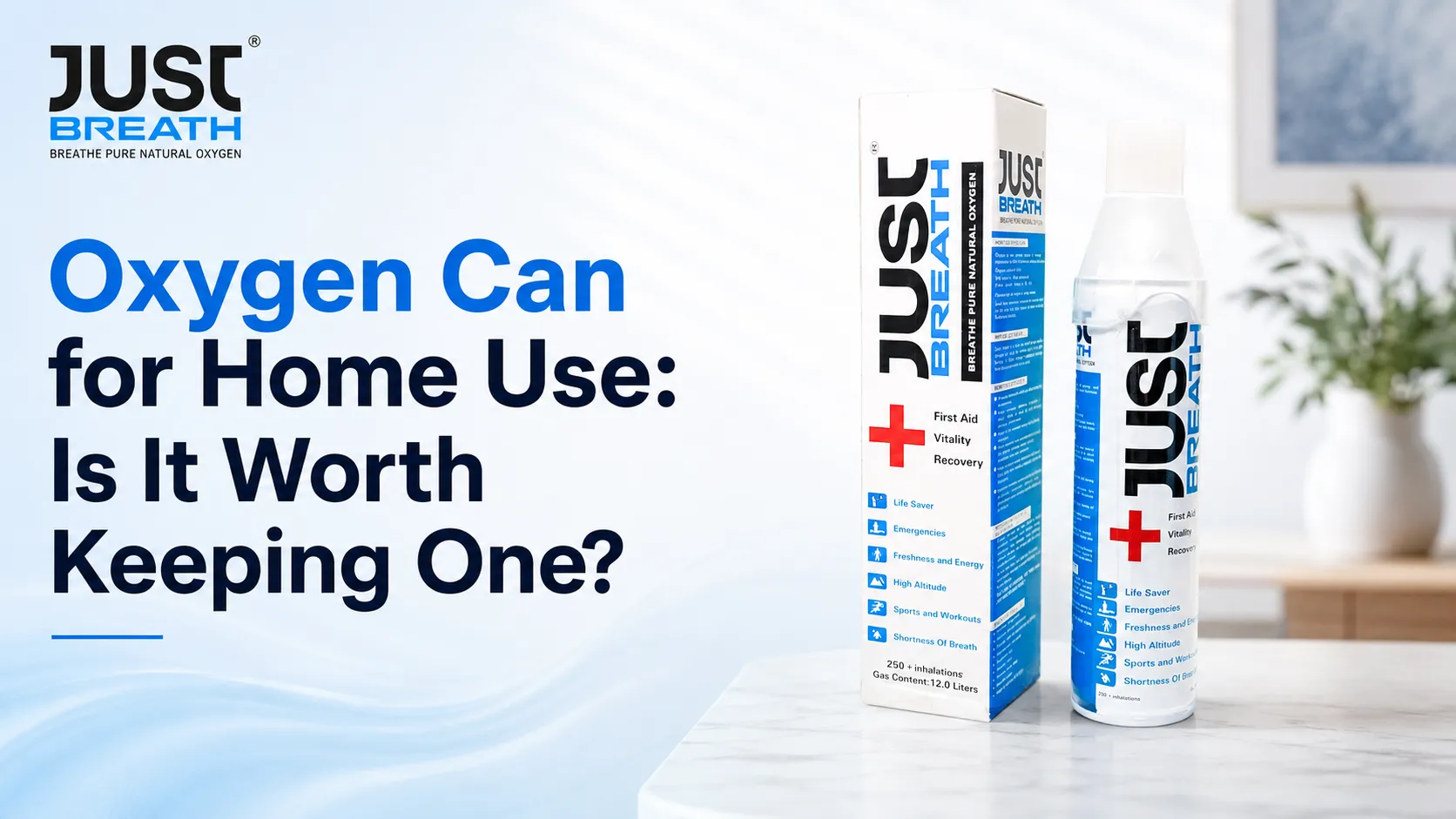
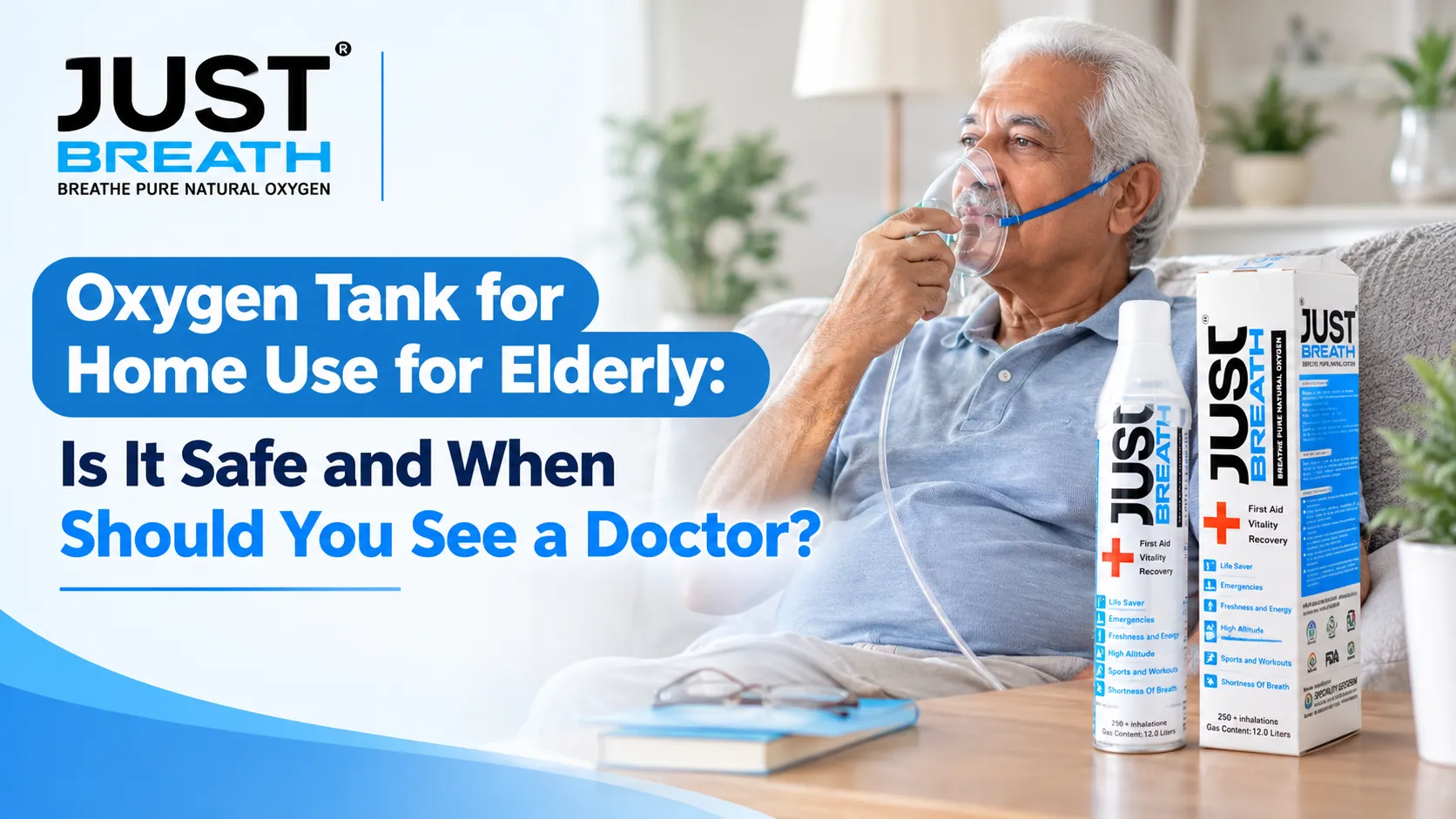
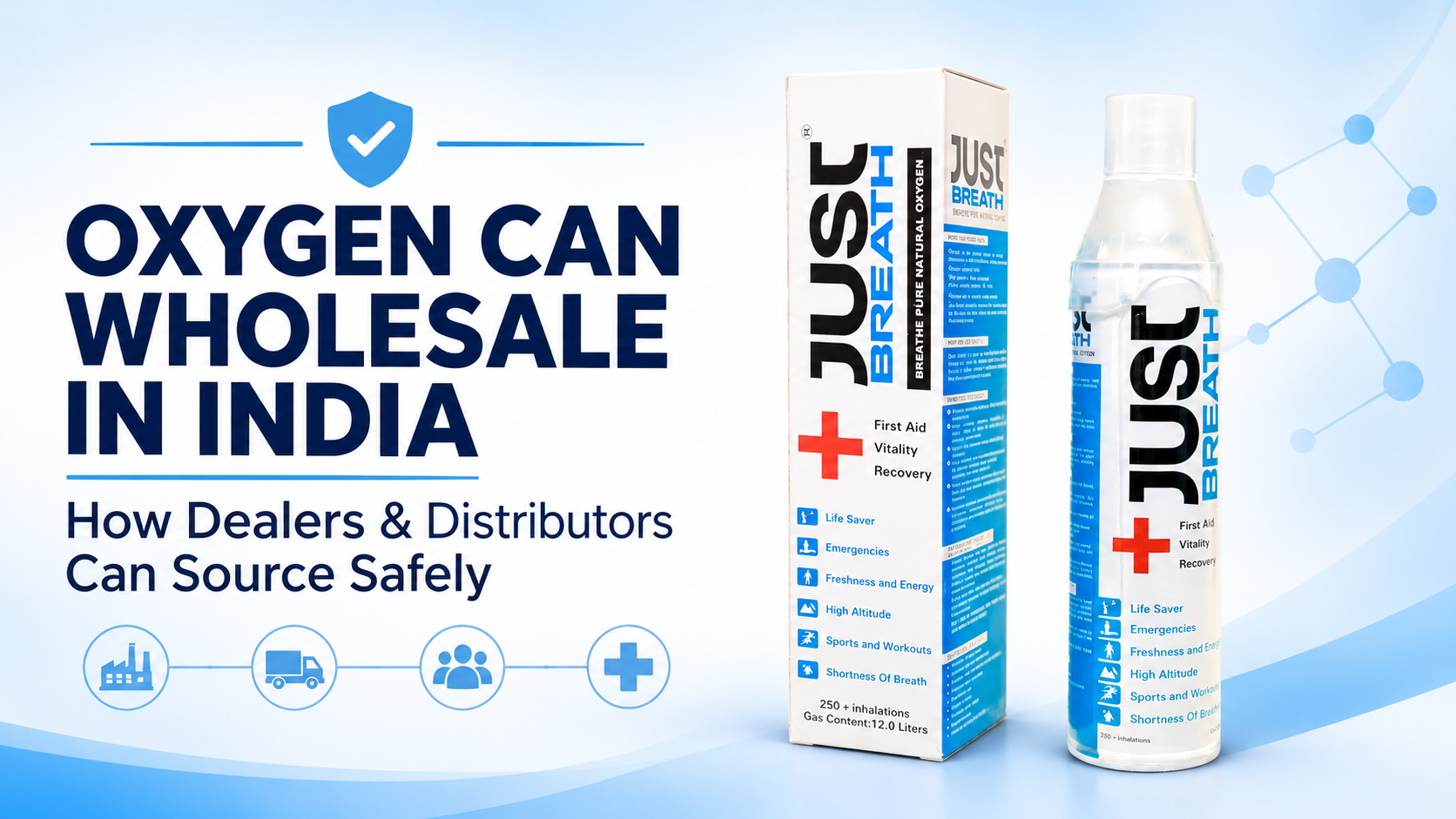
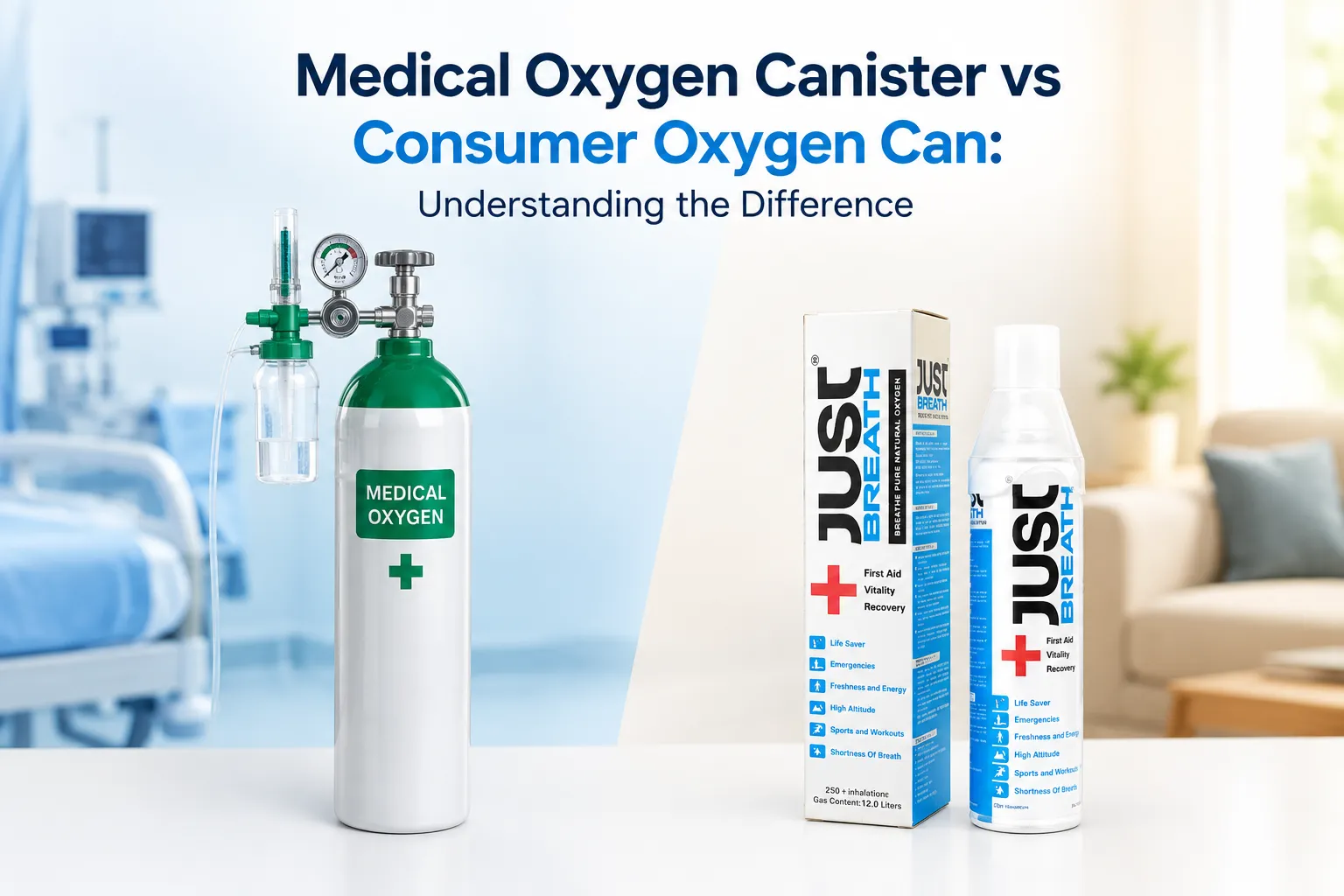
An oxygen can is basically a light aluminium canister with oxygen already inside and a mask on top. Ours holds 12 litres, which is around 360 short breaths. You press, breathe in, and put it back in your bag. No gauge, no knobs.When a can makes more sense
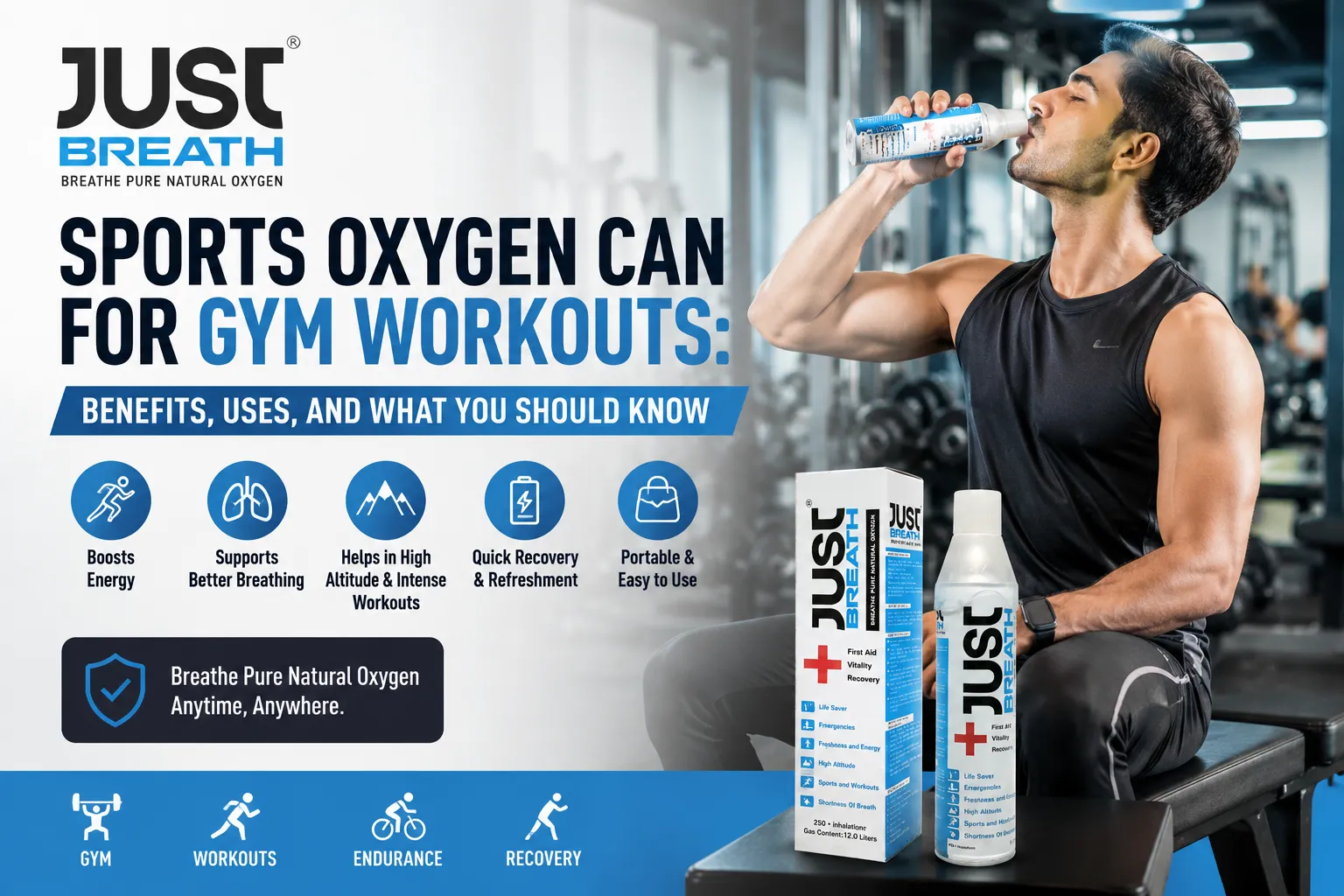
Treks and hill trips, obviously. Leh, Spiti, Kedarnath. Nobody carries a cylinder up a trail, but a can fits in a daypack. It’s handy on bad-air days too, like Delhi in November. Some keep one in the car for long drives, or in the cupboard as a first-aid backup. And if you live somewhere a cylinder refill is a 50 km round trip, a courier-delivered can is simply easier to keep around.Where it stops
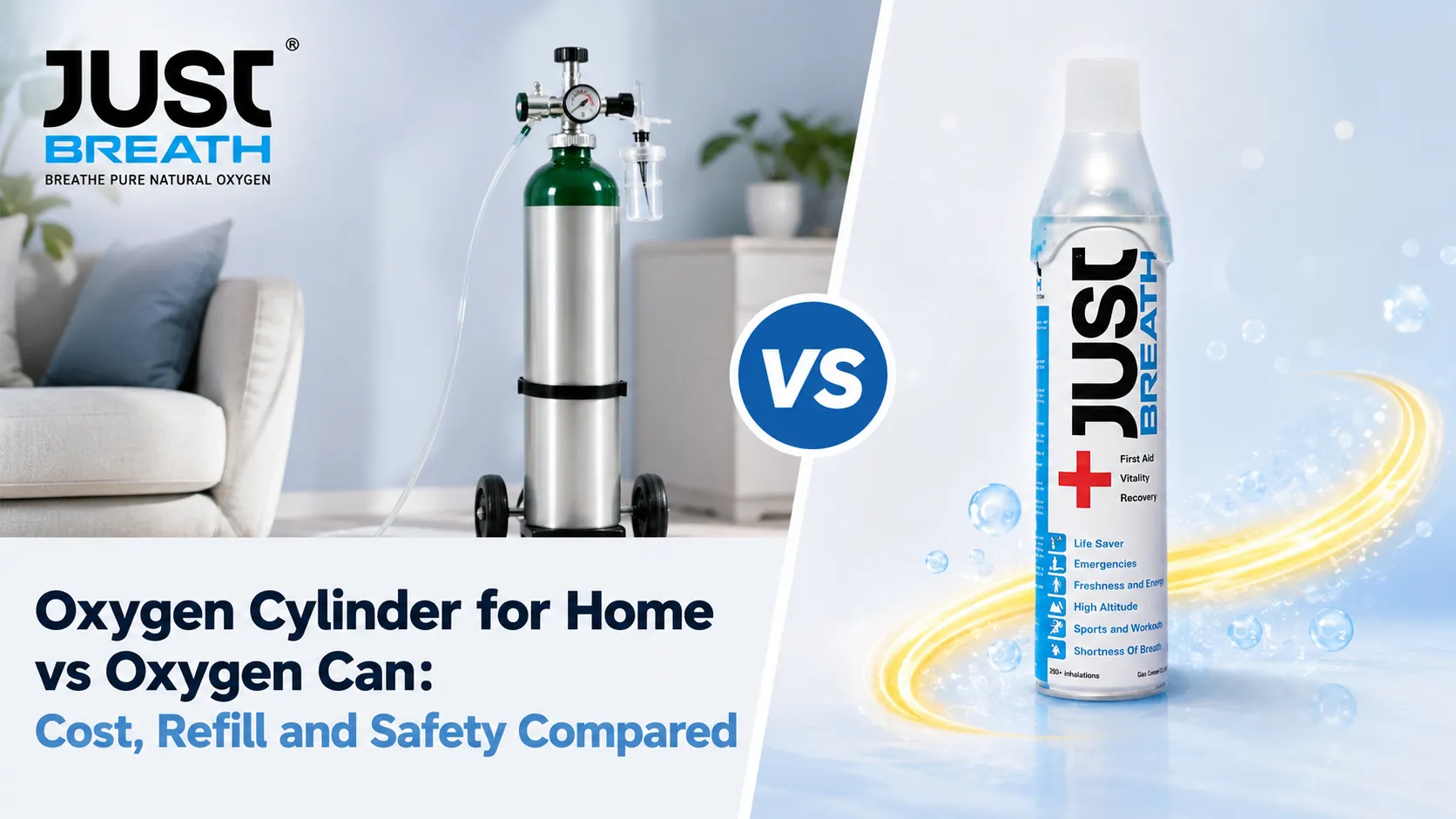
We’ll be straight. A can is not medical oxygen therapy. It can’t give controlled flow for hours, can’t be refilled, and shouldn’t be used to treat altitude sickness or replace prescribed oxygen. If someone is struggling to breathe, get medical help first. That’s the oxygen can vs cylinder question in one line: a can is for quick, occasional use on the move, and a cylinder is for steady treatment at home.Where a Cylinder or Concentrator Is the Right Choice
If a doctor has written “oxygen” on the prescription, skip the can. You need a proper oxygen cylinder for home, an oxygen tank for home use, or a concentrator.A cylinder works best when
The need is short, say a few weeks of recovery. Power cuts are common in your area. Or you already have a concentrator and want something that works when the inverter gives up.A concentrator works best when
The patient needs oxygen for many hours a day, for months. Refills are a headache where you live, as in much of semi-urban India. And your power is fairly reliable. Quite a few families end up with both: a concentrator for daily use, and an oxygen cylinder for home emergencies.Decision Table: Which One Should You Pick?
| Your situation | Oxygen Can | Home Oxygen Cylinder | Concentrator |
| Doctor has prescribed oxygen | ✗ | ✓ | ✓ |
| Trek or hill trip | ✓ | ✗ (too heavy) | Only portable models |
| Smoggy days, long drives | ✓ | ✗ | ✗ |
| Long power cuts | ✓ (short use) | ✓ | ✗ without backup |
| Refill station is far away | ✓ | Tough | ✓ |
| Upfront cost | Under ₹1,000 | ₹4,000–₹12,000 | ₹30,000+ |
| Refills | None (single use) | ₹700–₹1,500 each time | None |
| Setup | Nothing | Regulator, flowmeter | Plug in |